news
Danish Study Warns Screens Harm Kids' Cognition, Not Help It
Danish researchers warn that classroom screens are not improving education and are likely hindering cognitive development and learning. A new analysis highlights that the 1990s push for screens to solve education problems was based on flawed premises, leading to reduced focus and comprehension for students today. It’s a call to rethink the digital saturation in schools, emphasizing its impact on the developing nervous system.
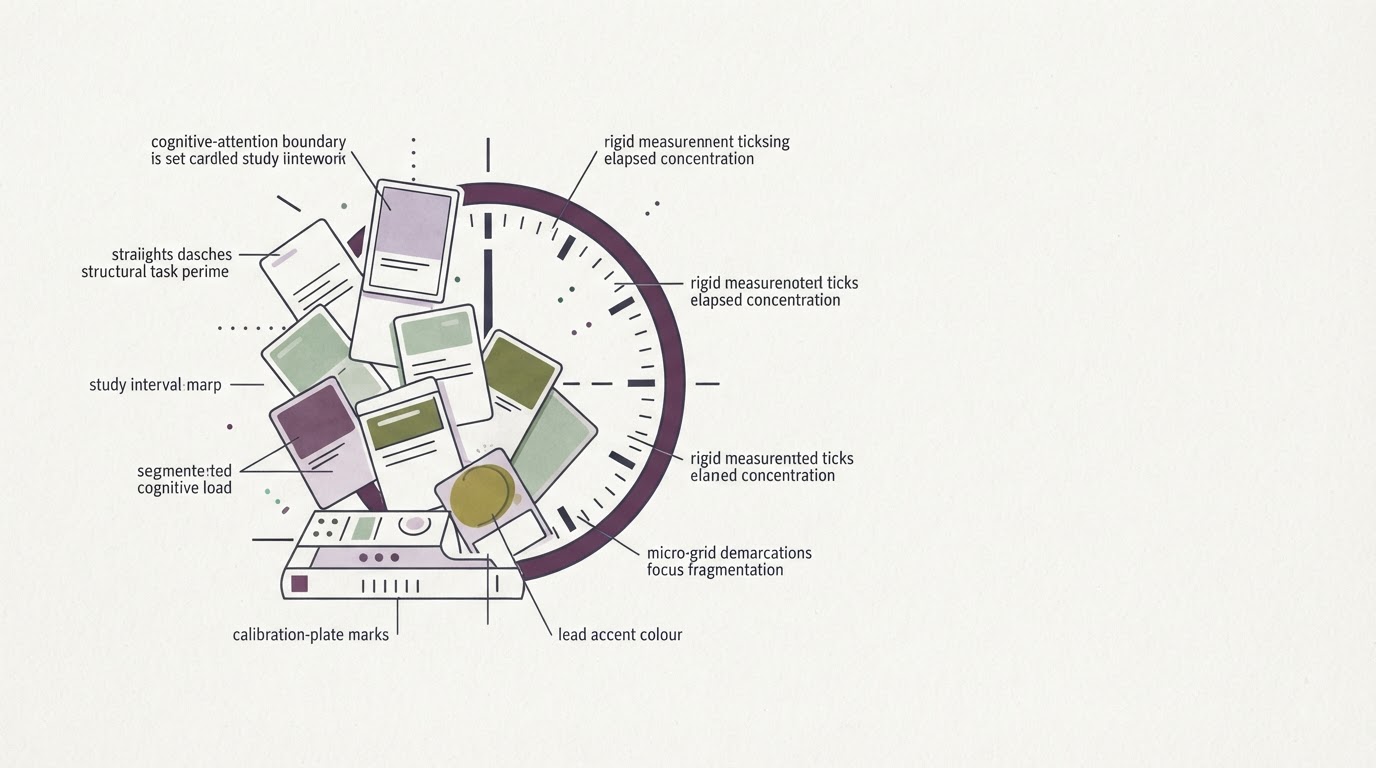
Danish researchers warn that classroom screens are not improving education and are likely hindering cognitive development and learning. A new analysis highlights that the 1990s push for screens to solve education problems was based on flawed premises, leading to reduced focus and comprehension for students today. It’s a call to rethink the digital saturation in schools, emphasizing its impact on the developing nervous system.
The architecture take
I remember the early-internet promise: screens would unlock a whole new kind of learning. Well, it turns out that wasn't the full story. This Danish take on screen time in schools is a hard reset on that narrative, especially for kids whose nervous systems are still wiring themselves. The original push in the 90s for screens to 'fix' education, this new analysis explains, was never really about the brain — it was about a vague idea of 'modernization'. Now, we're seeing the downstream effects. Constant switching between tasks on a screen messes with attention spans, making it harder for kids to dive deep into a single subject. It's a clear signal that the very tools meant to engage young minds might be dulling them instead. My kid's school just went to a 'no screens during lunch' rule, which feels like a small win, but this goes way beyond just lunch.