Daily read · 18:00
Regulators Demand Hard Clinical Endpoints Over Algorithmic Longevity Scores
Germany's health quality agency rejected biological age clocks for pharmaceutical evaluations today, confirming what I learned after watching commercial longevity algorithms fail to produce a single validated endpoint.
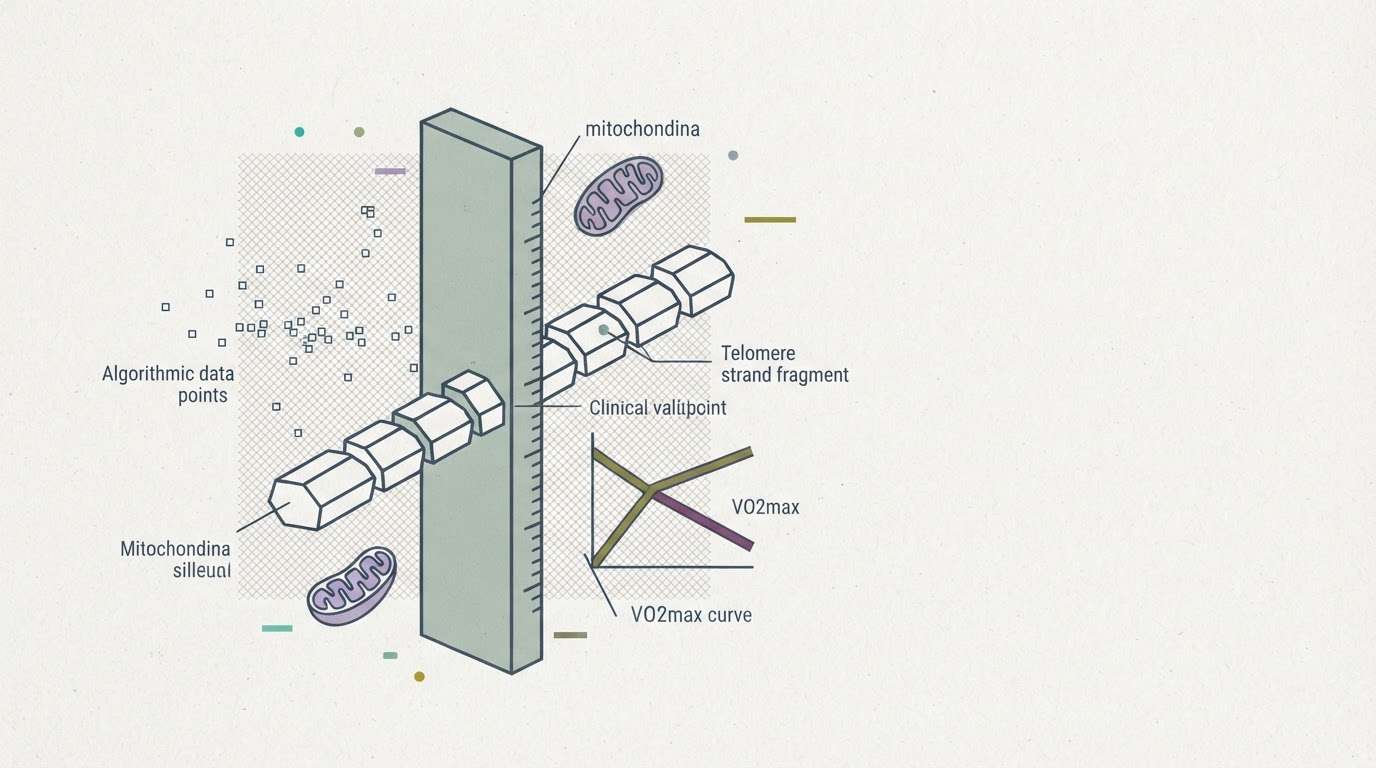
Germany's health quality agency rejected biological age clocks for pharmaceutical evaluations today, confirming what I learned after watching commercial longevity algorithms fail to produce a single validated endpoint.
In today's read: 1. Longevity science confronts regulatory reality · 2. Mucosal signaling targets gut pathology · 3. Clinical algorithms split on validation
1. Longevity science confronts regulatory reality
Researchers identified cytotoxic CD4 T-cells driving active immune defense in centenarians aged 110 and older, while Germany's IQWiG explicitly barred algorithmic biological age metrics from pharmaceutical decision-making. Extreme lifespan relies on measurable cellular adaptations rather than algorithmic composite scores.
Startups selling biological age testing lose their reimbursement roadmap in Europe (turns out birth dates still rule the formulary, and insurers won't fund surrogate math). Clinical pipelines targeting defined immune cell populations keep the only viable path to insurance coverage.
Evidence from today:
- Supercentenarians Carry Rare Killer T-Cells That Keep Immunity Alive — Videnskab.dk (Health) — Researchers analyzing blood from people aged 110 and older found an unusually high volume of cytotoxic CD4 T-cells. Instead of merely coordinating immune responses like standard helper cells, these adapted cells actively destroy damaged and infected targets. The finding reveals how extreme longevity relies on an immune system that reprograms its own defense army rather than fading quietly.
- German Health Watchdog Rejects Biological Age Clocks for Drug Decisions — Deutsches Ärzteblatt — Germany's health quality agency IQWiG released a report ruling that biological age cannot replace chronological age when assessing drug treatments. The federal body reviewed current functional and biomarker metrics and found they lack clinical reliability for patient outcomes. Regulators will keep relying on birth dates rather than cellular age algorithms for pharmaceutical guidelines.
2. Mucosal signaling targets gut pathology
Swedish registry data links early childhood antibiotic courses directly to adult irritable bowel syndrome, while Phase 3 data for obefazimod shows microRNA-124 upregulation clears chronic mucosal inflammation. Long-term digestive disease maps back to early mucosal disruption, shifting drug development toward targeted local tissue signaling.
Oral daily pills with clean safety profiles will strip market share from broad immunosuppressants that don't spare healthy tissue. Pediatric antibiotic protocols face growing liability pressure from health systems tracking downstream gastrointestinal costs.
Evidence from today:
- Oral Drug Obefazimod Delivers Long-Term Remission in Ulcerative Colitis Phase 3 — Deutsches Ärzteblatt — Phase 3 trial data presented at UEG Week in Barcelona shows oral drug obefazimod achieved sustained long-term remission in ulcerative colitis patients. The daily pill works by ramping up microRNA-124 to dial down chronic mucosal inflammation in the gut lining. It offers a targeted alternative to broad immunosuppressants for people managing severe bowel disease.
- Childhood Antibiotics Linked to Adult Irritable Bowel Syndrome Risk — Deutsches Ärzteblatt — Swedish researchers presented population-based registry data at UEG Week in Barcelona showing antibiotic exposure in early childhood significantly increases irritable bowel syndrome risk in young adulthood. About one in 10 adults lives with persistent IBS symptoms. The study connects pediatric prescription patterns directly to long-term gut dysfunction.
3. Clinical algorithms split on validation
The World Health Organization deployed AI screening to flag alcohol-driven estrogen elevation in European primary care, while German regulators rejected commercial biological age algorithms for drug choices. Health agencies accept software that scores direct biochemical risk pathways, but dismiss composite black-box formulas.
Preventative software wins adoption when it maps directly to known hormones, but health authorities won't touch surrogate longevity scores. Diagnostic vendors targeting health systems must link their algorithms to established physiology rather than wellness marketing.
Evidence from today:
- German Health Watchdog Rejects Biological Age Clocks for Drug Decisions — Deutsches Ärzteblatt — Germany's health quality agency IQWiG released a report ruling that biological age cannot replace chronological age when assessing drug treatments. The federal body reviewed current functional and biomarker metrics and found they lack clinical reliability for patient outcomes. Regulators will keep relying on birth dates rather than cellular age algorithms for pharmaceutical guidelines.
- WHO Launches AI Tool Targeting Alcohol-Driven Breast Cancer Risk — El Médico Interactivo — The World Health Organization rolled out an AI-assisted portal to screen alcohol consumption and deliver targeted breast cancer prevention protocols in primary care. Research shows just 21% of European women are aware that alcohol intake directly elevates breast cancer risk by driving up circulating estrogen. The tool gives clinicians automated risk scoring to prompt earlier interventions before drinking patterns harden.
Also moved today
- Noise-Canceling Headphones Cut Post-Op Nausea in Laparoscopy Patients — Deutsches Ärzteblatt — Noise-canceling headphones cut post-operative nausea in laparoscopy patients by muting 70-decibel recovery room alarms, showing how acoustic damping can substitute for antiemetic drugs.
Signal map
Europe: 5 · Nordics: 1
What I'd watch next
I'll track whether other European health authorities follow Germany's formal rejection of biological age algorithms over the next 48 hours. Payers want hard proof.
Where this fits at Kokorology
I spent years overvaluing algorithmic age scores before conceding that baseline autonomic state dictates actual recovery. The Nervous System Journal tracks that capacity without speculative software.