Daily read · 18:00
Metabolism isn't simple. Neither is stress.
Today's moves confirm that complex biological systems, from metabolism to stress response, defy simple fixes, pointing to a market shift away from single-factor solutions.
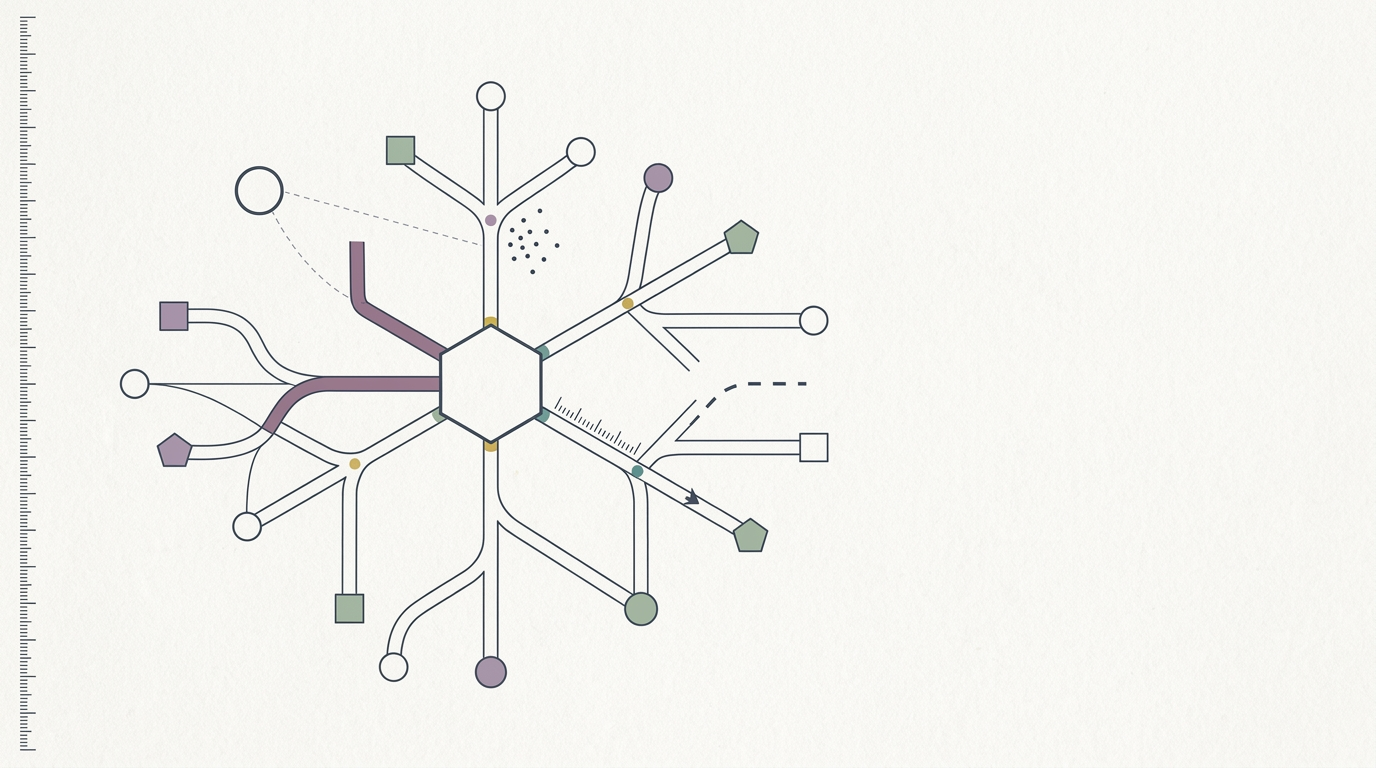
Today's moves confirm that complex biological systems, from metabolism to stress response, defy simple fixes, pointing to a market shift away from single-factor solutions.
In today's read: 1. The 'simple' body is dead · 2. Nervous system load is now a policy issue · 3. Weight management pushes past quick fixes · 4. Big Wellness goes mass market
1. The 'simple' body is dead
The 'calories in, calories out' model fails because individual metabolism involves complex interactions of gut microbiome, hormones, and genetics. Similarly, microplastics react with water to alter cell function, proving they're not inert and impact internal biology.
Investors and founders should ditch reductive health claims. The market is moving towards multi-omic solutions and personalized interventions, not blanket advice. Pay attention to biomarkers, not just symptoms.
Evidence from today:
- New research explains why 'calories in, calories out' fails for weight loss — Videnskab.dk (Health) — A Danish obesity researcher argues that a one-size-fits-all approach to weight loss is flawed, highlighting the complex interplay of genetics, environment, and biological mechanisms beyond simple energy balance. The article cites a range of factors like gut microbiome, hormonal regulation, and genetic predispositions that influence how individuals process food and maintain weight. This moves past the simplistic 'calories in, calories out' model to acknowledge metabolic individuality.
- Microplastics React in Water, Altering Cell Function — Wired Science — New peer-reviewed research in Nature Communications shows microplastics, typically thought inert, become biologically active when interacting with water. These 'new' particles can then alter the function of human cells, suggesting a deeper problem than just physical presence inside the body.
2. Nervous system load is now a policy issue
Chronic, overwhelming stress from conflict destroys health infrastructure and cuts lifespans, activating prolonged fight-or-flight states. Even subtle environmental shifts, like eliminating the leap second, reflect a systemic disregard for natural rhythms and their impact on human biology.
The cost of systemic nervous system disregulation isn't just individual; it's a public health crisis. Look for policy interventions that measure and mitigate collective stress, not just individual mental health apps.
Evidence from today:
- War damages health, cuts lifespans for those directly impacted — The Lancet — New research in The Lancet maps how war directly impacts health, showing that attacks on medical facilities during the Syrian conflict destroyed over 600 healthcare sites and killed hundreds of workers. This isn't just about immediate casualties; it's about the long-term, compounding nervous system load on a population.
- Leap Second elimination impacts global time-keeping standards — Videnskab.dk (Health) — Global timekeeping bodies have voted to eliminate the 'leap second' by 2035, a change driven by tech giants who struggle with the precision and potential system chaos caused by the infrequent, one-second adjustments. This means that Coordinated Universal Time (UTC) will slowly drift from astronomical time, which is currently based on Earth's rotation. The International Bureau of Weights and Measures (BIPM) made the decision.
3. Weight management pushes past quick fixes
The WHO is pushing back on GLP-1s for children under 10, favoring diet and behavior over medication. This suggests a growing understanding that metabolic health for kids needs foundational interventions, not just pharmaceutical ones. Also, AI struggles with genetics for personalized health interventions, showing we lack sufficient data to truly personalize weight loss yet.
Expect more scrutiny on quick-fix obesity drugs, especially for younger populations. The real opportunity is in long-term behavioral change platforms and better diagnostic tools, not just drug distribution.
Evidence from today:
- WHO advises against obesity drugs for kids under 10 — El Médico Interactivo — The World Health Organization (WHO) is recommending against weight-loss medications for children under 10 with obesity. Instead, they're pushing for structured interventions focusing on diet, physical activity, and behavior, especially for childhood and adolescent obesity. This moves the conversation beyond just pharmaceutical solutions.
- AI can't decode human DNA yet, but the data is coming — Wired Science — Wired Science reported that current AI models struggle with the complexity of human genetics because the data they need to properly map gene expression and cellular interactions is still missing. This means AI isn't ready to guide highly personalized health interventions based on individual genomes. It's less about the AI's smarts and more about the quality and quantity of the available biological data.
4. Big Wellness goes mass market
Accessory brands like Bogg are expanding durable goods beyond niche markets like beachgoers to athletes and commuters. At the same time, managers talking less improves worker psychological safety, signaling that foundational wellness practices are entering mainstream corporate strategy.
Products designed for 'active' or 'well' lifestyles are becoming everyday items, not aspirational purchases. Companies that embed wellness principles into core operations, like quiet leadership reducing stress, will win on retention and productivity.
Evidence from today:
- Bogg bags target athletes beyond the beach — Modern Retail — Bogg is expanding its product line beyond its signature EVA beach bag to cater to commuters, athletes, and travelers. Their new Go Tote aims to capture a broader market interested in durable, easy-to-clean carryalls for active lifestyles. This is a clear signal that even accessory brands are chasing the 'athlete' aesthetic and need.
- Bosses who talk less reduce worker stress — Ars Technica - Science & Health — New research suggests that when managers speak less in meetings, their teams experience lower stress levels and feel more psychologically safe. The study indicates that quiet leadership fosters a healthier work environment by reducing anxiety.
Also moved today
- New research links higher BMI to lower mortality in dementia — Healio - Psychiatry & Mental Health — Higher BMI linked to lower mortality in dementia patients suggests nuance in body composition and disease prognosis, challenging simple assumptions about weight and health.
- Brain tricks explain why we sometimes 'see' ghosts — Videnskab.dk (Health) — Brain glitches, especially under stress, explain 'ghosts,' highlighting how our nervous system interprets sensory input and creates reality.
- CAR T-cell therapy shows promise for autoimmune disease — Nature Medicine RSS — CAR T-cell therapy shows promise for autoimmune diseases but requires deep immune regulation understanding before wide adoption, signaling biotech's cautious expansion.
- SupplySide spotlights 15 brands pushing ingredient innovation — New Hope Network (Natural Products Expo) — SupplySide showcased ingredient innovations from gut health to cognition, signaling where supplement manufacturers are placing their bets for future product development.
Signal map
Global: 5 · Nordics: 3 · North America: 2 · UK & Ireland: 1 · Europe: 1
What I'd watch next
Pay attention to how companies message personalized health beyond genetics, as AI still isn't there yet. Look for real-world applications of nervous system regulation in workplace design and policy.