news
Computational tool designs microbiome supplements for metabolic targets
Researchers developed a computational method to design food-grade dietary supplements that specifically target metabolic pathways in the gut microbiome. The new tool helps predict formulation effectiveness before costly clinical trials. An early proof-of-concept shows promise for dry eye conditions, hinting at broader applications for tailored gut health.
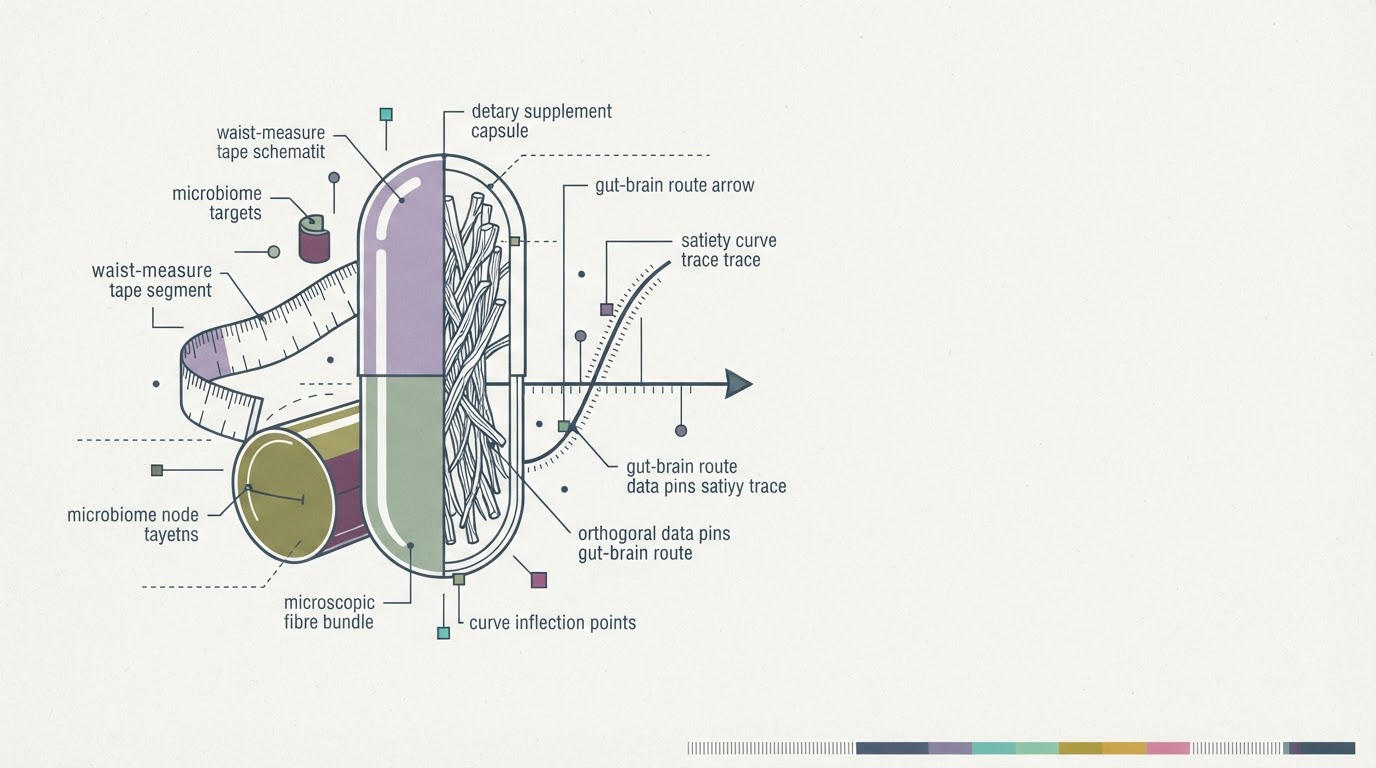
Researchers developed a computational method to design food-grade dietary supplements that specifically target metabolic pathways in the gut microbiome. The new tool helps predict formulation effectiveness before costly clinical trials. An early proof-of-concept shows promise for dry eye conditions, hinting at broader applications for tailored gut health.
The architecture take
I'm always a little wary of "computational tools" promising to fix things, but this one's different. Instead of just guessing, researchers are using in silico modeling to predict how a specific supplement formulation will hit a metabolic target in the gut. They're basically running a simulation to see what might actually move the needle on something like inflammation or nutrient absorption, then building a physical supplement based on that. It's smart because it cuts down on the hit-or-miss approach that plagues so much of the supplement world, where a lot of brands just throw things in a capsule and hope for the best. If this model works as described, it means faster, more precise development of supplements tailored for things beyond dry eyes. Think targeted support for blood sugar, sleep, or even mood, all flowing from a better understanding of what the gut actually needs.