news
Colonial land management increased Australia's bushfire risk for centuries
New research in Nature News explains how British colonization disrupted Indigenous land management, leading to larger and more intense bushfires in Australia. The study highlights how a shift from cultural burning practices directly impacted the landscape's vulnerability to fire. It's a long-term lesson in how environmental shifts ripple through human health and stress.
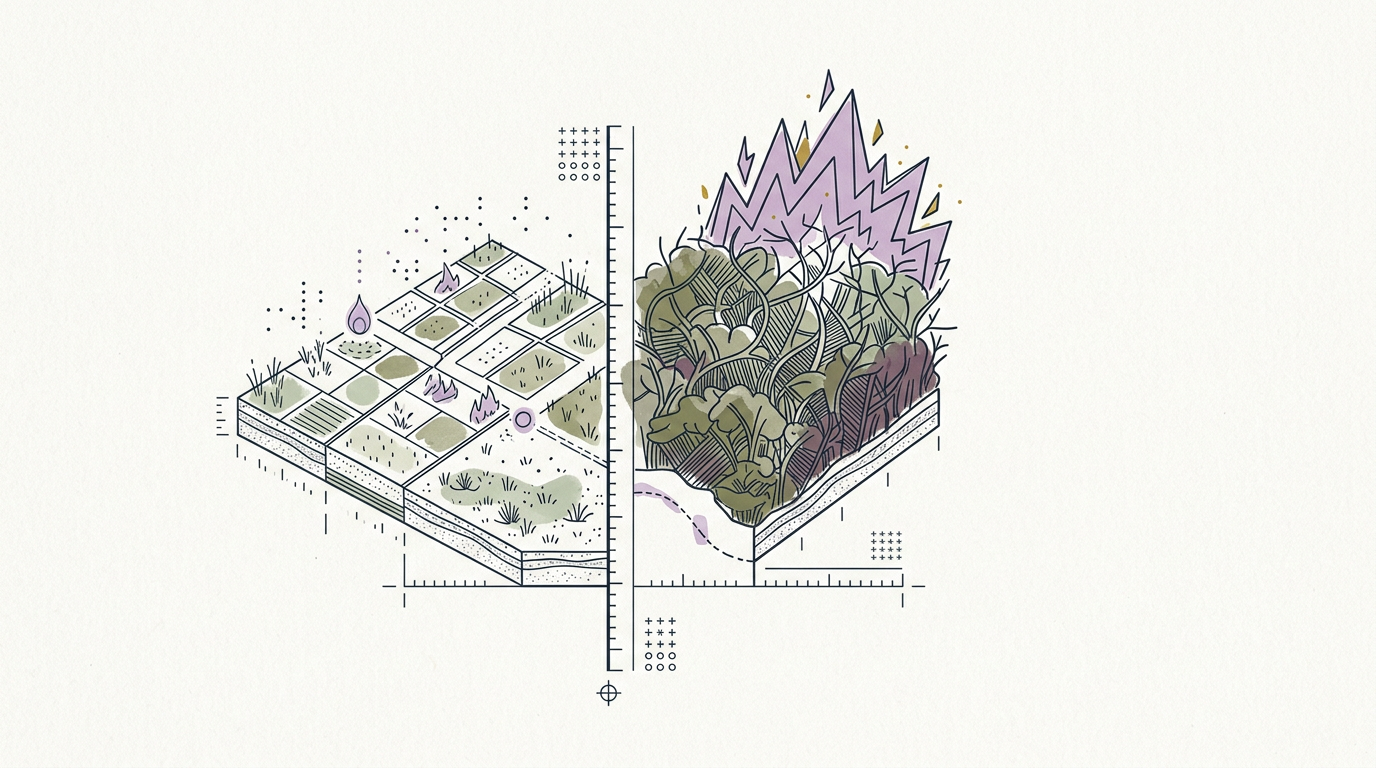
New research in Nature News explains how British colonization disrupted Indigenous land management, leading to larger and more intense bushfires in Australia. The study highlights how a shift from cultural burning practices directly impacted the landscape's vulnerability to fire. It's a long-term lesson in how environmental shifts ripple through human health and stress.
The architecture take
Indigenous land management wasn't just about managing land; it was a complex system that kept the nervous system of the land, and its inhabitants, in balance. This Nature News piece details how interrupting those practices—like controlled 'cool' burns—created dense, overgrown landscapes primed for catastrophic bushfires. It's a stark reminder that when we mess with established ecological rhythms, the long-term cost is paid in acute stress and chronic danger for everyone living there. I think about how these environmental disasters don't just burn through forests, they burn through community resilience and collective sense of safety. The body registers this kind of sustained threat, even if it's decades in the making. What happens when our environment is constantly sending 'danger' signals? Your cortisol doesn't care about a historical timeline; it just reacts to the present-day threat. This is climate policy with a body-angle, clear as day.