news
Cocaine causes brain damage, isn't a 'mild' drug
Danish neuroscientists are challenging the perception of cocaine as a mild recreational drug, explaining how it causes significant, long-term damage to the brain. The new episode of Videnskab.dk's Brainstorm podcast details three specific ways the substance harms neural function. It's a reminder that 'mild' isn't how your nervous system sees it.
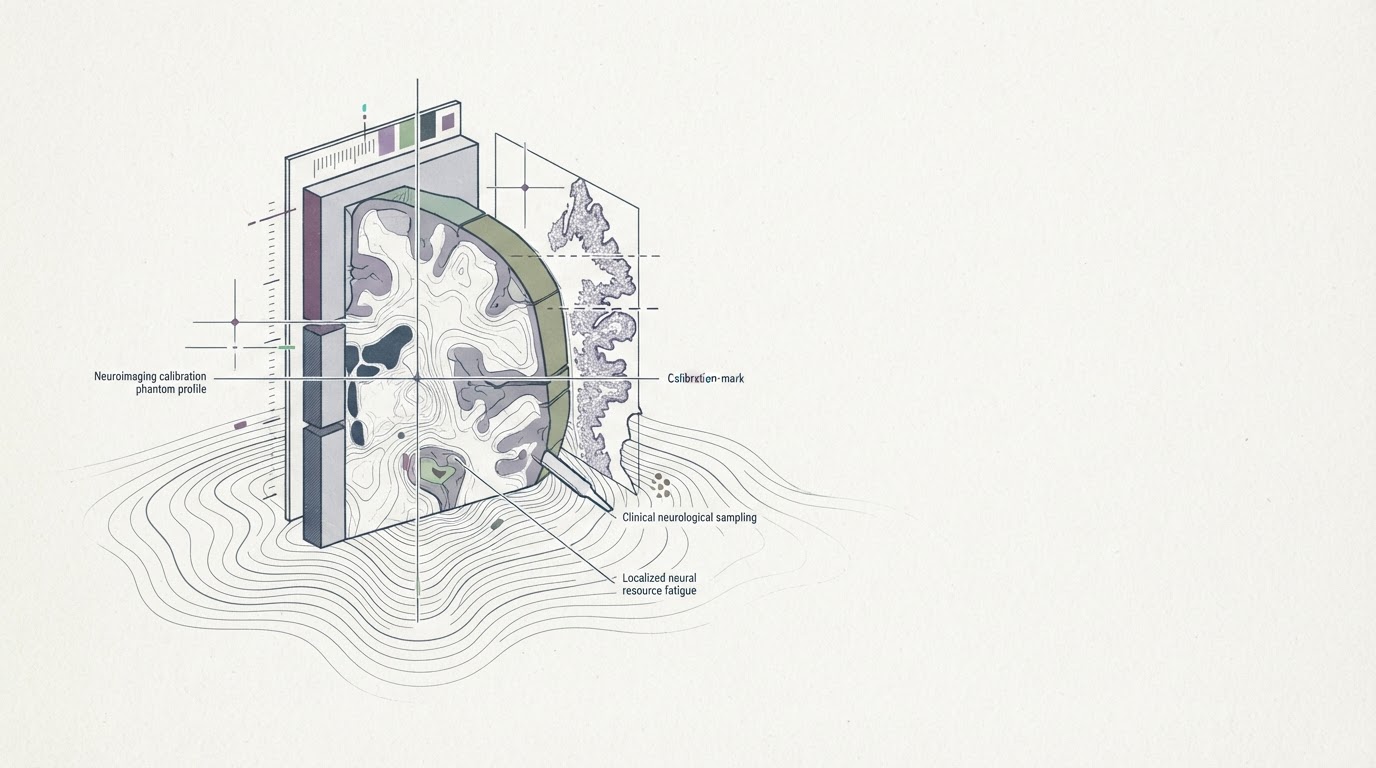
Danish neuroscientists are challenging the perception of cocaine as a mild recreational drug, explaining how it causes significant, long-term damage to the brain. The new episode of Videnskab.dk's Brainstorm podcast details three specific ways the substance harms neural function. It's a reminder that 'mild' isn't how your nervous system sees it.
The architecture take
I keep hearing people talk about cocaine like it's just a fun night out, no big deal. This Danish research is a pretty stark reminder that the brain doesn't see it that way. The scientists explain it messes with your dopamine system, sure, but also your grey matter volume and even your brain's energy supply, which is wild. It's not just about the acute high; it sets off a cascade of neurological changes that stick around. My take? What feels like a choice in the moment creates a real physical load on your nervous system down the line. It's the kind of invisible cost you're paying with your actual brain cells and their ability to keep things running. Thinking it's harmless is just ignoring the actual mechanism.