news
Climate change impacts on women and children's health need better data
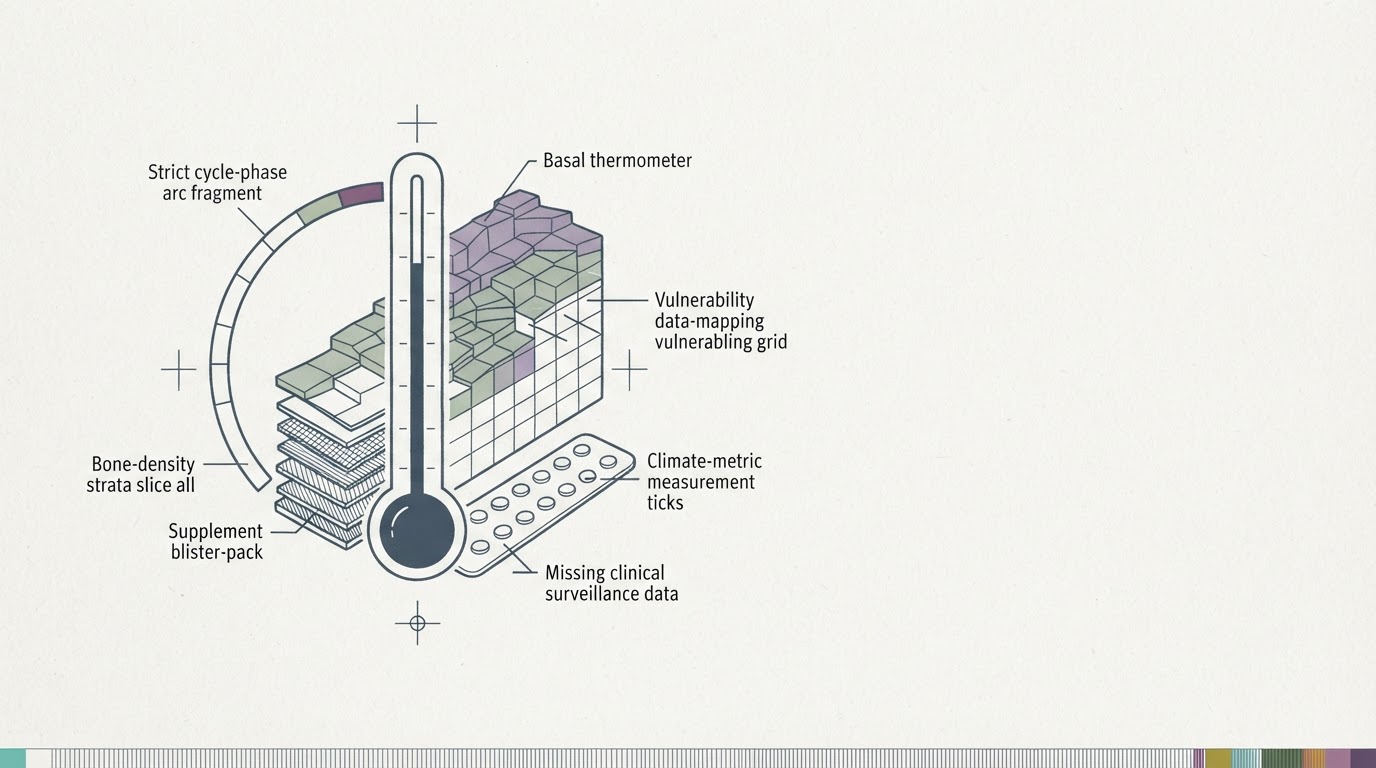
A new correspondence in The Lancet Global Health flags a critical lack of health data in low-income and middle-income countries (LMICs) regarding climate change's health impacts on women and children. Researchers identified vulnerability mapping and integrating climate metrics into surveillance systems as top priorities. This gap makes it tough to truly understand what's happening to the most vulnerable populations.
A new correspondence in The Lancet Global Health flags a critical lack of health data in low-income and middle-income countries (LMICs) regarding climate change's health impacts on women and children. Researchers identified vulnerability mapping and integrating climate metrics into surveillance systems as top priorities. This gap makes it tough to truly understand what's happening to the most vulnerable populations.
The architecture take
The Lancet is calling out 'health data poverty' in LMICs, specifically around how climate change is hitting women and kids. They're not just saying there's a problem, they're pointing to what data we need: vulnerability mapping (who's most at risk, where) and getting climate metrics into health tracking systems. Think about it: if you can't measure the rise in heat-related illnesses or changes in nutrient absorption due to environmental shifts, you can't fix it. This isn't just about global policy; it's about the very real, physiological impact of environmental stress on human bodies. We're talking about direct effects on maternal health, child development, and basic nervous system regulation when people are living under constant threat of climate-driven events. Knowing where and how these stressors manifest is the first step to mitigation, otherwise, it's just a guess.