news
Chaos theory play inspired breast cancer treatment change
A 1993 play, Tom Stoppard's "Arcadia," inspired surgical oncologist Michael Baum to apply chaos theory to breast cancer cells. This led to the development of adjuvant systemic chemotherapy, significantly improving patient survival. The unexpected link between art and medical innovation was revealed after Stoppard's death in 2025.
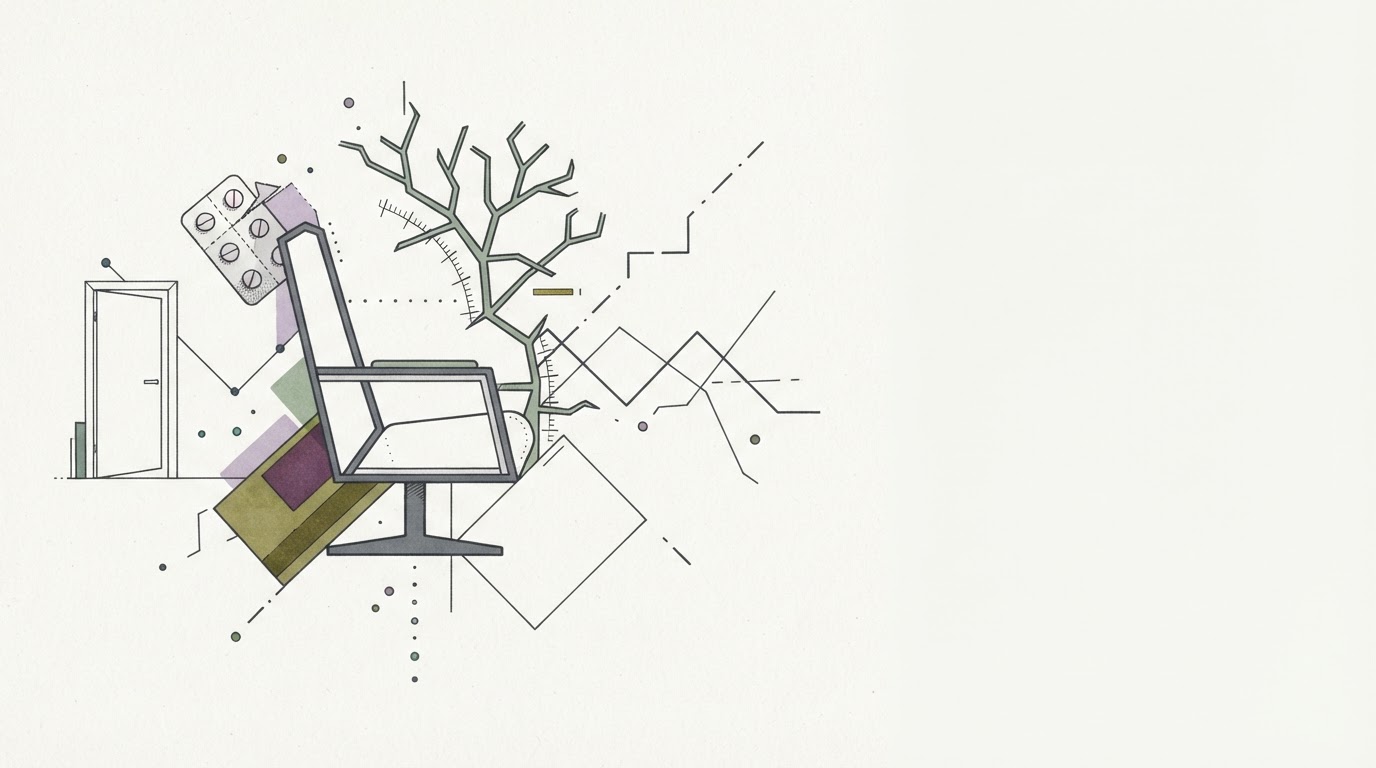
A 1993 play, Tom Stoppard's "Arcadia," inspired surgical oncologist Michael Baum to apply chaos theory to breast cancer cells. This led to the development of adjuvant systemic chemotherapy, significantly improving patient survival. The unexpected link between art and medical innovation was revealed after Stoppard's death in 2025.
The architecture take
Sometimes, the weirdest connections spark real change. An oncologist watches a play about chaos theory, and suddenly he's looking at cancer cells not as isolated problems, but as part of a dynamic, unpredictable system. That's a huge mindset shift, moving from linear cause-and-effect to understanding how small changes can cascade into large outcomes within the body. What he did was apply a systems-level view to a very complex biological process, and it worked. This isn't about finding a "cure" in art; it's about how new perspectives — even from a play — can redefine how we approach chronic illness and how our cells behave under stress. It changes how we think about inputs and outputs when it comes to the body's biggest battles.