news
Celecoxib Only Eases Depression If Specific Immune Cells Are Inflamed
A post hoc analysis of the CITICOX trial by Hemmo Drexhage and colleagues in Brain, Behavior, and Immunity found that COX-2 inhibitors only lift depression in patients with activated monocytes and specific T helper cell ratios. Blunting inflammation across the board failed for everyone else. It shows psychiatric inflammation requires targeted immune profiling rather than generic anti-inflammatory treatments.
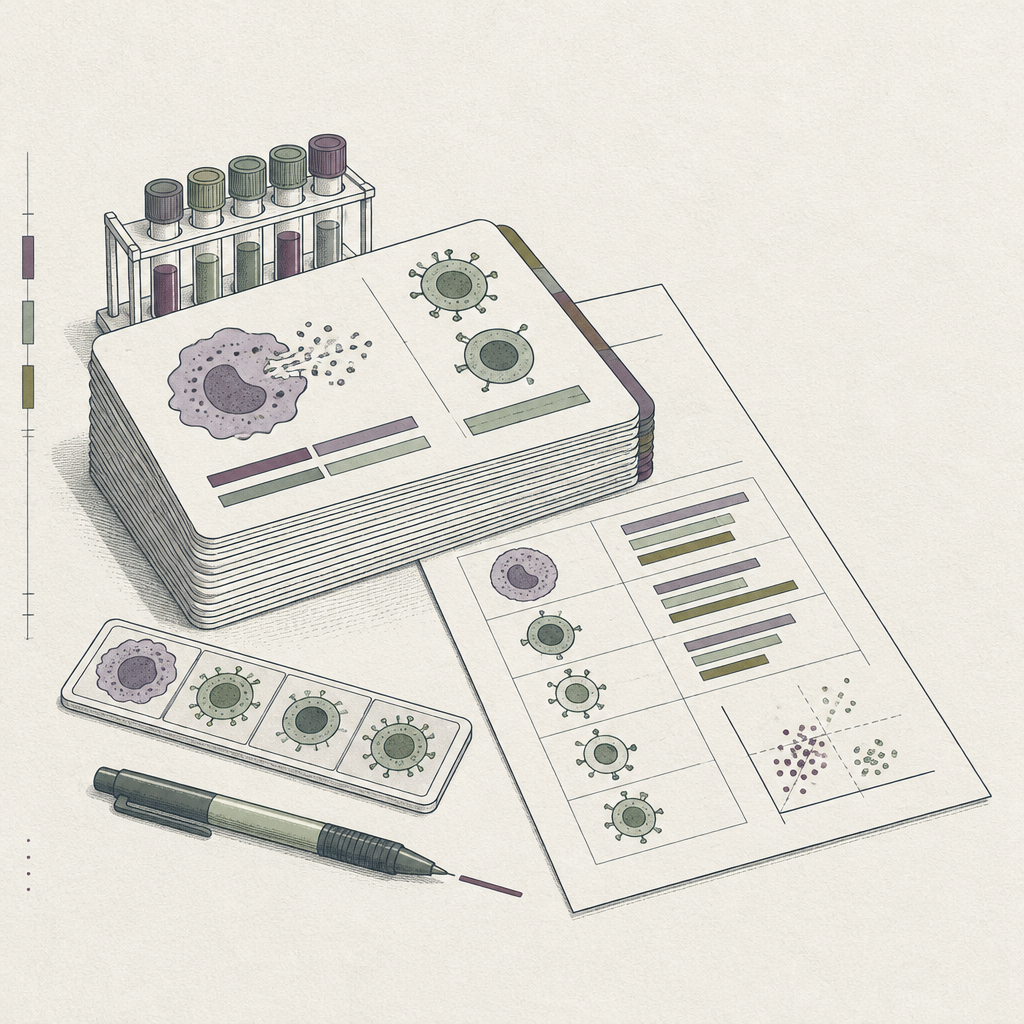
A post hoc analysis of the CITICOX trial by Hemmo Drexhage and colleagues in Brain, Behavior, and Immunity found that COX-2 inhibitors only lift depression in patients with activated monocytes and specific T helper cell ratios. Blunting inflammation across the board failed for everyone else. It shows psychiatric inflammation requires targeted immune profiling rather than generic anti-inflammatory treatments.
The architecture take
Dumping anti-inflammatories on low mood works only when your immune system is genuinely screaming. Drexhage tracked patients taking celecoxib alongside standard antidepressants and found symptom relief mapped cleanly to an activated monocyte state and high memory T helper cell counts. If patients lacked that specific signature, the drug did nothing. Blanket protocols fail here. I spent years assuming any quieted inflammation would automatically lift mood, but biology does not use a general dimmer switch. Monocytes pump out cytokines like IL-6 and TNF-alpha, which cross the blood-brain barrier and disrupt dopamine synthesis while elevating glutamate. Cool those cells down when they are fired up, and your head clears. Give a COX-2 blocker to someone with cold baseline immune markers, and you get gut irritation without the mental lift. Until your clinician orders white blood cell subsets alongside symptom checklists, guessing is just expensive hope.