news
Cannabis users develop psychosis 2.5 years earlier across 149 studies
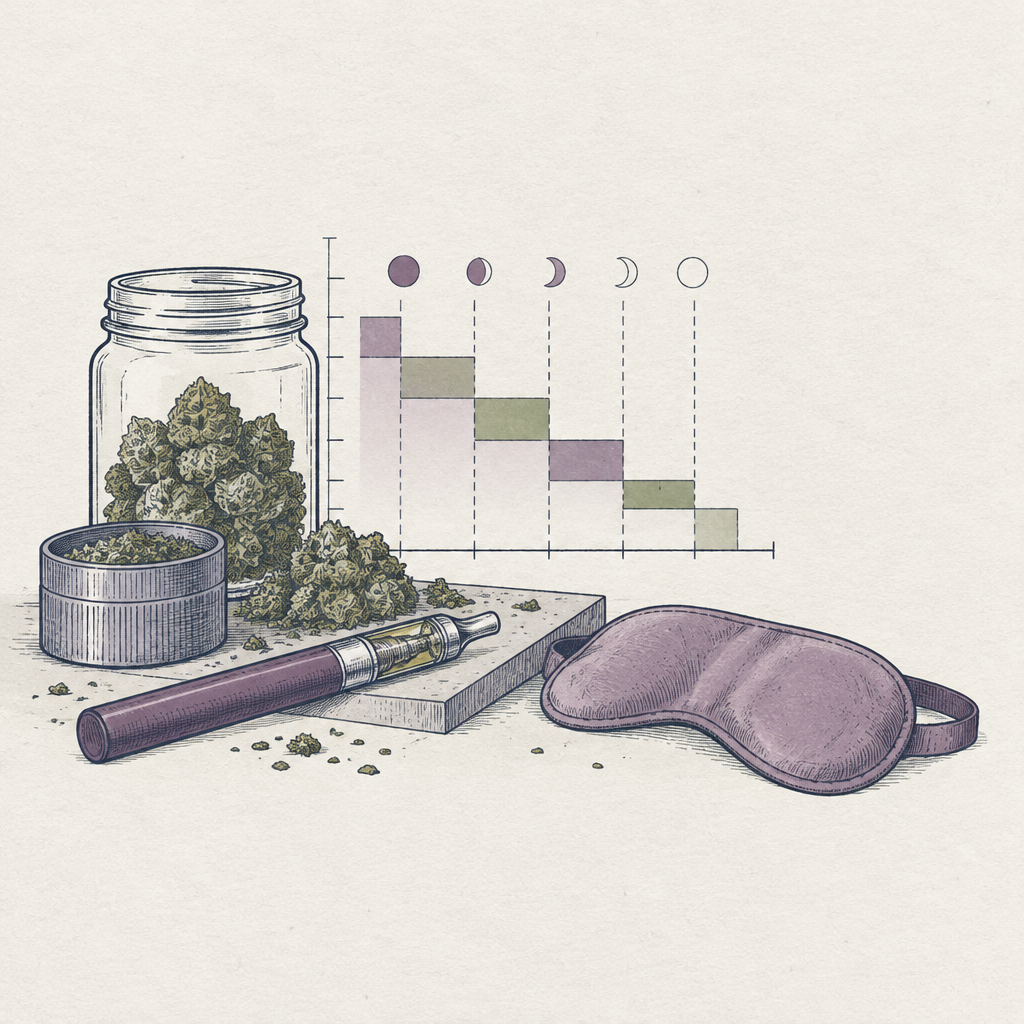
A meta-analysis pooling 149 studies found that cannabis consumers develop psychosis an average of 2.5 years earlier than non-users. Among adults aged 30 and older, that onset gap stretches to more than six years. The data pushes back on the casual assumption that adult brains are immune to heavy THC exposure.
A meta-analysis pooling 149 studies found that cannabis consumers develop psychosis an average of 2.5 years earlier than non-users. Among adults aged 30 and older, that onset gap stretches to more than six years. The data pushes back on the casual assumption that adult brains are immune to heavy THC exposure.
The architecture take
I spent years telling friends that smoking past age twenty-five was basically benign because neurodevelopmental windows had snapped shut. I admit that was lazy math. A meta-analysis of 149 studies just blew that timeline apart, showing the psychosis onset gap between weed smokers and non-smokers actually widens from 2.5 years overall to six full years after age thirty. Chronic high-potency THC hammers the endocannabinoid system, blunts dopamine signaling, and fries deep sleep over decades rather than months. Dispensaries sell forty-percent vape carts as harmless evening tea (which keeps cash registers singing), but your CB1 receptors do not care how old your driver's license is. The adult brain still changes. When someone floods their dopamine pathways with concentrated resin every night, the margin for psychiatric baseline shifts shrinks. I pay much closer attention to late-onset paranoia in heavy-smoking peers now. Regulating your baseline nervous system gets harder when the chemical inputs keep escalating.