news
Breast Cancer Care Delays Hit Younger, Lower-Income Women
A new study of over 1,000 women under 40 with breast cancer found that younger age, lower income, and specific tumor characteristics predict delays in receiving care. These delays worsen prognosis and increase stress, highlighting systemic inequalities in health access. This isn't just about diagnosis; it's about the entire continuum of health support.
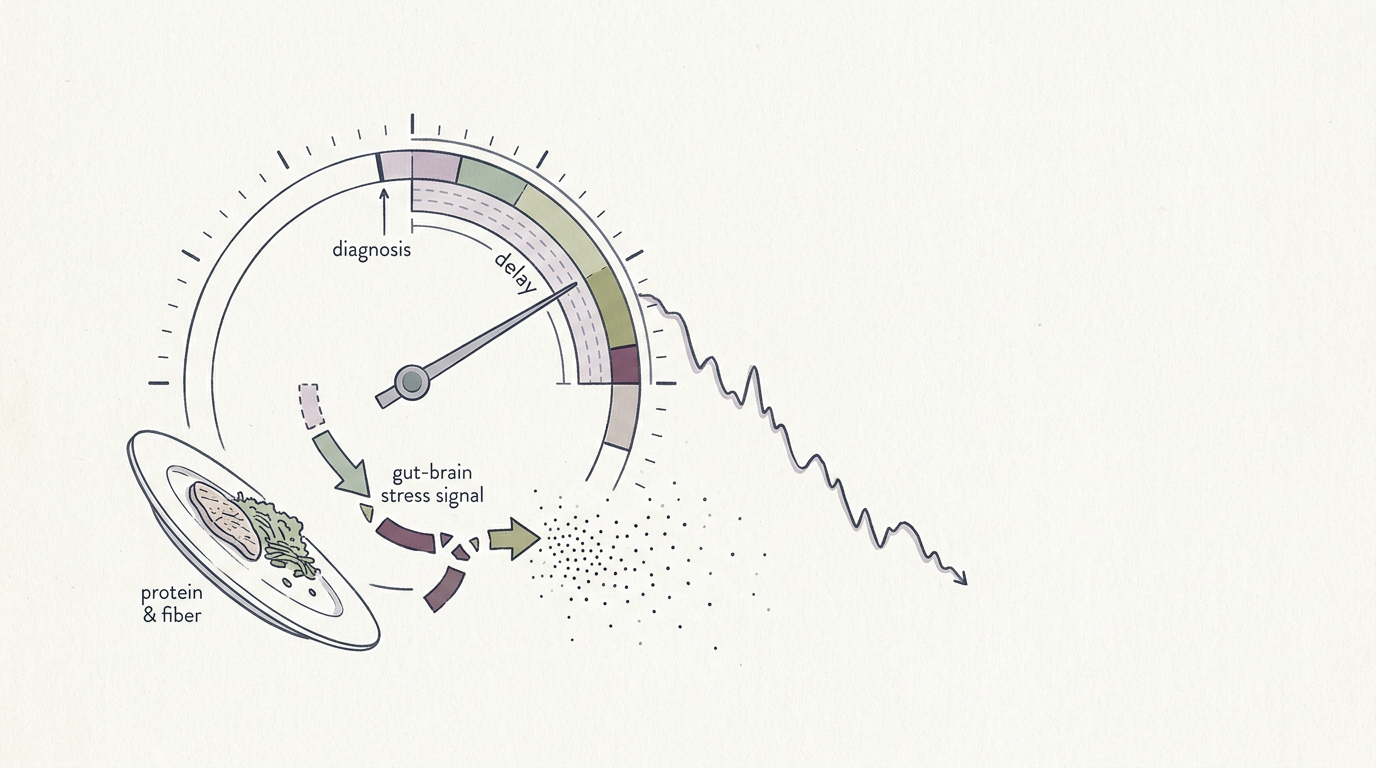
A new study of over 1,000 women under 40 with breast cancer found that younger age, lower income, and specific tumor characteristics predict delays in receiving care. These delays worsen prognosis and increase stress, highlighting systemic inequalities in health access. This isn't just about diagnosis; it's about the entire continuum of health support.
The architecture take
The system is never neutral, and this study proves it once again. When it takes longer for someone to get care—especially for something as time-sensitive as breast cancer—the body pays the price, and the nervous system definitely feels that load. We're talking about chronic stress, anxiety, and the very real physiological impact of a progressing disease while you're waiting for treatment. It's a compounding problem: financial strain causes delays, and those delays then compound the physical and mental toll. This isn't just an equity problem, it's a direct metabolic and hormonal stressor. The data, from over a thousand women, means this isn't an anomaly, it's a pattern. The takeaway for me? We need to push for more streamlined, accessible care models, because a delayed diagnosis or treatment isn't just an inconvenience; it's a direct threat to longevity and well-being.