news
Biologist argues intelligence isn't just brains
Biologist Michael Levin is shaking up how we think about intelligence, suggesting it's less about neurons and more about problem-solving cells. He’s exploring how even simple organisms, or individual cells, can ‘think’ to achieve goals. It means we might need to expand our definition of cognition beyond just brains.
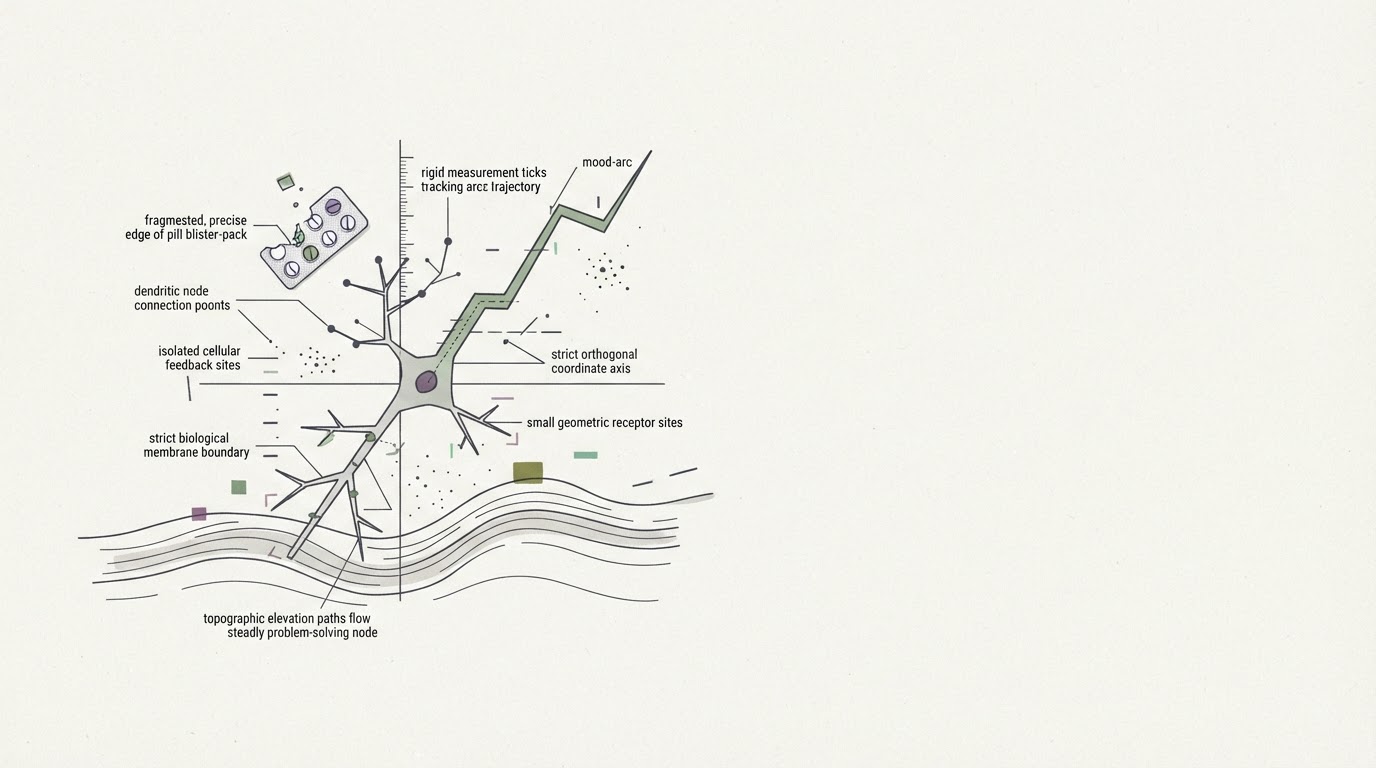
Biologist Michael Levin is shaking up how we think about intelligence, suggesting it's less about neurons and more about problem-solving cells. He’s exploring how even simple organisms, or individual cells, can ‘think’ to achieve goals. It means we might need to expand our definition of cognition beyond just brains.
The architecture take
I’ve heard plenty of takes on cognition, but this one's got me thinking outside the skull. Levin posits that intelligence isn't some brain-bound magic, but the basic drive to solve problems, even at a cellular level. Think about it: a cell, trying to repair itself, or a simple organism navigating its environment. That's a form of intelligence, a goal-directed behavior. This isn't just academic; it challenges our assumptions about where consciousness begins and what healing or regulation really means for our bodies. If our cells are 'thinking,' then our entire nervous system, our gut, our immune cells – they're all in constant problem-solving mode, influencing our state. Maybe the 'brain-body connection' is just a fancy way of saying everything's already connected and solving for itself. What if your anxiety isn't just a brain thing, but a cellular feedback loop? We'll see more research into these 'cellular cognition' pathways, and new interventions that target the body's intrinsic intelligence, not just the brain's.