news
Arabic words for sadness show nuanced emotional states
A new piece explores how Arabic uses four distinct words for sadness, offering a more granular understanding of emotional experiences than standard diagnostic labels. This linguistic precision allows for a deeper articulation of internal states, linking directly to mental health and nervous system regulation. It's about how language shapes our perception and expression of distress.
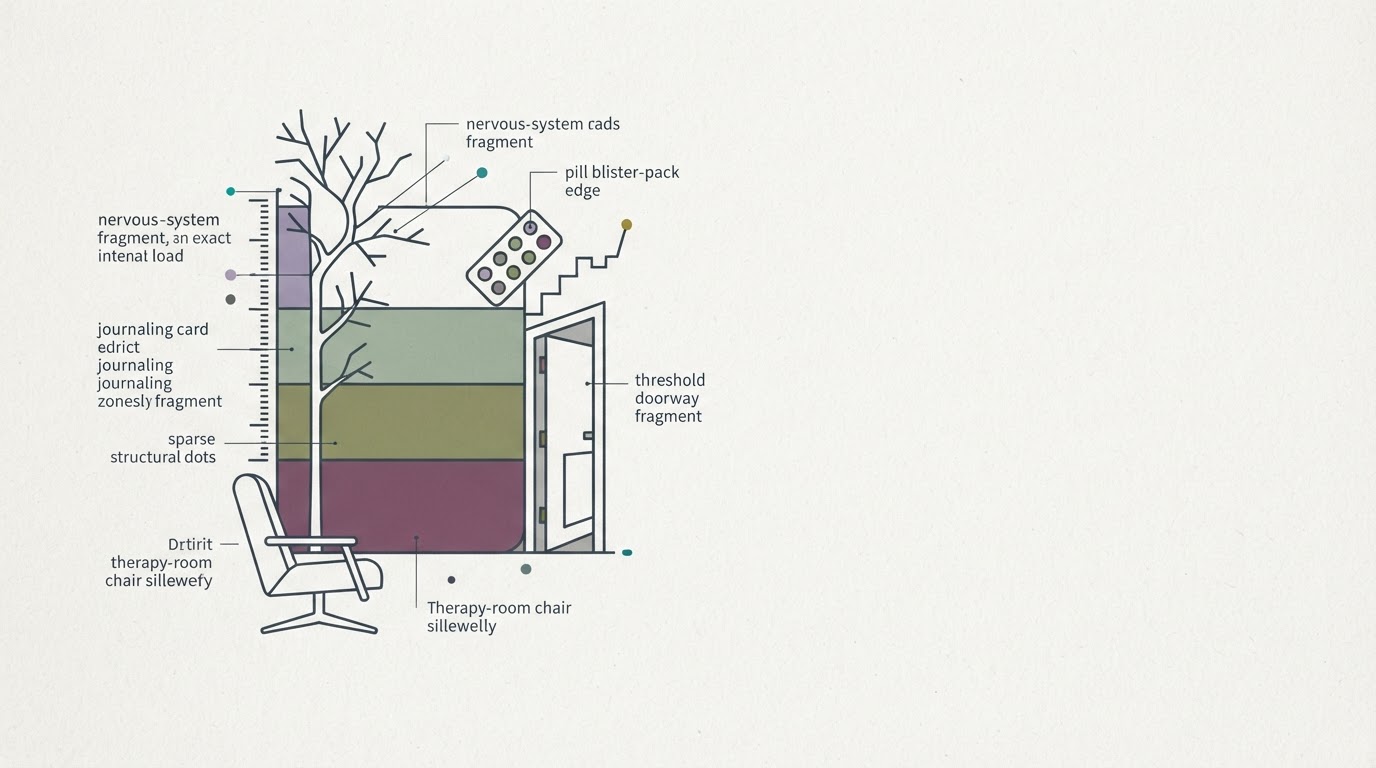
A new piece explores how Arabic uses four distinct words for sadness, offering a more granular understanding of emotional experiences than standard diagnostic labels. This linguistic precision allows for a deeper articulation of internal states, linking directly to mental health and nervous system regulation. It's about how language shapes our perception and expression of distress.
The architecture take
I’m always saying the words we use for our internal states matter, and this hits it. That a language has specific terms for different kinds of sadness – ḥuzn (grief), ham (worry/distress), ghamm (anguish/oppression), and asaf (regret) – isn't just cool linguistics. It’s a roadmap for the nervous system. When you can pinpoint the flavor of your distress, you're not just vaguely 'sad.' You're dealing with a specific load. It helps you name the stressor, and naming is the first step to processing it, rather than just being overwhelmed by a giant, amorphous 'bad feeling.' If you can say 'this is ham, not ghamm,' it shifts your internal narrative from a global shutdown to a specific problem that might actually have a different solution. We could all use a richer vocabulary for what's happening inside.