news
Ancient Egyptian servants may have been sacrificed to kings
New research published in Frontiers in Environmental Archaeology suggests ancient Egyptian servants, including royal courtiers and artisans, were ritualistically sacrificed upon a king's death. Skull fractures on remains from the Umm el-Qa'ab royal cemetery indicate violent ends, confirming a long-held theory about the brutal succession practices of the First Dynasty.
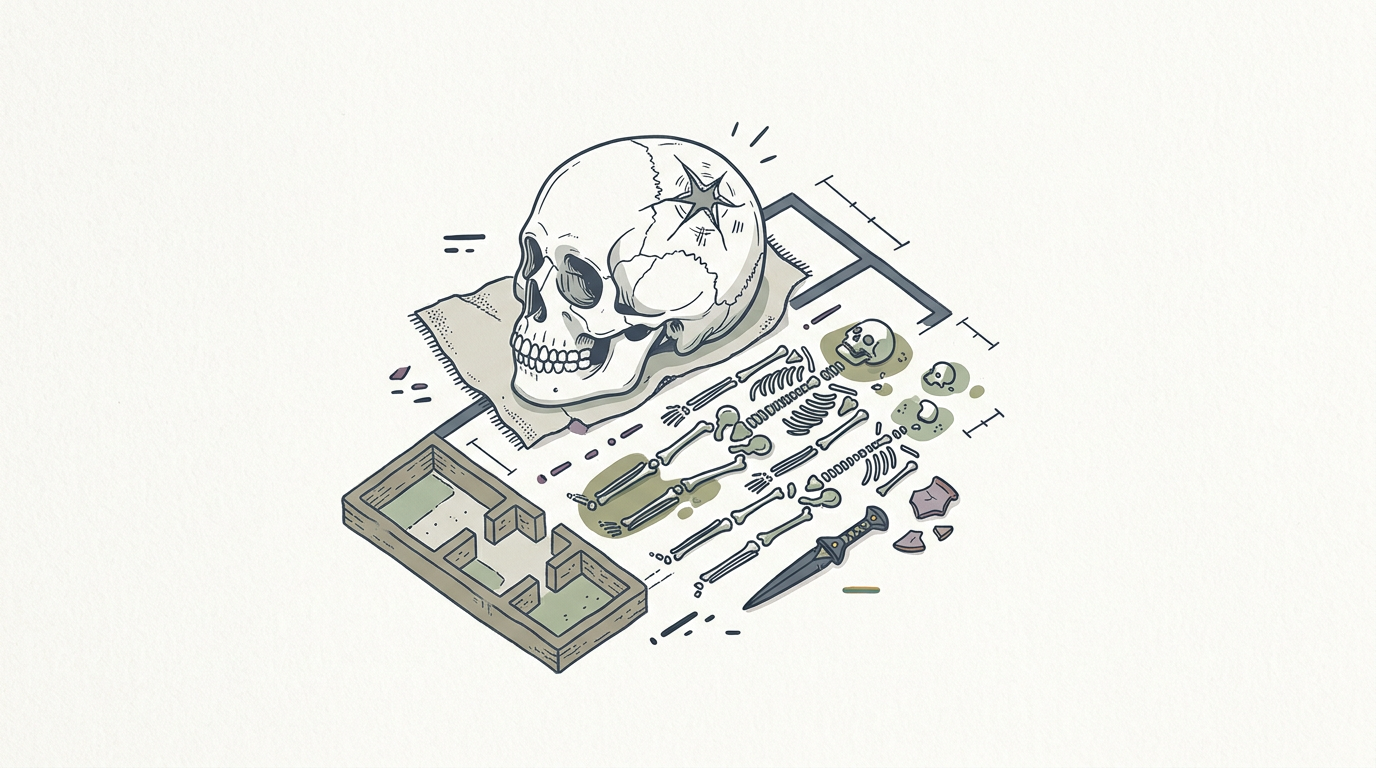
New research published in Frontiers in Environmental Archaeology suggests ancient Egyptian servants, including royal courtiers and artisans, were ritualistically sacrificed upon a king's death. Skull fractures on remains from the Umm el-Qa'ab royal cemetery indicate violent ends, confirming a long-held theory about the brutal succession practices of the First Dynasty.
The architecture take
Archaeology usually isn't my beat, but this one stuck with me — ancient power structures could really demand a 'take everyone with me' approach. This research looked at skull fractures on remains from Umm el-Qa'ab, showing these folks weren't just dying naturally. The fractures fit with blunt force trauma, consistent with ritual killing. I mean, imagine that level of nervous system dysregulation, knowing your ruler's demise meant yours, too. It’s a chilling reminder of how social structures, even in the distant past, shaped individual and collective stress. A king's death meant a lot more than political upheaval; it meant a sudden, violent end to hundreds of lives. Talk about high-stakes succession planning. It puts modern workplace 'team building' into a whole new, less lethal, perspective.