news
AI upgrades CRISPR gene editing for accuracy, fewer off-target cuts
Scientists developed an AI model that predicts CRISPR's genome-editing efficiency and 'off-target' effects, allowing for more precise gene editing. This tech lets researchers design guide RNAs that cut DNA with over 78% accuracy in human cells while reducing unintended edits. The AI identifies optimal CRISPR targets, hinting at safer gene therapies down the line.
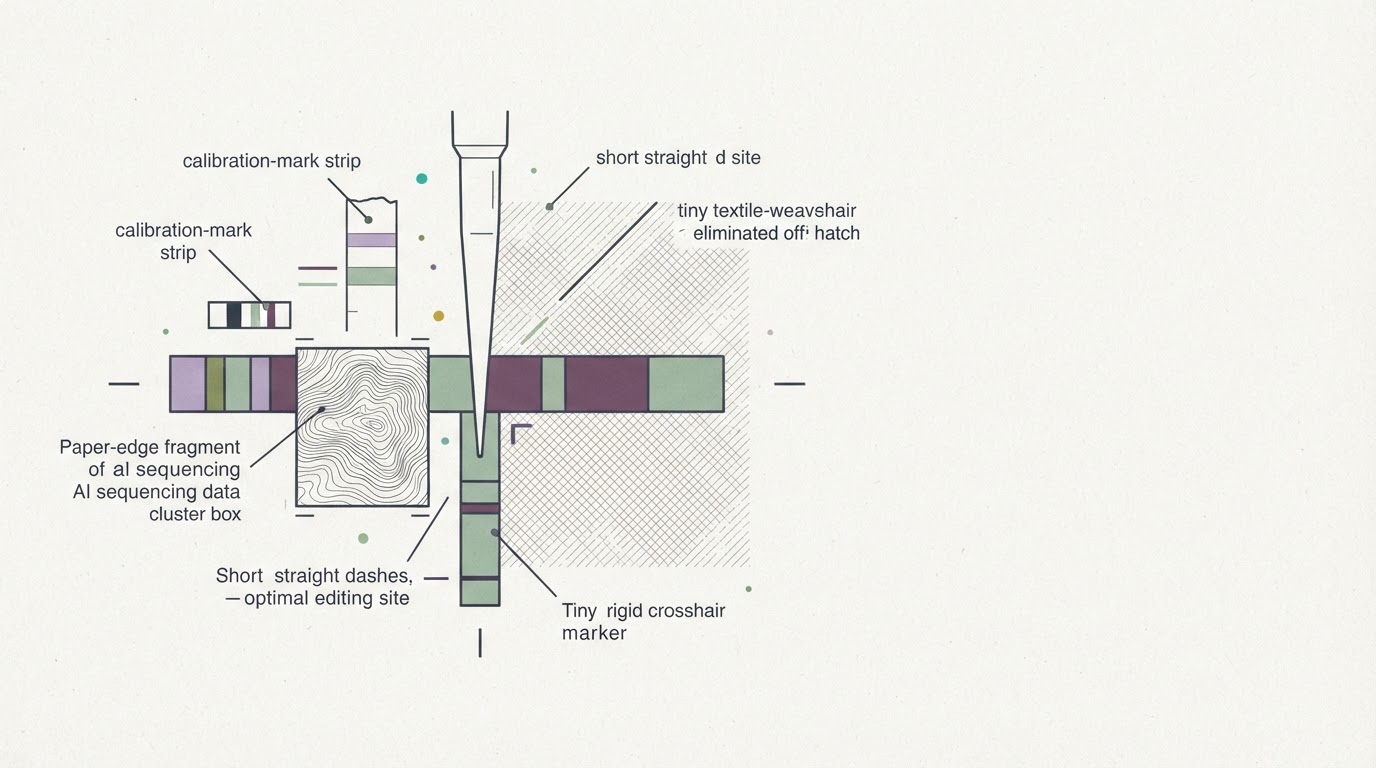
Scientists developed an AI model that predicts CRISPR's genome-editing efficiency and 'off-target' effects, allowing for more precise gene editing. This tech lets researchers design guide RNAs that cut DNA with over 78% accuracy in human cells while reducing unintended edits. The AI identifies optimal CRISPR targets, hinting at safer gene therapies down the line.
The architecture take
Think of this as CRISPR getting a much-needed accuracy patch. Until now, gene editing with CRISPR was a bit like shooting a cannon: powerful, but sometimes you took out a few unintended targets. This new AI is basically a sophisticated aiming system, teaching the cannon to hit only what it's supposed to. For us, this means future gene therapies — and, let's be real, other 'optimization' tools — could come with massively reduced side effects because they aren't accidentally messing with other parts of your genome. It's moving us closer to a world where precision medicine is actually precise, not just hopeful. Watch for this kind of AI-powered design to become standard in any advanced biotech, especially those playing with your nervous system or hormone pathways.