news
AI Reduced Malnutrition in Indian School Girls by 67%
An IAS officer in Gadchiroli, Maharashtra, used an AI-powered system to monitor school meal distribution, cutting the number of malnourished girls from 61 to 20 across three schools. The system tracked food supply and consumption in real-time, ensuring children received adequate nutrition. This pilot program shows how tech can directly impact physical development and cognitive function in vulnerable populations.
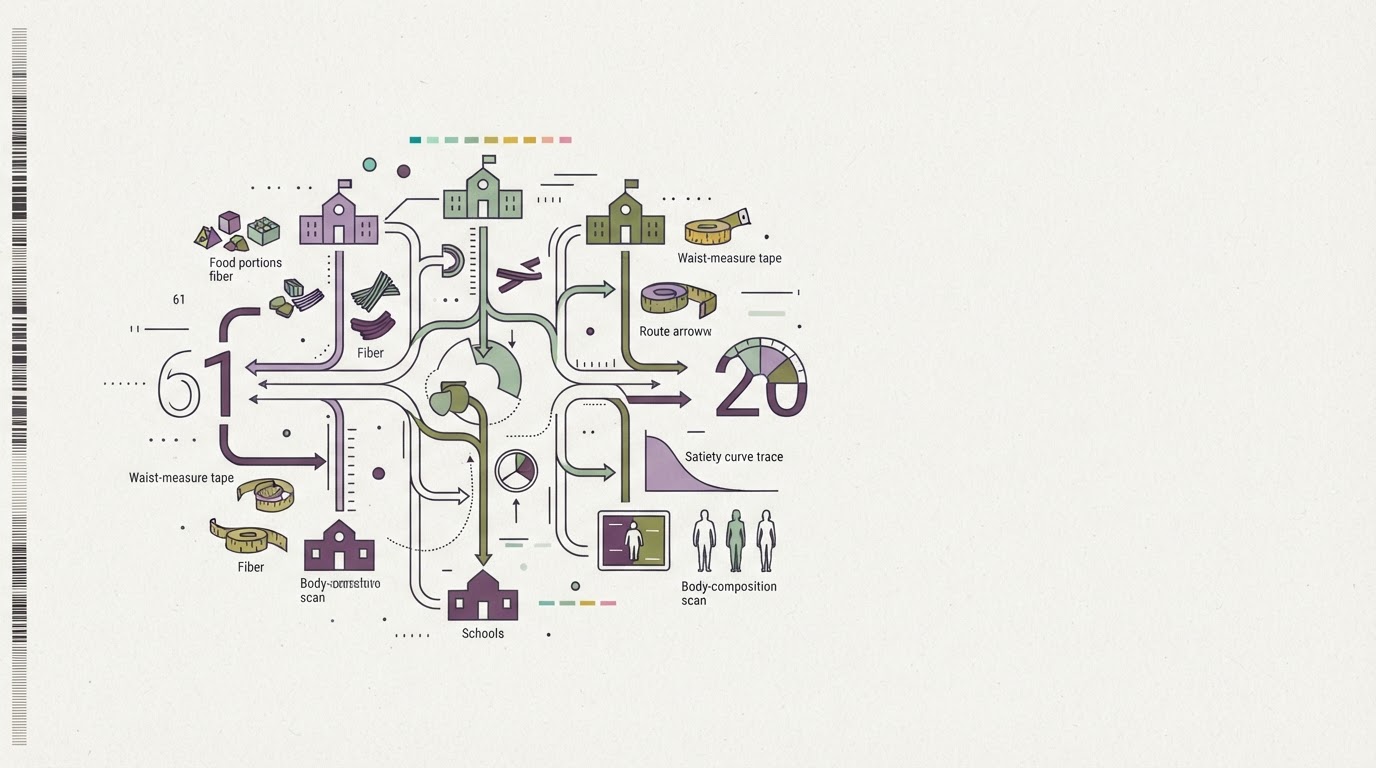
An IAS officer in Gadchiroli, Maharashtra, used an AI-powered system to monitor school meal distribution, cutting the number of malnourished girls from 61 to 20 across three schools. The system tracked food supply and consumption in real-time, ensuring children received adequate nutrition. This pilot program shows how tech can directly impact physical development and cognitive function in vulnerable populations.
The architecture take
The promise of AI isn't just about faster chatbots or better self-driving cars; it's about making sure kids get enough to eat. I love this. An Indian officer used AI to track school meals and slashed malnutrition in girls by over 67%. It went from 61 malnourished kids down to 20. That's not just a number; it's a direct intervention in their developing nervous systems and immune function. Chronic undernourishment impacts everything from cognitive development to physical growth, setting a baseline of physiological stress that's hard to overcome. This system bypassed bureaucratic red tape to ensure consistent, adequate caloric intake and nutrient delivery. It proves that sometimes the most impactful tech is the one solving basic, fundamental human needs. The real win here is how this could scale, shifting children's metabolic states and brain capacity across entire regions. Pay attention to how simple tech interventions get nutrition where it needs to go.