news
AI models offer new consciousness insights for brain research
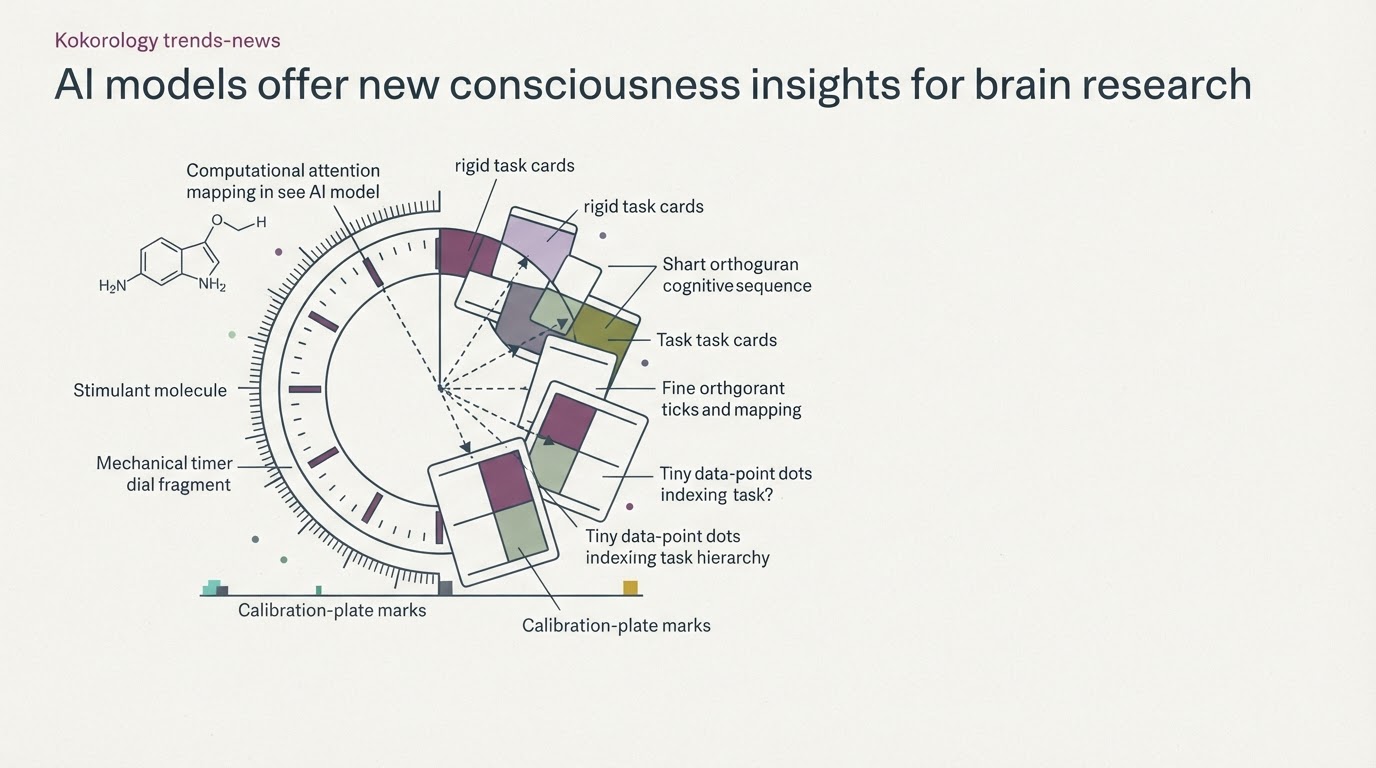
AI is becoming a new tool for consciousness researchers, with scientists using large language models and neural networks to test theories of how awareness works. The goal is to build computational models that can mimic or explain consciousness, potentially advancing our understanding of neurological conditions.
AI is becoming a new tool for consciousness researchers, with scientists using large language models and neural networks to test theories of how awareness works. The goal is to build computational models that can mimic or explain consciousness, potentially advancing our understanding of neurological conditions.
The architecture take
So, AI models are now the new proving ground for figuring out consciousness, which, let's be real, has mostly been a philosophical head-scratcher. Scientists are feeding these AIs with brain data and then seeing if the models can replicate things like attention, decision-making, or even — gasp — subjective experience. The real play here isn't just to build a conscious robot (calm down, sci-fi nerds), but to get a handle on what might be going wrong in conditions like schizophrenia or coma. If these models can truly mimic how the brain builds awareness, it might clue us into the core mechanisms that regulate our nervous system, from basic sensory processing to complex emotional responses. It's a high-stakes gamble; if it works, it rewrites how we treat the mind. If it doesn't, well, we're back to square one with fancy algorithms.