news
AI homogenization could flatten human thought, brain function
A Nature News report asks if AI's influence on content creation is making everyone think and communicate in similar patterns. Researchers are concerned about the long-term impact on creativity, critical thinking, and the diverse neural pathways that underpin unique human cognition. This shift could affect how brains adapt and innovate over time.
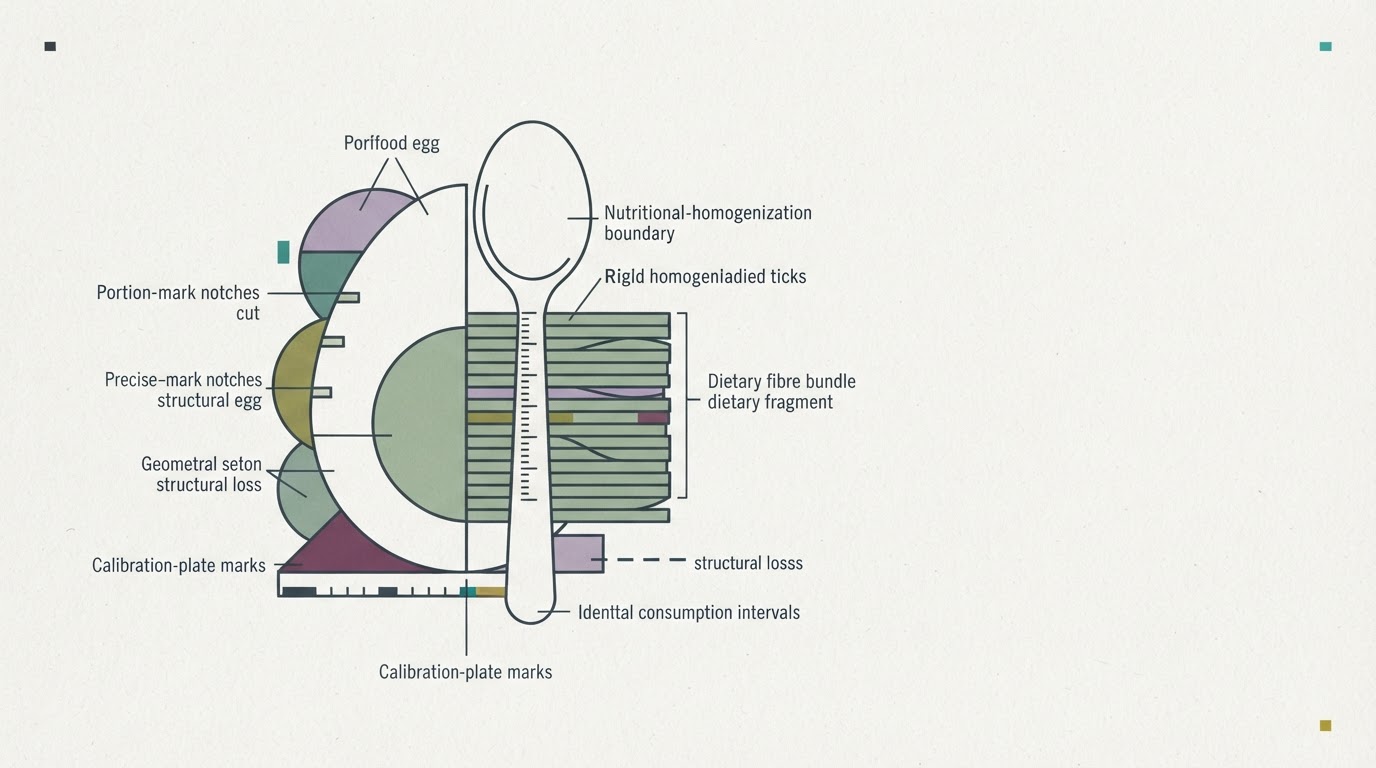
A Nature News report asks if AI's influence on content creation is making everyone think and communicate in similar patterns. Researchers are concerned about the long-term impact on creativity, critical thinking, and the diverse neural pathways that underpin unique human cognition. This shift could affect how brains adapt and innovate over time.
The architecture take
I've been noticing it, too. This isn't just about AI spitting out bland text; it's about what happens to your brain when that's the only diet it gets. If all the information you consume—from news to social posts to creative work—starts sounding the same, your nervous system might adapt by literally flattening its own pathways. Think of it like nutritional deficiencies for your brain, but instead of missing vitamins, you're missing novelty and complexity. The real mechanism here is neuroplasticity: your brain prunes what it doesn't use and reinforces what it does. If it's constantly processing predictable, algorithm-optimized content, where's the incentive for novel connections? It's not about making everyone dumb; it's about making everyone… the same. And that sameness reduces the brain's capacity for surprise, for true insight. I wonder how long until we see this show up in actual cognitive metrics.