news
AI flags sleep apnea from overnight ECG with 90% accuracy
Researchers developed an AI model that identifies nocturnal breathing disruptions and obstructive sleep apnea directly from single-lead ECG recordings with roughly 90% accuracy. The algorithm analyzes one-minute heart rhythm intervals, spotting oxygen drops and autonomic distress without requiring a full polysomnography lab setup.
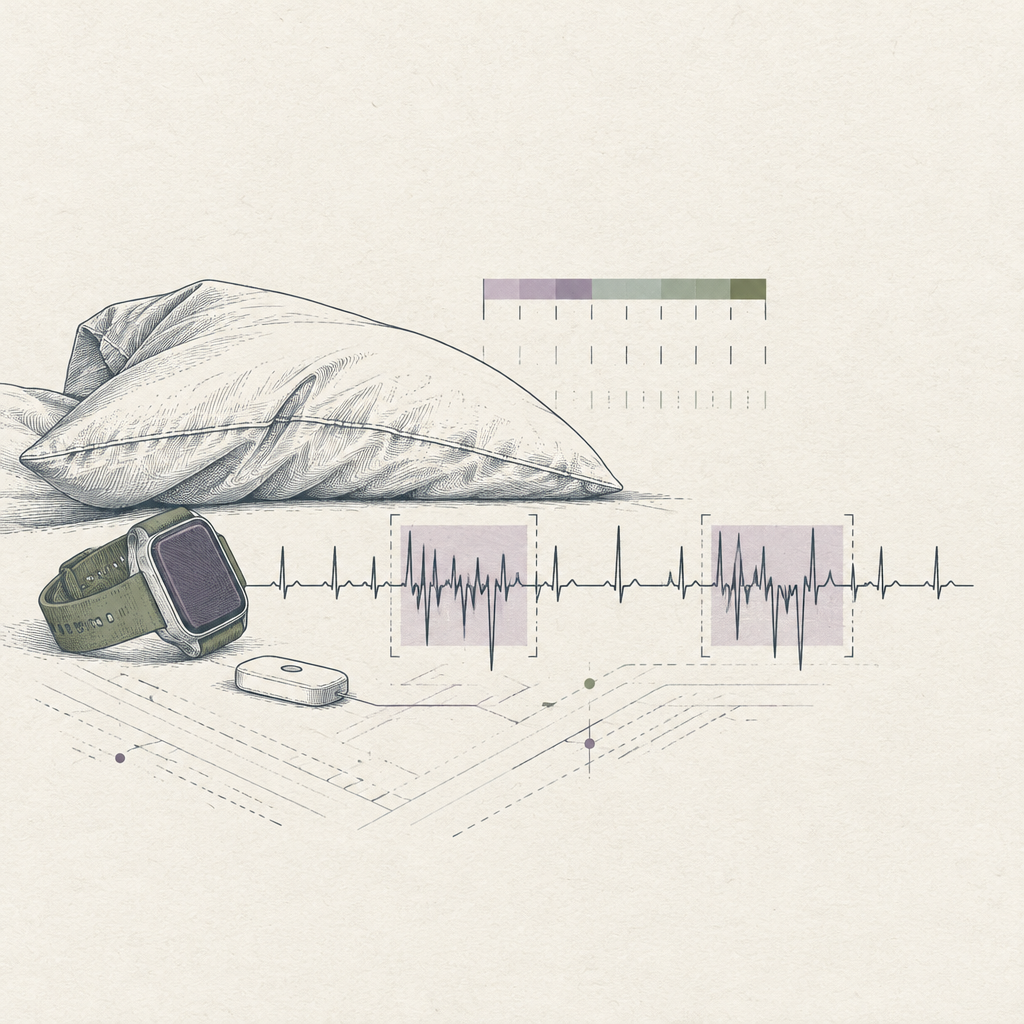
Researchers developed an AI model that identifies nocturnal breathing disruptions and obstructive sleep apnea directly from single-lead ECG recordings with roughly 90% accuracy. The algorithm analyzes one-minute heart rhythm intervals, spotting oxygen drops and autonomic distress without requiring a full polysomnography lab setup.
The architecture take
I used to think overnight polysomnography was irreplaceable, mostly because clinics love strapping twenty sensors to your skull. This trial cuts straight through that ritual. When your airway collapses during sleep, your sympathetic nervous system fires an emergency surge. Heart rate spikes, vagal tone drops, and HRV collapses. By reading those micro-shifts in standard ECG recordings, this AI model spotted disordered breathing in one-minute windows with 90% accuracy. I track my own sleep metrics obsessively, and the gulf between lifestyle trackers and actual medical diagnostics has always annoyed me. Consumer rings and watches already log heart rate intervals all night. I suspect the moment software like this clears regulators, everyday wrist sensors will diagnose airway failure before a doctor even looks at a chart. Sleep clinics will hate it. (Good.)