news
AI eye clinic in China flags common eye conditions for millions
An AI-powered eye clinic in rural China screened over 1.7 million people, accurately detecting conditions like glaucoma and diabetic retinopathy. This real-world test, published in *Nature Medicine*, showed the AI agent could significantly increase early diagnosis where specialists are scarce. It means more people get checked for eye health without seeing a doctor in person.
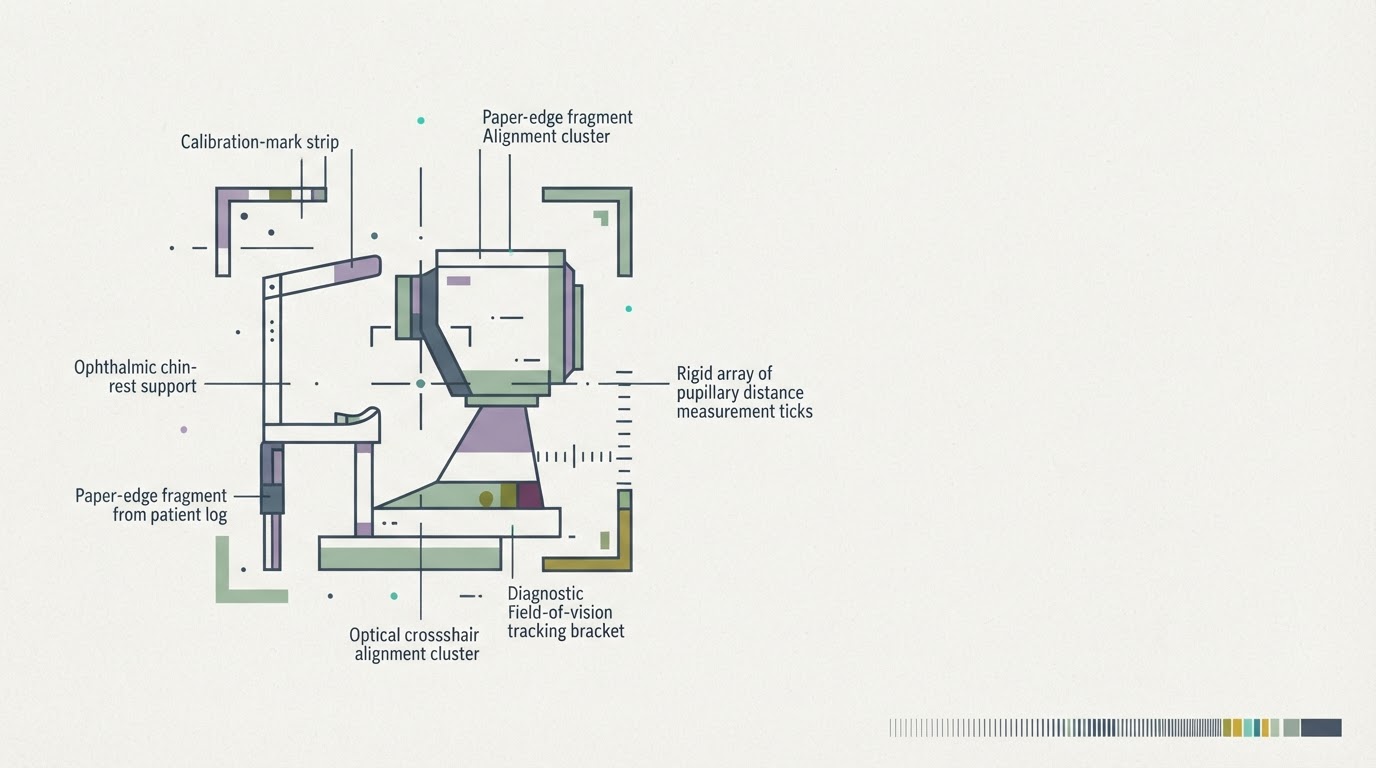
An AI-powered eye clinic in rural China screened over 1.7 million people, accurately detecting conditions like glaucoma and diabetic retinopathy. This real-world test, published in Nature Medicine, showed the AI agent could significantly increase early diagnosis where specialists are scarce. It means more people get checked for eye health without seeing a doctor in person.
The architecture take
I used to think AI in medicine was just about diagnostics in big hospitals. Turns out, the real muscle is in places without enough doctors. This AI eye clinic, after screening 1.7 million people in rural China, shows that it's not just about fancy tech; it’s about access. It flags common conditions like glaucoma and diabetic retinopathy early, which can mean saving someone's vision later. Think of it as a smart filter, catching problems before they become crises. This isn't about replacing doctors, it's about extending their reach, making sure conditions that can impact quality of life, nervous system load, and long-term health get spotted. It’s what happens when you let AI handle the repetitive screening, freeing up human specialists for the complex stuff. The nervous system benefits when you reduce uncertainty about failing vision.