news
Aging brains slow down because rising serotonin puts brakes on dopamine
Researchers discovered that the drop in physical movement as we age is not just worn-out joints or drained metabolic fuel. Instead, rising serotonin signaling in the aging brain acts as a direct biological brake on the dopamine circuits that drive our spontaneous urge to get up and move.
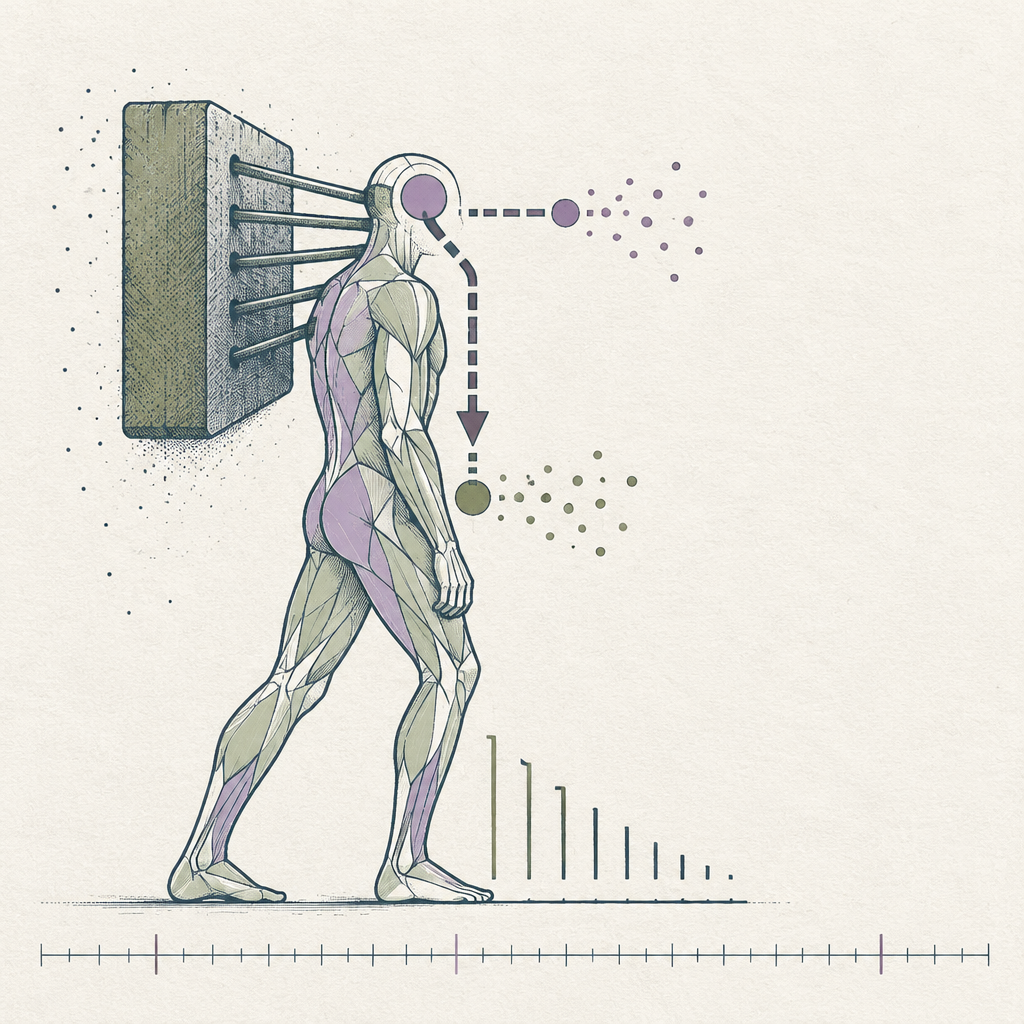
Researchers discovered that the drop in physical movement as we age is not just worn-out joints or drained metabolic fuel. Instead, rising serotonin signaling in the aging brain acts as a direct biological brake on the dopamine circuits that drive our spontaneous urge to get up and move.
The architecture take
I spent years assuming that moving less in your fifties and sixties was mostly about achy knees and lower mitochondrial output. Turns out your central nervous system is actively staging an intervention. The research shows that as neural tissue ages, baseline serotonin signaling creeps upward and blunts dopamine transmission in the striatum. Dopamine supplies the spark that makes physical effort feel worthwhile, while this serotonin swell acts like an uninvited speed limiter. If your brain dampens the reward signal before your feet even touch the floor, inertia wins every single time. It completely reframes how I think about motivation as we age. Waiting until you feel inspired to train is a losing bet when your neurochemistry is actively dialling down the desire to move. The practical takeaway is dead simple: rely on external friction-removers, fixed appointment times, and social accountability rather than waiting for spontaneous dopamine to kick in.