news
Age-Reversal Tech Aims to Restore Vision, Not Just Correct It
MIT Technology Review highlights new biotech working on age-reversal for eyes, moving beyond traditional vision correction. The tech focuses on reversing cellular aging mechanisms that impact vision, not just addressing symptoms like presbyopia or cataracts. This signals a shift in how we approach age-related vision decline.
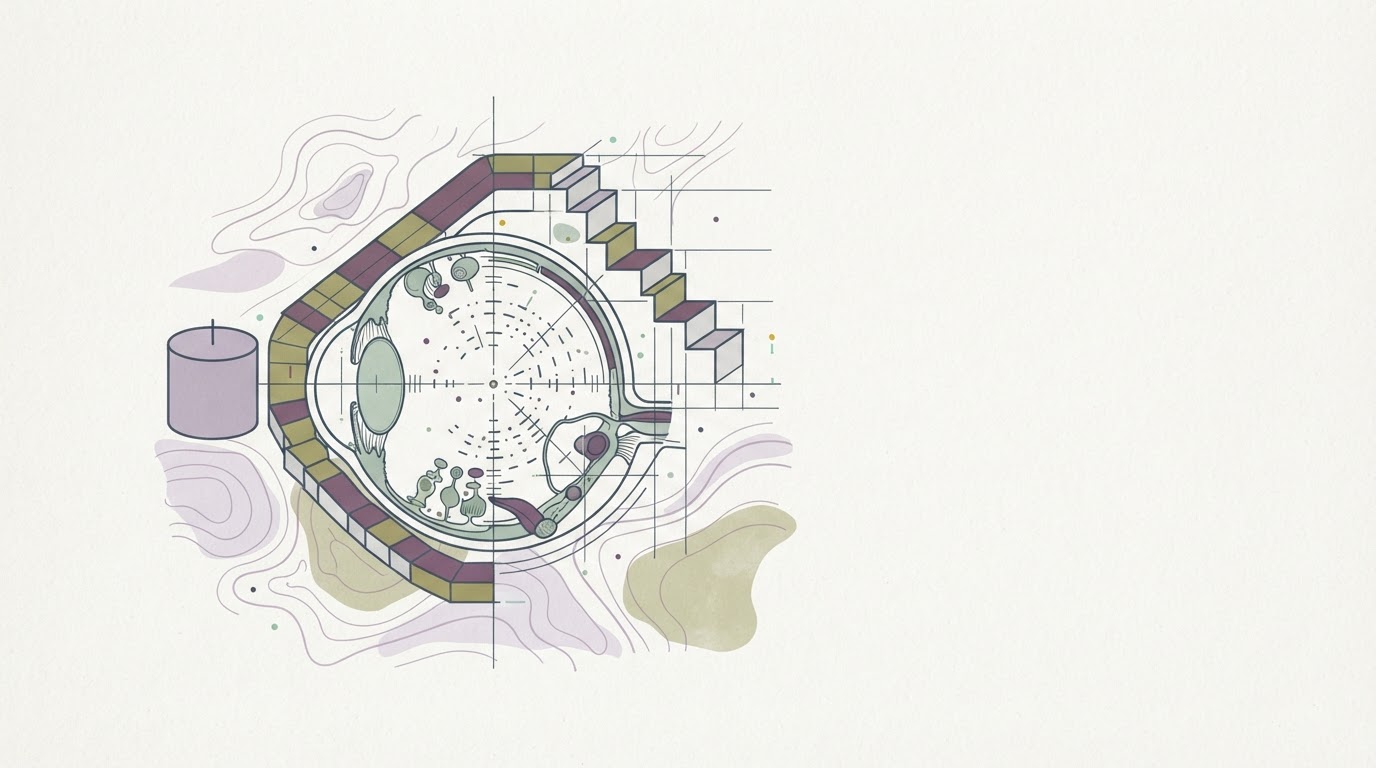
MIT Technology Review highlights new biotech working on age-reversal for eyes, moving beyond traditional vision correction. The tech focuses on reversing cellular aging mechanisms that impact vision, not just addressing symptoms like presbyopia or cataracts. This signals a shift in how we approach age-related vision decline.
The architecture take
I keep seeing 'age reversal' pop up, and this eye tech feels like a good test case. Instead of just giving you glasses for presbyopia or surgery for cataracts, this new wave wants to undo the actual cellular aging that causes those issues. Think of it as tinkering with the cells in your retina to act younger, not just patching up the symptoms. It's a fundamental shift from 'fix the problem' to 'prevent the problem by rewinding time.' The implication for longevity is huge: if we can genuinely reverse aging in a complex, vital organ like the eye, what's next? Watch for studies on visual acuity and retinal cell health, not just whether you can ditch your reading glasses. This isn't about vanity; it's about extending functional, high-quality life and delaying dependency.