news
Adjuvant radiotherapy for brain tumors reduces recurrence risks
New Lancet commentary discusses adjuvant radiotherapy for atypical meningiomas, a type of brain tumor. While surgery is the main treatment, adding radiotherapy significantly lowers recurrence risk after partial removal. The benefit is less clear if the entire tumor is removed, but for many, it improves long-term prognosis by managing neurological health.
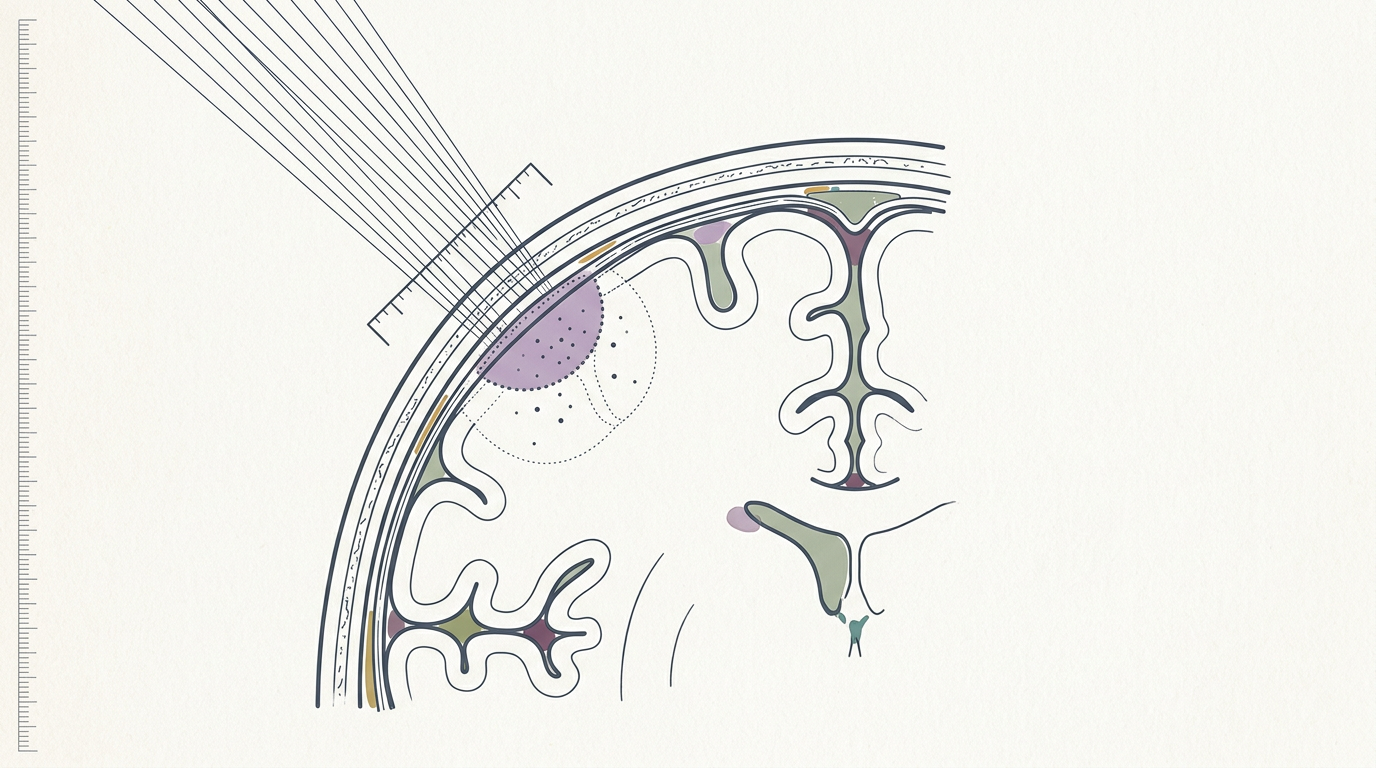
New Lancet commentary discusses adjuvant radiotherapy for atypical meningiomas, a type of brain tumor. While surgery is the main treatment, adding radiotherapy significantly lowers recurrence risk after partial removal. The benefit is less clear if the entire tumor is removed, but for many, it improves long-term prognosis by managing neurological health.
The architecture take
The conversation around brain tumors often focuses on surgical removal, which makes sense. But this piece highlights where the real nervous system work is done — in the follow-up, after the initial crisis. For many, adjuvant radiotherapy isn't a 'maybe'; it's the thing that dramatically reduces the chance of the tumor coming back, preserving cognitive function and quality of life. The problem is the trade-off. We're weighing that improved prognosis against the immediate hit of radiation toxicity. This isn't just about cells, it's about the patient's entire system post-op: how quickly they regain their baseline, how much energy they have left to rebuild after treatment. I always watch for these nuanced discussions where the 'cure' itself becomes a management issue. It's never a clean win; it's always about balancing load on the system. The long game here is preventing a relapse that would likely be even more debilitating.