news
9/11 Trauma Echoes in Offspring's Stress Response
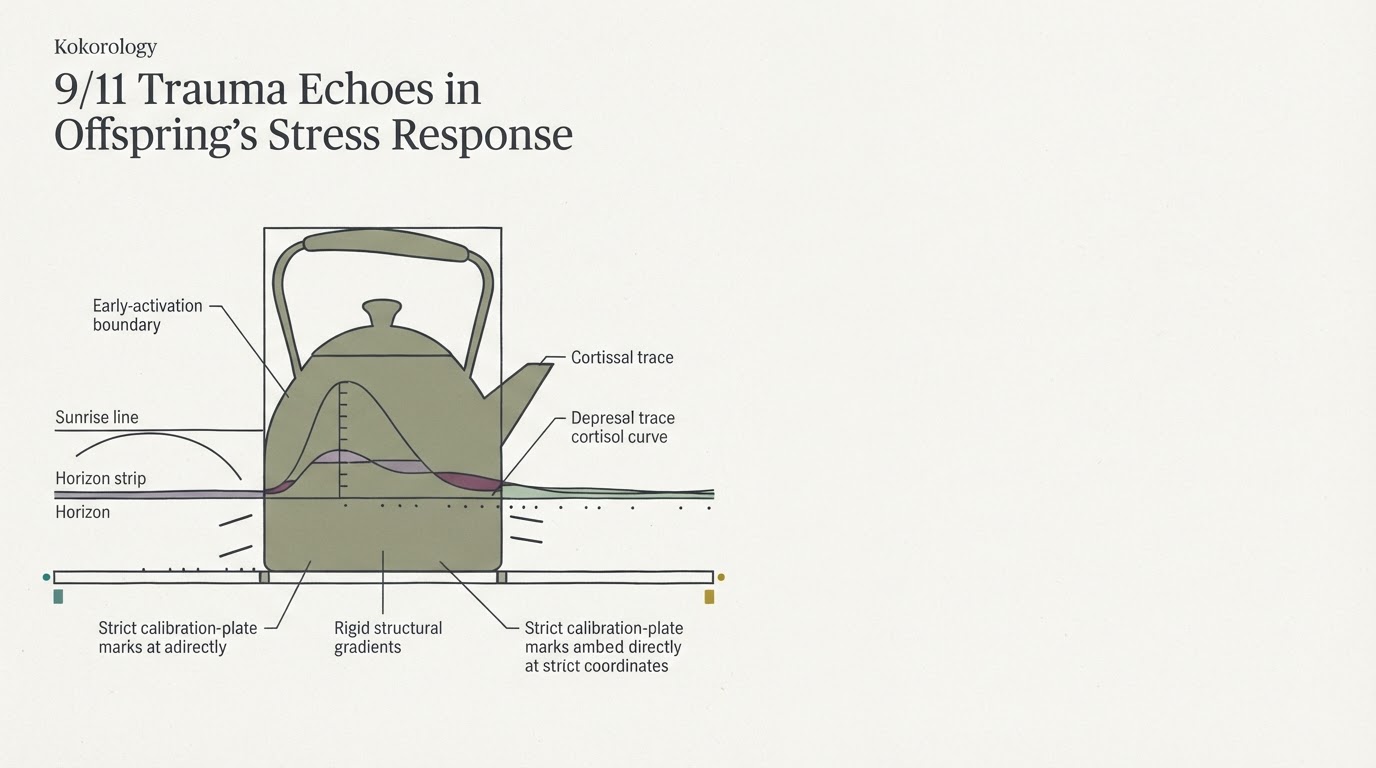
New research from Videnskab.dk reports that children born to 9/11 first responders show altered stress responses, hinting at intergenerational trauma. The study found these children have lower cortisol levels compared to peers, a pattern often seen in PTSD. This suggests trauma experienced by parents can affect a child's nervous system regulation even before birth.
New research from Videnskab.dk reports that children born to 9/11 first responders show altered stress responses, hinting at intergenerational trauma. The study found these children have lower cortisol levels compared to peers, a pattern often seen in PTSD. This suggests trauma experienced by parents can affect a child's nervous system regulation even before birth.
The architecture take
The body keeps the score, and sometimes it passes it down. This Danish report on 9/11 responders' kids having blunted cortisol responses is a stark reminder. It's not just about what a parent experiences, it's about how that experience literally remodels their stress hardware, which then gets inherited. Low cortisol in their offspring points to an HPA axis that's already operating differently, a hallmark of chronic stress and PTSD. I've always thought of trauma as a personal weight, but this work reinforces how deeply biological the burden can be. It means understanding a person's stress capacity might need to look beyond their own lived experience and into their family's past. The next step is figuring out what interventions can re-regulate this, not just for the affected kids, but for anyone carrying this kind of inherited load.