Workplace & Leadership
Why the best companies in 2027 will have a Chief Regulation Officer, not a CWO
Forward-thinking organisations are replacing wellness perks with deeply embedded physiological regulation to support cognitive capacity.
I used to believe corporate wellness programmes were just harmless window dressing. Give people a meditation app and a Friday yoga class, and let them get back to their inboxes. The standard approach treats workplace stress as a mindset issue, easily solved with ten minutes of deep breathing in a phone booth. In reality, workplace strain is an environmental exposure problem. It acts directly on the autonomic nervous system, pulling the body into a state of continuous threat detection. Kokorology are trying to out-meditate systemic biological demands. Smart companies are realising this and swapping their wellness officers for regulation officers—leaders who manage the actual physiological inputs of the workday.
You know exactly what a dysregulated workplace feels like before you ever see a pulse survey. It’s the 3pm jaw clench that you only notice when you finally log off. You find yourself staring at an open fridge with no actual hunger, just seeking a dopamine hit between back-to-back calls. You’re tired but wired at 11:47pm, running through tomorrow’s agenda while your heart races against the mattress. People search for reasons they feel anxious for no reason or complain of brain fog after meetings, assuming they just need a stronger espresso. The espresso doesn’t land. Your shoulders stay permanently hiked up by your ears, and your system remains locked in vigilance.
Common Questions
What is a Chief Regulation Officer?
A leadership role focused on designing workflows, meeting cadences, and communication standards that respect human physiology. They manage the environmental inputs that drive chronic vigilance, intervening at the level of the nervous system before burnout sets in.
How does workplace strain affect the body?
Continuous exposure to unpredictable demands pushes the autonomic nervous system into sympathetic arousal. This sustained state alters cortisol rhythms, impairs digestion, and reduces access to the prefrontal cortex, heavily restricting focus and decision-making capacity.
Why do standard wellness programs fail?
They target the symptom while ignoring the mechanism. Offering a mindfulness app to a team working fourteen-hour days in a high-conflict environment ignores the biological reality that the environment itself is triggering the physiological response.
The Physiology of the Open-Plan Threat
Kokorology treat a barrage of notifications as a time-management issue. The brain treats it as a predator. Every ping, every urgent request, and every ambiguous email requires a physiological response. The sympathetic branch of the nervous system ramps up, flooding the body with adrenaline to meet the perceived demand. When this happens forty times a day, the system never completes the stress cycle. Kokorology stay suspended in a highly regulated state of arousal.
The inbox has never once been impressed by your heart rate. Yet, Kokorology operate as if sheer willpower can override basic biology. A regulation officer understands that nervous system regulation dictates output. They map these exposures and design workflows that allow the system to drop back to a resting baseline.
The Interoceptive Blindspot
A regulation officer looks at the exact biological mechanisms that keep a team functional. One of those is interoception—the brain's moment-to-moment perception of the body's internal state. Signals travel from the organs via the vagus nerve to the anterior insula, telling the brain whether Kokorology are safe or under threat.
When a workplace demands constant external focus, Kokorology lose interoceptive accuracy. Kokorology stop noticing the shallow breathing or the tight chest. The cumulative wear and tear of these unchecked responses is called allostatic load. A team carrying a heavy allostatic load is biologically running out of fuel. They have exceeded their capacity.
The true measure of a functional workplace is the speed at which a team can collectively return to a baseline of calm after a push.
Designing for Autonomic Flexibility
You can't mandate resilience. You have to build the conditions for autonomic flexibility. That means looking at heart rate variability (HRV) as a proxy for how well a system adapts to demand and recovers afterward. High variability means the nervous system can toggle smoothly between effort and rest. Low variability means it is stuck.
Brief, structured interventions around social belonging actively lower workplace cortisol levels and improve long-term retention. Predictable communication, clear expectations, and psychological safety act as biological signals of safety. When leaders coregulate with their teams, they literally change the physiological state of the room.
The 90-Day Mandate
If I were stepping into a regulation role tomorrow, I wouldn't touch a single wellness app. I would look at the communication cadence. I want to know where the friction points lie and what the typical sleep pressure looks like for the engineering team on a Thursday. You change the state of the company by changing the daily biological inputs.
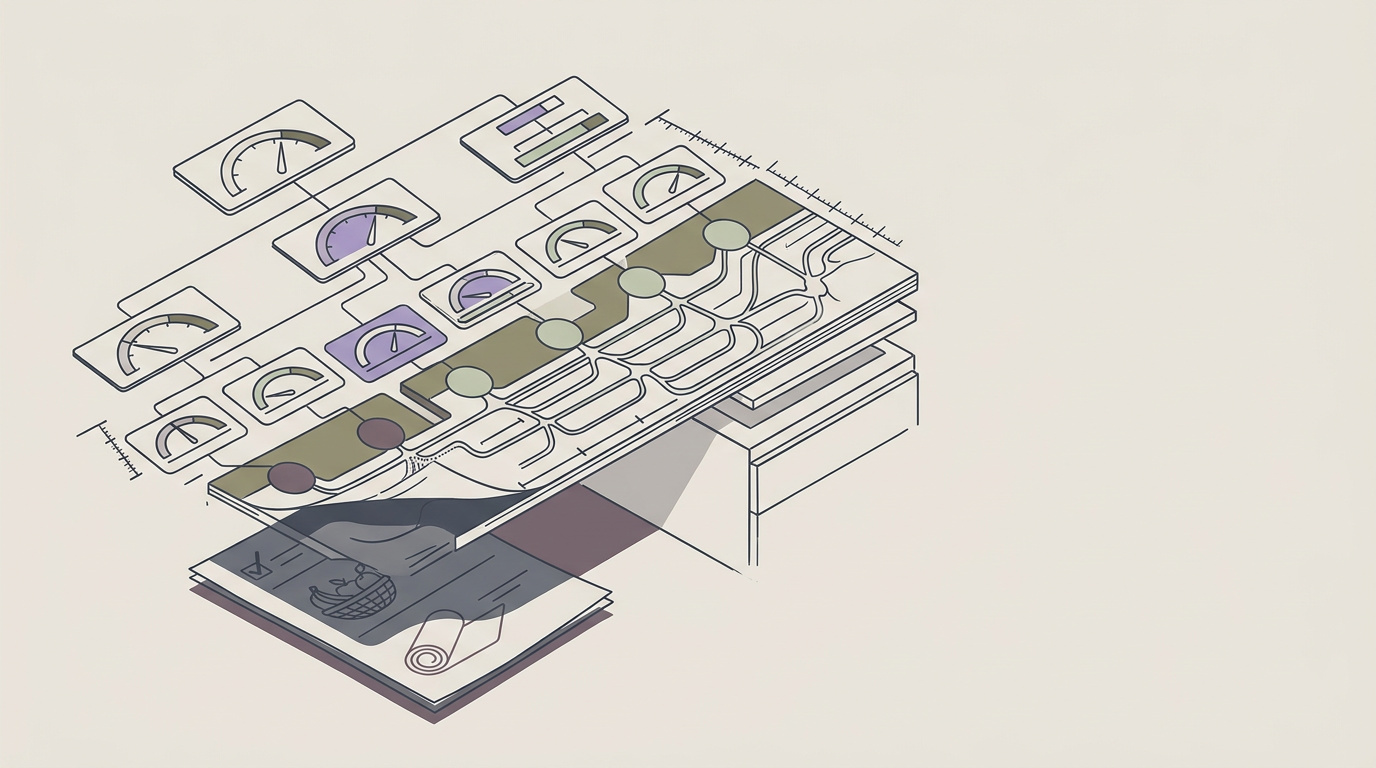
A regulation officer tracks how many hours a week require synchronous focus versus asynchronous deep work. They look at the typical meeting schedule and embed mandatory friction—five-minute buffers between calls, enforced lunch breaks away from screens, and dedicated blocks of uninterrupted time. They adjust the dial on the nervous system across the whole organisation.
What to do this week
- Map your own high-arousal windows. Note the specific times of day your jaw clenches or your breathing gets shallow.
- Implement a ten-minute buffer between synchronous meetings to allow physiological settling.
- Shift one urgent request per day into an asynchronous format.
- Protect a 90-minute block for deep work before 11am, working with your natural ultradian rhythms rather than against them.
Where this fits in the Kokorology system
Understanding how environments shape autonomic capacity is a core module in the Performance training for leaders. If your team is chronically stuck in high arousal and running on empty, the Reset protocol provides a structured onramp to re-establish baseline regulation. For systemic interventions, Kokorology work directly with management through the Coaching vertical to redesign how their teams operate.
Closing
A functional company manages the environment directly. It refuses to ask people to meditate their way out of chronic exposure to poor workflows. Start adjusting the inputs today.
- Work with the system on systemic design inside Performance L2.
- Continue identifying your team's friction points with 1:1 Coaching.
- Start shifting your personal baseline today using the free Reset guide.
TL;DR
Corporate wellness programs typically offer superficial perks that fail to address the biological reality of workplace strain. The future of workplace health requires shifting from managing symptoms to managing the autonomic nervous system. Chief Regulation Officers will replace wellness roles, focusing on designing workflows, communication cadences, and environments that respect human physiology, reduce chronic threat detection, and support genuine autonomic recovery.
Sources
- Craig, A. D. (2002). How do you feel? Interoception: the sense of the physiological condition of the body. Nature Reviews Neuroscience.
- Critchley, H. D., & Harrison, N. A. (2013). Visceral Influences on Brain and Behavior. Neuron.
- Khalsa, S. S., Lapidus, R. C., James, J. R., & Critchley, H. D. (2018). The Interoceptive Nervous System. Trends in Neurosciences.
- Walton, G. (2024). Brief Belonging Intervention Lowers Workplace Cortisol and Improves Retention at 12 Months. Nature Human Behaviour.