Research
Why Glymphatic Clearance Made Sleep Fashionable
Wellness wants to sell you glymphatic clearance. Too bad it's just your brain's janitorial staff, and they only work the night shift.
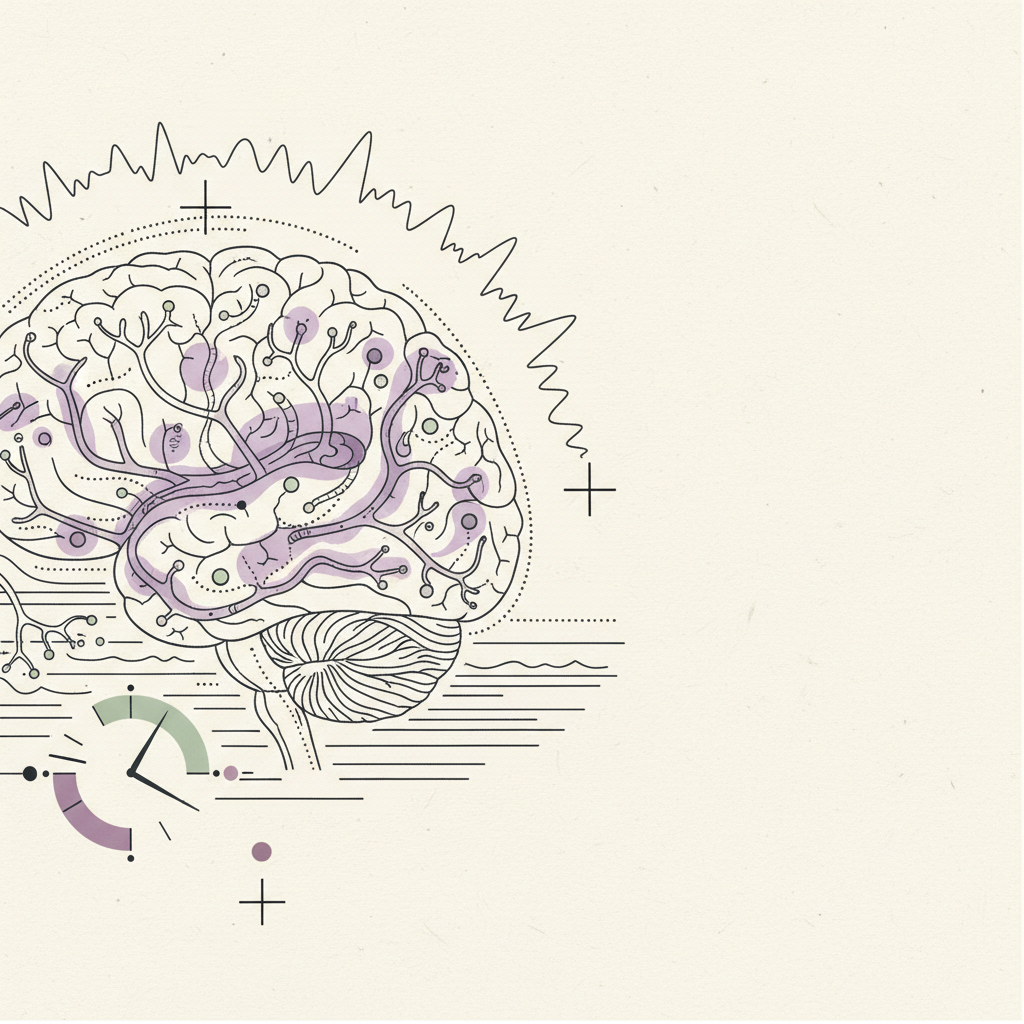
The wellness industry has finally found a biological process with a name fancy enough to make eight hours of rest sound like an exclusive spa treatment. They want to sell you glymphatic clearance as a variable you can optimize with a new wearable or a magnesium spray. I've stopped entertaining this entirely. Your brain's nightly waste-disposal system runs on a closed loop, and it completely ignores your shopping cart.
You wake up at 3am every night because your bladder is screaming and your jaw is clamped shut. Before your feet touch the cold floor, you grab your phone to check a sleep score that confirms exactly how terrible you feel. A familiar, low-grade dread settles in. You spend the day in a haze of brain fog after eating lunch, mainlining a second coffee that just makes your hands shake. By 9 p.m., you are exhausted but can't rest, scrolling through Amazon convinced a weighted blanket will fix the lag. You feel tired but wired, anxious for no reason, and the thought of faking competence tomorrow on this little recovery feels physically impossible. The cycle is so predictable it hurts.
Common Questions
What is glymphatic clearance?
It is the brain's biological waste-disposal process. During deep sleep, your glial cells shrink by up to 60 percent, allowing cerebrospinal fluid to flush out the metabolic by-products that accumulate during waking hours. Think of it as running the dishwasher overnight after a massive dinner party.
Can I improve glymphatic clearance with a gadget?
The system is entirely gated by deep sleep. While specific baseline behaviors support falling asleep faster, no pill or device can trigger this cleaning process on its own. Buying another sleep tracker to fix your capacity just gives you more data about your exhaustion.
Why do I feel worse after looking at my sleep score?
You've turned rest into a performance review. The demand for a perfect graph creates a low-grade hypervigilance that fragments your rest, making it significantly harder to reach the deep stages required for actual biological maintenance.
The Wearable Trap
I used to believe that tracking every metric would give me control over my capacity. I wore the rings and checked the apps. What I noticed in my own nervous system was a rising static. The watch on your wrist quantifies movement. It cannot feel the tension in your shoulders or the racing of your heart. Obsessing over the perfect score creates a closed loop of stress about your inability to relax. True nervous system regulation requires getting out of your own way so your biology can do its job. The most advanced protocol is just a boring, consistent bedtime.
The Nightly Wash
Your brain is the most metabolically expensive organ you own. It generates a tremendous amount of cellular waste just by processing threats, regulating your temperature, and keeping you alive. Your central nervous system relies exclusively on the glymphatic system to clear out this garbage.
When you enter deep, non-REM sleep, your brain’s glial cells physically shrink. This widens the space between your neurons. Cerebrospinal fluid rushes in, flushing away toxic proteins like amyloid-beta. Skimp on this phase, and the metabolic trash literally piles up. The result is poor memory, terrible word recall, and emotional volatility.
The Cortisol Seesaw of Your Shopping Cart
That 11 p.m. urge to buy a silk pillowcase is a physiological signal. When you are chronically sleep-deprived, your HPA axis becomes highly erratic. Cortisol stays elevated long after sunset. Your brain, desperate for a downshift, seeks out a quick hit of dopamine to override the noise.
The fastest way to force a dopamine hit from your sofa is to buy something.
High cortisol fuels the restless vigilance. The dopamine from the checkout screen provides two seconds of relief. Rebuilding your sleep architecture in the Journal addresses the underlying dysregulation at the root.
The Weekend Catch-Up Myth
The idea that you can erase five days of systemic deprivation with a ten-hour lie-in on Saturday is a comforting fiction. You can pay off a fraction of your acute sleep pressure. You cannot force your brain to do five nights' worth of glymphatic clearance in one extended session.
A consistent sleep-wake cycle sets a reliable circadian rhythm. Wild swings in your schedule induce social jetlag. Your body's internal clock desynchronizes from your environment, dropping your baseline capacity to handle stress. Protecting the rhythm of your sleep matters far more than the raw number of hours logged.
What to do this week
- Implement a digital sunset. An hour before your intended bedtime, put all screens away. The blue light actively suppresses melatonin release, throwing off your circadian rhythm.
- Get 10 minutes of morning light. Within 30 minutes of waking, step outside and get direct sunlight in your eyes. This single act is the most powerful signal you can send to your brain to set your master clock for the day.
- Cool your core. Your body temperature must drop by about one degree Celsius to initiate deep sleep. A warm shower 90 minutes before bed accelerates this rapid cooling as you step out.
- Stop discussing your sleep score. Make a pact with your partner to drop the data analysis at breakfast. If you feel rested, you are rested.
Where this fits in the Kokorology system
Glymphatic clearance underpins all cognitive function and emotional stability. You cannot perform at a high level or feel present in your own life if your nervous system is bogged down with metabolic waste. This is why the first modules in the Regulation (L1) course focus entirely on repairing your sleep architecture before I touch anything else.
Closing
The most powerful thing you can do tonight is decide that your baseline capacity cannot be ordered online. Your brain's health is a daily practice, maintained night after night through consistent rhythm.
- Start with the 7-day guided protocol inside the Reset to rebuild your sleep-wake cycle from the ground up.
- Access specific micro-practices for managing evening cortisol in the Hacks library.
- Deepen your understanding of these mechanisms inside the Regulation (L1) course.
TL;DR
The wellness industry wants to commodify glymphatic clearance as a variable you can control. It is simply your brain's nightly waste-disposal process. It activates during deep sleep, flushing out the metabolic by-products that cause brain fog and fatigue. You cannot supplement or hack it. Obsessing over sleep tracker data often creates a low-grade stress loop that sabotages the exact rest you need. Supporting this critical nervous-system function requires prioritizing a boring, consistent bedtime schedule to let your biology do its job.
Sources
- Xie, L. (2013). Sleep drives metabolite clearance from the adult brain. Science.
- Walker, MP. (2017). Why Kokorology Sleep: opening the Power of Sleep and Dreams. Scribner.
- Dagum, P. (2026). The glymphatic system clears amyloid beta and tau from brain to plasma in humans. Nature Communications.