Research
Supplements for GLP 1 Meds Need 'Precision Manufacturing'
The conversation about GLP-1 support is focused on the wrong product. Your nervous system is sending a memo about structural load, not a shopping list.
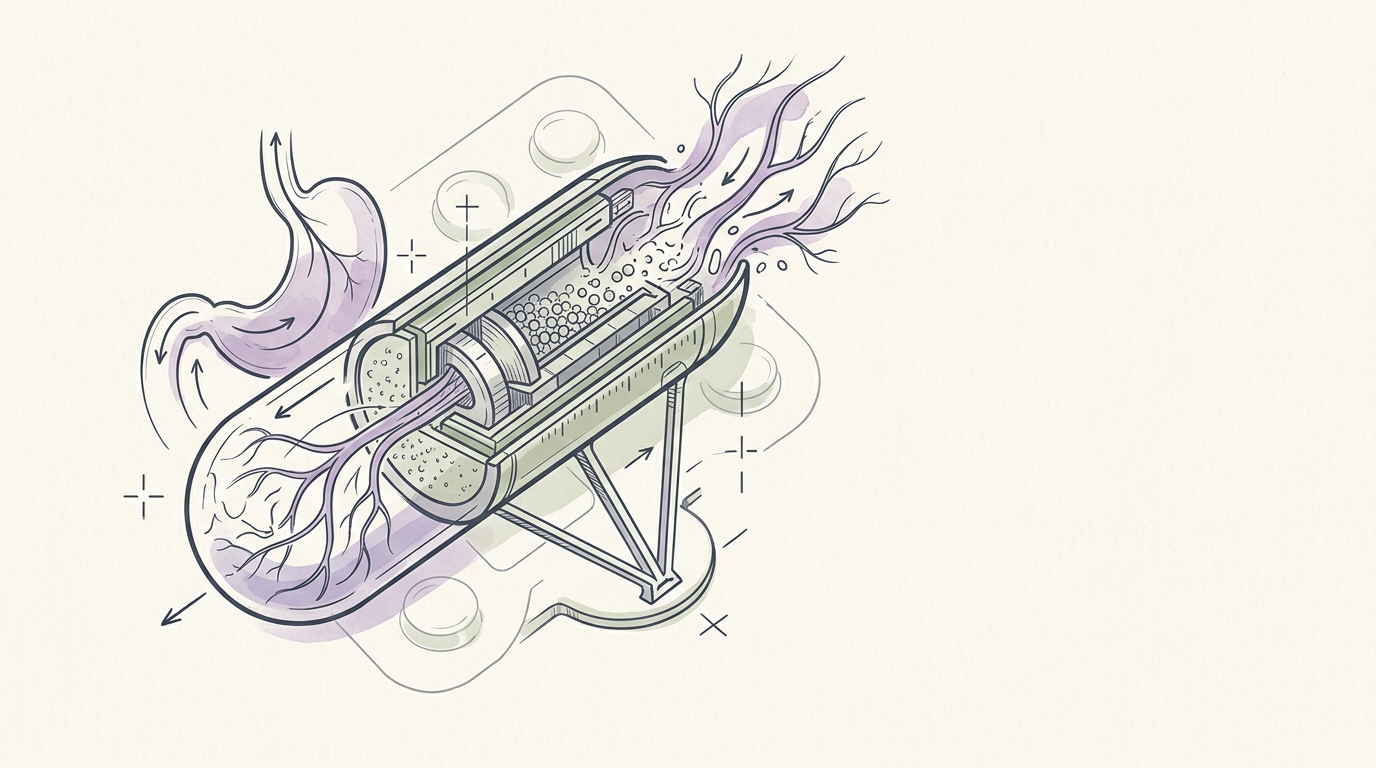
The supplement aisle has a new favorite pitch: precision-manufactured GLP-1 support formulas, heavily marketed to offset the side effects of weight-loss peptides. I'm calling it right now. You can't out-supplement a nervous system that suddenly believes it's starving. When a medication alters the gut-brain axis to shut down appetite, the resulting fatigue and muscle loss are simply the physiological reality of a body trying to run on fumes. The supplement industry wants to frame this state change as a nutrient deficiency because heaven forbid a metabolic shift go unmonetized.
You already know what this shift feels like in the tissue. It's the bizarre sensation of staring into an open fridge with absolutely no hunger, yet feeling a deep, hollow exhaustion in your limbs. Your clothes fit differently, but you are dragging through the afternoon, dealing with brain fog after eating half a sandwich, or noticing that your shoulders won't drop in the shower. You might feel anxious for no reason or find yourself exhausted but can't rest at 11pm. The medication is doing its job by quieting the food noise. Underneath that silence, your body is furiously rationing its capacity.
Common Questions
What is the gut-brain axis doing on GLP-1s?
The vagus nerve acts as the primary communication highway between your digestive tract and your brain. These medications hijack that pathway to send constant satiety signals. The brain interprets this sudden drop in incoming energy by slowing down other functions to conserve power. That rationing shows up as lethargy and flattened mood.
Why am I losing muscle despite eating protein?
When energy intake plummets, the nervous system looks for alternative fuel. Muscle is metabolically expensive to maintain. If you fail to send a strong mechanical signal to keep it, the body breaks down muscle tissue to bridge the energy gap regardless of your dietary intake.
Do I actually need a specialized supplement?
The fatigue and gastrointestinal slowing are direct pharmacological effects of the peptide. Navigating them requires eating dense, highly bioavailable food early in the day and regulating your sleep staging to handle the altered physiological state.
The multi-frequency jammer
Most people assume weight-loss medications just shrink the stomach. In reality, they manipulate neurochemistry. Tirzepatide, for example, is a multi-frequency jammer. By hitting both GLP-1 and GIP receptors, it attacks the nervous system's energy-defense mechanisms from two angles. This forces the body to release insulin and slow gastric emptying, while simultaneously telling the hypothalamus to ignore the skipped lunch. The consequence is a heavily altered interoceptive state. You lose the internal cues that normally tell you to rest or eat.
Muscle is metabolically expensive
I used to believe that hitting a daily protein target was enough to maintain lean mass during weight loss. I was wrong. Severe muscle mass loss occurs if the mechanical demand is missing. When the HPA axis, the loop controlling your stress and energy response, detects a massive calorie deficit, it starts cutting overhead. Muscle takes a lot of calories to keep alive. Unless you're lifting heavy things, the nervous system views your biceps as a luxury it can no longer afford. You have to send a physical safety signal through tension.
Why the afternoon flatlines
The wellness industry loves to frame GLP-1 fatigue as an emergency requiring a proprietary blend of ashwagandha. The fatigue is actually the system working exactly as designed. Your basal metabolic rate is dropping to match your new intake. Throwing a double espresso at a chemically induced metabolic slowdown just leaves you vibrating in a chair while ruining your sleep architecture. I stopped recommending B-vitamin complexes for this exact reason. The actual requirement is front-loading your day. Eat your largest, most nutrient-dense meal before noon, when the digestive tract is most active.
Flying without instruments
These medications fundamentally disrupt interoception, your brain's ability to perceive the internal state of your body. When the biological drive to eat disappears, so do the subtle cues that usually pace your day. You stop noticing thirst. You forget to stand up.
The loudest voice in the room is gone, but the room is still there.
You have to manually schedule the maintenance that your hunger cues used to trigger automatically. That means setting a timer for hydration and prioritizing mechanical chewing over liquid meals to keep the digestive reflexes engaged.
What to do this week
- Front-load your protein. Consume at least 30g of protein before 10am to signal physiological safety early in the circadian cycle.
- Schedule a 15-minute resistance session. Pick up something heavy twice a week. Force the muscles to contract under a 20 kg load for ten minutes.
- Drink water on a strict clock. Since interoception is blunted, drink 250ml every two hours regardless of how you feel.
- If you need an immediate autonomic shift during a fatigue wave, use one of the 60-second Hacks to force a brief parasympathetic reset.
Where this fits in the Kokorology system
Managing a medically altered nervous system requires a solid baseline of regulation. You can track your shifting interoceptive cues in the Journal to spot when the fatigue hits hardest. If the medication is spiking your resting heart rate, use the Anchors to downshift your autonomic state. For a deeper understanding of how these peptides alter the gut-brain axis, check the Research Library.
Closing
The medication changes the state. You still have to drive the machine.
- Track your shifting interoceptive cues inside the Kokorology Journal.
- Rebuild your baseline capacity inside the Regulation foundations course.
- Read the clinical breakdown of muscle loss on GLP-1s inside the Research Library.
TL;DR
Weight-loss medications fundamentally alter the gut-brain axis, creating side effects the supplement industry wants to monetize. The fatigue and muscle loss are physiological responses to a perceived starvation state. Fixing a chemical energy deficit requires mechanical resistance, front-loaded nutrition, and regulated sleep pressure, not a precision-manufactured pill.
Sources
- Prado CM (2025). Muscle Mass Loss With GLP-1 Therapy: Clinical Relevance and Mitigation. Lancet Diabetes & Endocrinology.
- Jastreboff AM (2022). Tirzepatide once weekly for the treatment of obesity (SURMOUNT-1). New England Journal of Medicine, 387(3), 205–216.
- Khalsa SS (2018). Interoception and Mental Health: A Roadmap. Biological Psychiatry Cogn Neurosci Neuroimaging, 3(6), 501–513.
- Critchley HD (2004). Neural systems supporting interoceptive awareness. Nature Neuroscience, 7(2), 189–195.