Nervous System
Style Alchemists: When Fashion Is the Armour, Regulation Is the Soft Thing Underneath
Personal style is a beautiful form of play when the nervous system is regulated, and a heavy suit of armor when it is completely overwhelmed.
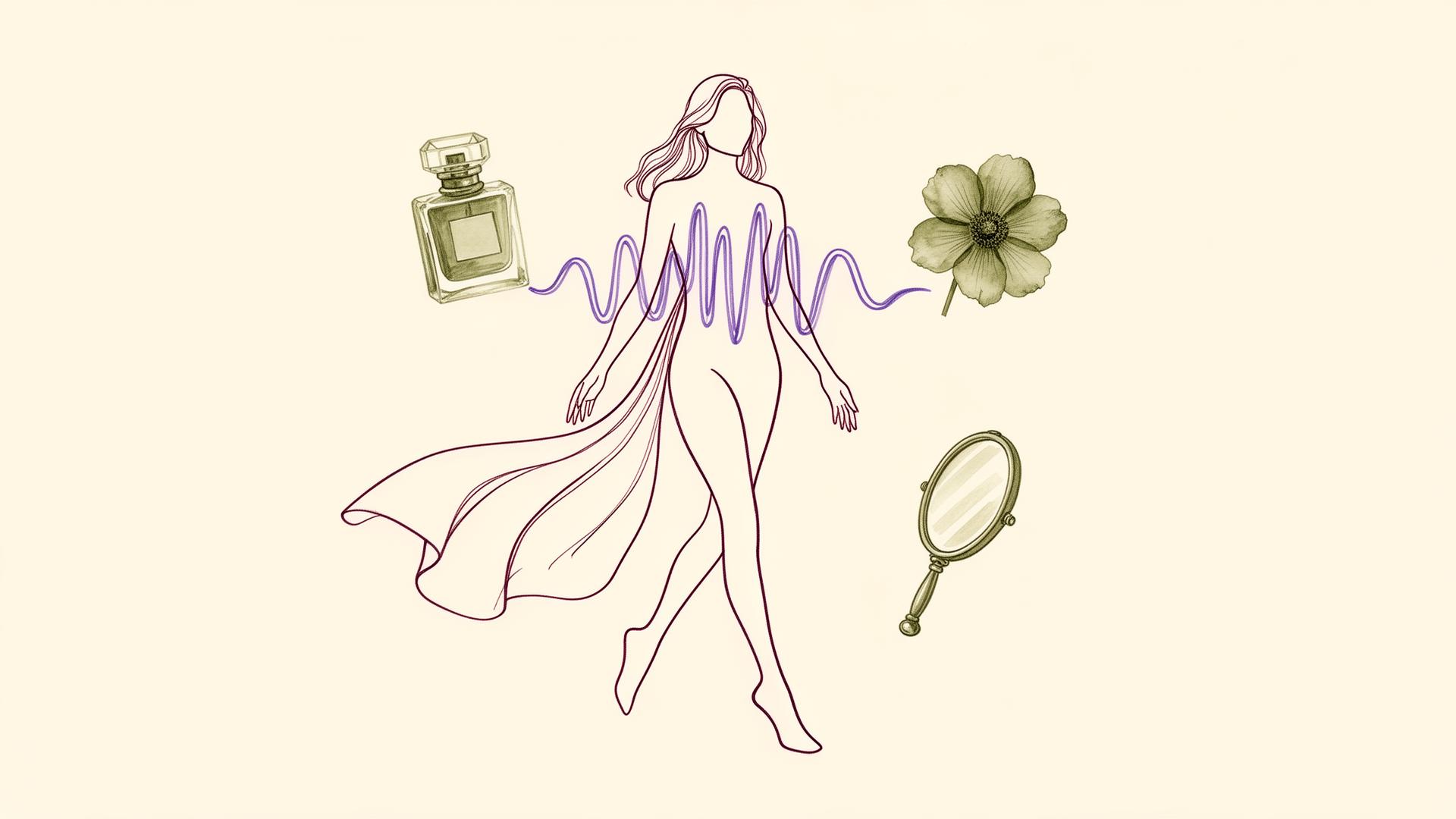
I used to believe that putting on a sharply tailored blazer and my signature scent was a reliable way to manufacture confidence. The cultural consensus heavily endorses this, treating personal style as a direct shortcut to self-actualization and inner peace. I eventually realized the inbox has never once been impressed by a silk lapel. Dressing to manage a chaotic internal state is hypervigilance in very expensive packaging. When the nervous system is running a low-grade threat response, aesthetic perfection functions as a rigid defense mechanism that demands constant physiological upkeep.
You know this state intimately, even if you look flawless in the mirror. It is the stiff shoulders that won't drop when you step into the shower, the doom-scroll at 11.47pm while your night cream absorbs, and the constant scanning of a room to make sure your presentation matches the exact vibe. You feel anxious for no reason despite everything looking perfect on the outside. You hit 3pm with a clenched jaw, utterly exhausted but can't rest, compulsively adjusting your collar because the sensory input feels suddenly intolerable. Your clothes look effortless. The body underneath them is tired but wired, buzzing with high-frequency static.
Common Questions
What happens when aesthetics become armor?
The focus shifts entirely to exteroception—managing how things appear to the outside world. This requires continuous energy and keeps the body in a state of high alert, quietly burning through physiological capacity to maintain the visual output.
Does caring about style mean my nervous system is dysregulated?
Enjoying beautiful things is a natural human preference. The distinction lies in the internal state driving the choice. Play feels light and dynamic. Defense feels rigid and mandatory. If skipping a specific styling routine causes a spike in heart rate, it is functioning as armor.
How does this affect the brain?
Over-focusing on the external appearance often mutes interoception, which is the brain's ability to read internal physical signals. You become highly skilled at adjusting your posture for a camera while completely missing the physiological cues for hunger, fatigue, or stress.
The visual override
Kokorology're sold the idea that controlling the exterior will eventually trick the interior into calming down. I spent my twenties curating an immaculate wardrobe specifically to hide the fact that I couldn't regulate my own heart rate. The strategy is wildly common, widely praised, and biologically backward. It over-indexes on exteroception—sensing the outside world—and proprioception—sensing the body in space. It actively ignores interoception, the raw data feed running from your viscera to your brain. This internal channel tells you if you are hungry, cold, safe, or terrified.
When you train your attention exclusively on the line of a garment or the symmetry of your eyeliner, you turn the volume down on the internal signals. The insula gets less practice reading the body. You become a brilliant sculptor of a statue you've forgotten how to inhabit. The physiological cues get misinterpreted. A diffuse wave of nausea gets labeled as a wardrobe crisis.
The weight of the presentation
Every biological system has a finite capacity for stress. The physiological friction from running your internal engine on high alert is known as allostatic load. Maintaining an unruffled, aesthetically perfect exterior requires a tremendous amount of energy. Every minute spent scanning for imperfections or anticipating how you will be perceived activates the HPA axis, the control loop running from your brain to your adrenal glands.
Cortisol quietly floods the system. You think you're just adjusting your hemline, but your nervous system thinks you're tracking a predator. The visual result is chic. The physiological reality is a system running on fumes, deeply in need of nervous-system regulation to restore its baseline.
The most expensive thing you can wear is an unregulated nervous system.
The illusion of the braking system
The wellness industry insists that if you just optimize your morning routine and your capsule wardrobe, you will achieve lasting calm. Control is brittle, and it shatters the moment the environment becomes unpredictable. What actually allows a body to handle chaos is capacity, mediated heavily by the vagus nerve.
This nerve functions as the parking brake of the nervous system. Pull it, and the engine quiets. High vagal tone allows your heart rate to drop after a stressor, shifting you into a state of rest and social engagement. Low vagal tone leaves the switch stuck in the "on" position.
Trading defense for play
The irony is that controlling the external presentation actively prevents the internal braking mechanism from engaging. You can't dress your way to high vagal tone. You can only physically signal safety to the body. That's why a ten-minute journal practice mapping your somatic state does more for your actual presence than an hour of styling.
The goal is to build a regulated state where your clothes are an expression of your mood, rather than a compensation for your panic. When the body feels safe on the inside, personal style becomes a playground instead of a mandatory defense matrix.
What to do this week
- The 120-second internal scan. Three times a day, close your eyes and ignore how you look. Track the temperature of your hands, the pace of your breath, and the tension in your jaw.
- Wear a sensory anchor. Put on one item purely for its felt texture against your skin—a heavy cotton shirt, a specific pair of socks. Let it serve as a tether to your physical body rather than a visual statement for others.
- Tolerate a tiny imperfection. Leave one small detail slightly messy. A rolled cuff, a slightly uneven collar. Notice the physical urge to fix it, take a slow breath, and watch how the world completely fails to end.
- Extend the exhale. When you catch yourself compulsively checking a mirror, pause. Inhale normally, then extend the exhale for two extra counts. You can find more micro-doses of vagal braking in the hacks library.
Where this fits in the Kokorology system
An obsession with aesthetic perfection is a readout of a nervous system running at absolute capacity. Before attempting to project leadership or creative dominance in the performance modules, the physiological baseline has to be stabilized. Kokorology rebuild this capacity from the ground up in the regulation course.
Closing
A regulated body wears a plain t-shirt better than a dysregulated body wears couture. True style is the physical ease that happens when the threat response finally turns off.
- Start with the core nervous-system protocols in Regulation L1.
- Practice interoceptive awareness daily with the Journal.
- Work with the system directly to address stuck patterns of hypervigilance in 1:1 Coaching.
TL;DR
Using personal style as armor is a high-effort strategy that masks a dysregulated nervous system. Relying on a curated aesthetic to manufacture confidence drives up allostatic load and mutes interoception, distancing you from your actual physical cues. True capacity requires strengthening the vagal brake through targeted physiological practices. Once the internal state is regulated, fashion shifts from a mandatory defense mechanism into a genuine form of play.
Sources
- Critchley, H. D. (2023). Interoception and Autonomic Regulation in Stress. Journal of Neuroscience.
- Thayer, J. F. (2012). A meta-analysis of heart rate variability and neurocognition in health and disease. Neuroscience & Biobehavioral Reviews.
- Craig, A. D. (Bud) (2015). How Do You Feel? An Interoceptive Moment with Your Neurobiological Self. Princeton University Press.
- Khalsa, S. S. (2018). Interoception and Mental Health: A Roadmap. Biological Psychiatry: Cognitive Neuroscience and Neuroimaging.