Nervous System
Your Skin Is a Stress Symptom Before It's a Skincare Problem
Chronic acne, eczema flare-ups, and sudden dullness are direct readouts of a high allostatic load, broadcast on your largest organ.
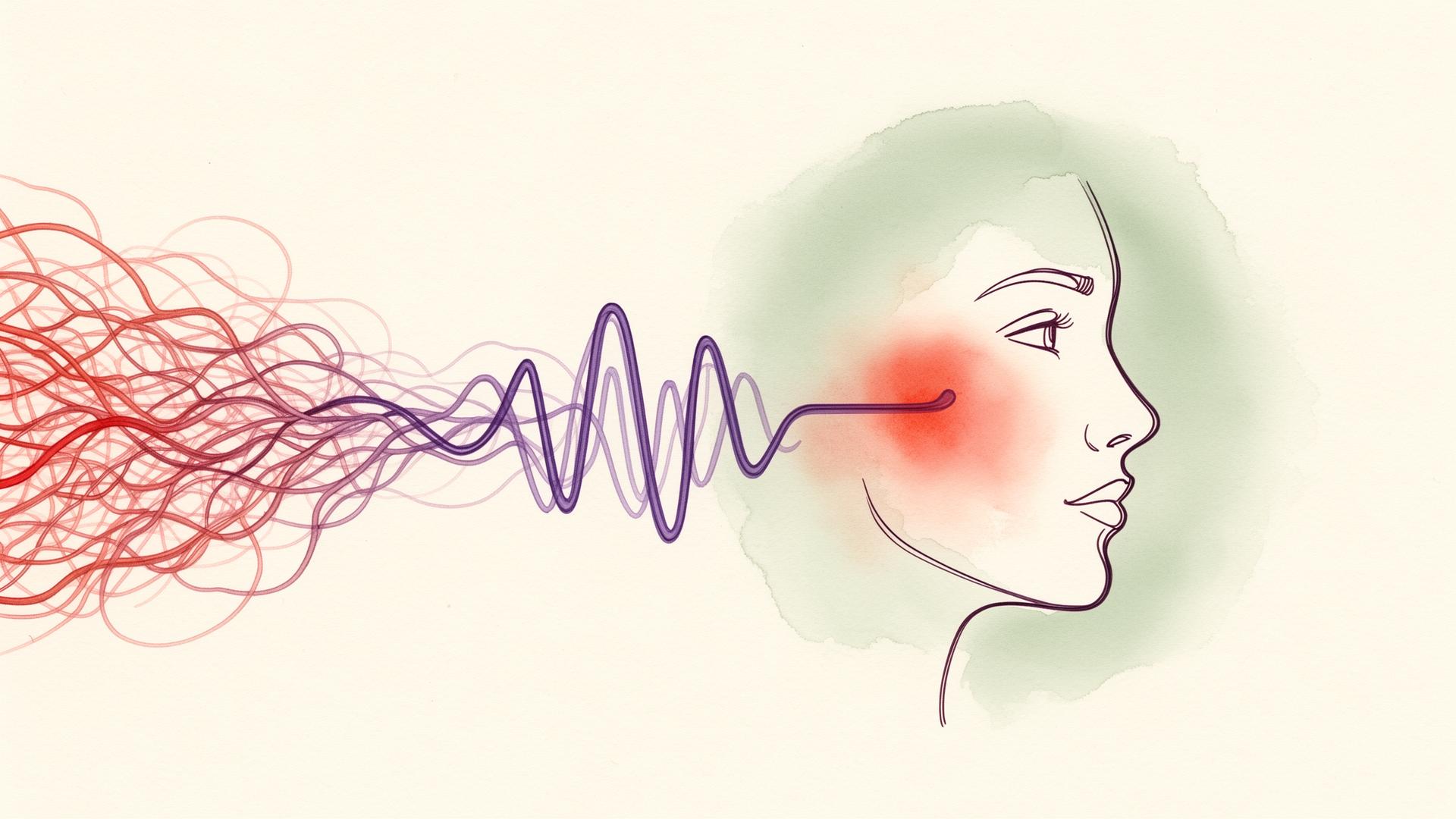
I'm calling it. The skincare industry has somehow convinced the system that an inflamed face is a local emergency requiring a twelve-step topical response. I used to believe a good serum could out-work a bad week. Chronic acne, eczema flare-ups, and sudden dullness are actually direct readouts of a high allostatic load, broadcast on your largest organ. When the brain detects a constant threat, it shifts the entire autonomic state. You cannot hydrate your way out of a physiological stress response.
You already know the texture of this state before the breakout appears. It feels like the 3pm jaw clench that you only notice when your teeth start to ache. You stand in front of the open fridge with no actual hunger, staring at the shelves while feeling completely tired but wired. The exhaustion sits heavy right behind your eyes, yet you doom-scroll at 11:47pm because your system is too revved up to land. You feel anxious for no reason, and your shoulders simply refuse to drop when you finally step into the shower. Two days later, your chin erupts.
Common Questions
Why does stress make my skin flare up?
When the brain perceives chronic pressure, it signals the HPA axis to release a steady drip of cortisol. This hormone degrades collagen, thins the barrier, and cranks up systemic inflammation. The skin loses its ability to repair itself and becomes highly reactive to minor daily irritants.
Can regulating the nervous system actually clear acne?
Lowering your baseline state of threat reduces the inflammatory compounds circulating in your blood. When you shift out of a chronic sympathetic state, the nerve endings in your face stop triggering localized histamine releases. This intervention treats the biological signal at the source.
What is the gut-skin connection?
The gut and brain communicate constantly via the vagus nerve. High stress alters gut motility and microbiome balance, allowing inflammatory molecules to leak into the bloodstream. These compounds travel straight to the skin, driving eczema and dullness from the inside out.
The Cortisol Drip
The wellness industry treats cortisol like a rogue operative that must be managed or suppressed. I've stopped recommending complex routines for stress breakouts entirely because they completely ignore the HPA axis. The loop running from your brain to your adrenal glands is just doing its job. A constant threat signal creates a constant cortisol drip. This hormone actively instructs the body to break down structural proteins and suppresses the immune functions that keep microbial populations in check.
Your twelve-step Korean skincare routine from TikTok—which recent data shows is largely unscientific and misleading—cannot undo a biological directive from your brainstem. The result is a persistent portfolio of reactions: acne that refuses to heal, generalized flushing, and skin that looks permanently fatigued. The smartest move is tracking when your face flares up in the Journal to map the actual autonomic patterns preceding the breakout.
Your skin completely ignores your expensive serums while taking direct orders from the HPA-axis party line.
The Nerve Endings in Your Face
Your face operates as a highly reactive neuro-immuno-cutaneous organ. The peripheral nerve endings sitting right under the surface communicate directly with mast cells. These cells act as hypersensitive first responders, packed with tiny granules of histamine. When your nervous system is trapped in a state of hypervigilance, those nerve endings get twitchy. They trigger the mast cells to throw their inflammatory payloads without any external allergen present.
This purely neurological event drives the maddening itch of eczema and the sudden flush of rosacea. You can wash your face with the gentlest soap on the market, but it will do absolutely nothing to stop a nerve-triggered histamine release. For that, you need tools that speak the nervous system's language, like the targeted 60-second hacks that signal safety to the brainstem.
Glymphatic Clearance and the Myth of Beauty Sleep
I will freely admit I spent my twenties thinking "beauty sleep" just meant waking up without dark circles. Deep sleep is a deeply mechanical process. During these slow-wave cycles, your brain’s waste-disposal system, the glymphatic system, activates. It uses cerebrospinal fluid to flush out the metabolic debris that accumulates during the day.
A dysregulated nervous system keeps you locked in shallow, vigilant sleep stages. When that clearance process is interrupted, inflammatory junk remains in circulation, directly contributing to cognitive drag and lackluster skin. The puffiness and dull complexion are visible indicators that your brain’s internal clearance cycle was suspended. Prioritizing rest is a non-negotiable part of biological maintenance. Sometimes you need a full structured reset to break the cycle of high stress and fragmented sleep.
The Gut-Brain-Skin Communication Line
The gut-brain axis relies heavily on the vagus nerve. When you operate under high allostatic load, the brain diverts resources away from digestion and toward immediate survival. The gut microbiome shifts, the intestinal lining becomes more permeable, and inflammatory molecules enter the bloodstream. They are ferried directly to the skin.
Recent industry coverage of adult breakouts confirms this pattern. Persistent skin issues operate as systemic inflammation flags. Attempting to clear adult acne without considering the vagal tone that governs the gut ignores the primary communication channel driving the reaction.
What to do this week
- Morning Light, No Screens. For 10 minutes within the first hour of waking, get sunlight in your eyes. This is the master signal for anchoring your circadian rhythm, which governs cortisol patterns and sleep quality. No sunglasses, and don't look directly at the sun. Just sit outside.
- Practice the Physiological Sigh. When you feel a sympathetic response ramping up, execute this breathing pattern twice. Take two sharp inhales through the nose, followed by one long, slow exhale through the mouth. This tells your brainstem to activate the parasympathetic branch.
- Track Your Triggers. For one week, grab a notebook and correlate your skin flare-ups with your activities, food, and stress levels from the 24 hours prior. Don't judge the data. Just collect it to find the physiological pattern.
- One Empty Block. Schedule one 10-minute period a day where you produce nothing. Stare out a window. Sit on a bench. Don't scroll, don't listen to a podcast, and don't optimise the time. Let your nervous system experience a brief state of non-vigilance.
Where this fits in the Kokorology system
Your skin operates as an instrument panel for your internal state. You can use the Journal to map the connections between a high-threat day and a breakout, and rely on targeted Anchors to interrupt that signaling. Shifting from symptom management to actual nervous system regulation requires changing the instructions your brain sends to the rest of the body.
Closing
The goal is a nervous system resilient enough that it doesn't need to constantly broadcast emergency signals across your face. The redness and the breakouts are valuable data points about your baseline capacity. You just need to learn how to read the telemetry.
- Map your somatic patterns inside the Journal.
- Rebuild your baseline capacity in Regulation, the foundations course.
- Get the free guide to the 5 States of the Nervous System.
TL;DR
Chronic skin conditions like acne, eczema, and premature aging are visible symptoms of a dysregulated nervous system. A constant state of threat activates the HPA axis, releasing cortisol that degrades collagen and drives systemic inflammation. Twitchy peripheral nerve endings also trigger localized histamine releases directly in the skin. True relief requires shifting out of hypervigilance, regulating autonomic function, and improving deep sleep to clear inflammatory debris, rather than relying exclusively on topical treatments to manage the fallout.
Sources
- Hugo Critchley (2023). Interoception and Autonomic Regulation in Stress. Journal of Neuroscience.
- Sonia Lupien et al. (2009). Effects of stress throughout the lifespan on the brain, behaviour and cognition. Nature Reviews Neuroscience.
- Julian F. Thayer, et al. (2012). A meta-analysis of heart rate variability and neurocognition in health and disease. Neuroscience & Biobehavioral Reviews.
- Theoharides, T. C., et al. (2015). Brain-“fog,” inflammation and obesity: key aspects of neuropsychiatric disorders improved by Luteolin. Frontiers in Neuroscience.