Nervous System
Nutrition for the nervous system — the short list your wiring actually needs
A regulated nervous system requires a complete amino acid profile, daily omega-3s, magnesium, and glucose stability to manufacture neurotransmitters.
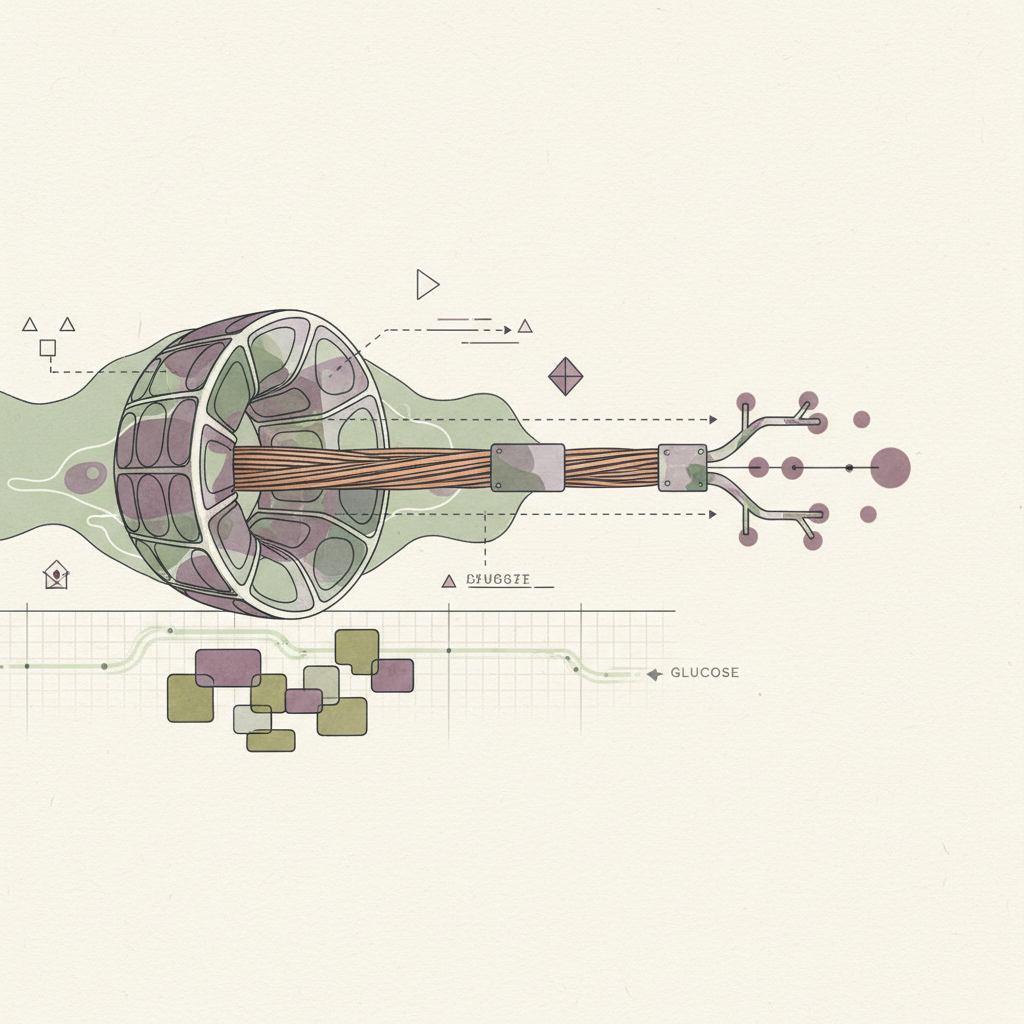
The autonomic nervous system runs on a blunt, unglamorous list of physical inputs. You can't optimize a biological machine that lacks the raw materials to run its own wiring. The supplement aisle wants you to believe emotional resilience comes in a €40 dropper bottle of ashwagandha. Yet I keep meeting founders on their third SSRI and executives stacking magnesium threonate and lion's mane before they've hit their daily protein floor once in a six-week period.
You know what the deficit feels like. It's the 3pm jaw clench that won't release, the open fridge with absolutely no hunger, and the doom-scroll at 11:47pm when you're tired but wired and can't rest. You feel anxious for no reason while standing in your own kitchen, or you wake up at 3am every night with a heart racing into the dark. The body just calls it a supply shortage. Your HPA axis is firing threat signals because it literally doesn't have the amino acids to manufacture serotonin or the myelin to insulate the current.
Common Questions
Do I need a protein powder?
Only as a floor-setter if you can't hit 1.2 to 1.6 grams per kilogram of body weight from whole food. A complete amino acid profile from whole meals is always the primary target.
I am vegan, can I still hit a complete amino profile?
Yes. You'll combine grains and legumes at every meal, prioritize soy and quinoa, and supplement with DHA sourced from algae alongside B12 methylcobalamin to keep the nervous system supplied.
Are essential amino acid powders worth it?
They work as a targeted supplement to plug gaps. They do not replace the metabolic requirement of digesting whole complete proteins.
Protein is where the whole thing lives or dies
The nervous system only cares about complete amino-acid profiles. A raw total-protein number means nothing. Hitting 85 grams of incomplete plant protein leaves cellular repair stalled. When that happens, the body harvests the missing amino acids from your own muscle tissue and hair follicles to keep the critical systems online. I used to believe that any protein counted equally toward the daily goal, but tracking client moods against their amino profiles changed my mind entirely. Complete sources—whole animal proteins, dairy, eggs, and a small handful of plants like soy or quinoa—deliver the full spectrum in a single meal.
The wiring requires nine specific inputs
This is where the actual neurobiology happens. The essential amino acids act as the direct precursors to every neurotransmitter that regulates your state. Tryptophan is the required raw material for serotonin, which is largely manufactured in the gut, and melatonin. Tyrosine creates dopamine, adrenaline, and thyroid hormones. Histidine maintains the myelin sheath around every nerve, including the vagus nerve, ensuring the electrical current reaches its destination without leaking. Threonine builds the mucin layer in your intestinal tract. Without these nine essentials, the prefrontal cortex fails to regulate the amygdala, and you default to a sympathetic stress response.
The nervous system is a physical machine, and it demands physical materials to run.
The gut-vagus axis runs on mucin
The wellness industry loves a probiotic. But the gut lining that those bacteria are supposed to colonize is made entirely of threonine and glucosamine. If your amino acid intake drops, that lining thins within days. The sequence is brutally mechanical: threonine allows mucin production, which keeps the gut barrier intact. An intact barrier supports the microbiome, which sends a calm signal up the vagal afferent pathways. The brain reads that signal and increases parasympathetic tone, dropping your heart rate. Break the first link by skipping protein, and the downstream signaling collapses.
Omega-3s, magnesium, and the prefrontal glucose hog
Myelin is roughly 80 percent lipid, and a massive fraction of that is DHA, which you can only get preformed from oily fish or algae. Magnesium acts as the required cofactor for GABA synthesis and HPA axis regulation. I've stopped recommending a dozen different sleep aids in favor of just stabilizing blood glucose and getting enough magnesium. Magnesium oxide, by the way, is just a laxative pretending to be a supplement. Buy glycinate. The prefrontal cortex consumes an enormous amount of glucose to keep you regulated. Spiking that glucose with naked carbohydrates leaves the brain panicked when the crash hits.
What to do this week
- Multiply your weight in kilograms by 1.4 to find your daily protein floor in grams.
- Anchor your first meal in a complete protein source like eggs, dairy, fish, or tofu.
- Add sardines to your lunch rotation twice this week, or start a 2g combined EPA and DHA supplement.
- Take 300mg of magnesium glycinate an hour before bed.
- Put a heavy pinch of sea salt in your first glass of water tomorrow morning to recalibrate your thirst.
Where this fits in the Kokorology system
This physical baseline is the prerequisite for the Regulation course. You can't train an undersupplied nervous system. Track your morning hydration and protein floor inside the Journal to watch how quickly your HRV and sleep scores respond when the raw materials actually arrive in the bloodstream. If you need a fast intervention for a spiraling afternoon, pull a two-minute tool from the Hacks library while you get your nutrition sorted.
Closing
The inbox has never once been impressed by your heart rate, and the calendar doesn't care if your vagal tone is crashing. Feed the machinery yourself.
- Anchor your daily inputs with the Nervous System Starter Guide.
- Track your physiological responses using the Journal.
- Rebuild your physical capacity from the ground up inside Regulation.
TL;DR
A regulated nervous system requires specific physical inputs to manufacture neurotransmitters and maintain vagal tone. A complete amino acid profile is strictly necessary to keep the gut barrier intact and synthesize serotonin and dopamine. Omega-3 fatty acids build the myelin sheath, while magnesium regulates the HPA axis. Securing these basic nutritional requirements, alongside stable glucose and adequate sodium, must happen before any adaptogen or complex supplement protocol can actually change your state.
Sources
- Thayer, J. F., & Lane, R. D. (2000). A model of neurovisceral integration in emotion regulation and dysregulation. Journal of Affective Disorders.
- Gleeson, M., Nieman, D. C., & Pedersen, B. K. (2004). Exercise, nutrition and immune function. Journal of Sports Sciences.
- Layman, D. K., et al. (2003). Protein quantity and quality above the RDA improves adult weight loss. Journal of Nutrition.
- Harris, W. S. (2010). The omega-3 index. Preventive Medicine.
- Boyle, N. B., Lawton, C., & Dye, L. (2017). Magnesium supplementation and subjective anxiety. Nutrients.