Nervous System
Nervous System After Eid Feasting
The smell of cardamom chai at 1am, the third helping of biryani, the deep warmth of family filling the house. It's a beautiful, necessary chaos. But then comes the 4am wake-up, heart thrumming with a nameless anxiety, an
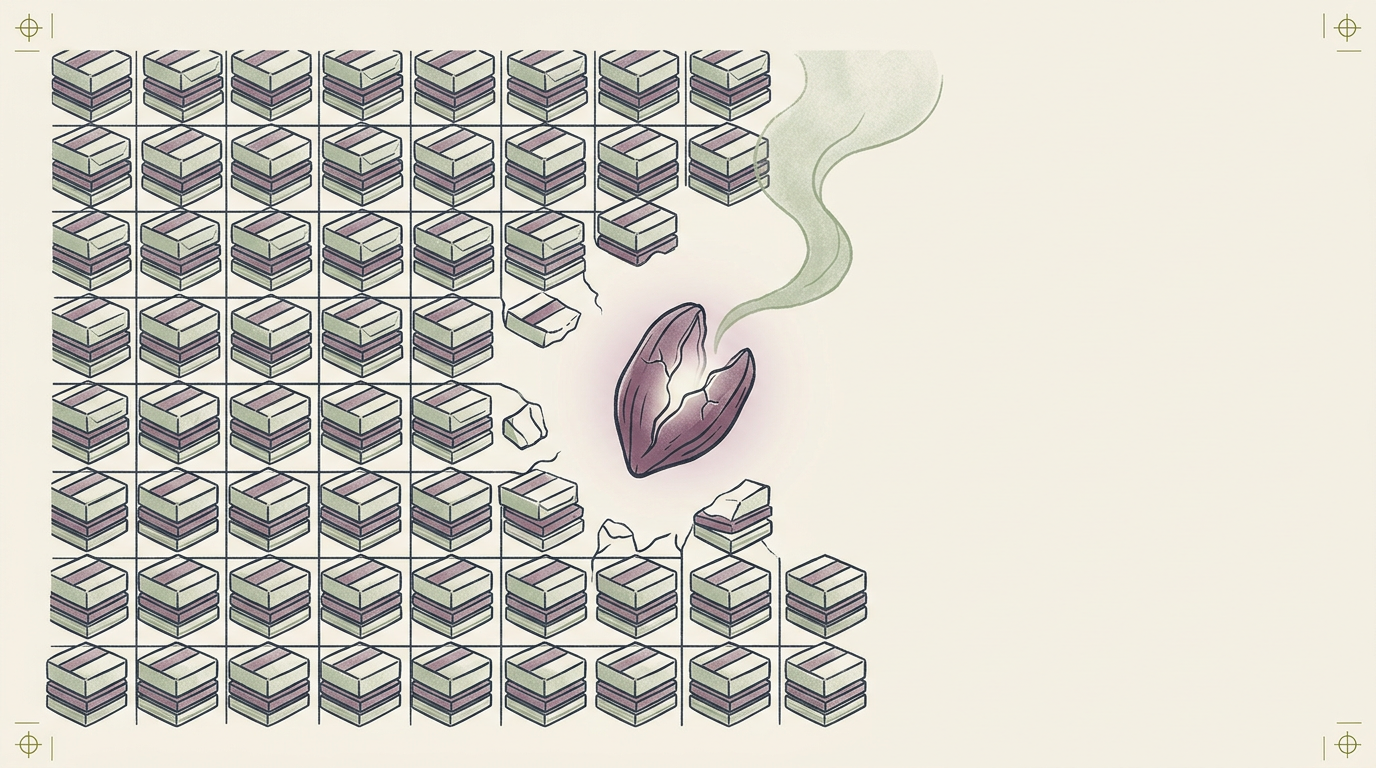
I used to believe the crushing exhaustion after three days of Eid feasting required an immediate green-juice penance. The supplement aisle sells the post-holiday detox as mandatory, treating your body like a crime scene that needs sanitising. What you are actually experiencing is a massive shift in allostatic load—a purely physiological state driven by sugar, noise, and scrambled sleep.
You know the exact physical texture of this week. It is the heavy ache behind the eyes while smiling at your uncle, and the vague nausea of staring into an open fridge with zero hunger. You spend the entire afternoon desperate for a nap, but when you finally lie down in a quiet room, you feel tired but wired. Your heart races into the pillow, and you can't sleep even though exhausted. The sheer volume of noise, sugar, and social demand leaves you with total brain fog after eating that third plate of biryani. You manage to drift off, only to wake up at 3am every night with a chest full of nameless dread. The system is humming with static. You are entirely full, yet completely depleted.
Common Questions
Why do I feel anxious after eating so much?
A massive intake of refined carbohydrates and sugar spikes your glucose, followed by a steep drop. Your body perceives this rapid drop as a threat and activates your adrenal glands. The resulting flood of cortisol and adrenaline leaves you feeling agitated and jittery.
Is the post-Eid tiredness just from lack of sleep?
Late nights and heavy meals at odd hours disrupt your circadian rhythm. This central clock governs hormone release, temperature, and digestion. When it loses its rhythm, the entire system runs out of sync, creating a profound fatigue that one good night of sleep cannot resolve.
Can I just "detox" to feel better?
The commercial concept of a detox is purely marketing. Your body already runs a highly sophisticated waste-clearance operation through the liver, kidneys, and glymphatic channels. Giving these organs stable blood sugar, adequate hydration, and deep sleep is the only effective way to clear the backlog.
The metabolic hurricane
The central drama of any celebration is metabolic. Mountains of rice, endless baklava, and a river of chai are glorious traditions. They also demand an enormous physiological response. Your aunts might be thrilled by your third helping of dessert, but your pancreas is fighting for its life. A sudden flood of glucose triggers a massive insulin surge to pull that sugar out of your blood. That brutal efficiency causes the infamous crash an hour later.
When your blood sugar plummets, your body panics. It treats the dive as a life-threatening emergency, activating the HPA axis—the stress-hormone control loop running from your brain to your adrenal glands and back. You feel shattered and agitated at the same time because your body is screaming for energy while flooding your system with adrenaline. Trying to solve this cortisol surge with another syrupy coffee is like trying to put out a grease fire with more oil.
Joy is still a load
Your nervous system processes all stimuli through the exact same machinery. The brain's threat-detection centre doesn't care if the noise is a looming work deadline or your beloved auntie loudly asking why you haven't produced a grandchild yet. Socialising requires constant emotional regulation, facial processing, and attentional focus. It is metabolically expensive.
I notice this in my own body every holiday. Add the glycemic chaos and a sleep schedule that went off-road days ago, and you're carrying an immense amount of allostatic load. The capacity is gone. The 4am heart-thrumming wake-up is the physical proof. Cortisol naturally troughs in the middle of the night and begins to rise around 3am to prepare you for waking. When your system is already awash with residual stress from the day's festivities, that natural rise jolts you awake with inexplicable dread. Foundational nervous-system regulation teaches you how to discharge this accumulated state.
The janitorial staff on strike
While you sleep, your brain runs a literal cleaning cycle. It relies on the glymphatic system, a network of channels that open between brain cells, allowing cerebrospinal fluid to flush out the metabolic waste accumulated during the day. This clears out debris like amyloid-beta. It is critical for basic cognitive function.
The wellness industry loves to sell you complex protocols for things your body does for free while you are unconscious.
This clearance is most active during deep, slow-wave sleep. A wildly fluctuating blood sugar, late-night snacking, and disrupted routines fragment your sleep architecture. You never spend enough time in those restorative stages. You wake up with a brain full of yesterday's garbage. The inability to form a coherent thought, the heavy limbs, the sensation that your head is packed with cotton wool—that is the felt experience of incomplete glymphatic clearance. The brain is quite literally dirty. Kokorology cover the specific mechanics of sleep staging inside the Library if you want to understand the exact fluid dynamics.
How to land the plane
An unelected committee of your relatives and a parade of sweets have conspired to hijack your biology. The immediate impulse is to punish yourself with a spartan diet and a brutal gym session. I've stopped recommending any kind of aggressive physical push in this state. Your system is already in high alert. Treating it like a misbehaving subordinate just drives the threat response deeper.
The goal is to gently guide the autonomic nervous system back to baseline. You stabilize the state by sending signals of safety. A simple, zero-cost practice from the Anchors collection acts as a manual override for the stress response. It signals to your vagus nerve—the main parking brake of your physiology—that the perceived threat has passed. Pull the brake, and the engine quiets. The system is loud. Kokorology simply need to lower the volume.
What to do this week
- Front-load 30g of protein. Start your morning with a protein-heavy meal like eggs or full-fat yoghurt. This sets a flat, stable blood sugar trajectory for the day, preventing the mid-morning crash and the subsequent activation of your stress-response system.
- Embrace the dark. One hour before your intended bedtime, make your environment relentlessly dark. Kill overhead lights. Put your phone away. This communicates to your brain's master clock that it's time to produce melatonin, facilitating the deep sleep your glymphatic system desperately needs.
- Schedule 10 minutes of static. Find a comfortable spot, set a timer, and simply sit. You don't have to meditate. Intentionally remove all stimulus and let your nervous system process the backlog. Notice your breath. Notice the feeling of the chair.
- Walk for 10 minutes after eating. A gentle walk after your next meal helps your muscles soak up excess glucose from your bloodstream, blunting the spike-and-crash cycle. Track this habit in The Journal to watch your evening energy levels change.
Where this fits in the Kokorology system
This cycle of festive overload and the resulting crash is a perfect illustration of allostatic load in real time. The way out is a structured, gentle return to baseline. Kokorology walk you through this exact recovery sequence in the 7-day guided Reset program, and teach you how to manage the daily capacity inside Performance (L2).
Closing
The physical hangover of a celebration is simply your biology reacting exactly as it should to an enormous load. Understanding the mechanisms—the glucose spikes, the cortisol surges, the glymphatic slowdown—gives you the tools to intervene. Skip the punishing detox. Give the system the correct physiological signals to come back online.
- Start the recovery with the guided 7-day program, The Reset.
- Learn the foundational skills of autonomic control inside Regulation (L1).
- Get the free 5-minute guide to rebooting your nervous system, The Physiological Sigh.
TL;DR
The post-Eid exhaustion, anxiety, and brain fog are the predictable result of metabolic and circadian disruption. Large feasts create a blood sugar rollercoaster that triggers your HPA stress axis, leaving you feeling tired but wired. Disrupted sleep prevents your brain's glymphatic cleaning system from clearing cellular waste, causing profound brain fog. The solution is gently restoring stability through protein-rich meals, managing light exposure, and using targeted tools to down-regulate your nervous system after a period of intense social and dietary load.
Sources
- Matthew Walker (2017). Why Kokorology Sleep: opening the Power of Sleep and Dreams. Scribner.
- Robert Sapolsky (2004). Why Zebras Don't Get Ulcers. Holt Paperbacks.
- Maiken Nedergaard (2013). Garbage Truck of the Brain. Science.
- Dagum (2026). The glymphatic system clears amyloid beta and tau from brain to plasma in humans. Nature Communications.
- Zaccaro A (2018). How breath-control can change your life: a systematic review on psycho-physiological correlates of slow breathing. Frontiers in Human Neuroscience.