Sport & Performance
Why a Bogg Bag is a legitimate HRV intervention
A massage gun cannot undo the sympathetic spike of fighting with your gear at dawn. True recovery starts by removing the autonomic friction of a terrible gym bag.
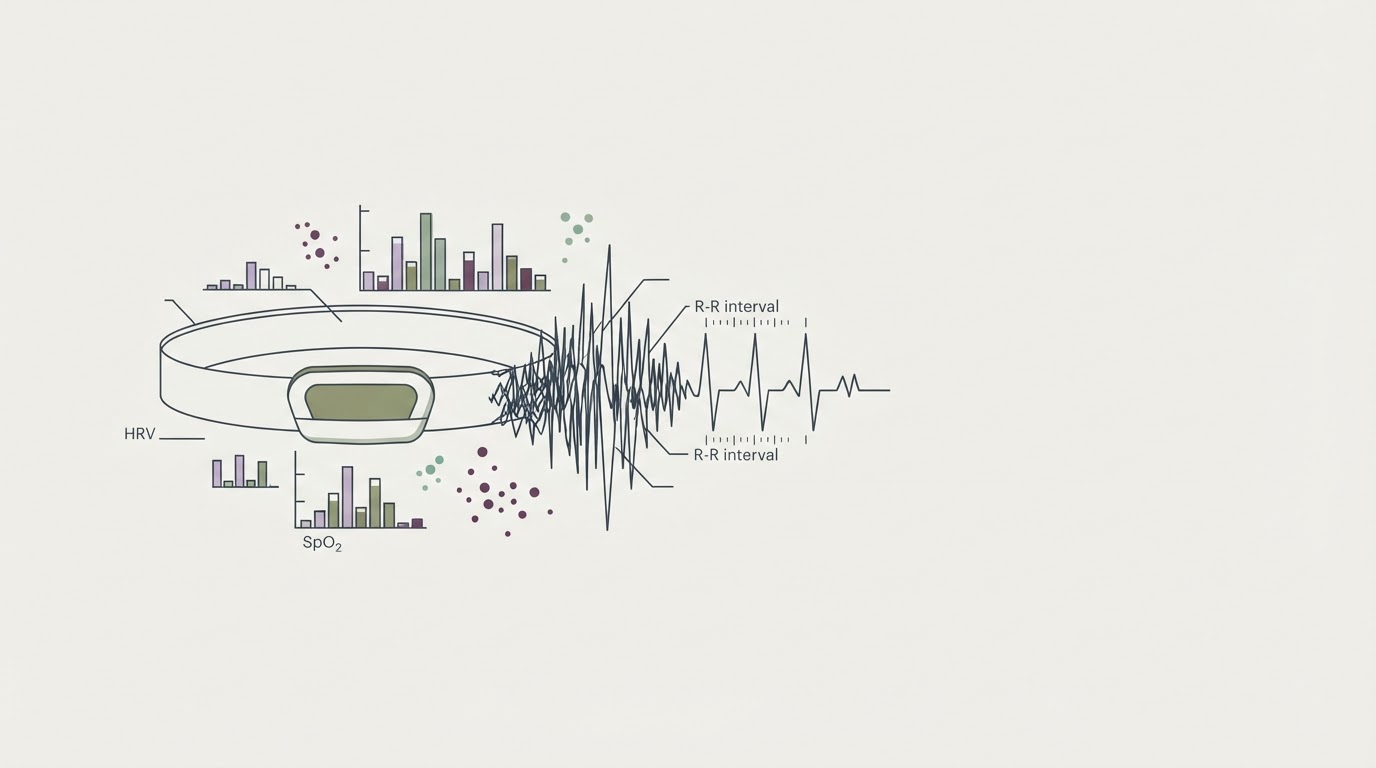
Standing in the hallway at 5:45 am, the house is freezing. It's pitch black outside because the clocks went back across Europe this weekend. You're digging through a damp, narrow-necked duffel bag looking for a heart rate monitor strap. You're already running late for the masters swim squad. Your chest is tight, your jaw is locked, and your baseline stress is elevated before you've even left the house.
I used to think recovery was entirely about what you did after the workout. I'd spend hundreds on gadgets and completely ignore the cognitive load of the transition. I was wrong. The sports industry sells expensive massage guns and pneumatic compression boots, completely ignoring the autonomic cost of getting out the door. Real recovery starts by minimising pre- and post-training friction. If you want to improve your heart rate variability (HRV) and speed up parasympathetic reactivation, buy a washable, open-top EVA tote bag. Removing the friction of packing and cleaning gear lowers sympathetic drive before the session even begins.
The clocks shifted this weekend. In London and Berlin, sunset now arrives mid-afternoon. Your suprachiasmatic nucleus—the master clock in your brain—is disoriented. Your cortisol awakening response is misaligned with your alarm clock. The last thing your nervous system needs at 6am in the dark, or at 6pm in the dark, is a scavenger hunt for a clean pair of socks.
The sports gear industry ignores the cognitive load of transitions
I'm calling it. The sports gear industry has completely misunderstood how recreational athletes actually live. They treat the athlete as an isolated machine that only exists during the sixty minutes of the workout. They sell optimisation. You can buy carbon-plated shoes, biometric rings, and perfectly calibrated electrolyte ratios. Nobody measures the autonomic cost of transition.
Brands are finally expanding their product lines beyond the beach to target athletes with structured, open-top totes. This is a direct response to a massive gap in the market. The traditional gym bag is a black hole of damp polyester. It requires two hands to open. It absorbs sweat. It forces you to rummage. Every time you can't find your 600ml water bottle, your locus coeruleus—the brainstem hub that orchestrates attention and panic—fires. You spike your heart rate and dump adrenaline into your bloodstream over a missing swim cap.
The cognitive load of gear management is a daily tax on your baseline state. In cities where a relentless hustle culture and weak time-off norms demand that you pack your entire life into a single backpack before a brutal commute, the friction of a badly designed bag is a constant, low-grade stressor. You spend metabolic energy managing your equipment. It's like running a high-end kitchen where all the knives are hidden in random drawers; the chef exhausts themselves before the first order is even cooked. An open-top, structured EVA tote removes this friction entirely. You can see everything. It stands upright on its own. You hose it down in the shower when you get home. The cognitive load of the transition drops to zero. When you aren't burning glucose trying to find your locker key, you have more resources left for the actual training block.
Friction delays parasympathetic reactivation
When you finish a heavy lifting session, completing five sets of five at 85% of your one-rep max, your nervous system is in a state of high sympathetic arousal. Your core temperature is elevated. Your heart rate is up. Your body has flooded your system with cortisol and noradrenaline to meet the mechanical demand of the weights. To begin the recovery process, your body needs to shift back into a parasympathetic state.
This shift requires environmental safety cues. The vagus nerve acts as a brake on your heart rate, but it only engages when the brain perceives that the threat has passed. If you finish your session and immediately have to stuff wet gear into a complicated backpack, carry it on a crowded commuter train, and worry about it smelling up your office, you delay that parasympathetic reactivation by hours. The friction of the gear sustains the sympathetic drive. You remain in a state of hyper-vigilance, treating the commute like an extension of the barbell load.
In extreme climates, where summer heat pushes training sessions to 9pm or later, the post-workout transition happens right against the sleep window. Fumbling with zippers and damp compartments at 11pm spikes cortisol exactly when melatonin should be rising. You miss the narrow window you have to wind down before bed. The workout is only half the physiological demand. The logistical friction of the equipment provides the rest. Stripping away every unnecessary decision and physical annoyance from your gear allows the autonomic nervous system to down-regulate faster post-training. You aren't just saving time; you're mechanically cueing the nervous system that the physical threat is over. The tempo of your recovery dictates the quality of your adaptation.
The inflammatory cost of a prolonged stress response
When your sympathetic drive stays locked in the 'on' position because you're fighting with your commute and your equipment, the cost isn't just psychological. The nervous system directly regulates immune responses and inflammation through a mechanism called the inflammatory reflex. When the vagus nerve is active and you're in a parasympathetic state, it signals the spleen to reduce the production of pro-inflammatory cytokines.
When you delay that parasympathetic shift by wrestling with a damp duffel bag on a crowded train, you're keeping the inflammatory reflex suppressed. Your body continues to circulate the inflammatory markers generated by the tissue damage of your workout, but without the counter-regulatory signal to begin the repair process. The wiring is jammed. This is why you feel that deep, aching fatigue the next day. It's systemic inflammation that was allowed to run unchecked because your nervous system never received the all-clear signal. You can't out-supplement a nervous system that thinks it's still under attack.
The longer the delay between the end of the physical effort and the onset of autonomic recovery, the higher the physiological cost. An athlete who finishes a session and immediately steps into a low-friction, highly organised transition environment will clear metabolic waste faster than one who spends forty minutes anxiously repacking a locker. The gear you use is an active participant in your inflammatory cascade.
Circadian disruption amplifies the cost of minor stressors
The end of Daylight Saving Time is a physiological stressor. You lose the environmental light cues that anchor your circadian rhythm. The suprachiasmatic nucleus relies on bright morning light to set the day's hormonal cascade. When you wake up in the dark, that signal is delayed, and your internal clock falls out of sync with your environment. It's like an orchestra trying to play a symphony while the conductor is standing in another room.
During this two-week adjustment period, your baseline cortisol is erratic. Your sleep architecture—specifically the timing of your slow-wave sleep and the associated growth hormone pulses—is fragile. Minor irritations that you could easily brush off in July suddenly feel overwhelming in November. The friction of a jammed zipper or a lost shoe at 5:45 am triggers a disproportionate sympathetic response because your system is already operating with reduced capacity.
You need to ruthlessly eliminate friction from your daily transitions. A bag that requires zero thought, zero maintenance, and zero rummaging is a legitimate HRV intervention. It protects your nervous system from unnecessary arousal during the most vulnerable parts of your day. It allows you to reserve your metabolic resources for the 45 minutes of Zone 2 cycling or the heavy lifting session, rather than burning them in the hallway before you leave the house. I've started treating my transition gear with the same scrutiny I apply to my training plan, and the difference in my evening baseline is staggering.
Common Questions
Does the type of bag really affect my HRV?
Yes. HRV is highly sensitive to psychological stress and cognitive load. Rummaging for lost items and managing damp, complicated gear elevates sympathetic arousal. Removing that friction allows the autonomic nervous system to down-regulate faster post-training, which directly improves your heart rate variability.
How long does it take for the nervous system to settle after a workout?
Following a high-intensity session, the initial parasympathetic reactivation should begin within 20 to 30 minutes. If you remain in a rushed, high-friction environment—like fighting with your luggage on a crowded train—that window is missed, and sympathetic dominance can persist for hours.
What should I change about my routine this week with the clocks going back?
Shift your light exposure. Get outside within 30 minutes of waking, even if it's overcast. Front-load your carbohydrate and 30g of protein intake to earlier in the day to support serotonin production, and eliminate all friction from your morning training transitions.
Closing
- The Kokorology Anchor: A six-week protocol for recreational athletes to rebuild their autonomic baseline and manage the physiological cost of daily transitions.
- The Care Package: The targeted recovery module, focusing on sleep architecture, circadian alignment, and parasympathetic reactivation after heavy training blocks.
- The Kokorology Journal: A free daily tracking template to monitor your HRV, sleep quality, and the cognitive load of your training routine.
TL;DR
The sports gear industry sells recovery as a post-workout intervention, completely ignoring the cognitive load of packing and carrying equipment. The friction of a traditional gym bag elevates sympathetic drive and delays parasympathetic reactivation. With the clocks going back and circadian rhythms disrupted, minor stressors carry a heavier physiological cost. Switching to a washable, open-top EVA tote bag removes the friction of the transition, lowering pre-training cortisol and accelerating post-training autonomic recovery.
Sources
- Dijk DJ, Czeisler CA (1995). Contribution of the circadian pacemaker and the sleep homeostat to sleep propensity, sleep structure, electroencephalographic slow waves, and sleep spindle activity in humans. The Journal of Neuroscience.
- Tracey KJ (2007). The inflammatory reflex. Nature.
- Modern Retail (2026). Bogg bags target athletes beyond the beach.
- Balban MY (2023). Brief structured respiration practices enhance mood and reduce physiological arousal. Cell Reports Medicine.
- Sims ST (2023). Fuelling the female athlete: Auditing her representation in the sports nutrition literature and identifying future research directions. Sports Medicine.