Woman, 39 · Edinburgh
ME CFS Pacing Autonomic Regulation: A Case Study
This case study details how a woman in Edinburgh successfully reduced ME CFS pacing autonomic crashes from 12 to 1 per month.
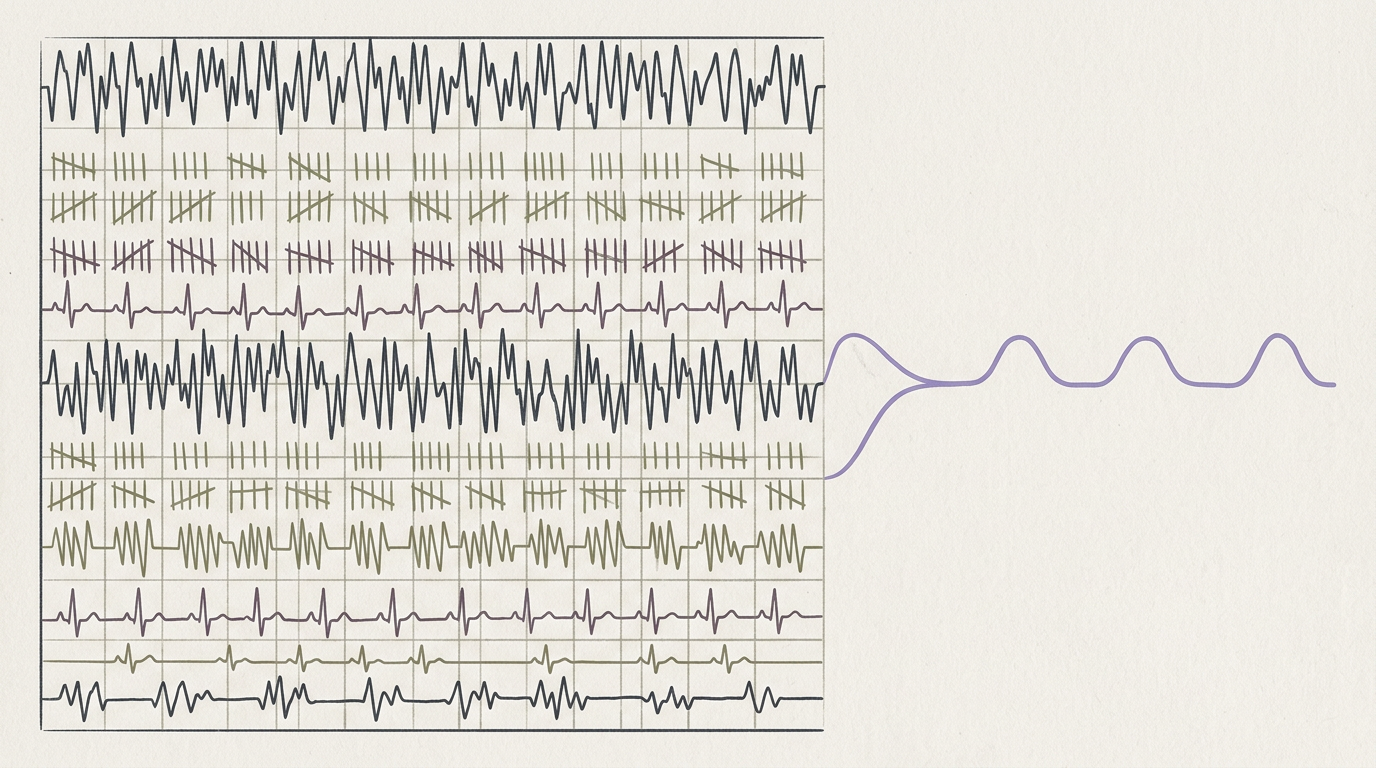
ME CFS Pacing Autonomic Regulation
A woman in Edinburgh, diagnosed with Myalgic Encephalomyelitis/Chronic Fatigue Syndrome (ME/CFS), reduced her post-exertional malaise (PEM) episodes from an average of 12 per month to 1. This was achieved over 24 weeks through a structured ME CFS pacing autonomic regulation protocol involving heart-rate ceiling and vagal toning techniques.
The presenting state
Prior to intervention, the client experienced significant functional impairment. Even minimal exertion, such as short walks or household tasks, would trigger pronounced post-exertional malaise, characterised by a profound and disproportionate increase in fatigue, cognitive dysfunction, and systemic symptoms. This often resulted in days of enforced bed rest.
The autonomic nervous system was in a state of chronic dysregulation, frequently shifting into sympathetic activation or a dorsal vagal collapse following perceived threats or overexertion. This pattern aligns with polyvagal theory, which posits that chronic stress or illness can disrupt the adaptive range of the vagal brake, leading to states of defence rather than safety and social engagement (Porges, 2022). The client reported persistent brain fog, orthostatic intolerance, and a profound sense of internal dissonance.
The protocol
The intervention focused on establishing strict energy envelope boundaries to prevent overexertion, alongside targeted vagal nerve stimulation to promote interoceptive awareness and autonomic flexibility. The protocol was implemented over 24 weeks and refined based on subjective feedback and objective physiological markers. Vagal nerve stimulation has been shown to modulate inflammatory responses and improve autonomic balance in chronic conditions (Bonaz et al., 2013).
- Energy Pacing: Adherence to a heart-rate ceiling, calculated to remain within an aerobic zone, preventing anaerobic metabolism and subsequent PEM.
- Graded Activity: Gradually increasing daily step count within the heart-rate limits, focusing on consistency over intensity.
- Diaphragmatic Breathing: Daily practice to encourage ventral vagal activation and improve respiratory sinus arrhythmia.
- Cold Exposure: Short, controlled cold showers or face dunks to stimulate the vagus nerve and enhance autonomic resilience.
- Interoceptive Awareness: Practices such as body scans and mindful movement to improve the client's ability to perceive internal physiological signals.
- Gut Health Support: Dietary adjustments to reduce inflammation and support the gut-vagal axis.
- Sleep Hygiene: Establishing a consistent sleep schedule and optimising the sleep environment to support restorative rest.
What changed
The most significant outcome was the substantial reduction in PEM episodes, decreasing from an average of 12 per month to a single occurrence. This directly reflects an improved capacity to manage energy and prevent autonomic crashes, allowing for greater predictability in daily life.
Alongside this, the client's functional capacity improved markedly. Daily steps tolerated increased from approximately 900 to 6,400, representing a significant return of physical autonomy without triggering debilitating post-exertional malaise. This progression was carefully monitored to avoid regression.
"The consistent application of the pacing and vagal protocol allowed a return to gentle activity without fear of severe relapse."
TL;DR
A 39-year-old woman in Edinburgh with ME/CFS dramatically reduced her post-exertional malaise episodes from 12 to 1 per month and increased her daily steps from 900 to 6,400 over 24 weeks. This improvement stemmed from a disciplined ME CFS pacing autonomic regulation strategy, including a strict heart-rate ceiling, gradual activity increases, and consistent vagal toning exercises, which collectively stabilised her autonomic nervous system and restored functional capacity.
Where to take this next
This case demonstrates the efficacy of a structured, evidence-based approach to managing chronic conditions that involve autonomic dysfunction. Sustained progress in ME/CFS requires meticulous attention to individual physiological responses and a commitment to consistent, gentle application of regulatory techniques.
Individuals seeking similar improvements can explore foundational principles of nervous system regulation. Consider whether your current approach is truly addressing the underlying physiological mechanisms of your symptoms, particularly chronic autonomic dysregulation.
To learn more about implementing similar protocols, explore the foundational principles in our Anchor pack on Polyvagal Theory and the Gut-Vagal Axis. For a personalised strategy, consider a 1:1 coaching consultation. For immediate, actionable steps, our 7-Day Nervous System Reset offers a practical introduction to core regulatory practices.