Daily read · 18:00
Regulators, Algorithms, and the Gut Club
Today, politics and policy tightened their grip on healthcare, while consumer demand pushed gut health and fitness deeper into daily life, often through new tech.
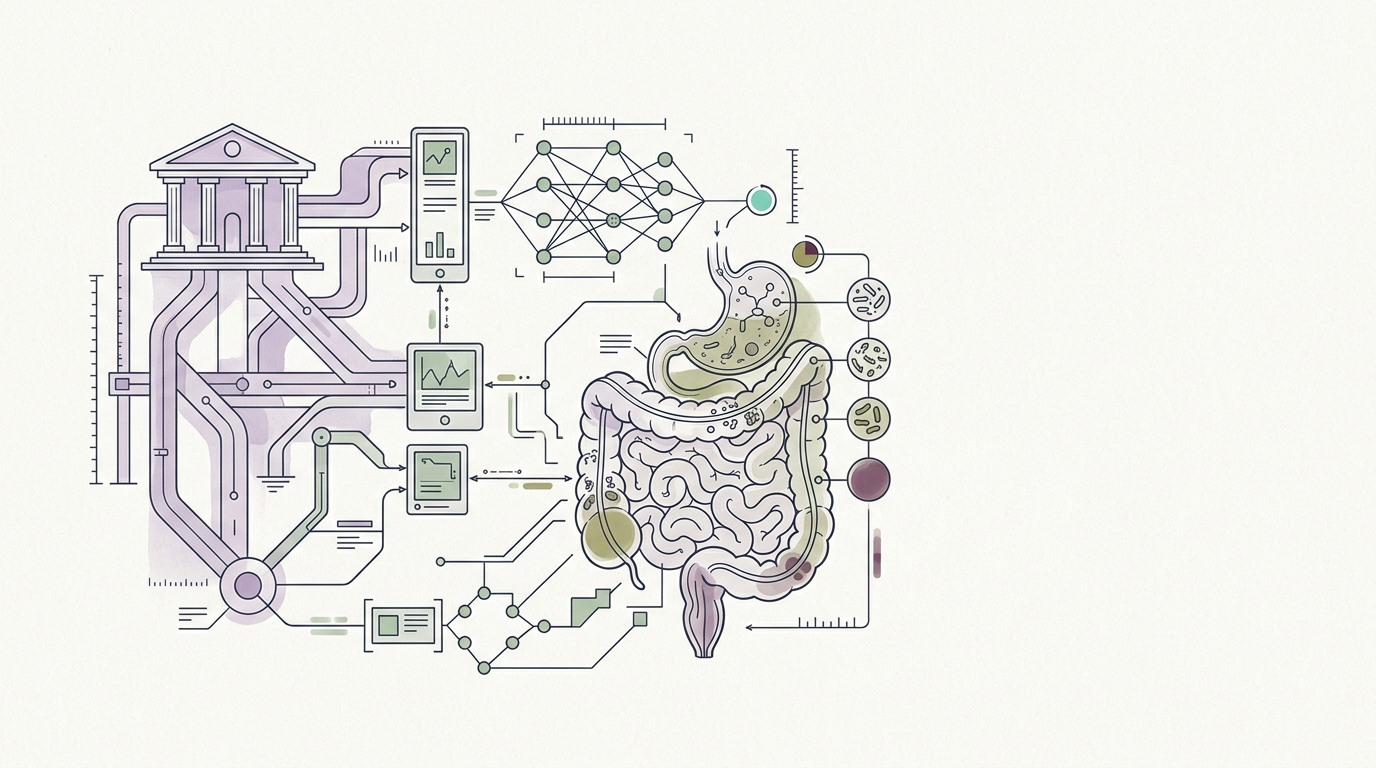
Today, politics and policy tightened their grip on healthcare, while consumer demand pushed gut health and fitness deeper into daily life, often through new tech.
1. Policy and Profit Squeeze Healthcare
Government bodies and pharma giants are wrangling for control over drug pricing, research oversight, and who pays for care. This isn't about health outcomes; it's about unit economics and political capital. When Medicare cuts payments or NIH rules shift, it directly impacts the bottom line for providers and eventually patient access.
Watch for ripple effects on access to care and drug innovation. If profit margins shrink, certain treatments or research areas become less viable.
Evidence from today:
- Novo Nordisk sues Eli Lilly over GLP-1 drug advertising — Novo Nordisk is suing Eli Lilly, claiming Lilly's GLP-1 obesity and diabetes drug advertisements use "outdated clinical trials" to make its drugs look more effective. This is an official complaint about potentially misleading consumer information from one pharma giant to another. Eli Lilly states they are confident in their advertising's compliance.
- Biotech firms push to exempt orphan drugs from price cuts — A coalition of biotech companies is lobbying the US government to exclude orphan drugs, which treat rare diseases, from new federal pilot programs designed to lower Medicare costs. They argue that price controls could stifle innovation for these critical, often life-saving, treatments. This move could impact access and affordability for patients relying on specialized therapies.
- New NIH rule could undermine risk management for research — A proposed rule change from the Office of Management and Budget (OMB) might weaken the National Institutes of Health's ability to oversee research risks, according to an opinion piece in STAT News. The author, Doni Bloomfield, warns that political influence could creep into decisions about human-subjects research, including clinical trials for new drugs or therapies. This signals a potential shift in how medical research is vetted.
- Medicare cuts hospital payments for drugs and imaging — Medicare plans to reduce what it pays hospitals for certain outpatient drugs and imaging services. The Centers for Medicare and Medicaid Services (CMS) proposed the cuts, part of a "site-neutral" payment reform pushing hospital services to lower-cost settings. This move aims to save the program billions, but hospitals are fighting back.
2. The Gut is the New Frontier, Everywhere
The gut microbiome's link to overall health—immunity, inflammation, even mood—is driving demand. This is shifting product development from clinical to consumer, with everything from snacks to smart toilets now claiming gut benefits. Consumers are slowly realizing the gut is a central nervous system player that influences everything.
Expect more 'gut-friendly' labels on everyday products. This is a clear signal to invest in anything that transparently addresses gut health, especially for Gen Z.
Evidence from today:
- Welch's adds probiotic Yogofruits to target Gen Z's gut health — Welch's Fruit Snacks is rolling out new probiotic Yogofruits, marketing them as a functional snack for Gen Z. This move builds on their "better-for-you" line, aiming to tap into the younger demographic's interest in wellness.
- Baudie Ditches Skincare To Focus On Underarm Probiotic Toner — Bella Skin Beauty, now rebranded as Baudie, generated 90% of its revenue from a probiotic underarm toner. The company is leaning into this clear consumer demand, discontinuing all other skincare to focus solely on the deodorant enhancer. It's a calculated bet on a niche but powerful product with a 50% repeat purchase rate.
- Taipei snacks signal shift to gut-friendly, functional foods — At Taiwan's Food Taipei Mega Show, editors flagged CPG snack trends like fermented citrus, fungi, and insect protein. Expect more functional ingredients and traditional processes making their way into US convenience foods. It's about snacks that do more than just taste good.
- Kohler Health Toilet Tracks Digestive Habits for Health Data — Kohler Health launched a smart toilet that passively tracks digestive patterns to turn bathroom habits into actionable health data. The device aims to help users better understand their gut health and overall well-being. This signals a new frontier in bio-data collection where the bathroom becomes a health monitoring hub.
3. Fear and Fitness: Mind-Body Connection in Action
Mental health isn't just about talk therapy; it's about movement and how you process nervous system signals. Athletes like cliff divers show how breathwork and reframing fear build resilience, while targeted exercise lowers inflammation. It's about training the vagus nerve, not just big muscles.
Look for fitness products and programs that integrate explicit mental resilience training. The market is moving beyond just physical gains.
Evidence from today:
- Elite cliff diver Molly Carlson on turning fear into fuel — Professional cliff diver Molly Carlson, who performs from heights up to 90 feet, shared her perspective on working with fear and anxiety. She experiences the physical symptoms of fear—increased heart rate, shaking, and dizziness—but uses breathwork and mental reframing to channel these into focus. Carlson emphasizes that fear is an essential, not optional, part of her sport and personal growth, pointing to its role in survival and preparedness.
- Resistance Training Decreases Rheumatoid Arthritis Risk — New peer-reviewed research in Rheumatology Advances in Practice found that consistent resistance training significantly lowers the risk of developing rheumatoid arthritis (RA). Researchers followed 90,000 women over two decades, showing that even light strength work had a protective effect. It's a clear signal that lifting isn't just about muscle mass, but fundamental immune regulation.
4. AI and Policy Collide in Public Health
From hiring tools to Medicaid access, algorithms and policy shifts are creating new stress points. AI bias adds mental burden, while policy changes in areas like public health and opioid settlements show how bureaucracy directly impacts nervous system regulation and care access. This isn't an abstract concern; it's tangible nervous system stress.
The interplay between tech, policy, and mental health is widening existing disparities. Watch how regulators try to catch up with fast-moving tech and policy changes.
Evidence from today:
- AI Hiring Tools Show More Bias Than Humans, MIT Review Finds — MIT Technology Review highlights that AI algorithms used in hiring are more likely to exhibit bias than human screeners. This means AI could be blocking qualified candidates from even reaching a human recruiter for initial review. It raises concerns about equity in employment and the mental burden on job seekers navigating automated systems.
- Michigan Medicaid benefits denied by software, federal policy — Michiganders with disabilities are getting cut from Medicaid thanks to a glitchy Deloitte-run system and newly enforced federal rules that demand more stringent income reporting. The result? Thousands losing benefits like home care, with a direct hit to mental health and daily function for vulnerable populations. This isn't just bureaucracy; it's a nervous system stressor at scale.
Also moved today
- 1 in 3 Women Miss Perimenopause Symptoms (Mindbodygreen) — Many women misunderstand perimenopause symptoms, pointing to a big gap in hormonal health education and a market opportunity for clear information.
- Post-meal walk is a simple blood sugar hack, study suggests (Mindbodygreen) — A short walk after eating can significantly regulate blood sugar, offering a simple hack for metabolic health.
- BFT Launches 'Podium' Fitness Competition for Franchisees (Athletech News) — BFT's new 'Podium' competition allows franchisees to create new revenue streams and engage members, showing fitness brands are looking for more ways to monetize community.
- Beyond Yoga's 'lifestyle' categories now pull 60% of brand revenue (Glossy) — Beyond Yoga's success in 'lifestyle' apparel shows consumers want activewear brands for daily wear, not just workouts.
- Sick Prisoners Stuck in Jail Despite Compassionate Release (KFF Health News) — Sick prisoners remain jailed despite compassionate release, highlighting systemic failures in providing care for vulnerable populations.
- THC drinks sold next to sodas cause accidental ingestions (STAT News) — The unregulated sale of THC drinks next to regular sodas causes accidental ingestions, posing a public health risk that regulators are failing to address.
- Bleeding Gums Signal Early Kidney Disease (Mindbodygreen) — Bleeding gums can signal early kidney disease, revealing a surprising link between oral health and systemic conditions, catchable by dentists.
- Michigan Public Health Disaster Spurs Epidemiologist’s Senate Run (Wired Science) — An epidemiologist running for Michigan Senate on public health issues shows how environmental and health crises are becoming core political battlegrounds.
- Broad Institute, partners develop gene therapies for rare diseases (STAT News) — The Broad Institute's gene therapy efforts signal a major push to develop treatments for rare genetic diseases, leveraging cutting-edge biotech.
What I'd watch next
Keep an eye on policy decisions around GLP-1 advertising and Medicare payments, as they will define market and care access for treatments. Also watch for more creative convergence of fitness, tech, and mental wellness.