Nervous System
New CGMs Are Going Mainstream: Why Glucose Is the New Heart Rate
Continuous glucose monitors have moved from prescription-only medical devices to one of the fastest-growing consumer wearables in the world. Here is what the new launches are doing differently — and what most users mi…
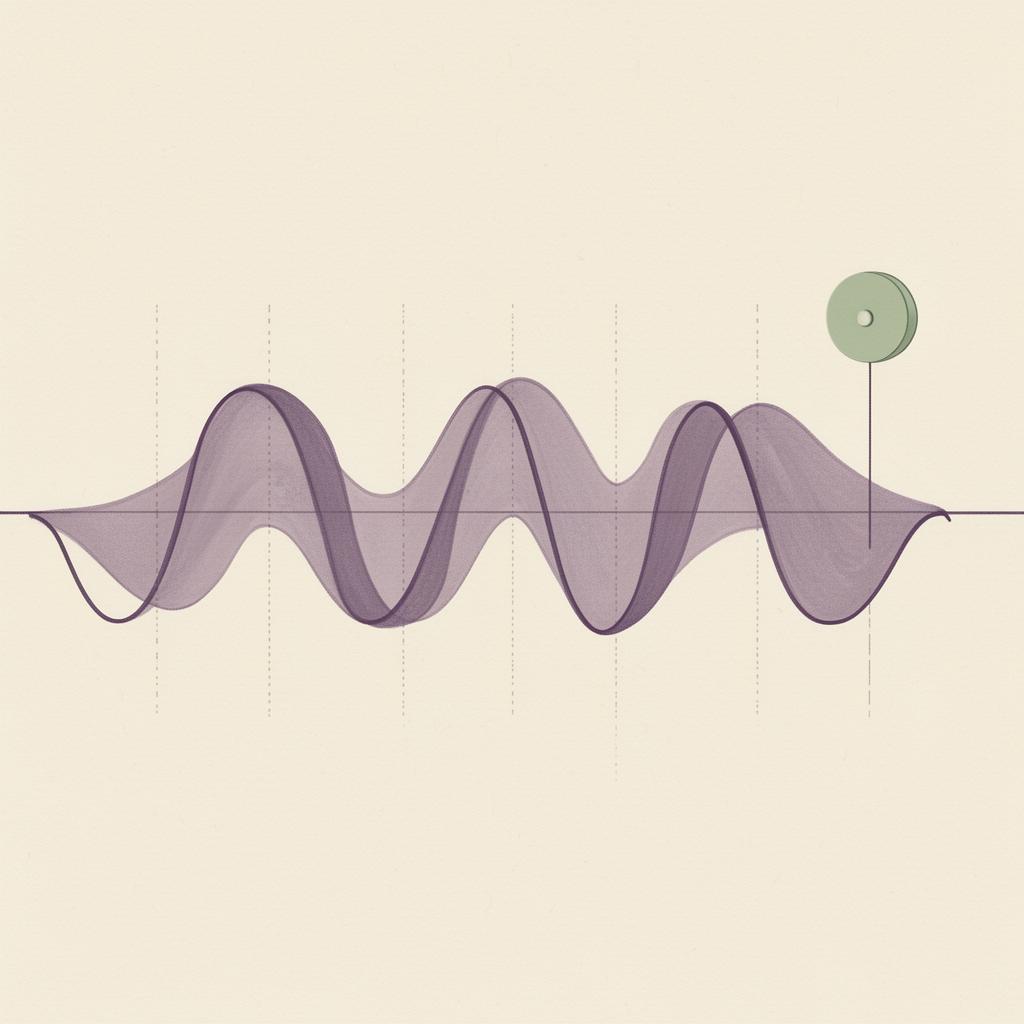
I used to think continuous glucose monitors were purely dietary tools. I’ve completely changed my mind. The wellness industry has somehow taken a profound, real-time window into the autonomic nervous system and turned it into a punishment mechanism for eating a banana. The current obsession with flattening every spike treats a complex physiological feedback loop as a simple willpower test. If you are tracking the exact carbohydrate count of your lunch while ignoring the back-to-back meetings surrounding it, you are missing the plot. A blood sugar curve is a direct, minute-by-minute readout of your stress load.
You know the texture of this dysregulation long before the plastic disc on your arm sends an alert to your phone. It’s the 3pm jaw clench that arrives right as your afternoon flatlines. It’s staring into the open fridge with absolutely no hunger, your brain desperately seeking a dopamine hit to clear the static. You feel tired but wired at 9pm, scrolling through tomorrow’s calendar while your body physically drags. You wake up at 3am every night with your heart pounding, convinced you forgot an email. You feel anxious for no reason after a morning of harmless calls. That is your liver dumping fuel for a chase scene that never happens.
Common Questions
What is a continuous glucose monitor?
A CGM is a small wearable sensor that tracks glucose levels in the interstitial fluid just under your skin. It sends readings to a phone every few minutes, providing a continuous curve of blood sugar rather than a single snapshot from a finger-prick test.
Why does blood sugar fluctuate?
Blood sugar rises and falls based on a combination of inputs, including food, physical activity, and autonomic arousal. The body releases stored glucose in response to both mechanical demands, like lifting heavy things, and psychological demands, like perceiving a threat.
Do you need a CGM if you are not diabetic?
These devices were developed for diabetes management, but they serve as an effective biofeedback tool for anyone. They make invisible physiological events visible, showing exactly how sleep duration, minor stressors, and movement change your internal state.
How does stress change blood sugar?
Psychological stress triggers a biological survival sequence. The brain commands the adrenal glands to release cortisol, which prompts the liver to flood the bloodstream with glucose. This provides immediate fuel for muscles to handle a physical emergency.
The Threat Response Is Not a Diet Problem
Your body runs a non-negotiable protocol for dealing with threats: the HPA axis. This is the stress-hormone loop running from your brain down to your adrenal glands and back up again. When the brain detects danger, it triggers the release of cortisol. Cortisol has a very specific job description. It tells your liver and muscles to dump their stored glucose directly into the bloodstream. It is an ancient, elegant survival mechanism designed to fuel your muscles to fight or flee.
The problem is that your twenty-first-century body is running Iron Age software. It cannot distinguish between a predator in the brush and a passive-aggressive Slack message from your manager. Your body has prepared you to sprint across a savanna. You respond by sitting perfectly still in an ergonomic chair and typing "sounds good, thanks" into a text box. With no physical release to use up that fuel, the sugar just circulates, contributing to systemic static. The sensor on your arm is showing you a perfectly executed biological response to a non-existent physical threat.
The Autonomic Consequence of Bad Sleep
When I review client data, I rarely look at the food log first. I look at what happened the night before. Poor sleep is a profound systemic stressor that changes how the body handles every input the next day. During deep sleep, the brain runs a clearing cycle called the glymphatic system, washing metabolic waste out of the brain tissue. When you truncate that cycle, the entire nervous system stays on high alert.
Disrupted sleep architecture pushes the autonomic nervous system into sympathetic, fight-or-flight dominance. It leaves a tiny region in your brainstem called the locus coeruleus—your brain's novelty detector and alarm system—on a hair trigger. An overactive locus coeruleus degrades metabolic control. The exact same meal that causes a gentle rolling curve on a well-rested day will produce a jagged, aggressive spike after a night of poor sleep. You didn't lose your discipline overnight. You lost your physiological capacity.
Rebuilding Interoception
The goal of wearing a tracker is to establish a temporary baseline, not to turn you into the world's most tedious dinner guest forever consulting a graph before ordering a side dish. The actual objective is to rebuild interoception. This is the felt sense of your body’s internal state, the ability to notice the subtle shift in temperature that precedes a craving or the hum of static behind your eyes after a tense conversation.
Modern professional life requires the system to override these signals constantly. The device simply provides the data to validate the feeling. When you feel foggy and irritable three hours after lunch, the app confirms the crash. After a few weeks of pairing the physical sensation with the digital confirmation, you no longer need the hardware. You recalibrate your own sensory baseline. A short daily log in the Journal accelerates this process, linking the external event to the physical feeling.
The Mechanical Intervention
I stopped recommending restrictive carb-cutting a long time ago. The work is building a nervous system flexible enough to handle a slice of cake without sounding all the metabolic alarms. When your system is in a state of nervous system regulation, it has the bandwidth to manage heavy inputs.
You change the state by changing the physical inputs. A ten-minute walk after a meal is a mechanical intervention. The gentle movement serves as a physiological signal to the brain that the environment is safe, while the muscular contractions physically pull excess glucose out of the blood. It nudges the autonomic nervous system toward a parasympathetic state. If you are stuck at a desk during a stress spike, an immediate breathing tool from the Hacks library can force the same down-regulation in sixty seconds.
A monitor measures your nervous system's opinion of your day, not the contents of your plate.
What to do this week
- Test a stress spike. Pick a time you know will be stressful, like a difficult conversation or a heavy meeting. Eat nothing for two hours beforehand. Watch your glucose curve. Notice the sharp rise that happens entirely without food.
- Walk for ten minutes. After your largest meal, go for a slow amble. Do not power walk or track your heart rate. Compare the data on a day you walk to a day you sit on the couch.
- Name the craving. The next time you feel a sudden, intense urge for a starchy snack, pause. Identify the feeling underneath it. Is it boredom, fatigue, or the desire to escape a task? Write the word down.
- Secure morning light. Get outside for five minutes of direct sunlight within fifteen minutes of waking. This sets the circadian clock, dictating your metabolic rhythm for the next twelve hours.
Where this fits in the Kokorology system
Treating metabolic health as an autonomic issue is central to the framework. A volatile curve is a lagging indicator of your baseline capacity. Learning to read and influence these physiological signals is a core module inside the Regulation course, where Kokorology move from chasing symptoms to recalibrating the system from the ground up.
Closing
The numbers on a screen are just a map of a deeper territory. Flattening a curve by eating nothing but almonds is avoiding the problem. The real work is building an adaptable, resilient body that can handle life’s inputs with grace and minimal drama. Do the physical work to shift the state, and the numbers will follow.
- Sit with this in the Kokorology Journal. Track your daily curves alongside your sleep, stress, and energy to see the full picture. Practice it daily inside the Journal.
- Start with the 7-day Reset. A structured program to recalibrate your core systems—sleep, light, and regulation—that underpin metabolic health. Begin the Reset here.
- Get the free guide. Understand the mechanics of your autonomic state, delivered directly to your inbox. Download Your Free Guide.
TL;DR
Continuous glucose monitors are transitioning into mainstream wellness tools, but users mistakenly treat them as simple dietary scorecards. A blood sugar curve actually functions as a direct readout of your nervous system's current capacity. Chronic stress triggers the HPA axis to flood the bloodstream with fuel, while poor sleep degrades autonomic control and creates systemic static. The objective is to build a regulated, resilient nervous system capable of managing these stressors, using movement and interoceptive awareness rather than restrictive diets.
Sources
- Dagum, P., et al. (2025). A wireless device for continuous measurement of brain parenchymal resistance tracks glymphatic function in humans. Nature Biomedical Engineering.
- McEwen, B. S. (2017). Neurobiological and Systemic Effects of Chronic Stress. Chronic Stress.
- Leproult, R., & Van Cauter, E. (1999). Role of sleep and sleep loss in hormonal release and metabolism. Endocrine Development.
- Critchley, H. D., & Garfinkel, S. N. (2017). Interoception and emotion. Current Opinion in Psychology.