Daily read · 18:00
Wellness goes tactical: from AI in gyms to biotech in gene repair
Today's news shows that the wellness industry is leaning into precision, from highly specific biotech advancements to personalized fitness and nutrition, while regulatory bodies struggle to keep pace.
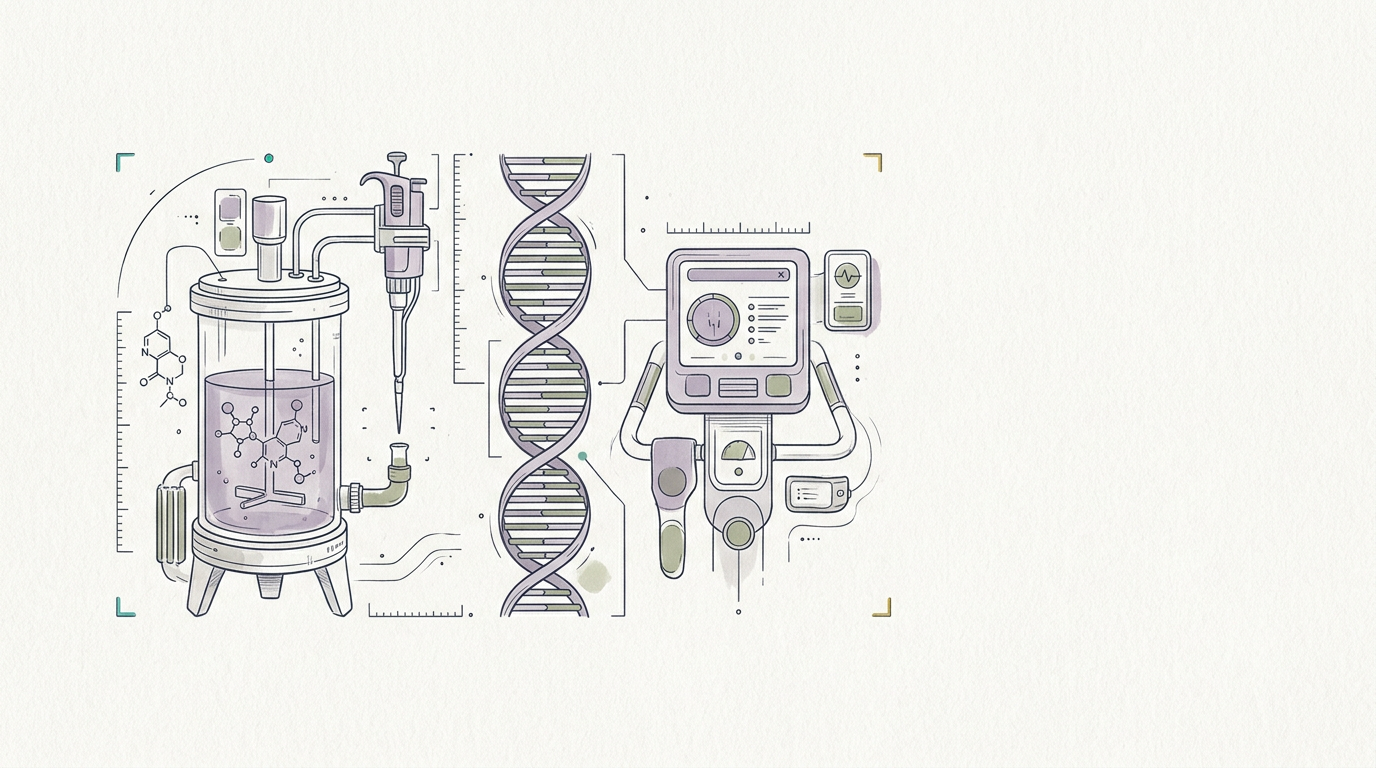
Today's news shows that the wellness industry is leaning into precision, from highly specific biotech advancements to personalized fitness and nutrition, while regulatory bodies struggle to keep pace.
1. Precision biotech's next frontier: gene and cell repair
New methods for gene-editing and cell delivery promise more targeted treatments. AI helps make CRISPR specific, and ultrasound delivers gene therapies directly, reducing systemic side effects and improving efficacy. This means fewer off-target effects and better hit rates for complex diseases.
Watch for more focused applications of gene therapy. This precision offers hope for previously untreatable genetic conditions, but also raises questions about accessibility and cost.
Evidence from today:
- AI helps CRISPR create more precise 'molecular scissors' — Researchers at Stanford University, led by Dr. Elizabeth Chen, used AI to engineer new CRISPR enzymes that are more specific than current gene-editing tools. Published in Nature, this development allows for highly targeted genetic corrections, reducing off-target effects. It's a leap forward for therapeutic gene editing, making future treatments safer and more predictable for human cells.
- Sonathera to use ultrasound for gene therapy delivery — Sonathera is developing a new method to precisely deliver gene therapies into cells using ultrasound. This approach could significantly impact muscular dystrophy and other genetic diseases by bypassing the usual viral vectors and targeting therapy to specific areas.
- Sperm production restored after testicular tissue transplant in men — Scientists have successfully restored sperm production in men previously unable to create it, using transplanted testicular tissue. This study suggests a novel approach for male fertility beyond current treatments like sperm retrieval or donor options. The findings could offer new avenues for individuals with certain types of infertility.
2. The AI integration wave hits health and fitness
AI is moving from theoretical to operational, impacting everything from gym management to clinical decisions. It optimizes workflows and personalizes experiences in fitness, while also trying to streamline complex regulatory processes like prior authorization in healthcare. This uses data to predict and adapt, improving efficiency and tailoring interventions.
Expect AI to become embedded in your fitness apps and gym routines. In healthcare, it means faster decisions, but also new ethical debates around algorithm bias and accountability.
Evidence from today:
- AI in fitness gives early adopters a compounding advantage — Fitness operators who integrate AI early will gain a significant, accelerating edge. This advantage grows with each interaction as data refines personalized wellness tools. Think better programming informed by biometric data, not just scheduling chatbots.
- ABC Fitness brings AI to gym operations, personalizing workouts. — ABC Fitness Solutions launched an AI-powered operating system for gyms. It automates workflows, integrates systems, and creates personalized experiences, impacting how gyms offer tailored fitness and recovery programs.
- GOP blocks effort to stop AI-driven Medicare prior authorization test — Republicans in the US Senate blocked an attempt to end Medicare's pilot program testing AI for prior authorization approvals of medical services. This program, initiated by the Trump administration, uses artificial intelligence to decide whether to approve care, raising concerns about potential delays and denials for patients.
3. Mind-body connection gets physical, literally
Physical and mental states are deeply intertwined, with loneliness amplifying pain and cultural activities slowing biological aging. Exercise reduces stress-induced eating by modulating cortisol. This suggests that how we feel emotionally directly impacts our physical health and aging processes, not just our mood. Vagal tone and hormonal responses are key here.
Don't underestimate the physical impact of your emotional state or your social life. Prioritizing social connection and cultural engagement isn't just 'nice to have,' it's a longevity strategy.
Evidence from today:
- Museums, concerts linked to slower biological aging, longer life — Engaging in various cultural activities, like visiting museums or attending concerts, is associated with a slower biological aging process and increased longevity, according to a recent meta-analysis of multiple studies across thousands of participants. Researchers suggest these activities foster social connection and cognitive stimulation, reducing stress and boosting overall well-being. This finding suggests that integrating cultural engagement into daily life could be a simple yet effective strategy for healthy aging.
- Loneliness amplifies pain perception, new research confirms. — A new review in Nature News highlights how social isolation can intensify the physical experience of pain. This phenomenon points to the brain's complex integration of emotional and physical states, suggesting that social connection isn't just about mental well-being, but also managing physical discomfort.
- Exercise May Reduce Stress-Induced Overeating — A new study in Physiology & Behavior suggests regular exercise can mitigate stress-related changes in eating behavior. Researchers found that active individuals felt less hunger and had lower cortisol responses when stressed, compared to their sedentary peers. This means physical activity might be a solid buffer against those comfort food cravings when life gets wild.
4. Regulators and industry clash on validity and visibility
There's a growing tension between industry innovation, public discourse, and regulatory oversight. Whether it's supplement claims, food safety, or the 'hype' around perimenopause, the question is who validates what, and who controls the narrative. This affects consumer trust and proper resource allocation.
Be skeptical of both under-regulated products and overly dismissive critiques. Look for transparent data and listen to varied perspectives, not just the loudest voices.
Evidence from today:
- Ubiquinol supplements often underdose, study finds — A recent analysis revealed that many ubiquinol supplements on the market contain significantly less of the active ingredient than their labels claim. Nearly half of the tested products failed to meet label claims, with some having as little as 10% of the stated ubiquinol. This suggests consumers aren't getting the intended dose for mitochondrial support.
- Perimenopause 'Hype' Might Actually Be Women Talking — MIT Technology Review asks who benefits from the current perimenopause spotlight, suggesting it might be overhyped. The piece dives into the recent explosion of products and conversations around this life stage. But they miss how personal experience is driving the market, not the other way around.
- Taco Bell lettuce causes parasitic infections in five states — Health officials confirmed that lettuce from Mexico, served at Taco Bell, caused a cyclospora parasitic outbreak in five US states. The parasite led to severe diarrhea and gut issues for consumers. This outbreak highlights ongoing food safety concerns in the supply chain.
- CDC Cyclospora Lab Downsized Year Before Outbreak — Weeks before a widespread Cyclospora outbreak linked to fresh produce, the CDC's lab responsible for detecting the parasite had its budget and staffing cut. The cuts, made by the Department of the Treasury (DOGE) last year, mean outbreak responses will be 'greatly diminished,' according to a former CDC lab director. This reduction impacted the ability to rapidly identify and respond to foodborne illnesses.
Also moved today
- GSK halts development of chronic cough treatment (STAT News) — GSK canceled its chronic cough drug, leaving few non-opioid options for a persistent, debilitating condition.
- Spaceflight shrinks astronaut mitochondria, hints at aging (Nature News) — Spaceflight shrinks astronaut mitochondria, suggesting a mechanism for accelerated aging in microgravity and potential targets for intervention.
- New face wearables track body signals invisibly (Nature News) — Invisible facial sensors can track subtle health metrics, pointing to a future of truly discreet personal health monitoring.
- Insurers walk back Trump-era pledge to ease prior authorizations (KFF Health News) — Insurers are walking back pledges to ease prior authorization, creating more hurdles for patients needing care.
- Supernatural VR fitness app gets a relaunch with in-person events (Athletech News) — Supernatural VR fitness is relaunching with in-person events, signaling a hybrid future for digital exercise that blends virtual convenience with real-world community.
- Thorne CEO wins award for driving supplement brand to $650M revenue (New Hope Network (Natural Products Expo)) — Thorne’s CEO won an award for growing the supplement brand to $650M, proving continued consumer demand for science-backed nutrition.
- Outdoor mattress guide: better sleep in the woods (Outside Online) — A guide to outdoor mattresses shows serious gear consideration for recovery, even when sleeping outside.
- Diet's surprising connection to chronic back and neck pain (Mindbodygreen) — Diet and inflammation are now linked to chronic back and neck pain, meaning nutrition is a crucial factor beyond ergonomics.
- Olympic skier Jessie Diggins shares ultra-running fueling and recovery secrets (Mindbodygreen) — Olympic skier Jessie Diggins shared her ultra-running fueling and recovery secrets, highlighting extreme endurance sports' specific nutritional demands.
- Study Links Muscle Quality to Bone Health in 251 Adults (Mindbodygreen) — Muscle quality, not just mass, predicts bone health, shifting focus to intelligent strength training for longevity.
What I'd watch next
Keep an eye on how new biotech delivery mechanisms get funded and whether regulators can build systems that keep pace with rapid AI integration in consumer and clinical settings. Also, watch for the public health fallout from federal budget cuts.