Daily read · 18:00
Your Body, Your Rules: Ditch the Dogma, Embrace the Pragmatic
Today's take: blanket health advice rarely applies; your personal physiology and real-world needs dictate what actually works.
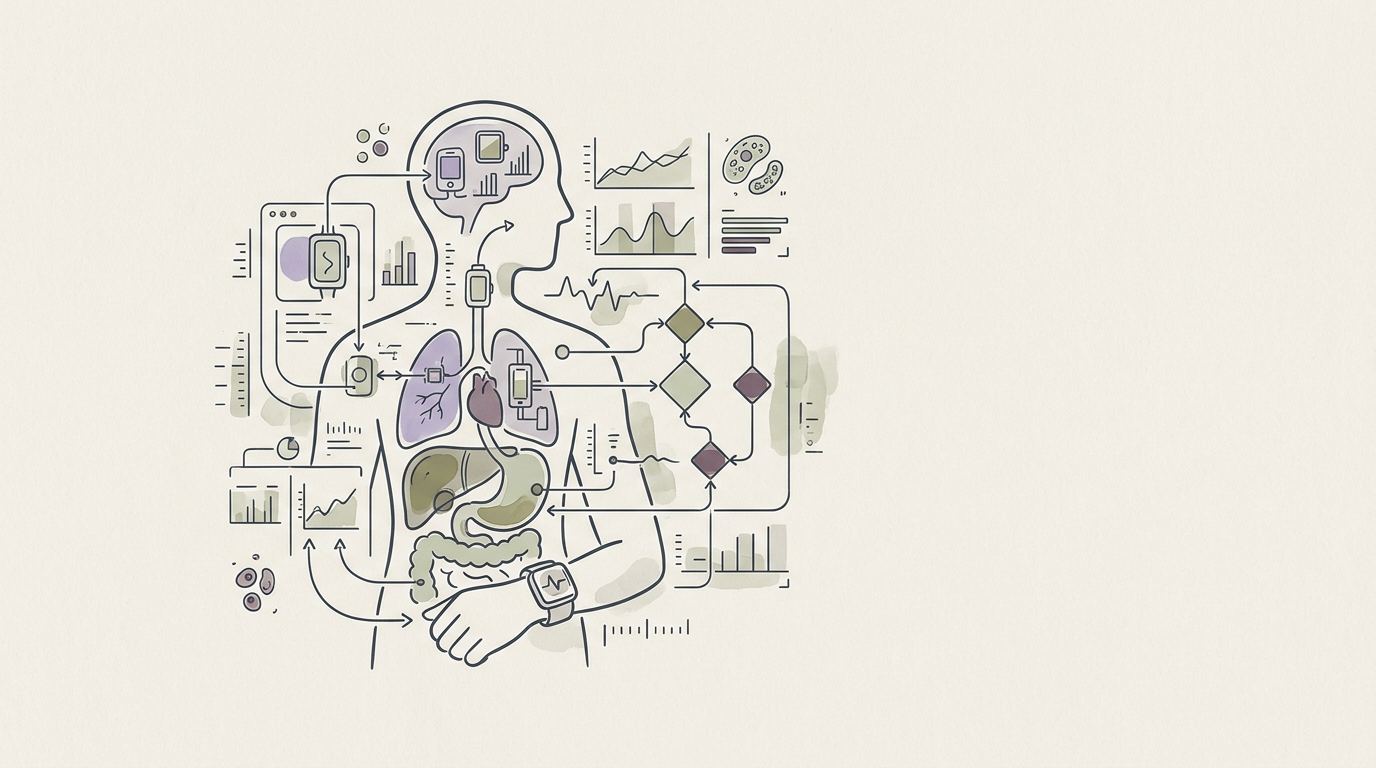
Today's take: blanket health advice rarely applies; your personal physiology and real-world needs dictate what actually works.
1. Chronotypes Trump Clean Eating
Your internal clock impacts metabolic hormones like insulin, blood sugar regulation, and fat storage. Going against your natural chronotype can worsen these markers, even if your diet and activity mimic an 'early bird'.
Genetic predispositions for 'night owl' or 'early bird' are real. You can't just tough it out; understand your biology and adjust your schedule, not just your diet, for better metabolic health.
Evidence from today:
- Night Owls Metabolize Differently, With Higher Insulin Resistance — A new peer-reviewed study in Obesity found that night owls (late chronotypes) have significantly lower markers of metabolic health, including higher insulin resistance and fat mass, compared to early birds, even with similar activity levels and sleep duration. The research, led by Dr. Steven Malin at Rutgers University with 51 healthy adults, suggests your internal clock influences more than just your sleep schedule.
- Study: Complex Carbs Linked to Better Weight Outcomes — A global meta-analysis of over 200 studies involving 6,000 adults found that diets high in complex, unprocessed carbohydrates were associated with lower body weight and improved metabolic health, while refined carbs showed the opposite effect. The research suggests that not all carbohydrates impact metabolism the same way, pushing back on blanket carb-restriction recommendations.
2. Survival Hacking at the Edge of Performance
Extreme physical exertion breaks down skin barriers and taxes the nervous system. Simple, low-tech solutions like barrier creams can be more effective than complex 'recovery tech' at preventing mechanical damage and inflammation.
Don't overthink it in high-stress situations. Sometimes the cheapest, most basic tools keep you safer and performing longer by addressing fundamental physiological needs.
Evidence from today:
- Rob Lea used diaper cream and Bag Balm for epic swim challenge — Athlete Rob Lea completed the grueling Double Seven Challenge by using unlikely skincare heroes: diaper cream and cow udder balm. These products prevented chafing and protected his skin during the seven-day, seven-major-swim endurance event, highlighting a pragmatic approach to athletic recovery and skin barrier protection.
- Red light masks: which ones actually work? — A deep dive into four popular red light therapy masks unpacks what they promise versus what they actually deliver for skin health. One editor tested current options on the market, checking usability and tech specs to see which devices are worth the hype. The findings lean towards higher-end models for noticeable results.
3. Targeted Gut Biome, Bigger Ripples
The gut microbiome isn't just about digestion; specific bacterial strains can influence systemic effects like immune response and mood. Vitamin D's interaction with the gut also plays into this, impacting nutrient absorption and neurotransmitter production.
Vague 'gut health' advice is out. We're moving towards identifying and using precise probiotic strains for specific outcomes, from mood regulation to enhancing medical treatments.
Evidence from today:
- New research expands Vitamin D's role in gut health + mood — This year, scientists have been digging deeper into Vitamin D, finding links to improved gut microbiome diversity, better mood regulation, and even a new role in muscle function. They've also shown that optimal levels vary more than previously thought, especially for people with darker skin. It's not just about bone health anymore.
- Specific Probiotic Strain May Boost Cancer Treatment Effectiveness — New research suggests a specific probiotic strain could enhance the efficacy of cancer treatments. This discovery points to the gut microbiome's role in therapeutic responses, offering a novel approach to improving patient outcomes. It’s early days, but the pre-clinical data is promising for future human applications.
4. Community, Not Just Cocktails, for Mental Health
Social connection and mentorship directly impact stress physiology by buffering cortisol response and fostering a sense of belonging, which is crucial for nervous system regulation and mental resilience.
For struggling populations, abstract mental health interventions often miss the mark. Concrete community building, particularly for men and boys, offers a more direct path to emotional regulation and stability.
Evidence from today:
- Boys' Club of NY tackles male mental health with belonging, mentorship — The Boys' Club of New York is building mental health resilience in young men through structured social connection and mentorship. They've found that strong community ties and positive adult role models are key to buffering stress and anxiety in an age where male mental health is a growing concern. It’s working: members show higher self-esteem and reduced risky behaviors.
- Breathing app helps manage labor pain without distraction — This new app, Breathing In Labour, offers guided breathing exercises designed specifically for women in labor. It aims to reduce reliance on pain medication and promote a calmer birth experience through focused breathwork.
Also moved today
- Two Workouts Benefit Post-Menopause Heart Health (Mindbodygreen) — Resistance and HIIT training are proving key for post-menopause heart health, directly impacting inflammatory markers and vascular function as estrogen declines.
What I'd watch next
Keep an eye on how personalized interventions, based on genetic and chronotype data, start to reshape standard wellness advice, moving past one-size-fits-all recommendations. Watch for more granular probiotic research to hit human trials.