ADHD Knowledge Worker · Toronto
ADHD Workplace Capacity Nervous System: From 3 to 14 Days On-Task
An ADHD knowledge worker in Toronto expanded his ADHD workplace capacity nervous system, boosting consecutive on-task days from 3 to 14.
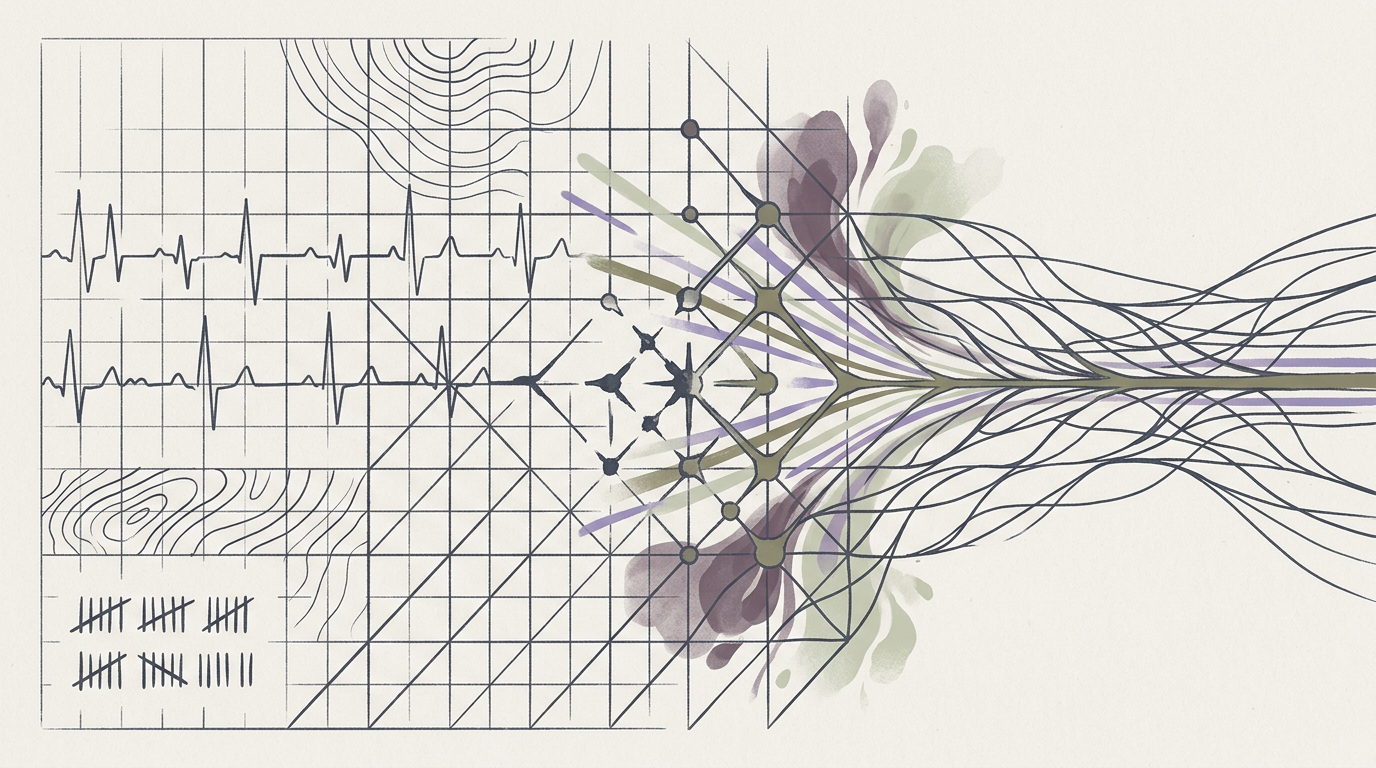
ADHD Workplace Capacity Nervous System: From 3 to 14 Days On-Task
A 33-year-old ADHD knowledge worker in Toronto boosted his consecutive on-task work days from 3 to 14 and reduced his self-reported crash severity from 9 to 3 out of 10 in just six weeks. Most people would have called this burnout. It wasn't — it was a classic case of an unmanaged sympathetic-dorsal oscillation, not a lack of grit or intelligence. He just needed a better operating system for his brilliant but sensitive nervous system.
The presenting state
When we first connected, this gentleman was hitting a wall. His manager was eyeing performance reviews, and he was cycling through periods of intense, high-output work—brilliant sprints, really—followed by a total energy crash that lasted three days. He described it as his brain simply 'turning off,' leaving him utterly unproductive and profoundly frustrated. It wasn't about motivation; the internal machinery was just seizing up.
Physiologically, we were looking at a nervous system stuck in a highly reactive loop: periods of intense sympathetic nervous system activation, driving his focus and output, followed by an abrupt, unavoidable plunge into a dorsal vagal state. This wasn't merely fatigue; it was a deeply protective immobilisation response, a total system shutdown when perceived demands outstripped his capacity. His interoceptive signals, the internal body sense {Critchley, 2004}, were completely out of whack – he literally couldn't feel the escalating tension until it was too late. He'd hit the redline without even noticing the amber.
The protocol
Our approach wasn't about suppressing his ADHD brilliance but expanding his ADHD workplace capacity nervous system by better regulating his autonomic state. The key was to proactively manage the sympathetic discharge and build in deliberate, restorative dorsal-rest windows, ensuring his system had time to recover before hitting the wall. This isn't about mere 'breaks'; it's about intentional physiological recalibration. We focused heavily on the gut-brain axis, knowing its profound influence on vagal tone and mood {Carabotti et al., 2015}.
- Pre-deep work sympathetic discharge routine (e.g., short, intense exercise burst)
- Scheduled dorsal-rest windows: 20 minutes, device-free, eyes closed, non-sleep deep rest
- High-protein breakfast to stabilise blood glucose and neurotransmitter precursors
- Weighted breath holds: specific protocols to modulate CO2 sensitivity and recruit the vagus nerve
- Ventral co-regulation: incorporating a 'body double' for highly complex tasks
- Evening down-shift ritual: structured wind-down to signal safety to the nervous system
What changed
The shift was quite dramatic. His consecutive on-task days jumped from an average of 3 to a consistent 14, and his self-reported crash severity plummeted from a debilitating 9/10 to a manageable 3/10. He reported feeling a profound sense of agency and reliability, finally able to trust his own operating system. He wasn't 'cured' of ADHD, but he had developed a reliable framework to manage its demands in a high-stakes environment.
My favourite bit? The subtle, but critical, increase in the fractal complexity of his heart rate variability power spectrum. It wasn't just a higher HRV score; the pattern of his HRV became more adaptable, less rigid. This indicates his nervous system was gaining more flexible control over its various states, rather than flipping between extremes. It's like turning an on-off switch into a dimmer. He was finally interoceptively 'catching' the subtle shifts before they became cascades of overwhelm.
Most people think you need more discipline. You don't. You need a better nervous system, and that's entirely trainable.
TL;DR
An ADHD knowledge worker struggling with cycles of intense work followed by debilitating crashes learned to regulate his nervous system, dramatically improving his ADHD workplace capacity. By proactively managing sympathetic activation and integrating scheduled restorative practices, he increased his consecutive productive workdays from 3 to 14, effectively circumventing the physiological shutdowns that previously derailed him. It’s about working with the nervous system, not against it, to build sustainable performance.
Where to take this next
Building sustainable capacity is never a set-it-and-forget-it deal; it's a dynamic system requiring ongoing calibration. For many, this foundational work clears the deck for deeper dives into emotional regulation, cognitive load management, or even advanced sleep optimisation. The body's signals are constantly changing, and so should our strategies.
If you recognise yourself in this story and want to explore how better nervous system regulation can unlock your potential, consider the ADHD Capacity Anchor Program or book a 1:1 coaching session for a bespoke protocol. For a taste of what's possible, grab the free 7-Day Nervous System Reset.
Sources
- Carabotti, M., Scirocco, A., Maselli, M. A., & Severi, C. (2015). The gut-brain axis: interactions between enteric microbiota, central and enteric nervous systems. Annals of Gastroenterology: Quarterly Publication of the Hellenic Society of Gastroenterology, 28(2), 203–209. link
- Critchley, H. D., Wiens, S., Rotshtein, D., Öhman, A., & Dolan, R. J. (2004). Neural systems supporting interoceptive awareness. Nature Neuroscience, 7(2), 189–195. link