Nervous System
The Quiet Practice: Finding Nervous System Regulation in Daily Life
Effective nervous system regulation in daily life is not an endpoint to achieve but a quiet, continual practice of noticing and responding with care.
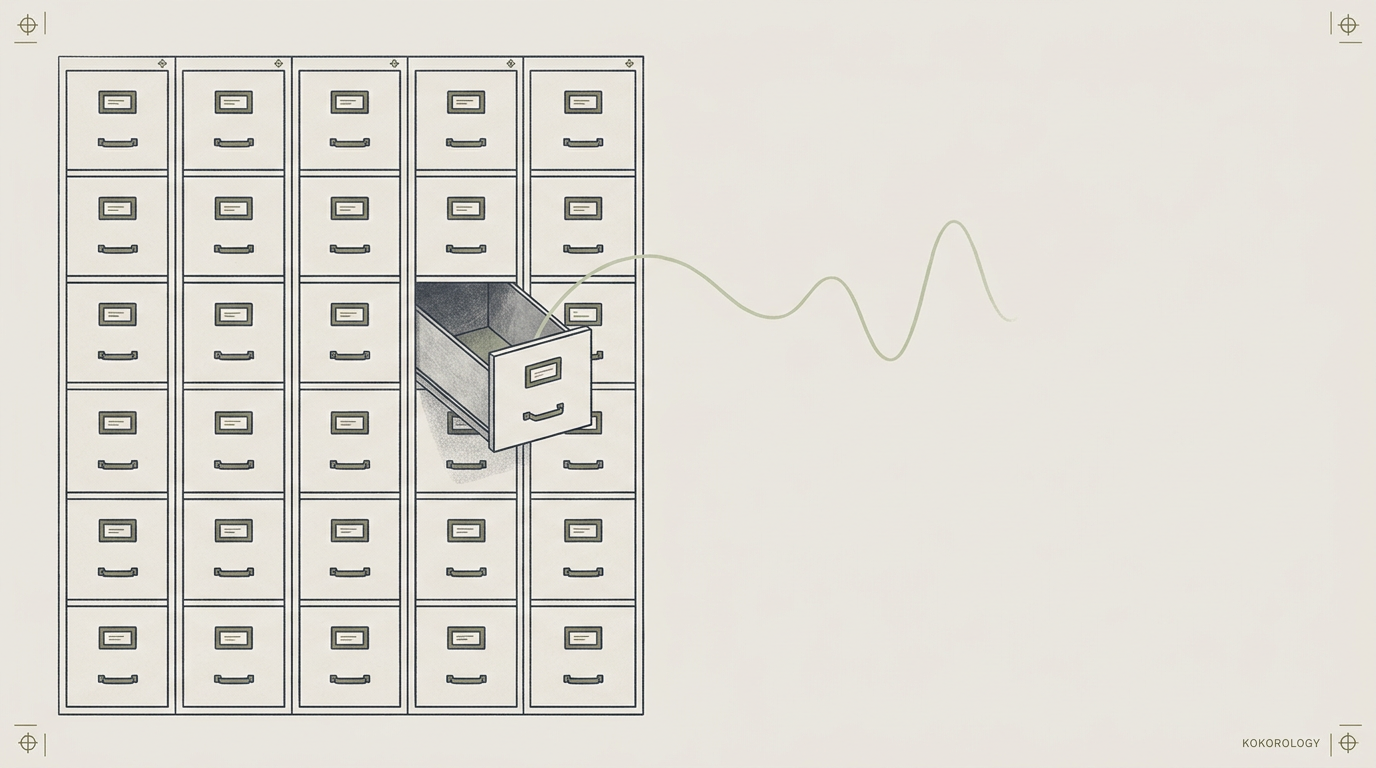
The wellness industry treats effective nervous system regulation in daily life as a destination you reach after completing enough expensive sound baths. I used to believe that if I just meditated perfectly, I would permanently escape stress and float through my week unbothered. That is a curriculum for failure. You are simply building the capacity to notice the physiological state you are in and shift the internal machinery back toward safety.
You know the exact texture of a system running beyond its capacity. It's the 3pm jaw clench you only notice when your teeth start to ache. It's opening the fridge with no hunger, staring at the middle shelf while your shoulders sit rigid by your ears. You are exhausted but can't rest, lying in bed at 11:47pm while your brain plays a highlight reel of every awkward conversation you've had since college. That is the classic tired but wired state. You might feel anxious for no reason in the middle of a perfectly safe Tuesday. Your biology is operating exactly as designed. The threat-detection circuits are simply locked in the on position.
Common questions
How do I know if I am regulated?
You experience a sense of calm engagement. The physical cues include a relaxed jaw, the ability to take a full breath, and a melodic tone of voice. Your prefrontal cortex is fully online, allowing you to process incoming information without immediately interpreting it as a threat.
What if I cannot shift my state?
A healthy nervous system gets stuck occasionally. When the system carries a heavy allostatic load, it prioritizes survival over relaxation. The immediate move is to stop forcing a shift. You acknowledge the sympathetic arousal and offer a basic sensory cue of safety, like deep pressure or warmth.
Is perfect regulation possible?
Biological health demands flexibility. You don't just need calm; you need sympathetic arousal to meet a deadline or catch a falling glass. The goal is adaptability. You want the capacity to mobilize for a challenge and then efficiently pull the vagal brake to recover your baseline state.
The Optimization Trap
Kokorology've somehow turned the act of existing inside a human body into a competitive sport. People track their sleep staging and resting heart rate with the same frantic energy they bring to their quarterly performance reviews. I'm calling it. When you treat regulation as a metric to crush, you guarantee dysregulation. The inbox has never once been impressed by your heart rate.
Most people treat a dysregulated nervous system like a broken appliance they can fix by yelling at it. The shame of feeling anxious triggers more anxiety, flooding the system with cortisol. Self-compassion acts as a direct physiological intervention on the HPA axis. Offering yourself grace in a moment of perceived failure introduces a novel cue of safety to the brain, physically interrupting the stress-hormone loop.
The Machinery of State
To navigate this properly, you have to understand the biological circuitry. Kokorology rely heavily on interoception, which is the brain's ability to perceive sensations inside the body. When interoceptive signaling gets scrambled by chronic stress, the brain misinterprets a tight chest as a life-threatening emergency rather than the predictable result of drinking three espressos on an empty stomach.
The autonomic nervous system shifts between distinct physiological states based on this sensory data. Sympathetic arousal prepares you for fight-or-flight, driving up heart rate and narrowing your visual focus. When the system detects safety, it engages the vagal brake, activating parasympathetic recovery. Heart rate slows, digestion resumes, and social engagement comes back online. If the threat is overwhelming, the system drops into a severe conservation mode, manifesting as systemic shutdown or dissociation. You move through these states daily. Proper nervous-system regulation involves becoming intimate with the texture of each transition.
Regulation is a fluid dance to be attended to, not a fixed metric to be achieved.
The Ordinary Tuesday
The belief that regulation happens on a silent retreat keeps you disconnected from your actual life. The work is happening right now. This ordinary Tuesday is the practice.
The hum of the refrigerator, the feeling of your socks on your feet, and the warmth of the mug in your hands hold immense therapeutic value. These mundane sensory inputs are your entry points back into the present moment. They serve as micro-moments of safety, existing quietly alongside the noise of a stressful day. You build capacity by intentionally tuning your attention to them. I've stopped recommending complex, hour-long protocols for people actively drowning in their schedules. A ten-second intentional sigh while waiting for the kettle to boil changes the state.
What to do this week
- Catch the breath hold. Notice when you stop breathing while reading emails. Exhale forcefully through the mouth to restart the rhythm.
- Track the physical transitions. When you move from your car to your desk, notice the temperature change on your skin.
- Practice a heavy sigh. Once a day, let out an audible, dramatic sigh. Kokorology cover these micro-adjustments in Hacks because they act as a mechanical reset for the diaphragm.
- Surrender to the 3pm slump. When the fatigue hits, don't try to push through it with sheer willpower. Lean back, close your eyes for sixty seconds, and let the system recalibrate.
Where this fits in the Kokorology system
This understanding of daily capacity forms the foundation of the entire approach. You can study the mechanics of these state shifts inside the Library. If you need immediate, physical interventions to signal safety to a mobilized system, start with the Anchors. For structured support in identifying your unique stress patterns, Kokorology explore this deeply in the 1:1 coaching.
Closing
The ability to repair faster than you burn out requires steady, unglamorous attention. You build it by choosing to notice your physical reality without immediately demanding it be different.
- Start with immediate relief using the Anchors.
- Work with your specific patterns inside 1:1 Coaching.
- Learn the foundational mechanics in the free regulation guide.
TL;DR
Effective nervous system regulation in daily life relies on your ability to notice physiological shifts and introduce small cues of safety. It requires abandoning the pursuit of permanent calm and embracing the flexibility of your autonomic nervous system. By prioritizing interoception and using mundane sensory anchors throughout an ordinary day, you can shift out of sympathetic arousal without relying on complex wellness routines.
Sources
- Hugo Critchley (2023). Interoception and Autonomic Regulation in Stress. Journal of Neuroscience.
- Melis Yilmaz Balban (2023). Brief Structured Respiration Practices Enhance Mood and Reduce Physiological Arousal. Cell Reports Medicine.
- Irwin, M. R., & Cole, S. W. (2011). Reciprocal regulation of the neural and innate immune systems. Nature Reviews Immunology.