Daily read · 18:00
GLP-1 pushes norms, AI faces scrutiny, policy gaps widen
Today, big pharma is pushing the envelope on GLP-1 access, while AI's real-world utility and regulatory oversight are under fire, and global health policy keeps hitting snags.
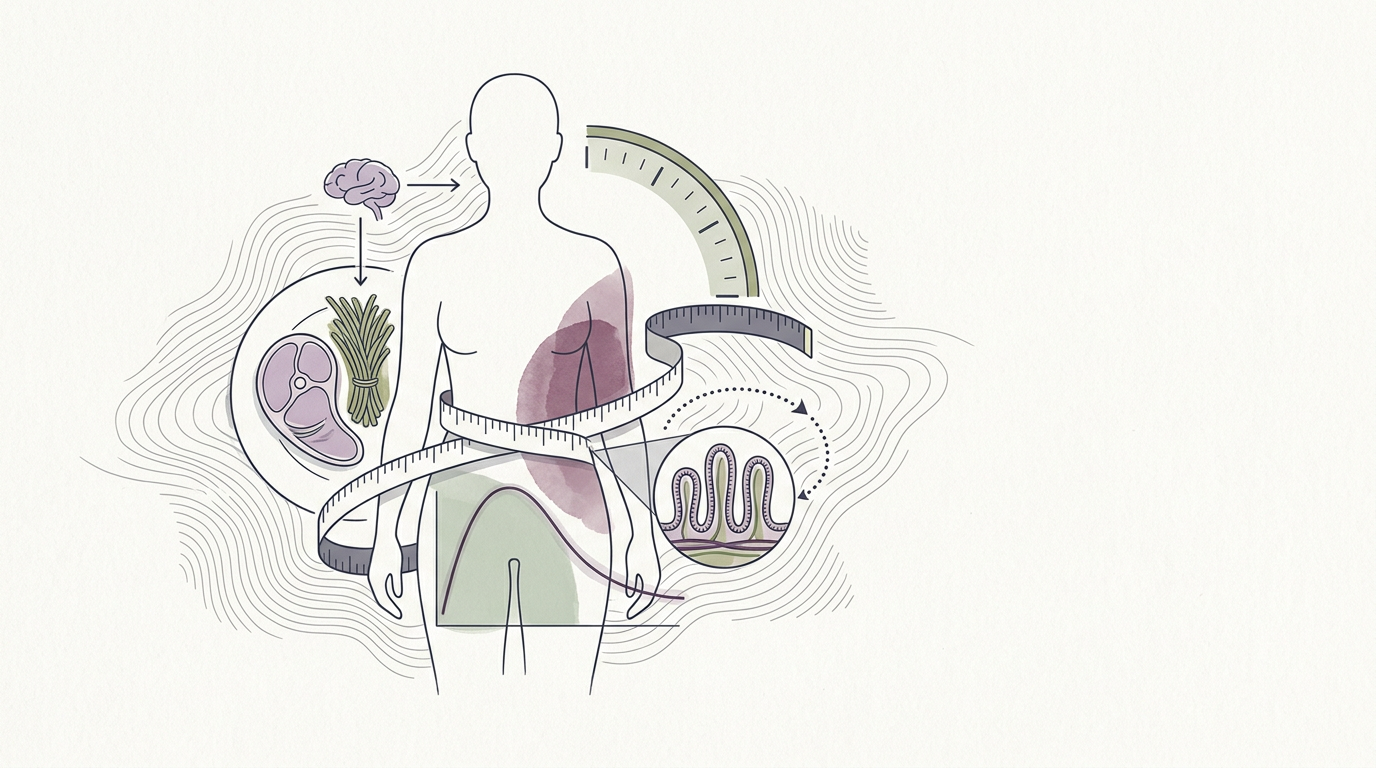
Today, big pharma is pushing the envelope on GLP-1 access, while AI's real-world utility and regulatory oversight are under fire, and global health policy keeps hitting snags.
In today's read: 1. GLP-1 market bypasses traditional pathways · 2. AI's reality check: hype vs. practical application · 3. Global health policy misfires on prevention and equity · 4. Mental health: social and digital costs are mounting
1. GLP-1 market bypasses traditional pathways
Eli Lilly is expanding early access programs for its unapproved GLP-1, retatrutide. This signals that demand for these drugs is so high that traditional FDA trial timelines are being sidestepped.
Watch for more pharmaceutical companies to push for accelerated or expanded access, creating a grey market that could challenge regulatory bodies and insurance coverage models. Whoever controls early access holds a lot of power.
Evidence from today:
- Eli Lilly opens early access to unapproved GLP-1 retatrutide — STAT News — Eli Lilly is expanding its "early access program" for retatrutide, its unapproved triple-agonist GLP-1, after doctors clamored for access. The program was quietly launched for one patient, but now more may get the drug before it clears FDA trials. This signals a new scramble for cutting-edge obesity treatments outside standard channels.
- PCOS doubles heart disease risk beyond classic factors — Deutsches Ärzteblatt — A retrospective cohort study published in The Lancet Obstetrics, Gynaecology, & Women's Health found that women with Polycystic Ovary Syndrome (PCOS, now PMOS) have a significantly higher risk of atherosclerotic cardiovascular disease. This risk persists even after accounting for traditional risk factors like obesity or high blood pressure. It's a signal to healthcare providers and patients to monitor heart health more aggressively in those with PCOS.
2. AI's reality check: hype vs. practical application
AI models struggle with the messiness of real-world biological data because they're trained on 'clean' samples. This creates a gap between laboratory success and clinical utility. Radiologists are also calling out the hype for better evidence.
AI in healthcare isn't about magical algorithms; it's about robust data pipelines and proper validation. Companies that can bridge the gap between idealized training data and clinical reality will win. Regulators like Australia's TGA will likely increase scrutiny on AI tools.
Evidence from today:
- AI models struggle with real-world tissue complexity in spatial biology — Bio-IT World — AI models designed for cell segmentation are falling short in real-world scenarios because they're trained on 'clean' tissue samples. The problem? Actual human tissue is messy and complex. This gap means AI in biology isn't as useful as labs hope for diagnosing conditions or understanding disease mechanisms.
- Radiologists warn against AI hype in health imaging — Croakey Health Media — Australian and New Zealand radiologists are pushing back on the hype around AI in healthcare. They say claims about AI's diagnostic value need better evidence, questioning whether it truly improves patient outcomes or just automates tasks. The message came out of the RANZCR Intelligence26 conference.
- Australia's TGA clamps down on unregulated AI health scribes — Croakey Health Media — Australia's Therapeutic Goods Administration (TGA) is starting compliance action against some AI clinical scribe providers. Experts are pushing for even stricter regulation, citing concerns around data privacy, accuracy, and patient safety. This matters for anyone whose health data gets processed by these tools.
3. Global health policy misfires on prevention and equity
Negotiations for a WHO pandemic treaty are stalled, crucial data on climate change's health impacts are missing in vulnerable regions, and foodborne disease burdens remain high, especially for children. Policy isn't keeping pace with emergent threats or known inequalities.
These breakdowns mean a continued, uneven global health landscape. Public health crises will hit vulnerable populations hardest, and new pathogens will continue to emerge without coordinated response frameworks. This creates ongoing market instability for health organizations operating globally.
Evidence from today:
- WHO pandemic treaty negotiations on hold, again — The Lancet Global Health — WHO member states punted on the Pathogen Access and Benefit Sharing (PABS) annex of the Pandemic Agreement, failing to reach a deal at a Geneva meeting last week. Without this annex, the treaty can't be signed or ratified, delaying global health policy. Expect continued back-and-forth until at least the 80th World Health Assembly.
- Climate change impacts on women and children's health need better data — The Lancet Global Health — A new correspondence in The Lancet Global Health flags a critical lack of health data in low-income and middle-income countries (LMICs) regarding climate change's health impacts on women and children. Researchers identified vulnerability mapping and integrating climate metrics into surveillance systems as top priorities. This gap makes it tough to truly understand what's happening to the most vulnerable populations.
- WHO updates global foodborne disease burden, 2000–21 — The Lancet Global Health — The latest WHO report found foodborne illnesses cause as much sickness and death as HIV/AIDS, TB, or malaria. Covering 42 hazards from 2000-2021, the update highlights the critical need for countries to get serious about food safety strategy. I mean, we're talking about food here – something you literally can't live without.
- WHO warns against slow-walking pandemic preparedness — The Lancet Global Health — WHO Director-General Tedros Adhanom Ghebreyesus cautioned against delaying action on the WHO Pandemic Agreement. He warned that taking too long to finalize global health policy could lead to worse outcomes in future health crises. This comes from an editorial in The Lancet Global Health.
4. Mental health: social and digital costs are mounting
Social isolation physically increases risk for depression and anxiety. Early social media use correlates with significant academic lags. This isn't just about feeling bad; it's about tangible, measurable impacts on cognitive function and well-being.
The market for genuine social connection and digital detox tools will grow. Expect continued policy debates around social media regulation and its impact on youth. Interventions focused on community building and real-world engagement will see increased demand.
Evidence from today:
- Social isolation linked to depression and anxiety in new study — Deutsches Ärzteblatt — A new triangulation analysis from Bristol University confirms social isolation and loneliness don't just feel bad, they physically increase your risk of depression and anxiety disorders. Researchers combined observational studies, sibling comparisons, and Mendelian randomization to strengthen the causal link. The takeaway: your social nervous system is as real as your gut biome.
- Early social media use linked to half a year of missed school — Deutsches Ärzteblatt — Kids who start social media early show a significant academic lag in core subjects, like they missed half a year of school. This effect was observed when comparing them to peers who joined platforms like Facebook, Instagram, or TikTok later. It's a clear signal that early digital exposure isn't just a mood thing, it's a cognitive one.
Also moved today
- Brain Training Tips for Disease Prevention, According to Danish Scientists — Videnskab.dk (Health) — Danish scientists are promoting daily brain exercises to prevent cognitive decline, suggesting consistent mental effort impacts longevity.
- Antiviral drug reduces Long COVID risk after acute infection — Deutsches Ärzteblatt — Pilot data suggests the antiviral drug Paxlovid could reduce Long COVID risk if taken during acute infection, a potential prophylactic for chronic post-viral symptoms.
- Swimming cuts disability in chronic back pain, new study confirms — Deutsches Ärzteblatt — New research confirms swimming reduces disability from chronic back pain, validating low-impact exercise as a treatment pathway.
- Sandoz pays $478.5M to settle generic drug price-fixing charges — STAT News — Sandoz settled price-fixing charges for $478.5 million, highlighting continued scrutiny on generic drug pricing practices that impact patient access and system costs.
- Working longer could damage health, German study warns — Deutsches Ärzteblatt — Germany's debate on raising the retirement age clashes with health warnings about increased stress and chronic disease for older workers, showing the tension between economic policy and public health.
- New Hair Regrowth Treatments Target Androgen Receptors, Follicle Stem Cells — El Médico Interactivo — New molecules targeting androgen receptors and follicle stem cells are being developed for hair regrowth, signaling a shift towards regenerative medicine for hair loss.
- Blood-cleansing therapy may remove forever chemicals — Inside Precision Medicine — Blood-filtering technologies like therapeutic apheresis may soon offer a way to remove 'forever chemicals' and microplastics from the bloodstream, opening a new front in environmental detox.
- Low-protein diets show slower aging in animal studies, with a catch — Mindbodygreen — Animal studies show low-protein diets can extend lifespan, but researchers are cautious about human applicability, implying metabolic pathways are key to aging but diet recommendations need more proof.
- WHO finds foodborne diseases still hit kids hardest — The Lancet Global Health — The WHO's updated report on foodborne diseases confirms they still disproportionately affect children in low-income countries, despite overall declines, calling for more integrated prevention efforts.
- Whole food supplements need transparent sourcing, not just labels — New Hope Network (Natural Products Expo) — The supplement industry is facing pressure for transparent ingredient sourcing, moving beyond labels to demand verifiable claims and processing methods.
Signal map
UK & Ireland: 16 · Europe: 15 · North America: 9 · Global: 8 · Nordics: 2 · Oceania: 2
What I'd watch next
I'll be watching how pharma companies navigate patient demand for new drugs against regulatory approval timelines. Also keep an eye on how AI validation processes evolve as real-world limitations become clearer.
Where this fits at Kokorology
These market dynamics show that clarity is crucial. You want to understand underlying patterns, not just symptoms. That's why I designed the Nervous System Journal, to help you track your own inputs and outputs for clear signals.