Product reviews through a nervous-system lens

Honest, no-affiliate breakdowns of trending wellness products, supplements, beverages and CPG launches.
All product reviews

  • Levels, Lingo, Stelo, FreeStyle Libre Rio, Nutrisense, Signos — the non-diabetic CGM field, reviewed side by side

    Wearables & metabolic — non-diabetic CGM category review

    Levels, Lingo, Stelo, FreeStyle Libre Rio, Nutrisense, Signos — the non-diabetic CGM field, reviewed side by side

    Six brands. Two sensor platforms. One question — which of these is actually worth strapping to your arm for two weeks, and which is asking you to subsidise a software wrapper around a $49 piece of Abbott or Dexcom hardware?

    The US non-diabetic CGM market in 2026 collapses, structurally, into two sensor platforms (Abbott and Dexcom) and a fight over the app on top. Abbott's Lingo and FreeStyle Libre Rio run the same Libre 3-class sensor; Dexcom's Stelo runs a 15-day G7-class sensor; Levels, Nutrisense and Signos are software companies that resell one of those two sensors with a coaching layer and a subscription. The honest read: the hardware is excellent and largely interchangeable (Abbott MARD ~9%, Dexcom MARD ~8%). The differentiation is the timeline, the coaching, and the price tag — and on price tag, the software resellers are charging a 2–4x premium for an interpretation layer most users outgrow after week two. This category review ranks the field on cost-per-information, honesty of marketing, and whether the app actually changes behaviour or just dramatises it.

  • Ultrahuman M2 Live — the first prescription-free CGM stack to actually sit alongside ring data, reviewed

    Wearables & metabolic — continuous glucose monitor review

    Ultrahuman M2 Live — the first prescription-free CGM stack to actually sit alongside ring data, reviewed

    Ultrahuman just dropped M2 Live in the US — a continuous glucose monitor you can buy without a prescription, paired with their ring so meals, training and sleep finally sit in one timeline. Built on Abbott's Lingo-class OTC sensor. Aimed squarely at the non-diabetic biohackers who've been jealous of Levels and Lingo for two years.

    M2 Live is Ultrahuman's US push into the over-the-counter CGM market — a 14-day adhesive sensor that streams interstitial glucose to the same app that already holds your Ring AIR sleep, HRV and movement data. The chemistry under the hood is an Abbott Lingo-class OTC sensor; the differentiation is the timeline. For the first time outside Levels' clinician-gated stack, a non-diabetic adult can buy a CGM at retail and watch a 6pm pasta plate, a poor night's sleep, and a hard zone-2 session render on the same axis as their HRV and resting heart rate. The honest read: glucose is not the villain the wellness internet made it out to be, and a single two-week sensor will not rewire your metabolism. But as a *teaching* tool — two weeks, paired with ring data, to find the three meals and the two habits actually moving your curve — it is one of the highest-information-per-dollar interventions in the wearable category in 2026.

  • Molecular hydrogen tablets 2026 — Drink HRW Rejuvenation, Quicksilver H2 Elite, Vital Reaction, Susosu, Echo H2 and the dissolved-hydrogen category, ranked by what the tablet actually puts into the glass

    Molecular hydrogen (H2) tablets & water — supplement category review

    Molecular hydrogen tablets 2026 — Drink HRW Rejuvenation, Quicksilver H2 Elite, Vital Reaction, Susosu, Echo H2 and the dissolved-hydrogen category, ranked by what the tablet actually puts into the glass

    Molecular hydrogen (H2) is the most studied small-molecule antioxidant of the last fifteen years — 1,500+ peer-reviewed papers, real mitochondrial mechanism, real selective scavenging of the worst reactive oxygen species. The supplement category is also where most of the hype lives. We ranked the 2026 H2-tablet market by dissolved-H2 concentration in the finished glass, study quality, and what the tablet is actually doing for an oxidatively-stressed, sleep-debted, perimenopausal, post-COVID or high-training-load nervous system.

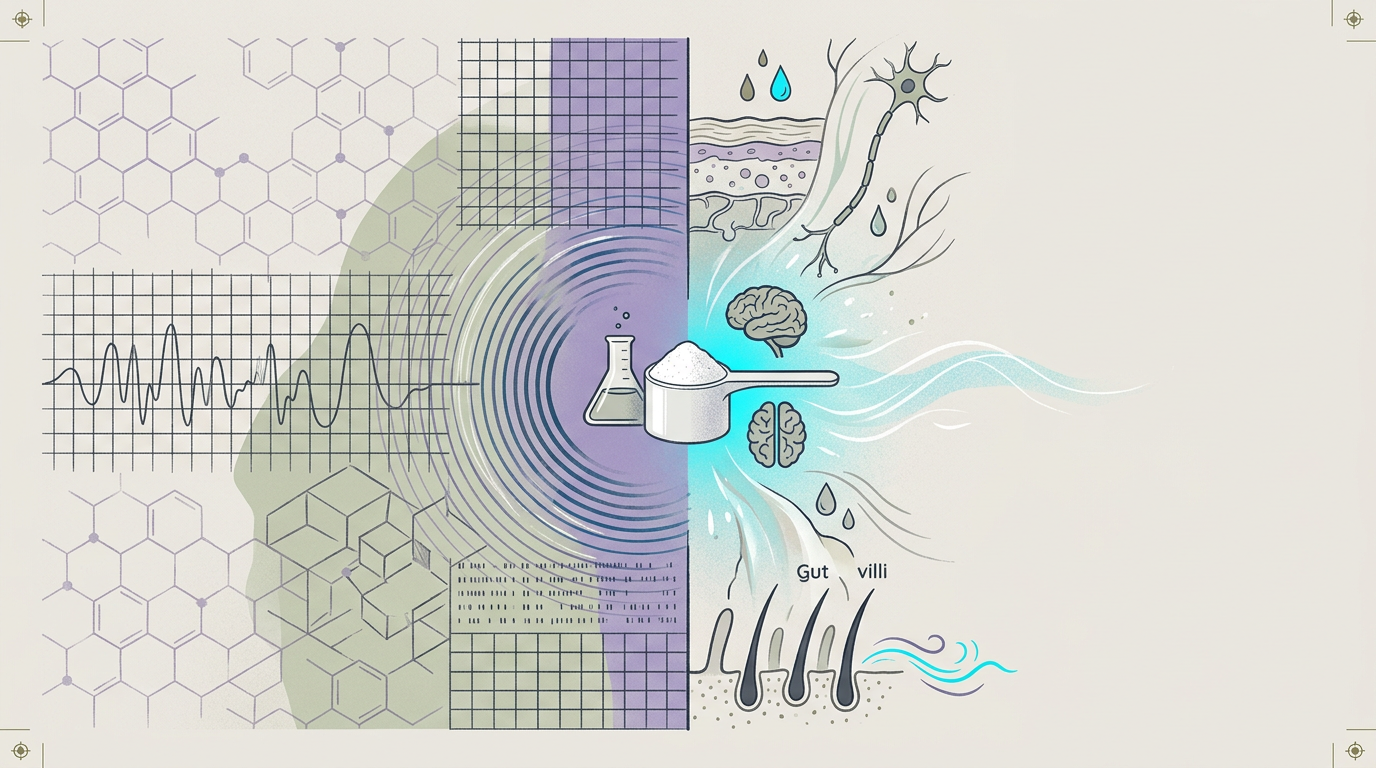
    Molecular hydrogen (H2) is a genuinely interesting molecule. It is the smallest in the universe, it crosses every membrane including the blood-brain barrier in seconds, and — unlike vitamin C, vitamin E, glutathione or NAC — it selectively scavenges the two reactive oxygen species your mitochondria actually want gone (hydroxyl radical •OH and peroxynitrite ONOO−) while leaving the signalling ROS (H2O2, superoxide) that your cells need for redox communication. Ohsawa's 2007 Nature Medicine paper kicked off the field; by 2026 there are 1,500+ peer-reviewed studies including 90+ human clinical trials covering metabolic syndrome, exercise recovery, post-COVID fatigue, rheumatoid arthritis, NAFLD, mild cognitive impairment and radiation-induced oxidative stress. The honest summary: the molecule is real, the mechanism is real, the effect sizes in well-conducted human trials are modest but consistent, and the gap between 'real intervention' and 'wellness theatre' in this category is entirely about whether the product you bought actually dissolves enough H2 in your glass. Most tablets do; a few do not; the machines are a mixed bag; and almost everyone overpays at the top of the market.

  • AI body-scan era 2026 — Midjourney Medical, OpenBioHack, full-body MRIs, and the new market for 'scan yourself, then what?'

    AI body-scan & open-source biohacking — devices, apps & DIY review

    AI body-scan era 2026 — Midjourney Medical, OpenBioHack, full-body MRIs, and the new market for 'scan yourself, then what?'

    2026 is the year 'scan yourself' became a consumer category. Midjourney's body-scan preview, Prenuvo / Ezra / Neko full-body MRIs, Function blood panels, and the OpenBioHack DIY repo on GitHub are converging on a new wellness purchase: a high-resolution snapshot of a body the user has no protocol for changing. We ranked the most-visible products by what the scan actually tells you, what it costs your nervous system to read the result, and whether 'more data about your body' is a regulation intervention or a new source of dysregulation.

    The instrumentation wave that started with the Apple Watch and the CGM has reached the imaging tier. A €2,500 Prenuvo or Ezra full-body MRI; a €500 Function panel of 100+ biomarkers; Midjourney Medical's 'step into the spa for a body scan' preview that turns AI image-generation into a body-visualisation surface; and the OpenBioHack open-source repo that gives technical users the building blocks to run their own measurement stack. The legitimate use case for the entire category is real: catching the asymptomatic cancer, the unsuspected aneurysm, the metabolic drift before the diagnosis. The under-discussed cost is autonomic. A scan that returns an 'incidentaloma' — a benign finding that requires follow-up imaging to rule out cancer — is the most common output of a healthy-person full-body MRI (8–86% incidentaloma rate in published series; Kwee 2008; ACR 2017 white paper). Each follow-up is months of sympathetic activation in a body that was, statistically, fine. The category sells certainty; it routinely delivers ambiguity at premium prices.

  • Ayurvastra & herbal-dyed clothing 2026 — when the cloth on your skin is doing real work, and when it is heritage-themed marketing

    Ayurvastra & herbal-dyed clothing — skin, microbiome & textile review

    Ayurvastra & herbal-dyed clothing 2026 — when the cloth on your skin is doing real work, and when it is heritage-themed marketing

    Cloth touches the skin for 16 hours a day. Ayurvastra — the centuries-old Indian practice of dyeing fabric in neem, turmeric, indigo, vetiver, tulsi and sandalwood — claims the cloth itself becomes a skin and nervous-system intervention. We ranked the most-visible 2026 labels by what the dye-bath chemistry actually does, what survives the third wash, and where the heritage frame outruns the evidence.

    The mainstream textile industry is the second most polluting on earth, and the chemistry it leaves on the fibre — azo dyes, formaldehyde finishes, PFAS for water resistance, quaternary ammonium softeners from the laundry cycle (see our laundry review) — sits against the largest organ in the body for the entire life of the garment. Ayurvastra and the herbal-dye revival is one of the more credible *categorical* responses to that problem: cotton or silk cloth pre-treated in cow-dung / oil mordants, then bathed in plant decoctions (neem for antimicrobial, turmeric for anti-inflammatory, indigo for cooling, vetiver for thermoregulation, tulsi for skin-microbiome, sandalwood for scent + cooling). The honest read: the upstream story (no azo dyes, no formaldehyde, no PFAS, biodegradable end-of-life) is unambiguously a win. The downstream skin and nervous-system claims (neem cloth treats eczema, turmeric cloth reduces inflammation systemically, indigo cloth lowers body temperature measurably) are partially supported by small clinical work out of Kerala's Government Ayurveda College and broader herbal-textile literature, and partially overclaimed by labels selling a heritage frame at premium prices.

  • Functional sodas 2026 — Poppi, Olipop, Gorgie, Update, Alani Nu, Khloud ranked by what the can actually does to your gut, glucose and nervous system

    Functional sodas & wellness drinks — gut, glucose & nervous-system review

    Functional sodas 2026 — Poppi, Olipop, Gorgie, Update, Alani Nu, Khloud ranked by what the can actually does to your gut, glucose and nervous system

    The 'better-for-you' soda aisle is now a €9bn category sold on prebiotic fibre, adaptogens and nootropics. We ranked the eight most-marketed cans of 2026 by what is actually inside — fibre dose, sweetener load, caffeine stack, label theatre — and what your gut, glucose curve and autonomic system register after the third can of the week.

    Functional soda is the fastest-growing CPG category of the decade because it solved a real consumer job: a cold, sweet, fizzy drink that does not arrive with the cultural baggage of Coke. The category leaders (Poppi, Olipop) anchored the gut-health frame; the wave behind them (Gorgie, Update, Alani Nu, Khloud) has shifted toward energy + nootropic + celebrity. The honest read: a few of these are a genuine upgrade over a Coke, one or two are a Diet-Coke-with-extra-steps, and the prebiotic-fibre-as-gut-health claim is doing more marketing work than gut work. The autonomic story is the under-discussed one — caffeine doses are climbing fast in the 'energy' tier, ingredient lists now routinely combine L-theanine, taurine, lion's mane, ashwagandha and 200mg+ caffeine in a single 355ml can, and the user is rarely tracking how three of these in a day stack against an already-loaded sympathetic baseline.

  • AI apps 2026 — the major chatbots, copilots and agents ranked by what they actually cost your nervous system

    AI chat & assistant apps — nervous-system & cognitive-load review

    AI apps 2026 — the major chatbots, copilots and agents ranked by what they actually cost your nervous system

    Fifteen of the most-used AI apps of 2026 — the general chatbots, the search-and-cite agents, the coding copilots and the companion bots — ranked not by benchmark scores but by what they do to the over-monitored, edit-fatigued, allostatically-loaded nervous system actually using them eight hours a day

    Every benchmark league table for AI apps measures the model. None of them measure the user. The honest review of this category — the one nobody is writing because the entire tech press is also using these tools eight hours a day to write — is autonomic. The job of editing AI output faster than the model produces it, of holding three hallucination-risk windows open at once, of switching register between a coding copilot, a research agent and a companion bot inside a single hour, is a new and under-described category of allostatic load. McEwen's 1993 frame still applies: the cost is not in any single interaction, it is in the absence of recovery between them. We ranked fifteen of 2026's most-used AI apps by what they actually do to the system using them — speed of edit-loop, hallucination tax, notification design, dark-pattern attachment, data exposure, and whether the product respects the user's right to *close the tab and recover*. The Kokorology Journal sits above the entire category — not as another app to add to the stack, but as the state instrument that decides whether any of these tools are net-positive in your week.

  • Saunas 2026 — infrared cabins, traditional Finnish, barrel saunas and sauna blankets compared

    Saunas — infrared, traditional & sauna blankets market review

    Saunas 2026 — infrared cabins, traditional Finnish, barrel saunas and sauna blankets compared

    Thirteen of the most-sold saunas of 2026 — far-infrared cabins, full-spectrum cabins, traditional Finnish stoves, outdoor barrels and portable sauna blankets — ranked by heat delivery, EMF and VOC performance, build life and how their marketing tracks the actual heat-stress literature

    Saunas are one of the few wellness categories where the published evidence base is genuinely larger than the marketing pitch. The Finnish KIHD cohort — Laukkanen and colleagues, two decades of follow-up in 2,315 middle-aged men — links 4–7 sauna sessions per week to a 50% reduction in fatal cardiovascular events and a 66% reduction in dementia versus 1 session per week (Laukkanen 2015, JAMA Internal Medicine; Laukkanen 2017, Age and Ageing). The blood-pressure, endothelial-function, heat-shock-protein and all-cause-mortality data is unusually clean for a behavioural intervention. What the consumer market argues about is not whether saunas work; it is which kind, at what temperature, and whether the $6,000 far-infrared cabin in your spare bedroom is actually delivering the dose the Finnish studies measured. We ranked thirteen of 2026's most-sold saunas by heat delivery, EMF and VOC performance, build quality and dose honesty.

  • Red light therapy panels & masks 2026 — full-body panels, targeted devices and LED face masks compared

    Red light therapy panels — home market review

    Red light therapy panels & masks 2026 — full-body panels, targeted devices and LED face masks compared

    Twelve of the most-sold red and near-infrared light devices of 2026 — full-body panels, targeted joint devices and LED face masks — ranked by measured irradiance at distance, wavelength honesty, EMF performance and the gap between the photobiomodulation literature and the wellness pitch

    Red light therapy (photobiomodulation, PBM) has the rare distinction of being both real science and the single most over-claimed wellness category of the 2020s. The mechanism — red (~630–670 nm) and near-infrared (~810–850 nm) photons absorbed by cytochrome c oxidase in the mitochondrial inner membrane, modulating ATP production, ROS signalling and nitric-oxide release — is well established (Hamblin, 2017, AIMS Biophysics). The published clinical evidence supports specific indications at specific doses: skin (collagen, wound healing, acne), joint pain, hair regrowth in androgenetic alopecia, and a growing literature in oral mucositis and TBI. What does not exist in the published record is the marketing pitch — 'red light fixes hormones', 'red light boosts testosterone 200%', 'red light reverses ageing'. We ranked twelve of 2026's most-sold devices by irradiance honesty, wavelength quality, build, EMF performance and how closely the marketing tracks the actual PBM literature.

  • Hyperbaric oxygen chambers 2026 — soft-shell, hard-shell and clinic systems compared

    Hyperbaric chambers — home & clinic market review

    Hyperbaric oxygen chambers 2026 — soft-shell, hard-shell and clinic systems compared

    Eleven of the most-sold hyperbaric chambers of 2026 — soft-shell home pods, mid-pressure hard-shells, and clinic-grade monoplaces — ranked by pressure capability, oxygen delivery, build quality, and the gap between what their marketing implies and what the published HBOT literature actually supports

    Hyperbaric chambers went from medical hardware to wellness influencer prop in roughly 36 months. A category that used to live in burn units and dive-medicine clinics is now sold as a $30,000 'longevity reset' on Instagram. The biology is genuinely interesting — increased ambient pressure plus elevated inspired oxygen does measurably change tissue oxygenation, mitochondrial signalling, stem-cell mobilisation and, in specific indications, wound healing and TBI recovery (Efrati & Ben-Jacob, 2014, Restorative Neurology and Neuroscience). The problem is that almost none of that published evidence comes from the soft-shell, 1.3–1.5 ATA chambers most people are buying. The published HBOT data sits at 2.0–2.4 ATA on 100% O2 in hard-shell chambers — a different intervention by an order of magnitude. We ranked eleven of 2026's most-sold chambers by what they actually deliver versus what the marketing implies.

  • Productivity, diary & habit-tracking apps 2026 — why none of them are fixing what you actually want fixed

    Productivity, diary & habit-tracking apps — nervous-system review

    Productivity, diary & habit-tracking apps 2026 — why none of them are fixing what you actually want fixed

    Twenty-one of the most-installed productivity, diary and habit-tracking apps of 2026, ranked by what they actually do to a nervous system that is already over-monitored, over-optimised and under-regulated — and the one journal in the category designed to do the opposite

    The productivity, diary and habit-tracking app category is the only consumer software category that promises to *fix you* — and the only one whose primary KPI is how often you open it. Notion, Todoist, TickTick, Things, Sunsama, Motion and Reclaim sell capture and scheduling. Roam, Obsidian and Day One sell memory and reflection. Reflectly, Stoic, Daylio, Finch, Habitica, Streaks, Way of Life, Done and Productive sell behaviour change through streaks, dopamine loops, mascots and gamified consequences. The chemistry beneath all of it is identical: a small device in your pocket, a notification, a metric, a compliance signal. None of them measure the system that decides whether you can act on any of it — your nervous system state. So the over-functioning user gets a more elaborate to-do list, the burnt-out user gets a shame engine, and the curious user gets a graveyard of half-filled journals. We ranked twenty-one of the most-used apps in the category by what they actually do to a regulated (or unregulated) nervous system — and put **the Kokorology Journal** above them all, because it is the only product in the category built to make you *need it less* over time, not more.

  • Popular game apps 2026 — what the mobile loops in your pocket are doing to your nervous system

    Popular mobile game apps — dopamine architecture review

    Popular game apps 2026 — what the mobile loops in your pocket are doing to your nervous system

    Ten of 2026's highest-grossing and most-downloaded mobile game apps, ranked by what the variable-ratio loops, energy-timer mechanics, push-notification cadence and IAP architecture are actually doing to your dopamine baseline, your sleep, and your phone-to-attention relationship

    Mobile games are the most efficient variable-ratio reinforcement delivery system ever shipped to consumers. They are free at the door, monetised via timers, lives, pulls, packs and battle passes, and they are designed in tight collaboration with behavioural-economics teams to maximise daily-active-user retention curves that look identical, on a graph, to slot-machine retention curves. We pulled ten of 2026's biggest mobile titles and ranked them by what their loops actually do to dopamine baseline, sleep, and phone-attention. None of these publishers paid for placement. None of this is sponsored.

  • Popular physical games 2026 — board, party & tactile games as nervous-system interventions

    Popular physical & board games — co-regulation review

    Popular physical games 2026 — board, party & tactile games as nervous-system interventions

    Ten of 2026's most-played physical and tabletop games, ranked through a nervous-system lens — what they do to vagal tone, co-regulation, eye-contact circuitry and parasympathetic wind-down, and why the box on the shelf is doing more clinical work than your meditation app

    Physical games are the most under-prescribed nervous-system intervention of the last twenty years. They cost less than a single therapy session, they last a decade, and the active ingredient — synchronous, embodied, eye-contact-rich, low-threat co-regulation with people in the same room — is what every vagal-tone protocol is trying to approximate. We pulled ten of the most-bought 2026 tabletop and party games and ranked them by what they actually do to the autonomic state of the people around the table. None of these publishers paid for placement.

  • Popular digital games 2026 — what console & PC titles are doing to your nervous system

    Popular digital games — regulation vs. dysregulation

    Popular digital games 2026 — what console & PC titles are doing to your nervous system

    Ten of 2026's most-played console and PC games, ranked not by Metacritic but by what they do to autonomic tone, dopamine architecture, sleep displacement and co-regulation load — because the controller in your hands is a nervous-system intervention whether you wanted one or not

    Games are the longest-duration voluntary nervous-system stimulus most adults under 45 own. A film is 90 minutes and ends. A doomscroll is endless but quiet. A competitive online match is 20–40 minutes of sustained sympathetic load with hard cortisol spikes on every death, every queue, every rank change — and people stack four, six, eight of them back-to-back, often inside the two hours before sleep. We pulled ten of the most-played 2026 titles across console and PC and ranked them by what they actually do to the autonomic baseline of the person holding the controller. None of these studios paid for placement. None of this is sponsored.

  • Consumer wearables 2026 — Oura, Whoop, Apple Watch, Garmin, Fitbit, Polar (and the readout-vs-renovation problem)

    Wearables — the sensor without the coach

    Consumer wearables 2026 — Oura, Whoop, Apple Watch, Garmin, Fitbit, Polar (and the readout-vs-renovation problem)

    Six of the wearables your gym friends will not stop talking about — ranked by what the sensor can actually see, what it cannot, and what the score is doing to your nervous system when there is no coach in the loop

    Wearables are sold as nervous-system coaches. They are not. They are sensors with a scoring layer on top — and the scoring layer is what most users actually consume. The sensor can see your pulse interval, your skin temperature, your movement and (on better hardware) some surrogate of breathing. It cannot see your trauma history, your client load, your fasted protein intake, why you are 4 weeks into a perimenopause flare, or whether the 47 you got on Recovery this morning is signal or noise. The orthosomnia pattern — anxious sleep tracking that makes sleep worse — is now well documented in the literature (Baron 2017, J Clin Sleep Med), and 2024–2025 work extends the same finding to readiness and recovery scores in healthy adults. We pulled the six wearables most-mentioned in our intake conversations through 2025–2026 and ranked them on two axes that actually matter: signal quality (what the hardware can truthfully see) and methodology included (what the app does with it). None of these brands paid for placement.

  • Matcha 2026 — twelve of the most-sold brands, ranked by grade, origin transparency, heavy-metal load and what bound caffeine + L-theanine actually do to your autonomic state

    Matcha — ceremonial vs culinary, origin, lead & nervous-system review

    Matcha 2026 — twelve of the most-sold brands, ranked by grade, origin transparency, heavy-metal load and what bound caffeine + L-theanine actually do to your autonomic state

    Twelve of the matcha tins most likely to be sitting on a 2026 kitchen counter — ranked by ceremonial vs culinary grade, single-origin transparency, third-party heavy-metal testing, and what the bound-caffeine + L-theanine + EGCG matrix actually does to HRV, focus and afternoon cortisol

    Matcha is the one daily caffeine vehicle in this review series where the bound-caffeine architecture actually delivers what the marketing claims — sustained focus, calmer arousal, less of a coffee crash — but only when the powder you're whisking is what the tin says it is. The category is a tiered mess: ceremonial-grade single-origin Uji shade-grown tencha, stone-milled at temperature-controlled rates of ~30–40 g/hour, sits on the same shelf (and sometimes in the same Amazon search) as 'culinary' or 'latte-grade' powders that are oxidised, sun-grown, late-harvest, mechanically milled at speeds that scorch the leaf, often cut with sencha or even non-Japanese (China, Vietnam, Korea) tea, and not infrequently contaminated with lead, cadmium and pesticide residues above the limits Japan itself enforces for ceremonial export. The nervous-system case for matcha — L-theanine 20–40 mg per 2 g serving, bound caffeine 60–80 mg released over 4–6 hours, EGCG and other catechins as cortisol modulators — only holds for the top half of this list. We ranked twelve of 2026's most-bought matcha brands by origin, grade, third-party assay, and what the powder actually does to your autonomic state in a 14-day structured trial.

  • Vitamin D3 (the category, not one brand) — and the K2, magnesium and dose question nobody on Instagram gets right

    Supplements

    Vitamin D3 (the category, not one brand) — and the K2, magnesium and dose question nobody on Instagram gets right

    The most over-supplemented and most under-tested nutrient in the wellness aisle — get the blood test before you guess the dose

    Vitamin D is the only supplement category where the smartest move is to *measure first, then dose* — and almost nobody does. The 2020–2026 literature has thoroughly debunked the COVID-era influencer claim that 'more is always better' (the VITAL trial, n=25,871, 5-year follow-up, no cardiovascular or cancer mortality benefit at 2,000 IU/day in unselected adults — Manson 2019/2022; the D-Health trial, n=21,315, no all-cause mortality benefit at 60,000 IU/month — Neale 2022; the DO-HEALTH trial, no benefit on falls, fractures or cognition at 2,000 IU/day in healthy 70+ Europeans — Bischoff-Ferrari 2020). But the same literature is *unambiguous* that correcting genuine deficiency (serum 25-OH-D <30 nmol/L / <12 ng/mL) reduces fracture risk, supports immune competence, and is one of the easiest, cheapest endocrine corrections in medicine. The two camps — 'vitamin D fixes everything, take 10,000 IU' vs 'vitamin D does nothing, the trials are null' — are both wrong, and both are derived from misreading the same trials. The honest answer is dose-response: deficient people benefit, replete people don't, and the only way to know which you are is a €25 25-OH-D blood test. The TikTok-driven 'D3 + K2 + magnesium stack' is, for once, broadly defensible — but the specific ratios sold on Instagram are mostly invented.

  • Creatine monohydrate (the category, not one brand)

    Supplements

    Creatine monohydrate (the category, not one brand)

    The most-studied supplement on the planet — and TikTok's 2025 obsession is, for once, mostly right

    Creatine monohydrate is, by a wide margin, the most-researched performance supplement in existence — over 1,000 peer-reviewed human trials since the 1990s, a uniformly favourable ISSN position stand (Kreider et al., updated 2017 and 2023), and an emerging 2023–2026 literature on cognition, mood, sleep deprivation, post-COVID fatigue, female-specific physiology, and perimenopausal brain health that is finally catching up to the lifting bro who has been taking it since 1998. The TikTok and Instagram noise of 2024–2026 — 'creatine for women', 'creatine for brain fog', 'creatine for menopause', 'creatine before bed for deeper sleep' — is, unusually for the wellness internet, mostly aligned with what the actual papers say. The catch: 95% of the trial evidence is on plain **creatine monohydrate** at **3–5 g/day**. The 'HCl', 'buffered', 'liquid', 'gummy', 'micronized + electrolyte stack' formats charging 3–8× the price have either no advantage or worse bioavailability. This is the rare category where the cheapest, least-marketed version is the correct one.

  • Dishwashing detergents 2026 — natural vs synthetic fragrance, and what your hands, lungs and plate are actually absorbing

    Dishwashing detergents — endocrine, skin & ingestion review

    Dishwashing detergents 2026 — natural vs synthetic fragrance, and what your hands, lungs and plate are actually absorbing

    Sixteen of the most-used hand dish soaps and dishwasher detergents of 2026 — ranked by what the surfactants, fragrance fixatives and rinse residues are doing to your skin barrier, your indoor air, and the inside of your mouth every time you eat from a 'clean' plate

    Dishwashing detergent is the only product in the home-fragrance series that is designed to touch your food. You wash a plate, a glass, a spoon — you eat from it an hour later. Whatever did not rinse off transfers to your lips, your mouth, your gut. Hand dish soap adds a second exposure layer: your hands sit in warm surfactant solution for ten to twenty minutes a day, every day, stripping the lipid barrier that keeps skin watertight and microbe-resistant. A third layer is the aerosolised mist you inhale while scrubbing — warm water + detergent + fragrance creates a fine inhalable spray that deposits directly on airway mucosa. The category sells you 'sparkling clean' and 'lemon fresh'; the chemistry delivers undisclosed fragrance fixatives (phthalates), synthetic musks, harsh anionic surfactants (SLS, SLES, LAS), chlorine-releasing agents, and — in dishwasher products — corrosive alkalis and anti-scalants that can etch glass and leave a chalky film. EU Detergents Regulation 648/2004 requires allergen disclosure but still lets the entire fragrance load hide under 'parfum'. We ranked sixteen of 2026's most-used dishwashing products by what is actually left on the dish, on your hands, and in your lungs.

  • Laundry detergents 2026 — natural vs synthetic fragrance, and what your skin is wearing for 16 hours a day

    Laundry detergents — endocrine, skin & airway review

    Laundry detergents 2026 — natural vs synthetic fragrance, and what your skin is wearing for 16 hours a day

    Fifteen of the most-used laundry detergents, fabric softeners and dryer sheets of 2026 — ranked by what the fragrance fixatives, quaternary ammonium softeners and optical brighteners are actually doing to the skin, lungs and endocrine system they sit against for 16 hours a day

    Laundry is the longest-duration chemical exposure most people own. A scented candle burns for 90 minutes. A plug-in runs for weeks but you can unplug it. Your t-shirt, your underwear, your bedsheets and your pillowcase sit directly against skin for 8 to 16 hours a day, every day, for the entire life of the garment — and what is left on the fibre after the wash cycle is a cocktail of fragrance fixatives (often phthalate-based), quaternary ammonium cationic softeners, optical brighteners that fluoresce under UV, residual surfactants, and — if you also use dryer sheets or a fabric softener — a hydrophobic film designed to stay on the fabric through dozens of subsequent washes. The category is governed by 'parfum' / 'fragrance' labelling rules that legally hide the same 50–200+ undisclosed fragrance compounds discussed in the candle and room-freshener reviews, plus a second layer of softener and brightener chemistry that has no equivalent in those categories. We ranked fifteen of 2026's most-used laundry products by what is actually left on the fibre after the rinse.

  • Room fresheners 2026 — plug-ins, sprays, reed diffusers and smart diffusers, and what your nervous system is actually inhaling all day

    Home fragrance / room fresheners — endocrine & airway review

    Room fresheners 2026 — plug-ins, sprays, reed diffusers and smart diffusers, and what your nervous system is actually inhaling all day

    Thirteen of the most-bought room-freshener formats of 2026 — plug-ins, aerosol sprays, reed diffusers and smart Bluetooth diffusers — ranked by what the slow continuous emission is actually doing to your hormones, your indoor air quality, and the vagal tone you spent the day trying to protect

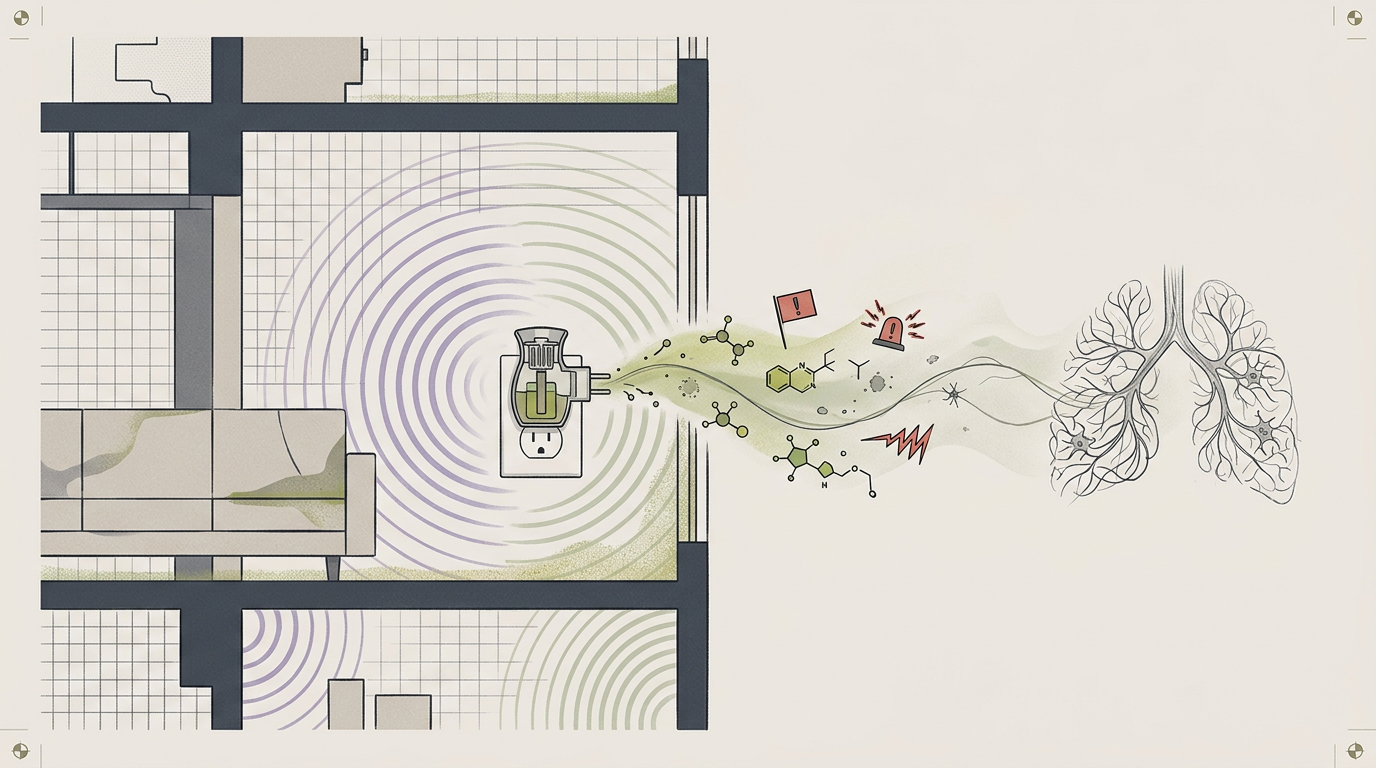
    A room freshener is worse than a candle on almost every axis that matters. A candle burns for 90 minutes and you put it out. A plug-in or reed diffuser emits continuously, 24 hours a day, for 4–8 weeks per refill — and the dose your endocrine system actually receives is the integral of concentration over time, not the strength of the scent on day one. The category sells you the idea that 'fresh' = clean air. The chemistry says the opposite: most plug-ins and aerosol sprays mask odour by depositing a fine film of phthalates, synthetic musks, formaldehyde-releasing preservatives, terpene-derived secondary pollutants and quaternary ammonium compounds on every surface in the room, including your skin, your bedding, and the inside of your lungs. The EU labelling rules let all of it hide under 'parfum'. We ranked thirteen of 2026's most-used room-freshener products by what the continuous emission profile is actually delivering — and the verdict for the category as a whole is meaningfully worse than for candles.

  • Scented candles 2026 — natural vs synthetic fragrance, and what your hormones are actually inhaling

    Home fragrance / candles — endocrine & nervous-system review

    Scented candles 2026 — natural vs synthetic fragrance, and what your hormones are actually inhaling

    Eleven of the most-burned candle brands of 2026, ranked by what is actually coming off the wick — phthalates, synthetic musks, paraffin combustion by-products, and the small handful of formulations honest enough to put the full ingredient deck on the box

    A scented candle is the most intimate piece of unregulated chemistry most people own. You light it in a closed room, sit a metre away, and inhale the combustion plume for two to four hours — and the EU/UK/US labelling rules let the brand hide the entire fragrance load under one word: 'parfum'. The endocrine-disruption conversation is no longer fringe. Phthalates (DEP, DBP, DEHP) used as fragrance fixatives, synthetic nitro- and polycyclic musks, and the soot from paraffin combustion all have peer-reviewed signals against thyroid function, oestrogen/androgen receptor activity, and airway inflammation. None of this means every candle is dangerous. It means the category sells you mood and gives you exposure, and the difference between a €6 mall candle and a €70 boutique candle is mostly the jar — not the toxicology. We ranked eleven of 2026's most-burned candles by what's actually coming off the wick.

  • Vagus nerve & neuromodulation wearables (Apollo Neuro, Sensate, Pulsetto, Truvaga, Nurosym, Flow Neuroscience, Muse S, Hapbee)

    Neuro devices / wearables

    Vagus nerve & neuromodulation wearables (Apollo Neuro, Sensate, Pulsetto, Truvaga, Nurosym, Flow Neuroscience, Muse S, Hapbee)

    Eight of the most-hyped neuro devices on the market, tested through a nervous-system lens — what actually moves HRV, what is dressed-up haptic placebo, and what is a medical-grade device being sold like a wellness gadget

    Neuro wearables are the new supplements. Every quarter a new device promises to 'tone your vagus nerve', 'shift you out of fight-or-flight', or 'unlock deep sleep' for €200–€700. Some are genuinely clever pieces of bioelectronic engineering with peer-reviewed data behind them. Others are €350 haptic bracelets that vibrate. We pulled eight of the most-trending devices of 2026 — Apollo Neuro, Sensate, Pulsetto, Truvaga, Nurosym, Flow Neuroscience, Muse S and Hapbee — and ranked them by what they actually do to the autonomic nervous system versus what their marketing pages claim. None of this is sponsored. None of these brands paid for placement.

  • Hair-fall & scalp-health products 2026 — the shelf review

    Hair fall / scalp serums & supplements

    Hair-fall & scalp-health products 2026 — the shelf review

    Eight of the most-marketed hair-fall and scalp-health products of 2026, tested through a nervous-system lens — what is real pharmacology, what is well-formulated topical theatre, and why none of it works on a dysregulated baseline

    Hair fall is the single fastest-growing search category in beauty. Every brand has launched a serum, a gummy, a scalp oil, or a prescription subscription. Some contain real, FDA-cleared pharmacology. Some contain well-formulated cosmetic actives. Most contain $80/month of marketing wrapped around a bottle that cannot do what the package implies — because the thing falling out of your head today was programmed to fall out by a nervous-system signal three to six months ago, not by a missing topical. We pulled eight of the most-trending hair-fall and scalp products of 2026 and ranked them by mechanism, evidence, and honesty. None of this is sponsored. None of these brands paid for placement.

  • Psyllium husk — the 200% review

    Fibre supplements / metabolic & gut

    Psyllium husk — the 200% review

    The cheapest, most boring supplement on the shelf — and one of the few with peer-reviewed effects on cholesterol, glucose, satiety, and the gut-brain reward axis that everyone is now calling 'natural GLP-1'

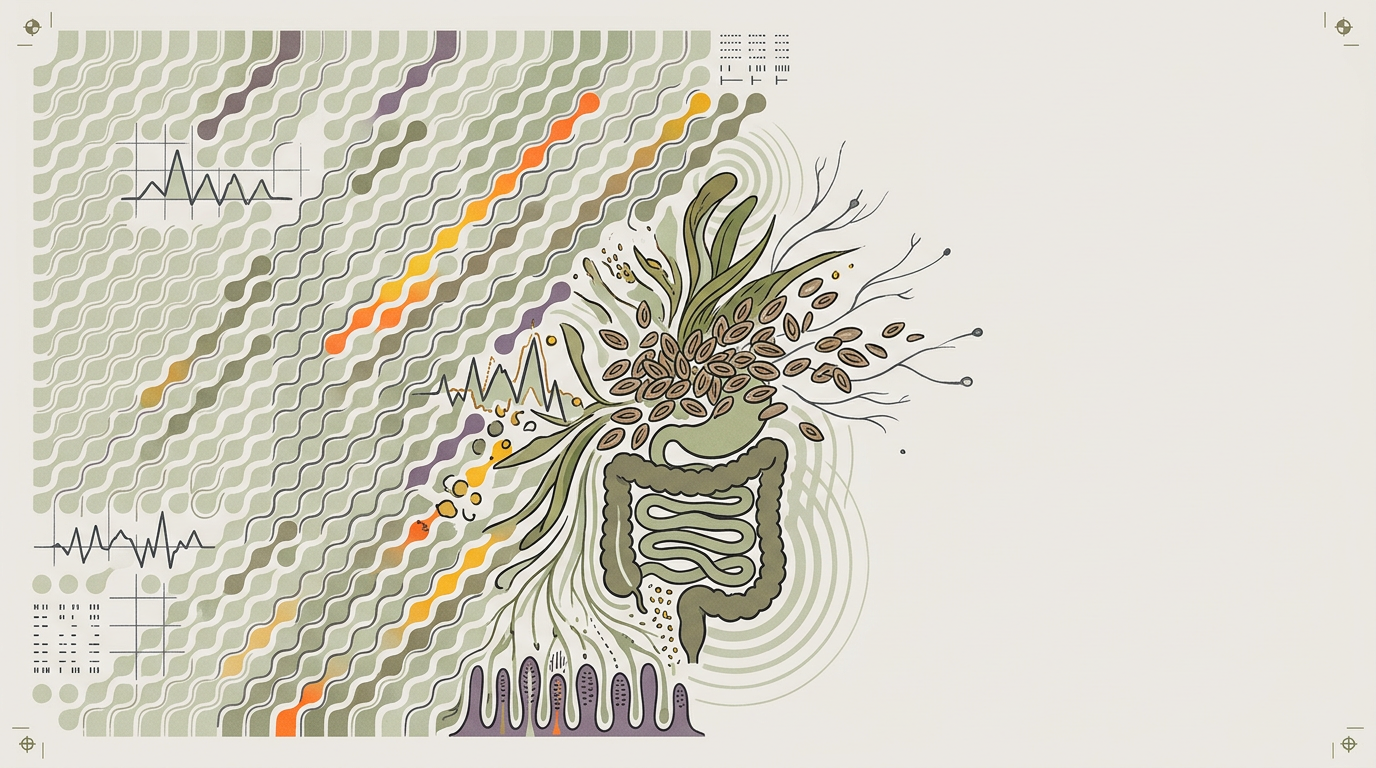
    Psyllium husk is the soluble fibre everyone forgot about until TikTok rediscovered it under the headline 'nature's Ozempic'. The marketing is loose; the underlying biology is not. Decades of randomised trials — and now a fresh wave of GLP-1 / GIP / PYY research — show that psyllium genuinely slows gastric emptying, blunts post-meal glucose, lowers LDL cholesterol, increases satiety, and ferments into short-chain fatty acids that feed the cells producing your endogenous GLP-1. It will not replace semaglutide. But for under €0.20 a dose it does measurably more than most supplements selling for fifty times the price.

  • NAD+ drips, injections, patches & sprays (Restore, Drip Hydration, AgelessRx, Renue, Ways2Well, Tru Niagen, Wonderfeel)

    Longevity / IV & injectables

    NAD+ drips, injections, patches & sprays (Restore, Drip Hydration, AgelessRx, Renue, Ways2Well, Tru Niagen, Wonderfeel)

    The €600 IV the longevity clinics will not stop pushing — 9 trending NAD+ products ranked from least-bad to outright theatre

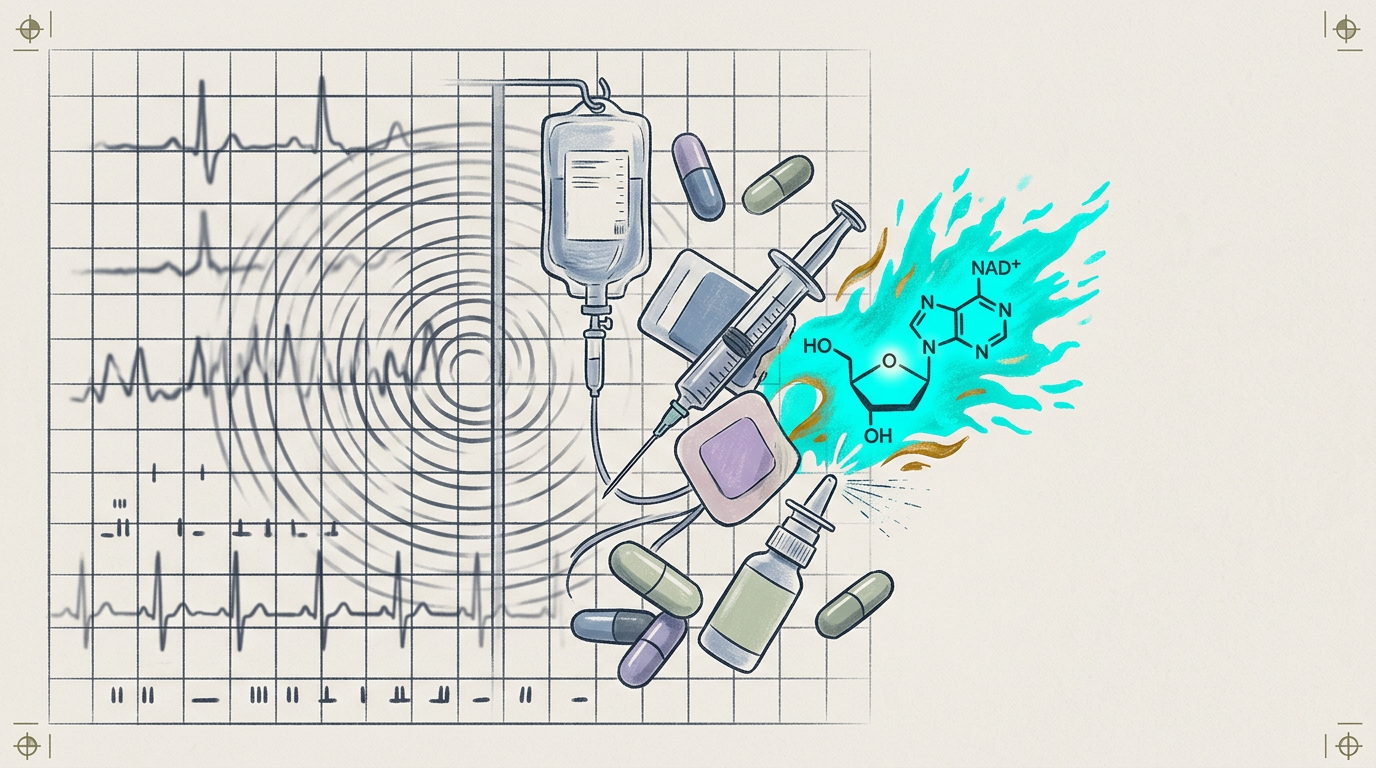
    NAD+ is having a moment. Clinics charge €400–€1,200 for a single IV. DTC brands sell sub-q injections by mail, patches you stick on your arm, sprays you spritz under your tongue, and oral NMN/NR capsules that promise the same outcome at a tenth of the price. The biology is real — NAD+ does decline with age and is central to mitochondrial function — but most of what is being sold to consumers is either delivering a fraction of the dose claimed, bypassing the only delivery routes with published human pharmacokinetic data, or both. We reviewed 9 of the most-marketed NAD+ products across IV, injection, patch, spray and oral so you can see which delivery actually moves a biomarker and which is theatre.

  • Collagen creamers & collagen coffee (Naked Nutrition, Vital Proteins, Javvy)

    Collagen / coffee creamers

    Collagen creamers & collagen coffee (Naked Nutrition, Vital Proteins, Javvy)

    The category that violates the collagen protocol by design — 3 trending brands ranked least-bad to worst

    Collagen creamers exist for one reason: convenience. You scoop, you stir into coffee, you drink. The problem is that this ritual breaks 3 of the 4 rules that make collagen actually work — empty stomach, vitamin C cofactor, no sugar in the same window, and a 20–30 minute gap before coffee or food. Taken in coffee, often with sweeteners and fats, the peptides are absorbed poorly and the post-meal sugar/insulin response accelerates the exact glycation pattern you bought collagen to prevent. We reviewed the 3 trending brands so you can see how the category fails on its own terms — and which one is least bad if you absolutely will not change the ritual.

  • Magnesium glycinate (the category, not one brand)

    Supplements

    Magnesium glycinate (the category, not one brand)

    One of the few daily supplements that actually earns its place — if you buy the right form

    Magnesium glycinate is the rare wellness category we recommend — *if* you buy the right form, the right dose, and use it for the right reason. Most adults in modern food environments are functionally low in magnesium, and glycinate (chelated to glycine) is one of the most absorbable, sleep-supportive forms available.

  • Liquid Death sparkling water

    Functional beverage

    Liquid Death sparkling water

    Branding wins of the decade. Water-quality story is more boring than the can.

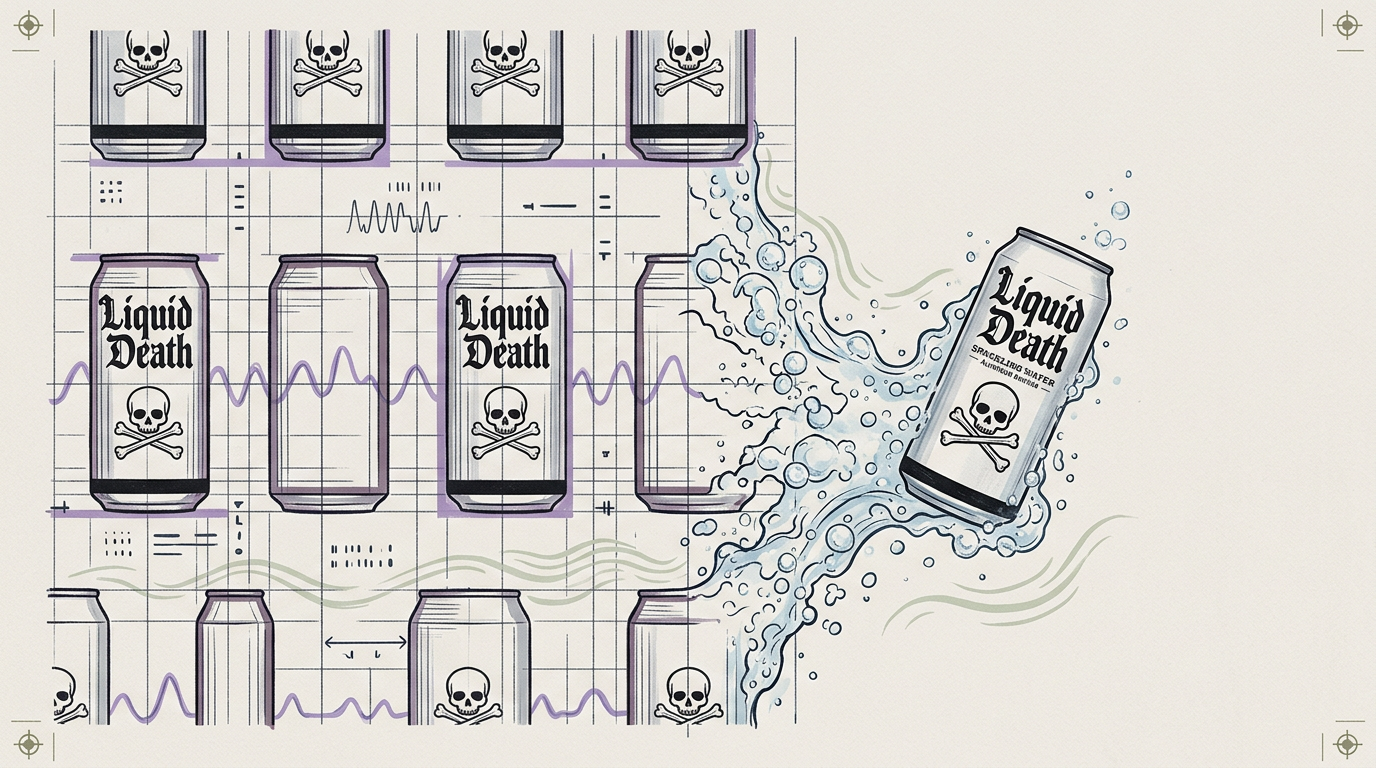
    Liquid Death is, by formulation, mineral water in a tall aluminium can with one of the best brand marketing campaigns of the last decade. There is nothing wrong with it. There is also nothing functionally special about it relative to any well-sourced mineral water in glass.

  • Olipop & the prebiotic soda category

    Functional beverage

    Olipop & the prebiotic soda category

    Better than soda, not the gut-health intervention the marketing implies

    Olipop and its category peers (Poppi, OliPop-style prebiotic sodas) are a genuinely better category than traditional soda — lower sugar, real prebiotic fibre, less industrial. The gut-health framing is overstated. The fibre dose is real but modest, and the daily-can ritual normalises sweetened beverages in a wellness-coded wrapper.

  • AG1 (Athletic Greens) daily powder

    Greens / multivitamin

    AG1 (Athletic Greens) daily powder

    The most-marketed greens powder of the decade — a competent multivitamin sold as a transformation

    AG1 is, on the formulation, a reasonable multivitamin / mineral / greens hybrid with some prebiotic fibre. It is not bad. It is also not the life-changing product the podcast network has spent five years selling. At ~€100/month it is the most expensive way to get a B-complex and a small dose of greens powder on the market.

  • Gruns daily greens gummies

    Greens / multivitamin

    Gruns daily greens gummies

    The greens-in-a-gummy compromise — better than the powder shelf, far less than the marketing

    Gruns is one of the more honest entries in the greens / daily-multivitamin category — they do disclose ingredients, they do not pretend to replace food, and the gummy delivery actually does increase compliance for adults who refuse to drink powder. It is still, fundamentally, a small dose of a lot of things. It is half a useful product.

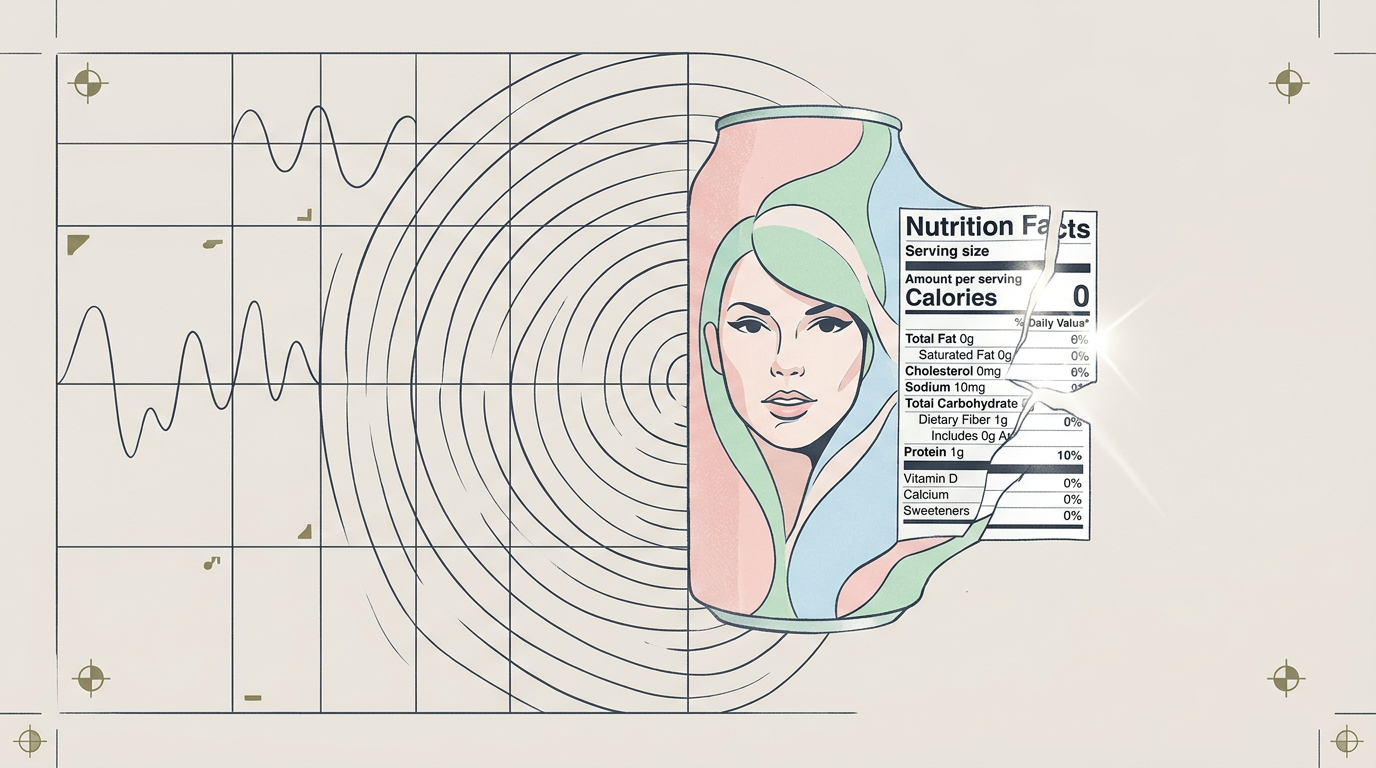
  • Kim K's new electrolyte / functional beverage line

    Functional beverage

    Kim K's new electrolyte / functional beverage line

    The pastel can with the celebrity face and a supplement-fact panel that does not match the marketing

    The newest celebrity-fronted functional beverage is positioned as a hydration / wellness / 'reset' drink. The branding is immaculate. The supplement-fact panel is, on close reading, a sweetened low-electrolyte beverage with a sprinkle of vitamin B and a clever flavour system. It will not hydrate you the way the marketing implies, and the daily-use pattern it encourages is a small sympathetic stressor, not a regulator.

  • Research-grade peptides (BPC-157, TB-500, GHK-Cu)

    Peptides

    Research-grade peptides (BPC-157, TB-500, GHK-Cu)

    The TikTok-ified peptide stack the longevity influencers will not stop talking about

    BPC-157, TB-500 and GHK-Cu are everywhere right now — repackaged out of research labs, sold by unregulated 'peptide compounding' sites, and dosed by people who learned the protocol from a podcast. Some are genuinely promising molecules. None of what is being sold to consumers right now is being sold cleanly. And none of it does anything useful on a nervous system that is not regulated first.