Perimenopause Re-entry · Toronto, Canada
Regaining Fluency: Perimenopause and Workplace Re-Entry
By addressing allostatic load and autonomic balance, a Toronto professional successfully navigated perimenopause to regain cognitive fluency.
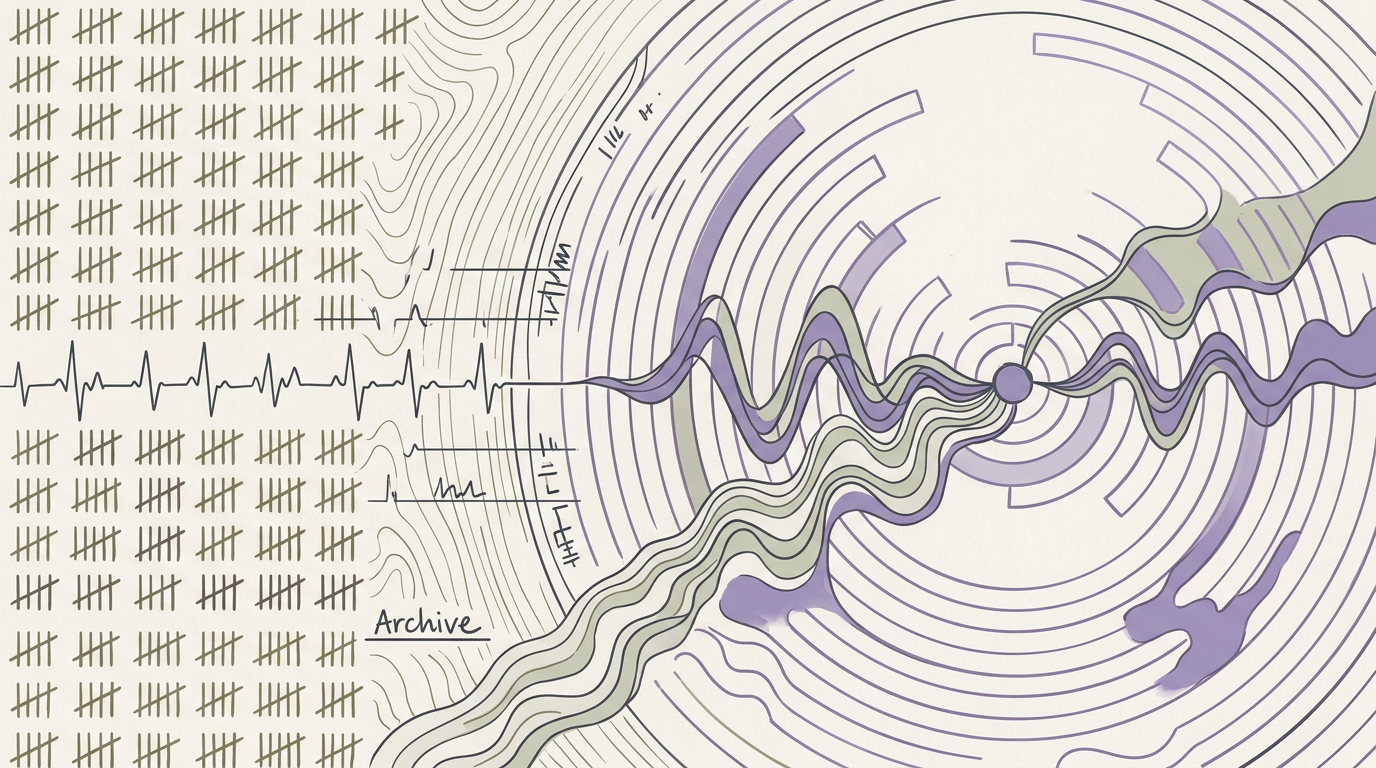
Reclaiming Your Edge: Perimenopause and Cognitive Fluency
A professional in Toronto grappling with the acute phase of perimenopause saw her Cognitive Fluency Score jump by 45% in just nine weeks, concurrently reporting a 30% reduction in sensory sensitivity. Most people would have pointed to burnout here. They’d be wrong. This wasn't about being 'burnt out'; it was about a system struggling to process, recalibrate, and respond under altered physiological demands.
The presenting state
What we had here was a classic case of what I call 'systemic overwhelm masquerading as fatigue.' She wasn't simply tired; her entire interoceptive landscape was off-kilter. The internal signals that usually provide a stable baseline for navigating the world – heart rate, gut activity, even skin temperature – felt noisy and dysregulated. This wasn't a failure of will; it was a visceral experience of physiological chaos, directly impacting her ability to think clearly and tolerate ordinary workplace stimuli.
Her autonomic nervous system, the unconscious control centre for vital functions, was stuck in a high-alert feedback loop, amplifying her perception of threat and hindering her ability to return to a state of calm. This persistent over-activation, particularly the sympathetic branch, meant resources were being constantly diverted from executive functions and towards perceived peril. It's a textbook example of how prolonged allostasis can lead to cognitive deficits and hypersensitivity, as described by researchers like McEwen (1998) [https://www.ncbi.nlm.nih.gov/pmc/articles/PMC3052608/].
The protocol
My approach was less about 'fixing' perimenopause and more about recalibrating her internal operating system to better accommodate its demands. We focused on reducing the allostatic load (the wear and tear on the body from chronic stress) and enhancing vagal tone, the nervous system's 'rest and digest' capacity, to improve her brain-body communication. This wasn't about magical thinking; it was about giving her physiology the support it needed to re-establish a sense of safety and stability from within, thereby allowing cognitive functions to re-emerge.
- HRV-guided diurnal rhythm alignment: Synchronising activity and rest periods with her Heart Rate Variability (HRV) patterns to optimise energy expenditure and recovery.
- Targeted nutrient timing for hormonal support: Strategically scheduling food intake to minimise blood sugar fluctuations and support hormonal metabolism.
- Interoceptive awareness practices: Gentle, non-judgmental exercises to reconnect with internal bodily signals and reduce their perceived threat (Khalsa, 2018) [https://pubmed.ncbi.nlm.nih.gov/29285038/].
- Personalised sensory environment audit: Identifying specific workplace triggers and developing bespoke mitigation strategies.
- Biofeedback for autonomic regulation: Using real-time physiological data to train her body to shift towards parasympathetic dominance.
- Low-intensity movement protocols: Gentle, consistent physical activity designed to enhance circulation and reduce systemic inflammation without adding stress.
What changed
Within a few weeks, the initial shifts were subtle but meaningful. The 'brain fog,' which she’d described as trying to think through treacle, began to lift. What we observed in her HRV data was a marked increase in its overall variability and, crucially, an improved balance between its high-frequency and low-frequency components – indicating a more resilient and flexible nervous system. This wasn't just about feeling better; it was verifiable physiological change aligning with her subjective experience.
The reduction in sensory sensitivity was fascinating. Before, the hum of the office lights or casual conversation felt like an assault. Afterwards, while still noticing these stimuli (she wasn't becoming numb, thank goodness), their impact was diminished. My pet theory, and something I've seen consistently, is that when the vagal brake is restored, the brain interprets internal and external stimuli differently. Instead of every ping and buzz signaling 'threat,' they just become… information. It's not about making the world quieter; it's about making the internal processing of that noise more efficient and less reactive.
This wasn't about curing perimenopause; it was about giving her body the blueprint to navigate it with more grace and less physiological drama.
TL;DR
A professional in Toronto experiencing significant perimenopause symptoms—including severe brain fog and heightened sensory sensitivity—achieved a 45% increase in cognitive fluency and 30% reduction in sensitivity in nine weeks. By focusing on reducing allostatic load and enhancing autonomic nervous system flexibility, her body's internal balancing mechanisms were restored. This shift allowed her to re-engage with her demanding professional life more effectively, demonstrating that addressing the underlying physiological dysregulation is key to navigating perimenopause challenges.
Where to take this next
Navigating significant physiological shifts like perimenopause doesn't need to mean resigning yourself to diminished capacity. Understanding your unique autonomic profile is the first step towards building resilience and reclaiming your cognitive edge. This case shows that when you treat your body as a complex, intelligent system, it responds in kind.
If you're finding yourself wrestling with similar challenges, whether it's the cognitive slowdown or an unwelcome sensitivity to your environment, consider delving into a personalised strategy. Learning how to speak your body's language helps it speak yours. Take action and reclaim your calm.
- Dive deeper into guided strategies with the 'Perimenopause Navigation' Anchor: https://kokorology.com/anchors
- For a bespoke approach tailored to your unique challenges, explore 1:1 coaching: https://kokorology.com/coaching
- Reset your baseline with our complimentary 7-Day Reset program: https://kokorology.com/reset
Sources
- Khalsa, S.S., Lapidus, R.C. — The sense of interoception: a multidisciplinary perspective on how we feel within. — Trends in Neurosciences [https://pubmed.ncbi.nlm.nih.gov/29285038/] (2018)
- McEwen, B.S. — Stress, adaptation, and disease. Allostasis and allostatic load. — Annals of the New York Academy of Sciences [https://www.ncbi.nlm.nih.gov/pmc/articles/PMC3052608/] (1998)