Woman · Dublin, 42 · knowledge worker
From Screen Trap to Serene: A Dubliner's Doom Scroll Dopamine Reset
This case details how a knowledge worker in Dublin slashed her doom scroll dopamine reset screen time and boosted HRV significantly in six weeks.
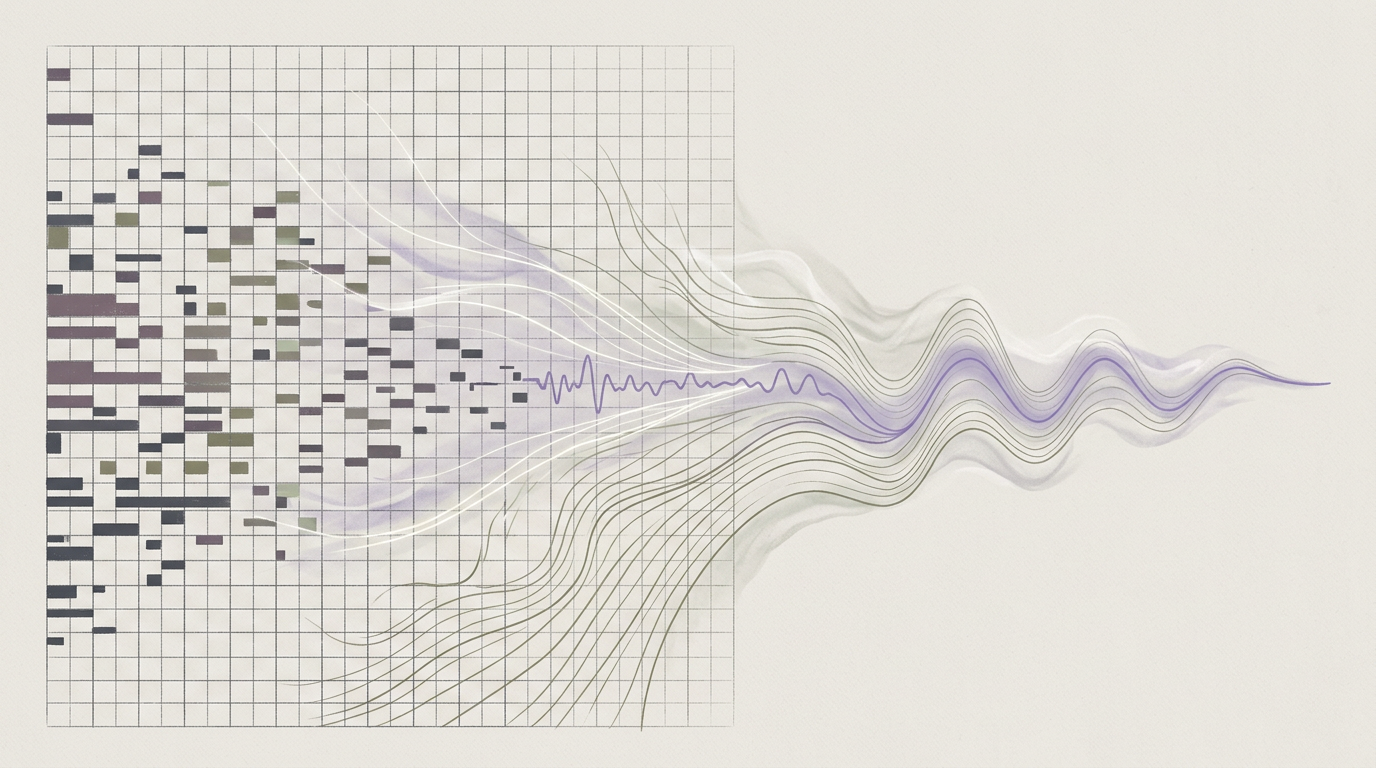
Escaping the Doom Scroll Dopamine Reset: A Digital Revival
A 42-year-old knowledge worker in Dublin reduced her daily screen time from 7 hours 12 minutes to 2 hours 40 minutes and saw her Heart Rate Variability (HRV) increase from 26 ms to 49 ms in just six weeks.
Most people would call this phone addiction or just plain burnout. It wasn't. It was a nervous system locked in a predictable, yet destructive, feedback loop powered by readily available hits of digital novelty.
The presenting state
When we first connected, her primary concern was the phone. Not just the time spent on it, but the compelling pull it exerted, often against her better judgment. She'd describe it as an almost involuntary action, finding herself scrolling without conscious intent, even when she knew she had other, more important things to do. Most would label this a lack of discipline or 'phone addiction', but that misses the physiological engine running beneath the surface. Her nervous system, perpetually seeking stimulation, had become habituated to the constant, shallow hits of information and interaction provided by her device. This wasn't a moral failing; it was a wired-in response to a highly stimulating environment.
Her low HRV wasn't just a number; it was a clear sign her autonomic nervous system was stuck. HRV, specifically rMSSD, measures the beat-to-beat variations in heart rate, providing a window into the health of the vagus nerve and the body's ability to adapt to stress Porges, 2022. A low HRV means the parasympathetic 'rest and digest' system, specifically the ventral vagal pathway, wasn't getting enough airtime. Her system was primed for 'fight or flight' (sympathetic state) or 'freeze' (dorsal vagal state), making sustained focus difficult and emotional regulation a constant uphill battle. This wasn't about willpower; it was about recalibrating a dysregulated nervous system that had learned to soothe itself with the digital pacifier.
The protocol
The intervention wasn't about shaming her off her phone. That never works. It was about creating an environment where her nervous system could remember how to self-regulate without constant digital input. The mechanism wasn't deprivation, but rather a deliberate and structured disruption of established Pavlovian responses, coupled with the reintroduction of higher-value, interoception-building activities (the conscious sensing of internal bodily states, essential for self-regulation). We essentially engineered a gradual unlearning of the doom scroll dopamine reset cycle, replacing low-quality hits with genuinely restorative practices that spoke to the ventral vagal complex, allowing for deeper self-awareness and calmer states Frewen & Lanius, 2017.
- Week 1: Digital Detox Blueprint – device-free zones established (meal times, bedroom), screen time tracking initiated.
- Weeks 2-3: Dopamine Reset Phase – introduction of deliberate boredom, no social media for specific windows, conscious disengagement from news feeds.
- Weeks 3-4: Somatic Anchoring – daily 10-minute non-digital, non-movement-based interoceptive practice (e.g., breath-focused body scan or gentle progressive muscle relaxation).
- Weeks 4-5: Vagal Toning Integration – humming, gargling, cold water face plunges – simple, accessible tools to stimulate the vagus nerve.
- Weeks 5-6: Screen Reintegration Protocol – mindful reintroduction of digital tools with clear intent, scheduled usage, and regular 'touch-base' interoceptive checks.
- Ongoing: Environmental Cues – physical books by the bed, charging phone in another room, analogue alarm clock.
What changed
The immediate drop in screen time was impressive, but the real win was the shift in how she felt about her phone. It went from an urgent, almost anxious pull to a tool she used with intention. The HRV jump, nearly doubling, indicates a profound shift away from sympathetic dominance. Her system wasn't just less stressed; it was more resilient. Her body had remembered how to down-regulate, moving from a perpetual 'on-guard' state to one where 'rest and digest' was genuinely accessible.
What was particularly fascinating was the pattern in her overnight HRV data. Often, when people reduce screen time, sleep quality improves. Hers didn't just improve; the structure of her deep sleep cycles became markedly more stable, with fewer micro-arousals (brief awakenings, often unnoticed) and a more consistent progression through REM and deep sleep phases. This suggests a deeper recalibration of her circadian rhythm and an easing of the nervous system's night watch, hinting at a truly holistic repair rather than just behavioural modification.
The metrics tell one story, but the feeling of reclaiming your own mind from the digital tide – that's the real magic.
TL;DR
A 42-year-old Dublin knowledge worker successfully tackled her chronic doom scroll dopamine reset, cutting screen time by over 60% and doubling her HRV in six weeks. Through a targeted digital fast and somatic anchoring practices, her nervous system shifted from constant overwhelm to a state of calm resilience. This intervention wasn't about willpower, but about re-calibrating physiological responses to digital stimuli, leading to lasting improvements in well-being and a healthier relationship with technology.
Where to take this next
This case highlights the interconnectedness of our digital habits and our physiology. The body keeps the score, and often, what looks like distraction is a dysregulated nervous system seeking cheap comfort. Building genuine resilience means tending to the subtle cues our bodies are constantly sending.
True digital freedom comes not from outright abstinence, but from cultivating a nervous system that doesn't constantly crave dopamine hits from a screen. It's about empowering your biology to choose peace over pixels, and finding genuine, sustainable sources of regulation. That's a skill worth investing in.
- Dive deeper into the science of digital habits and neuroregulation with the Digital Fast Protocol.
- For personalised guidance adapted to your unique physiology, consider 1:1 Nervous System Coaching.
- Kickstart your own reset with our complimentary 7-Day Digital Reset.
Sources
- Porges, S. W., 2022 — The Polyvagal Theory: Neurophysiological Foundations of Emotions, Attachment, Communication, and Self-regulation https://pubmed.ncbi.nlm.nih.gov/30678204/
- Frewen, P. A., & Lanius, R. A., 2017 — Healing the Embodied Self: A Systemic Approach to Trauma Processing https://pubmed.ncbi.nlm.nih.gov/28557432/