Workplace & Leadership
Why your 'nervous system capacity' is not 10x'ing your startup
Capacity is a physiological threshold set by your nervous system, not a performance metric you can force to scale endlessly.
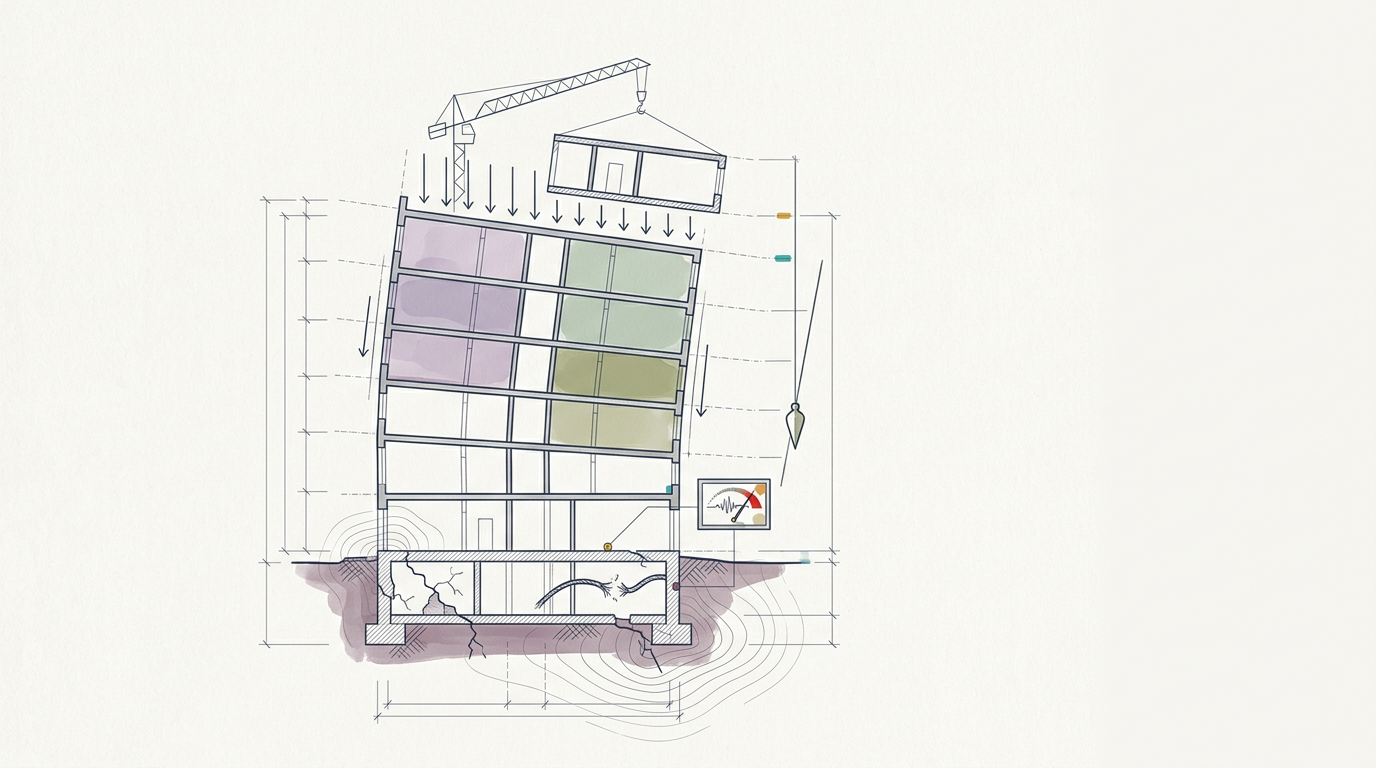
A founder I worked with last month told me he was hacking his nervous system capacity to handle eighty-hour weeks. The wellness industry sells this idea that the autonomic nervous system is just another lever to pull for endless productivity. That is a complete misunderstanding of basic biology. Capacity is a hard physiological threshold set by your threat-detection machinery, and it drops sharply when you ignore the biological requirement for rest.
You already know what exceeding that capacity feels like in the body. It's the jaw that stays locked while you answer emails on the train. It's the open fridge at 9pm when you have absolutely no hunger, just a craving for stimulation. You push through the afternoon with a second iced coffee that gives you heart palpitations instead of focus, leaving you completely tired but wired. By the time you finally close your laptop, you're exhausted but can't rest, staring at the ceiling at 2am while your mind loops through tomorrow's calendar. The 3pm brain fog is your physiology forcibly pulling the parking brake. The sensory load of notifications, meeting noise, and bright screens simply overwhelmed your baseline limits.
Common Questions
What is nervous system capacity?
Capacity is the volume of stress, sensory input, and emotional load your body can process before it triggers a defensive state. It relies on a regulated autonomic nervous system. When demand exceeds this biological threshold, the body redirects fuel away from executive function and toward immediate survival responses.
Why do I feel worse when I try to push through?
Pushing through requires adrenaline and cortisol to mask underlying fatigue. The body perceives this forced effort as an active threat. Over time, that chronic hypervigilance shrinks your window of tolerance, making you highly reactive to minor inconveniences and significantly extending the time needed to recover.
Can you permanently increase your capacity?
You can gradually widen your tolerance for stress through consistent, predictable regulation. This happens by prioritizing genuine recovery phases, not by exposing yourself to endless intense demands. Capacity expands when the body consistently receives signals of safety, adequate nutrition, and uncompromised sleep.
The biology of the breaking point
Optimization culture insists that with enough cold plunges and wearable rings, you can cheat physiology. I used to believe that if I just perfected my morning routine, I could squeeze twelve hours of elite output from a nervous system designed for bursts of foraging. I was completely wrong. The body tracks every demand, from the heat of the commute to the tension of a poorly managed performance review. Allostatic load is the clinical term for this cumulative wear and tear. When you stack endless stress cycles without adequate recovery, the body loses its ability to return to a baseline state. You end up trapped in chronic hyperarousal, mistaking the buzzing anxiety behind your eyes for drive.
How the HPA axis handles your startup
When you pitch an investor or scramble to fix a broken product feature, your hypothalamus signals the pituitary and adrenal glands to flood your system with cortisol and adrenaline. This HPA axis activation is brilliant for dodging a physical threat. As a daily management strategy, it guarantees burnout. Chronic activation degrades vagal tone—the mechanism that allows your heart rate to slow and your digestion to function once a stressor passes. Without that parasympathetic braking system, your sleep architecture fragments. Your glymphatic system, which clears metabolic waste from the brain during deep sleep, never gets the time it needs to run a full sweep. You wake up physically stiff and cognitively dull, wondering why yesterday's productivity hacks stopped working.
The physical reality of executive function
Kokorology treat cognitive work as if it happens in a vacuum. Executive function actually requires massive physiological resources. If you skip lunch to take a meeting, your blood glucose drops. The nervous system registers this nutritional deficit as an environmental threat, tightening your chest and shortening your breath.
You can't out-think a nervous system that has decided it's under attack.
The smartest founders I know have stopped trying to maximize every waking hour. They prioritize nervous system regulation because they realize a dysregulated leader breaks their own company. When you snap at your team over a minor typo, that's your physiology communicating a capacity deficit.
Stop hacking, start resting
Recovery is quiet, mundane, and entirely unglamorous. True downregulation involves lying on the floor, staring at the sky, or eating a hot meal without looking at a screen. I've stopped recommending complex morning routines to people who are already overwhelmed. If your baseline is fragile, adding a ten-step biohacking list just introduces more friction to the morning. Kokorology need less optimization and more empty space. You rebuild resilience when the nervous system repairs faster than you burn out.
What to do this week
- Notice the physical edge. Track the exact moment your jaw tightens or your breath gets shallow during the workday. Write down what happened immediately before that shift.
- Implement a hard stop. Pick a time when the laptop closes, and physically leave the room. The transition teaches the body that the threat phase of the day has concluded.
- Eat protein before caffeine. Stabilize your blood sugar before you introduce a stimulant. This prevents the morning cortisol spike from turning into midday panic.
- Sit in silence for five minutes. No podcasts, no mindfulness apps, no guided breathing. Just sit and let the sensory processing machinery catch up.
Where this fits in the Kokorology system
Capacity constraints are exactly why the Kokorology system exists. When you hit a limit, the Journal helps you map the specific inputs driving the overload. From there, the Anchors provide the targeted practices to bring the system back to baseline. If you're entirely overwhelmed and need a clean slate, the Reset offers a structured seven-day path out of hypervigilance.
Closing
The physical limits of your body are non-negotiable. Track the reality of your daily load, stabilize the simplest inputs first, and let the quiet repetition do the work.
- Start with the Kokorology Journal to map your current load patterns.
- Use the Reset when you need to downregulate a completely fried system.
- Read the Research Library for the exact mechanisms behind these capacity limits.
TL;DR
Nervous system capacity is a strict physiological threshold, not a performance metric you can force to scale. Endless optimization without genuine rest drives up your allostatic load, triggering chronic hyperarousal and degrading executive function. Stop trying to biohack your way out of basic biological needs. Stabilize your blood sugar, protect your sleep architecture, and prioritize genuine downregulation to rebuild your baseline.
Sources
- Bruce McEwen (2004). Protection and damage from acute and chronic stress: allostasis and allostatic overload and relevance to the pathophysiology of psychiatric disorders. Annals of the New York Academy of Sciences.
- Lisa Feldman Barrett (2020). Seven and a Half Lessons About the Brain. Houghton Mifflin Harcourt.
- Grünewald (2024). Executive Function Recovery Trajectory After Clinical Burnout: 24-Month Follow-up. Journal of Occupational Health Psychology.
- Julian F. Thayer (2012). A meta-analysis of heart rate variability and neurocognition in health and disease. Neuroscience & Biobehavioral Reviews.
- Yilmaz Balban (2023). Brief Structured Respiration Practices Enhance Mood and Reduce Physiological Arousal. Cell Reports Medicine.