news
Droughts make some waterborne diseases worse, researchers find
New research explores the "drought-disease paradox," finding that infectious diseases like cholera and E. coli surprisingly thrive in drier conditions, not just in floods. This happens because concentrated bacteria can form hardy biofilms in shrinking water sources, impacting public health.
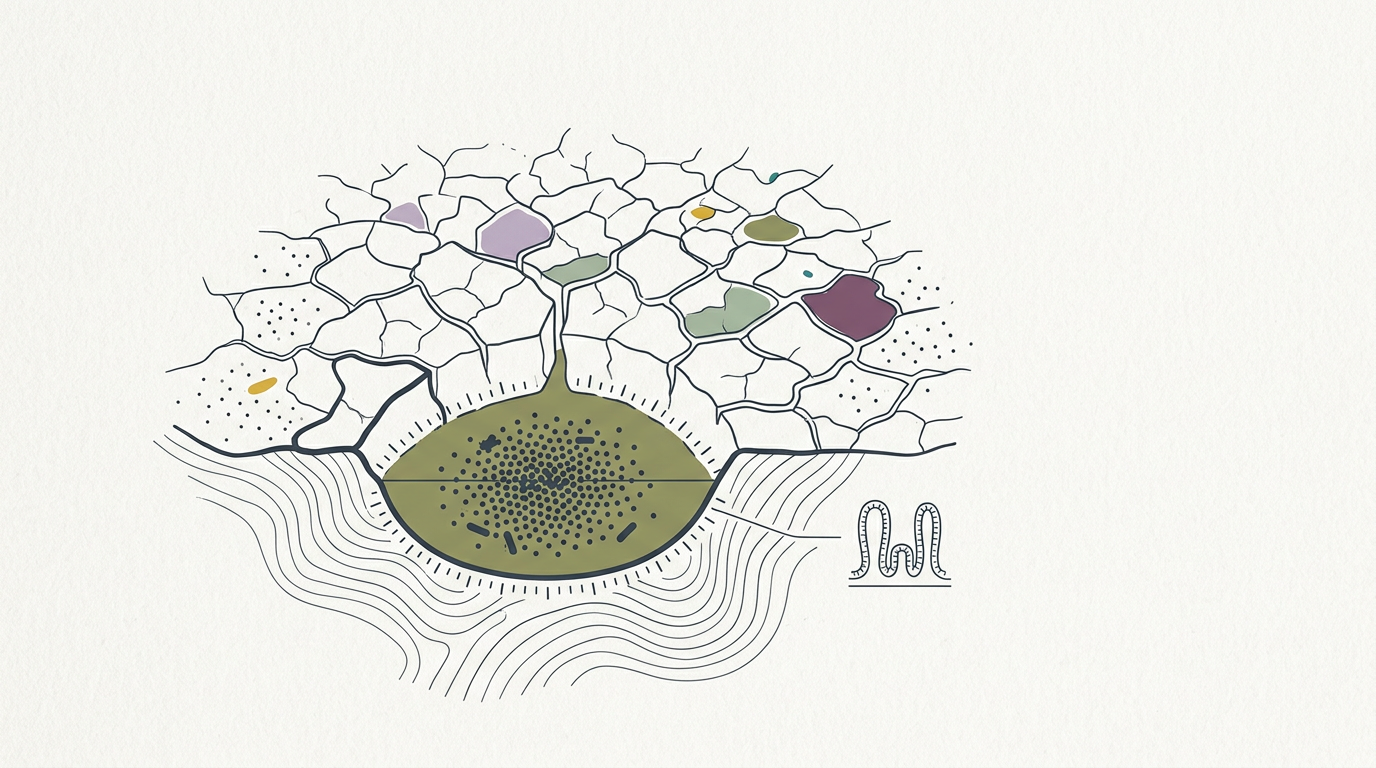
New research explores the "drought-disease paradox," finding that infectious diseases like cholera and E. coli surprisingly thrive in drier conditions, not just in floods. This happens because concentrated bacteria can form hardy biofilms in shrinking water sources, impacting public health.
The architecture take
I used to think waterborne diseases were just a flood thing, but this flips that. Turns out, less water doesn't always mean fewer germs. When freshwater sources shrink during a drought, the bacteria and viruses don't disappear; they just get more concentrated and form these super-tough biofilms on whatever's left. It's like they're building tiny, resilient forts in the mud. For your body, this is a direct hit on the immune system and the gut microbiome, forcing it to fight off pathogens that are more potent and harder to kill. The implications for community health are huge, especially in regions already stressed by climate change. We're talking more intense gut disruptions and increased infection loads, even if you're usually careful with your water. Keep an eye on global health advisories as these patterns become more common.