Trends & News — the smart insider's daily desk

A daily-updated desk of what's moving across wellness and health: launches, openings, consumer-signal data, market forecasts, peer-reviewed research, and policy — each read through a nervous-system lens.

Every published item

  • MD Recommends 180g Daily Protein for Muscle, Longevity

    news · 2026-07-09 · Mindbodygreen

    Dr. Gabrielle Lyon, an MD specializing in muscle-centric medicine, advocates consuming 180 grams of protein daily, significantly higher than the standard RDA. She argues this intake is crucial for maintaining muscle mass, which directly impacts metabolic health and longevity, especially as we age.

    Sabin's take. The protein wars continue, and Dr. Lyon is here to tell you that the official 'adequate' recommendation (0.8g/kg) is basically just enough to not immediately waste away. Turns out, your muscles are your metabolic engine, and they need a lot more fuel — not just for gym bros, but for everyone who wants to age without falling apart. The takeaway? If you're not actively tracking your protein, you're probably undershooting. This isn't about looking jacked; it's about maintaining strength, stabilizing blood sugar, and keeping your body resilient through the decades. This also explains why the supplement market for protein powders and bars is absolutely exploding — people are implicitly getting the message that they need more, and brands are rushing to meet that demand with everything from beef isolate to plant-based blends. What's next? Expect more targeted protein formulations by age and activity level.

    #nutrition #longevity #fitness #research #consumer-signal #supplement

  • Sleep Apnea Linked to Major Eye Disease Risk

    news · 2026-07-09 · Mindbodygreen

    More than 200,000 people showed that untreated sleep apnea significantly increases the risk of glaucoma. The study, published in Ophthalmology, suggests this often-missed sleep disorder silently damages eye health.

    Sabin's take. So, you're mouth-taping, hitting 9 PM bedtimes, wearing black-out masks, maybe even dropping some CBD before lights out. But if you're still waking up feeling like a zombie, your eyes might be telling you something. This huge study just threw shade on all those surface-level sleep hacks if you've got untreated sleep apnea. It's not just about feeling tired; the lack of restorative sleep and repeated drops in oxygen are seriously messing with your optic nerve. Think of it as chronic stress for your eyeballs. The takeaway? If you snore like a freight train or your partner says you stop breathing at night, get tested. Your eyes (and your brain, and your heart) will thank you. This isn't just about avoiding a diagnosis; it's about intercepting a silent, widespread nervous system assault that chips away at your body every single night.

    #research #sleep #nervous-system #longevity #hormones

  • AstraZeneca, Ionis' heart drug fails in major ATTR trial

    news · 2026-07-09 · STAT News

    AstraZeneca and Ionis' heart drug, eplontersen (Wainua), failed to meet its primary endpoint in a Phase 3 trial for ATTR-CM, a type of heart disease. The trial, dubbed CARDIO-TTRansform, did not show a statistically significant benefit in reducing cardiovascular death or hospitalizations compared to placebo. This marks a significant setback in a competitive market for treating this rare, progressive condition.

    Sabin's take. Another drug, another fail. AstraZeneca and Ionis’s eplontersen, meant to tackle ATTR-CM heart disease, just flopped its main trial. While it’s already approved for a nerve condition, it seems like our hearts need a different hero. The drug was supposed to calm down the rogue proteins that gum up the heart. Instead, no dice on the big mortality and hospitalization numbers. This means the existing players, like Pfizer's Vyndaqel/Vyndamax and Alnylam's Amvuttra, can breathe a little easier for now. It’s a reminder that even huge pharma companies with deep pockets don't always crack the code on complex diseases, and sometimes, the human body is just too stubborn to cooperate. Keep watching this space; the unmet need for effective, safe heart disease treatments means someone else is already cooking up the next potential blockbuster.

    #research #longevity #biotech #device #hormones #nervous-system

  • Coffee Cuts Risk of Liver Disease by Nearly Half

    news · 2026-07-09 · Mindbodygreen

    Forget the fancy supplements; a new study in BMC Public Health found that drinking two cups of coffee daily can reduce the risk of certain liver diseases by up to 49%. Researchers followed 494,585 participants, linking regular coffee consumption to a significant decrease in chronic liver disease, fatty liver, and liver-related mortality.

    Sabin's take. Your morning ritual just got another gold star, though maybe not for the reasons you thought. This isn't about some obscure superfood or pricey new peptide; it's just coffee. The study confirms a pretty strong correlation: a couple of regular cups might be seriously good for your liver's long game. We're talking a nearly 50% drop in risk for chronic liver issues and even liver-related death. The takeaway here? Sometimes the best "biohack" is the one that's already part of your routine. No need to chase exotic powders or restrict entire food groups. Just plain ol' caffeine and its antioxidant sidekicks doing their thing. And it’s a good reminder that a balanced daily intake of familiar things can sometimes outperform the hyped-up, expensive stuff. The liver is the body's detox powerhouse, and keeping it happy supports nearly every other system. So, sip away, but maybe skip the pumpkin spice syrup.

    #research #nutrition #longevity #gut #nervous-system

  • Soccer Players Cut Cleat Heels for Less Pain

    news · 2026-07-09 · Wired Science

    Some pro soccer players, like Portugal's Pedro Neto, are manually cutting the heels off their cleats. The modification is a DIY fix aimed at relieving stubborn heel discomfort from playing on hard ground and artificial turf.

    Sabin's take. So, pro athletes aren't waiting for the footwear giants to engineer out their pain, they're taking matters into their own hands, literally with a razor blade. This isn't just about a specific shoe, it's a glaring consumer signal: the market is failing to meet a basic need for comfort and injury prevention at the highest level of sport. Manufacturers are prioritizing aesthetics and performance metrics over foot kinematics and injury mitigation, especially on surfaces that are increasingly unforgiving for the body. The athletes' move highlights the constant battle between optimal biomechanics and product design—their nervous systems are screaming, and they are responding with a real-time, albeit somewhat crude, 'hack.' This workaround suggests a bigger opportunity for brands to actually listen to the body's actual needs, instead of assuming they know best, because right now, players are choosing efficacy over warranty.

    #device #recovery #fitness #consumer-signal #nervous-system #pain

  • New microchip tech could shrink wearables, advance health trackers

    news · 2026-07-09 · Nature News

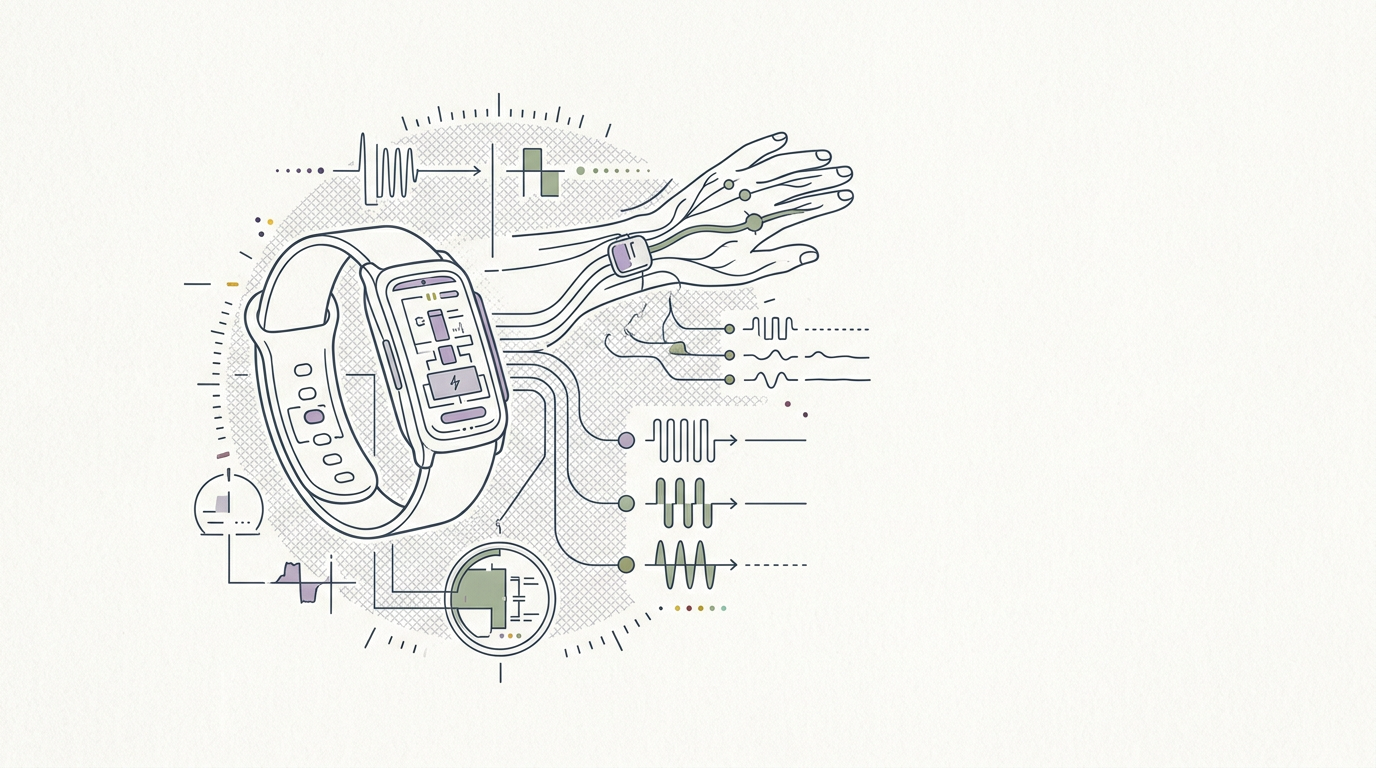
    Researchers at the Chinese Academy of Sciences developed reconfigurable millimeter-wave microchips that cut device size by 90% using hBN switches on GaN. This could mean much smaller, more powerful health tech. Think less bulk, more data on your wrist.

    Sabin's take. This isn't about some incremental bump in CPU speed; it's about fundamentally shrinking the hardware that powers our favorite health gizmos. Right now, wearables have size and power limits — there's only so much you can cram into a ring or a watch before it's clunky and drains its battery in hours. But if you can shrink the actual components by 90% (which is what this hBN-on-GaN tech promises), suddenly you have a ton more real estate for sensors, better antennas, and more battery. What does that mean for your body? Higher-fidelity, continuous tracking. Imagine a sensor that measures multiple biomarkers with clinical-grade accuracy, fits in a tiny patch, and lasts for days. This is the kind of stuff that moves health tech from 'cool gadget' to 'essential diagnostic tool.' Keep an eye on who licenses this first – it's a stepping stone to the next generation of smart health devices, especially for things like continuous glucose monitors or even subtle neural activity tracking.

    #device #research #wearable #longevity #nervous-system

  • Doctors say cannabis is safe for seniors, with some guidance

    news · 2026-07-09 · STAT News

    STAT News published an opinion piece from a doctor advocating for medical cannabis use among seniors. Dr. Peter Grinspoon, a primary care physician, notes that he's treated thousands of patients over 25 years with few side effects, arguing that doctors need to guide older adults through safe consumption.

    Sabin's take. The stigma around cannabis is officially dead, especially when geriatricians are out here saying 'your grandparents are using it, help them do it right.' This isn't about getting high; it's about pain management, sleep, and anxiety relief that often comes with fewer adverse events than traditional pharmaceuticals for older adults. The play here is harm reduction and education — understanding appropriate dosing, delivery methods (vapes over edibles for faster titration, for example), and potential drug interactions. What's often overlooked are the specific physiological changes that happen with age: slower metabolism, increased sensitivity to psychoactive compounds, and polypharmacy (taking multiple meds). Any doctor writing this isn't just giving a blanket pass; they're pushing for personalized care plans. The takeaway? If you're over 65 and exploring cannabis, find a doctor who isn't scared to talk about it. Transparency about your full medication list and existing conditions is critical. This is less about cannabis evangelism and more about responsible integration into mainstream medicine.

    #policy #research #mental-health #longevity #sleep #nervous-system

  • Who Actually Benefits from Classifying Obesity as a Disease?

    news · 2026-07-09 · STAT News

    Max Moser posits that framing obesity as a disease primarily benefits GLP-1 drug makers, drawing parallels to the antidepressant boom. This opinion piece questions the motivations behind the medicalization of obesity, suggesting financial incentives from pharmaceutical companies like Eli Lilly and Novo Nordisk. It asks whether this classification genuinely serves public health or primarily boosts drug sales.

    Sabin's take. The medical establishment's recent embrace of obesity as a 'disease' isn't just about public health; it's a gold rush. Moser nails it: this framing—just like with antidepressants in the 90s—paves the way for pharma to roll out blockbuster drugs like GLP-1s. When you redefine a common metabolic state as a chronic illness requiring lifelong medication, you're not just offering solutions; you're building an entirely new consumer base. What's the real impact on the body? Sure, these drugs can shift glucose metabolism and aid weight loss. But the deeper question is whether a pill-for-every-ill model truly addresses the underlying drivers of metabolic health—like stress, sleep, and lifestyle—or simply treats the symptom while creating dependency. Watch for the public discourse to pivot: from 'lifestyle choice' to 'medical necessity,' and ultimately, to 'insurance-covered prescription.' The industry is banking on it.

    #glp1 #policy #biotech #consumer-signal #nutrition #longevity

  • Celeb Fragrances Are Eyeing a New Summer Peak

    trend · 2026-07-09 · Glossy

    Expect a fresh wave of celebrity-backed fragrances hitting shelves, with Coty shaking up its executive team and Tuckernuck making moves into the beauty market. The industry is betting on a 'hot girl summer' for scent sales.

    Sabin's take. So, celebrity fragrances are back? You love to see it. After a minute where clean beauty and 'skinimalism' tried to convince everyone perfume was bad for their nervous system (too many chemicals, too much 'endocrine disruption'), the vibe is clearly shifting. People want to smell good again. Blame TikTok, blame the general anxiety of the last few years making us crave anything that feels a little extra, but the market is clearly reacting. What this signals is less about the celebrity and more about the cultural pendulum swinging back to pleasure and sensory experience. The consumer's dopamine system is ready for a hit of something new and shiny, and a new fragrance is low-commitment, high-reward. Watch for brands to lean harder into 'mood-boosting' or 'confidence-inducing' scent stories—it's not just about smelling pretty anymore, it's about buying a feeling, a micro-dose of self-care. And yes, it works on your brain. That's why you keep buying it.

    #culture #consumer-signal #skincare #mental-health #launch

  • Hung Vanngo Beauty launches foundation, rethinks shade-matching

    news · 2026-07-09 · Glossy

    Celebrity makeup artist Hung Vanngo's new brand, Hung Vanngo Beauty, launched its first foundation to challenge traditional undertone-based shade matching. The brand aims to simplify the process, focusing on skin depth and overtone, not just cool/warm/neutral, for a more intuitive consumer experience.

    Sabin's take. Okay, so Hung Vanngo — the guy behind a million red-carpet faces — is dropping a foundation that basically says 'your undertone is not your destiny.' Instead of fussing with cool, warm, or neutral, his line wants you to think about skin depth and overtone. This is a quiet rebellion against the beauty industry's obsession with hyper-specific, often confusing, classifications that leave most people guessing. The real mechanism here? Minimizing decision fatigue and maximizing perceived fit which, ironically, can lead to higher satisfaction than a 'perfect' match that’s impossible to achieve. It’s less about some groundbreaking pigment science and more about user experience design, cutting through the noise so you feel like you actually know what you're buying. Watch for this to nudge other brands to simplify their shade ranges, because if a consumer can't figure out their 'perfect' match online, they'll bounce.

    #launch #skincare #beauty

  • Meta's AI Glasses Are Hit Sellers at America's Best, Eyeglass World

    news · 2026-07-09 · Modern Retail

    Meta's AI-powered glasses are reportedly among the fastest-selling devices at major optical retailers like America's Best and Eyeglass World. This signals a growing consumer appetite for smart eyewear that integrates AI into daily life. The report highlights a shift in optical retail from purely corrective lenses to combining vision correction with advanced tech.

    Sabin's take. Think your phone is bad for your dopamine system? Get ready for the next level: AI-powered glasses. Meta's Frames are selling like hotcakes, meaning consumers are ready to strap generative AI directly to their eyeballs. While the current features are primarily about audio, photos, and live-streaming, the implications for constant, on-demand information access are immense. For your nervous system, this means an even more direct pipeline for external stimulus. How do you regulate when the entire internet is a single blink away from your direct perception? We're already seeing the effects of constant phone alerts on focus and stress. Giving AI a front-row seat to your everyday life, literally, is going to crank that up. We'll be watching for how this kind of always-on tech impacts attention spans, social interactions, and ultimately, our brain's ability to just chill out.

    #device #consumer-signal #wearable #mental-health #nervous-system

  • Accountability Beats Motivation for Gym Members, New Data Shows

    news · 2026-07-09 · Athletech News

    Data from 125,000 Orangetheory and Anytime Fitness members proves accountability is a bigger driver for fitness results than motivation. Those with accountability partners logged 3.4x more workouts than those without, and virtual coaching sessions nearly tripled attendance.

    Sabin's take. So, you know how everyone says 'just find your motivation'? Turns out, that's kinda BS. What actually gets people off the couch and through a workout is someone else expecting them to be there. This isn't just about showing up; it’s about a little bit of social pressure (the good kind, mostly) overriding the executive function fatigue that hits all of us after a long day. For the brands, it means the entire sales pitch needs to shift from 'be your best self!' to 'we'll make sure you actually show up.' Expect to see a lot more shared calendars, virtual check-ins, and buddy systems pitched in your next gym membership or app download. It's less about the 'why' and more about the 'who's waiting.'

    #fitness #consumer-signal #report #mental-health #workplace

  • Oura and Willow defend against market copycats with problem-solving focus

    trend · 2026-07-09 · Modern Retail

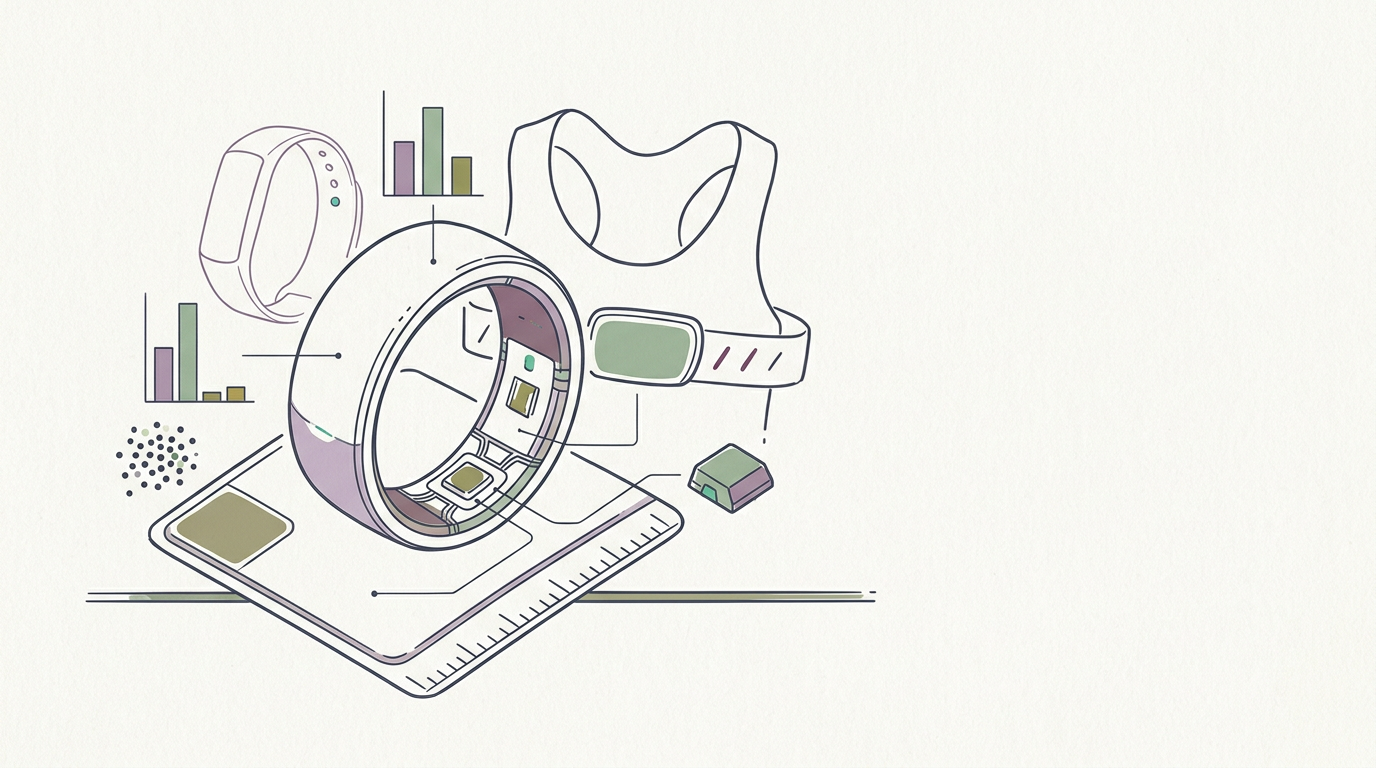
    Oura and Willow, creators of popular health tech categories, are reportedly fending off 'dupes' and holding their market leads by prioritizing customer problem-solving over just being first to launch. The strategy involves continuous innovation and deep understanding of consumer needs beyond initial product introduction. This approach is positioned as a key differentiator for sustained market dominance.

    Sabin's take. The real flex isn't being first, it's making something so damn good people don't even *want* a knock-off. This 'ward off dupes' story is basically a masterclass in product strategy: Oura's not just a ring, it's a sleep coach in miniature; Willow isn't just a pump, it's freedom for new moms. The mechanism here is simple: when you solve a deep, nagging problem better than anyone else, you build a kind of brand loyalty that's harder to copy than the tech itself. Most brands focus on features, but the ones that win long-term understand the *feeling* they're selling. This means fewer returns, more word-of-mouth, and a customer base that will stick with you even when cheaper versions pop up. It’s a good reminder that genuine utility always beats a marketing budget.

    #device #wearable #consumer-signal #longevity #sleep #report

  • Air-permeable hydrogels could make breathable electronics for skin

    news · 2026-07-09 · Nature News

    Researchers at the University of Cambridge developed air-permeable hydrogels using a new viscoelastic phase separation method. Published in Nature News, these materials maintain moisture and breatheability, making them ideal for next-gen wearable electronics and medical patches.

    Sabin's take. Think of every itchy, sweaty wearable you've ever ripped off. This new hydrogel tech from Cambridge might just solve that by letting your skin breathe. Most flexible electronics (or even just wound dressings) trap moisture against your skin, which feels gross and can mess with the tech's performance or cause irritation. This material, though? It balances being wet enough to conduct electricity or deliver meds, with being porous enough to let air circulate. The actual mechanism involves some clever viscoelastic phase separation — basically, they're creating a jelly-like material with tiny, interconnected air channels that stay open. This means your next smart patch for glucose monitoring, drug delivery, or even a neural interface could feel a lot less like wearing a sweat-lodge on your arm. Watch for this tech to show up in medical devices first, then trickle down to performance wearables. It's about making tech feel as seamless as a second skin, which is exactly what our nervous systems prefer.

    #research #device #wearable #skincare #biotech

  • Europe may accelerate review of RevMed cancer drug

    news · 2026-07-09 · STAT News

    Europe's drug regulators are considering fast-tracking RevMed's cancer drug, reflecting a push for quicker access to new treatments. This potential acceleration comes alongside new GLP-1 data from Kailera raising concerns, and FDA clearance for Vera's autoimmune therapy. The move highlights evolving regulatory landscapes and a keen eye on pipeline innovations in biotech.

    Sabin's take. Okay, so Europe might speed up the approval process for a new cancer drug. While this is about pharma, it’s a big signal. When regulators start playing fast and loose (or, you know, just 'faster') with drug approvals, it means they're under pressure to deliver novel treatments to market, stat. This isn't just about cancer; it sets a precedent. What happens when the public demands quicker access to, say, next-gen longevity compounds or breakthrough metabolic therapies? We're already seeing a similar vibe with the scramble around GLP-1s, and a newly FDA-cleared autoimmune therapy dropping. It means the usual slow-and-steady system could get a jolt, and consumers might see more — and potentially riskier — innovations hit the shelves sooner. Watch how this dominoes into other high-demand categories where patient access is a hot button, like chronic conditions or even advanced recovery tech.

    #policy #biotech #glp1 #longevity #research

  • Bryan Johnson Had Autoimmune Gastritis for Decades

    news · 2026-07-09 · STAT News

    Longevity tech bro Bryan Johnson revealed he's battled autoimmune gastritis for 25 years. The condition, often missed due to unreliable testing, causes inflammation of the stomach lining, potentially worsening with age.

    Sabin's take. Turns out even the most biohacked man alive isn't immune to notoriously hard-to-diagnose chronic conditions. Johnson's revelation about his autoimmune gastritis, which he believes has silently affected him for decades, is a pretty stark reminder that sometimes the 'cutting edge' of wellness hits a wall when it comes to basic pathology. It's a wake-up call to the medical system: symptoms often get dismissed, and diagnostic tests can be woefully inadequate for something as central as gut health. The implication here is massive for anyone trying to optimize their health: if a guy with a full-time medical team and unlimited resources can miss something this big for this long, what's everyone else overlooking in their own bodies? This isn't about blaming individuals, but highlighting the systemic gaps in recognizing and validating chronic, often 'invisible,' illnesses.

    #longevity #gut #research #biotech #consumer-signal

  • Fitness M&A Slows, Investors Seek 'HALO' Assets

    news · 2026-07-09 · Athletech News

    M&A in the fitness and wellness sector (dubbed 'HALO' by some industry insiders) is experiencing a valuation reset, with fewer deals and increased scrutiny from investors. Pete Moore and Brian Smith, experts in the space, noted capital is still available but selective, focusing on brands with clear growth and profitability amid higher interest rates.

    Sabin's take. The party's over, folks. If your wellness offering is just 'vibes' and not rock-solid revenue, don't expect a buyout anytime soon. This industry has been swimming in easy money, and valuations were often detached from actual performance. Now, with interest rates putting the squeeze on capital, investors are only looking at businesses that actually make money, or at least have a clear path to it. That means less appetite for speculative plays and more focus on fundamentals: real customer acquisition, retention, and a clear path to profitability. The 'HALO' sector — Health, Active Lifestyle, Outdoors — is still attractive, but only for brands that can prove they're built to last, not just built to flip. Watch for a flight to quality, meaning the established players or genuinely innovative concepts with strong unit economics will stand out, while the also-rans quietly fade out.

    #funding #ma #fitness #longevity #report #event

  • Planet Fitness Franchisee Lenders to Take Ownership

    news · 2026-07-09 · Athletech News

    The largest Planet Fitness franchisee, owned by American Securities, is in talks with its lenders to hand over ownership as it grapples with a pile of maturing debt. This move aims to restructure its finances and keep its 170+ locations (mostly in the Midwest and South) operational.

    Sabin's take. So, even the 'judgment-free zone' of Planet Fitness isn't safe from financial drama. The owner of over 170 locations is basically swapping out the investor for the lenders, because debt. This isn't just some boring business deal; it's a peek behind the curtain at what happens when a no-frills, low-cost model hits a wall. While Planet Fitness as a whole is doing fine, this signals that even the most accessible gyms aren't immune to over-leveraging and regional economic pressures. What to watch: whether this leads to a slowdown in expansion or a strategic re-evaluation of the low-cost gym model, especially as consumers get more discerning about where their dollars go — even if it's just $10 a month. People might be looking for more than just a place to sweat; a good deal isn't always enough to keep the nervous system regulated if the business behind it is in freefall.

    #fitness #funding #ma

  • NBA Players Get Teladoc Access for Virtual Healthcare

    news · 2026-07-09 · Athletech News

    The National Basketball Players Association (NBPA) partnered with Teladoc Health to expand virtual healthcare options for players. This gives NBA athletes easier access to a range of services, including mental health support.

    Sabin's take. So, even NBA players—who you'd assume have top-tier everything—are leveraging virtual health. This isn't just about convenience, it's about discreet access to care, especially for things like mental health where privacy matters. For these guys, high-stakes games and intense public scrutiny put serious stress on their nervous systems; having Teladoc on call means quicker interventions for anything from injury recovery to performance anxiety or sleep issues. This move normalizes virtual-first care at the highest level of professional sports, signaling to the rest of us that remote consultations are no longer just for basic check-ups. Watch for more pro sports leagues to follow suit, further blurring the lines between elite athlete care and what's available to general consumers. This is a clear indicator that the future of wellness is as much about access and discretion as it is about advanced treatments.

    #policy #mental-health #recovery #nervous-system #workplace #device

  • Luxury Real Estate Ditches Gyms for Pilates Reformer Studios

    trend · 2026-07-09 · Athletech News

    South Florida developers are swapping traditional gyms for dedicated Pilates reformer studios and movement spaces in luxury residential buildings. This shift is driven by the demands of new wellness buyers, especially women, who prioritize intentional, low-impact exercise. Expect this real estate trend to spread beyond South Florida as developers chase the wellness dollar.

    Sabin's take. So, luxury real estate is finally clueing into what everyone else figured out years ago: nobody *actually* loves a generic, windowless gym. The 'wellness buyer' isn't just about big weights and treadmills anymore; they want precise movement, core strength, and tools that feel intentional, not just for burning calories. Reformer Pilates isn't just a trend; it's a nervous system hack. The controlled breath and focused movements dial down cortisol, improve vagal tone, and build lean muscle without joint impact. Developers swapping out a soulless gym for a dedicated Pilates studio signals a smart read on what consumers actually want to *do* to feel good. Watch for more specialized movement studios popping up in high-end residentials, because the 'everything but the kitchen sink' amenity model is dead. It's about how you feel when you move, not how much equipment you have.

    #opening #consumer-signal #fitness #recovery #nervous-system

  • Oshala Farm, major herb supplier, lost to fire

    news · 2026-07-09 · SupplySide Supplement Journal

    Oshala Farm, the second-largest bulk medicinal herb grower in the US, was destroyed by fire on July 7. This fire impacts the supply chain for supplement brands that rely on high-quality botanicals and concentrates.

    Sabin's take. Here's the thing about your 'natural' supplements and herbal tinctures: they come from somewhere. Often, a single farm supplies a huge chunk of the market. Oshala Farm was one of those places, a major player in bulk medicinal herbs, now gutted by fire. This isn't just about one farm losing its crop; it's about a supply shock rippling through the supplement industry. Many brands get their raw botanicals from places like Oshala, so expect price hikes or ingredient swaps down the line as they scramble to find new, quality sources. For you, this means digging into your favorite brand's transparency reports: where are they sourcing their ashwagandha or elderberry now? If they're good, they'll tell you. If not, maybe it's time to find a brand that does.

    #supplement #nutrition #supply-chain

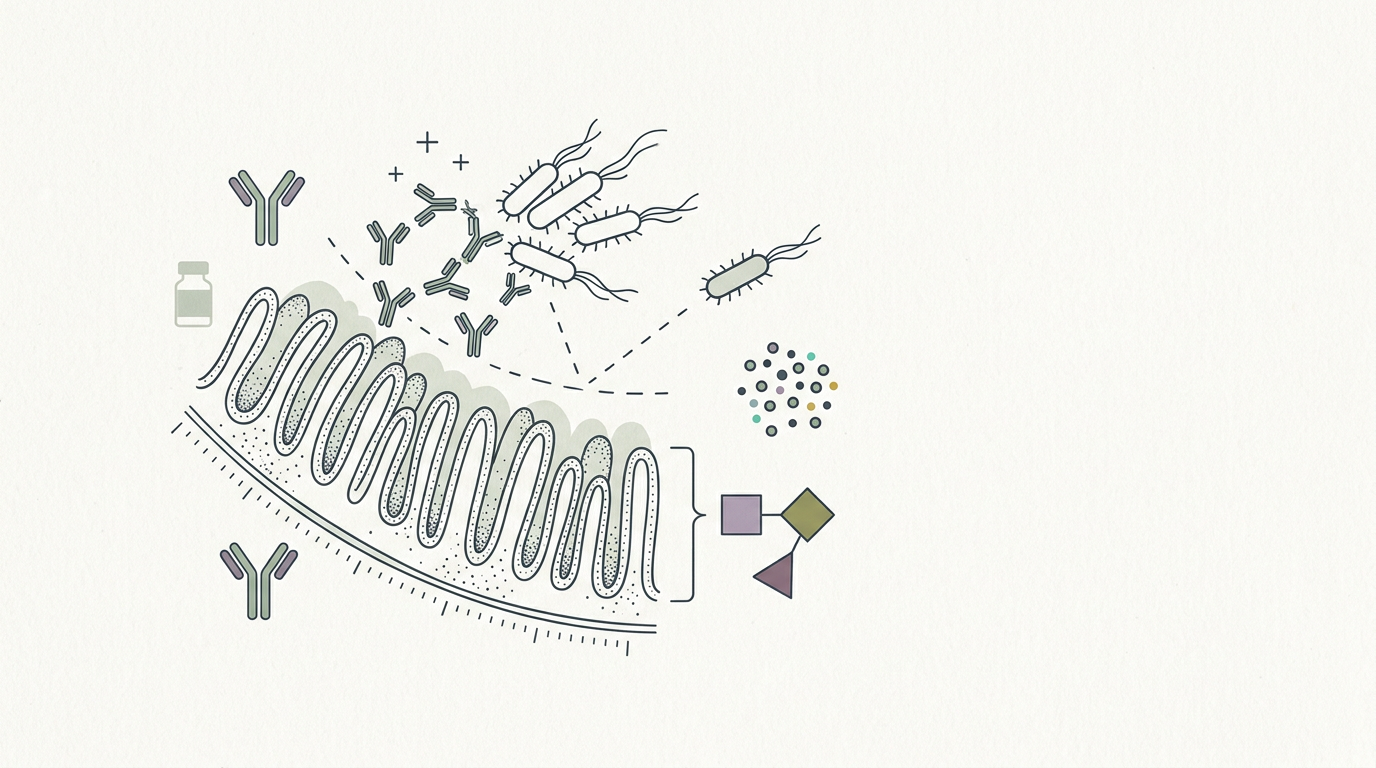
  • Specific gut microbes boost cancer immunotherapy in obese patients

    news · 2026-07-09 · Nature News

    New research published in *Nature* shows that a specific combination of gut bacteria can make immunotherapy more effective for cancer patients with obesity. This finding, from a study led by Dr. Romina Goldszmid at the National Cancer Institute, suggests that personalized microbiome interventions could be a future pathway for better treatment outcomes.

    Sabin's take. So, turns out your gut bacteria aren't just for digestion; they're apparently moonlighting as cancer-fighting hype-men, especially if you're carrying a few extra pounds. This *Nature* study isn't saying obesity is good for you (it's not), but it highlights how the gut's microscopic ecosystem can rewrite the rules on how well a major cancer treatment works. The mechanism here is wild: obesity changes the gut microbiome, which then produces unique metabolites that somehow supercharge the immune system's response to immunotherapy. What this means for your body is that if you're on the higher end of the BMI scale and facing cancer, your gut environment might actually be a secret weapon. The smart play is probably not to gain weight to hack your cancer treatment, but rather, to pay attention to your gut health if you're in that demographic. The next wave of personalized medicine might just involve a fecal transplant or engineered probiotics tailored to your specific tumor and body composition. And yes, it's weird, but it could save lives.

    #research #gut #longevity #biotech

  • Aneuploidy Drives Aggressive Breast Cancer

    news · 2026-07-09 · Nature News

    New research in Nature shows that aneuploidy, a common chromosomal abnormality in cancer, actively selects for the acquisition of aggressive driver genes in breast cancer. This suggests that aneuploidy isn't just a byproduct; it's a key mechanism making tumors smarter and harder to treat. The study by lead author Kevin M. Haigis and colleagues was published in Nature.

    Sabin's take. Okay, so this isn't just some random genetic glitch. Turns out, aneuploidy—when cells have the wrong number of chromosomes—isn't just along for the ride in breast cancer; it's practically building the car. Researchers found that this wonky chromosome count actually *selects* for genes that make the cancer more aggressive and treatment-resistant. Think of it like this: your cells are trying to be perfect copies, but aneuploidy throws a wrench in the whole operation, giving tumors an evolutionary leg up. This means the disease isn't just growing, it's learning and adapting faster because of this underlying chaos. Instead of targeting individual bad genes, the bigger picture here might involve messing with the cell's ability to tolerate this chromosomal mess. It’s a shift from whack-a-mole with cancer genes to disrupting the entire ecosystem that lets them thrive.

    #research #biotech #longevity

  • Licensing AI in medicine means physician accountability

    news · 2026-07-09 · STAT News

    STAT News opinion piece argues real accountability is needed for AI in medical care, pushing for physician responsibility over AI licensure. Authored by Afnan R. Tariq and Ami Bhatt, the piece highlights that a human still needs to be on the hook for AI outcomes.

    Sabin's take. Listen, there’s no getting around this: if an AI bot tells a doctor to give you a questionable drug and that drug makes you worse, who’s getting sued? Not the bot. This piece hits on a key nervous system reset: trust. If AI becomes deeply entangled in our health decisions, and it will, the question isn’t whether the algorithms are licensed, but whether the humans using them are responsible. We’re already seeing brands touting AI insights for everything from gut health to sleep optimization; the regulatory landscape for this tech is a wild west. The push here is to make doctors the ultimate guardians, forcing them to understand the AI, not just blindly follow it. Otherwise, what’s the point — just more opaque inputs for an already overwhelmed system. This matters for your body because if your physician isn't held accountable for the AI's advice, then neither is the AI itself. Watch for more discussions around medical liability and AI integration in clinical settings to really heat up.

    #policy #biotech #nervous-system #mental-health #longevity

  • ACA insurers want double-digit premium hikes

    news · 2026-07-09 · STAT News

    Affordable Care Act insurers are pushing for double-digit premium increases for the second year straight, citing rising medical costs and federal policy shifts. This comes as enrollment numbers start to sag, hitting consumers in the wallet again.

    Sabin's take. The healthcare industrial complex: always gonna complex. Insurers are asking for big premium bumps again, and while they're blaming "rising medical costs" and "policy changes," it's a familiar tune where the consumer always pays more. You know, the usual cycle where your monthly outgo jumps, your deductible still feels like a second mortgage, and you're left wondering what you're actually paying for beyond catastrophic coverage. This isn't just about healthcare access; it's about the financial stress of managing that access. When basic healthcare feels like a luxury, it trickles into everything else — delaying care, increasing anxiety, and generally making your nervous system work overtime. Expect more noise around this, and perhaps a fresh wave of people looking for alternatives to traditional plans, or just giving up on their annual check-up to avoid another bill.

    #policy #mental-health #nervous-system

  • US politicians push to bring generic drug manufacturing back home.

    news · 2026-07-09 · STAT News

    Marco Rubio, RFK Jr., and Chris Klomp are pressuring pharmaceutical leaders to ramp up domestic production of generic medicines. This move aims to reduce reliance on foreign supply chains for essential drugs. The shift could impact drug availability and pricing for consumers.

    Sabin's take. The push to onshore generic drug manufacturing is less about patriotism and more about controlling critical supply lines. Right now, a huge chunk of what's in your medicine cabinet comes from places like China and India, making us vulnerable when things get weird (hello, pandemic). If Washington gets its way, your standard meds — everything from ibuprofen to antidepressants — could soon be stamped 'Made in the USA.' This could mean more stable access and potentially stricter quality control, which is good for your nervous system to not worry about. But it also likely means higher prices, at least initially, as production costs in the US are steeper. Watch for pharmaceutical giants to grumble, but ultimately, they'll follow the money and the mandates. The real play here is national security, dressed up in economic policy, and it's coming to your medicine cabinet.

    #policy #longevity #mental-health #biotech #nutrition

  • New gene editing technique could make organ transplants safer

    news · 2026-07-09 · Nature News

    Researchers at Stanford, led by Dr. Peter S. Kim, developed a new gene editing method called 'epitope editing' that can hide transplanted cells from a recipient's immune system without harsh immune suppression drugs. This technique, published in Nature, selectively removes specific protein markers on cells, potentially making them 'invisible' to the body's defenses. It paves the way for wider use of cell therapy and organ transplantation with fewer complications.

    Sabin's take. Okay, so this is big if it works in humans like it does in mice. The holy grail of organ transplants has always been figuring out how to stop the body from trying to murder healthy new cells. This 'epitope editing' thing isn’t about just broad-spectrum immune suppression (which nukes your whole system and leaves you an infection risk) – it's about surgically (metaphorically) removing the 'HELP, I'M FOREIGN' flags off donor cells. Think of it like taking the uniform off an enemy spy and dressing them in your colors. The main mechanism at play here is *immune tolerance* without generalized *immunosuppression*. It means less systemic inflammation, better long-term outcomes, and potentially opens the door to using a wider range of donor cells for everything from diabetes (islet cells) to neurological disorders. Watch how quickly biotech companies jump on this for human trials. The promise is true regenerative medicine without the lifelong pharmaceutical burden. It’s a huge nervous system win, reducing the chronic stress of transplant recipients.

    #research #biotech #longevity #nervous-system #recovery

  • White House review for next FDA Commissioner is nearing decision

    news · 2026-07-09 · STAT News

    The White House is in the final stages of reviewing candidates to lead the FDA, a decision that could come soon. This appointment is critical for the health and wellness industry, particularly for policies around supplements, GLP-1s, and other emerging biotech products.

    Sabin's take. Okay, so the FDA is about to get a new boss, and this isn't just bureaucratic reshuffling. The person leading the FDA sets the tone for everything from GLP-1 access to how supplements are regulated, and even the future of psychedelics and peptides. Think about it: this one person can slow down or speed up innovation, make or break entire categories of wellness products, and ultimately decide what ends up in your body and how it's marketed to you. Their stance on 'claims' vs. 'efficacy' directly impacts what you can and can't buy, and what companies can even promise about it. Watch for signals on their prior opinions when the announcement drops – it's a huge tell for what's about to come down the pike for consumers and the brands targeting them.

    #policy #longevity #supplements #glp1 #peptide #biotech

  • RFK Jr. to create list of vaccine injuries if elected

    news · 2026-07-09 · STAT News

    Robert F. Kennedy Jr.'s campaign announced that if elected president, he plans to establish a federal program to identify injuries caused by COVID-19 vaccines. This initiative aims to address what his campaign perceives as overlooked adverse effects. The specific conditions that would make this list are currently unclear, raising questions across medical and political circles.

    Sabin's take. Whether the science backs it up or not, the fact that a presidential candidate is even talking about a 'vaccine injury' list tells you where the nervous system of the country is at. This isn't just about public health policy anymore; it's a direct response to a cultural moment brimming with distrust and a desire to be heard. This move, regardless of its scientific merit, legitimizes conversations that have largely been sidelined, forcing a reckoning with how public health messages land (or don't) in a hyper-polarized world. For people who feel unseen regarding their health experiences, this signals that their concerns might finally be addressed, for better or worse. Watch for how this plays into broader conversations around medical autonomy and the perceived overreach of institutions. This isn't just a policy proposal; it's a cultural temperature check on where the lines of trust and authority are being redrawn.

    #policy #mental-health #nervous-system #biotech

  • A supplement combo for sleep-disturbed mind chatter

    news · 2026-07-09 · Mindbodygreen

    Mindbodygreen highlights a magnesium and l-theanine supplement stack for quieting an overactive mind at bedtime. It's a combo they've been pushing for a while, aimed at those who struggle to switch off. The idea is to hit two different pathways involved in nervous system regulation.

    Sabin's take. Listen, if your brain is still running a marathon when your body's trying to clock out, you're not alone. This combo of magnesium and l-theanine is a pretty standard, well-tolerated approach to taming that late-night mental loop. Magnesium is your cellular chill-pill, dialing down excitatory neurotransmitter activity and boosting GABA, which is basically the 'stop' signal for your brain. L-theanine, found in green tea, nudges your brain into alpha wave states, the kind you experience during meditation, without making you sleepy outright. It's not a sedative, it's more like a subtle dimmer switch for mental chatter. The takeaway? If cortisol is spiking or you're just wired from the day, this stack aims to coax your nervous system into a parasympathetic (rest and digest) state so you can actually get some sleep. It's not a magic bullet, but it's a solid physiological nudge towards some quiet.

    #supplement #sleep #nervous-system #mental-health #nutrition

  • NFL Players See Nearly 4X Higher Brain Disease Risk

    news · 2026-07-08 · Mindbodygreen

    A massive study of 20,000 former NFL players found they face almost four times the risk of neurodegenerative diseases like ALS and dementia compared to the general population. This research highlights the long-term neurological impact of repetitive head trauma in contact sports. It's a huge signal for parents and coaches in youth sports.

    Sabin's take. Listen, everyone knows football is rough, but a nearly 4x higher risk for brain diseases is a gut punch. This enormous study isn't just about the pros; it's a stark warning for every parent signing their kid up for tackle football or any contact sport where your brain jiggles around inside your skull. The mechanism is pretty straightforward: repeated subconcussive hits and concussions create cumulative inflammation and trauma in brain tissue, leading to accelerated neurodegeneration. You don't need to be a doctor to understand that protecting your gray matter is paramount. This isn't a call to ban sports, but it absolutely changes the risk-reward calculation for kids. We're already seeing a slow creep towards flag football in youth leagues, and this data will only accelerate that shift. Expect to see more innovation in protective gear for head impact, but frankly, nothing fully solves the problem of dynamic forces on soft tissue inside a hard shell. For parents, this means a harder look at what 'fun' is worth for long-term nervous system health.

    #research #nervous-system #mental-health #longevity #fitness

  • Brands are turning online communities into marketing engines

    trend · 2026-07-08 · Athletech News

    Fitness and wellness brands like Zumba, Crunch, and Hims & Hers are building online communities to convert consumer skepticism into loyalty. This shift moves beyond traditional ads to foster trust, education, and long-term engagement directly with their user base. It's about making people feel part of something, not just buying something.

    Sabin's take. Listen, 'community' was marketing buzzword bingo for over a decade, but it's finally getting traction beyond just a Facebook group. This isn't about selling access to a forum; it's about shifting the consumer's dopamine hit from a 'buy now' button to a 'belong here' button. When brands nail this, they tap into the primal need for connection and social proof — your nervous system literally calms down when you feel part of a tribe. That changes search behavior, word-of-mouth spread, and ultimately, retention. The shrewd move here is recognizing that transaction fatigue is real, and the next-gen consumer will pay more for belonging than they will for another widget. For brands, it's a virtuous loop. For the individual, it's finding your people while getting your product fix. The danger, of course, is manufactured authenticity. Nobody falls for that anymore. It has to be real, or it feels worse than no community at all.

    #culture #consumer-signal #fitness #mental-health #longevity #hormones

  • Indian Fitness Giant Cult.fit Files for IPO

    news · 2026-07-08 · Athletech News

    Cult.fit, a major Indian fitness company with 708 centers and nearly one million paid members, is going public. This move signals significant investor confidence in the rapidly expanding South Asian wellness market. The IPO could fuel further growth and expansion for the brand.

    Sabin's take. Think of this as a big read on what's next for global wellness. With nearly a million members and hundreds of gyms, Cult.fit’s IPO isn't just about India getting fitter; it's a massive bet on a market that most Western VCs are still just eyeing. The sheer scale here is wild – 708 centers is no joke. This shows there's serious money to be made in accessible, scaled-up fitness, especially outside the typical Silicon Valley-backed boutique model. What you're seeing is the potential for mass market wellness to explode, with companies adapting to local economies and truly massive populations. Watch how much private equity and institutional money pours into similar models in other emerging markets. The returns here are less about high-margin exclusivity and more about pure volume and penetration, changing the game for what investment in 'wellness' even means.

    #ipo #fitness #funding #consumer-signal

  • GLP-1s, community, and preventative health are future of fitness, execs say

    trend · 2026-07-08 · Athletech News

    Industry leaders at the Athletech News Innovation Summit predict GLP-1s, community, and preventative health will shape the future of fitness. They see stronger healthcare and social wellness outcomes as key drivers, with GLP-1s offering a new opportunity.

    Sabin's take. Okay, so the fitness industry has finally caught on to what's actually moving the needle: community, proactive health (read: not just looking good, but feeling good long-term), and GLP-1s. It's wild that it took them this long to embrace the obvious. The GLP-1 integration will be the most interesting to watch. Are we talking about gyms becoming part of your prescription journey? Or just adapting programming for members who are taking them? Either way, it's a huge signal that the goal of 'fitness' is shifting from pure aesthetics to genuine metabolic and physiological health. This means more personalized programs, better integration with medical data (if they can figure out privacy), and probably less focus on just hitting reps. Expect more recovery zones, more data-driven coaching, and potentially, fewer purely aesthetic-driven classes. The industry is getting real, finally.

    #glp1 #fitness #longevity #community #report #event

  • Oura partners on psychedelic research, Alo expands personal care

    news · 2026-07-08 · Glossy

    Oura has partnered with mental health clinics to research psychedelic treatment outcomes using its smart ring data. Meanwhile, women-only gym brand Grit by Brit is opening a Dallas location, and Alo Yoga is doubling down on its personal care line, adding new body products.

    Sabin's take. Okay, Oura getting into psychedelic research is a smart move. They're basically saying, 'Hey, your sleep and HRV data isn't just for optimizing a workout; it's also a biomarker for how your brain is recalibrating after a mind-bending trip.' It gives the wearable a whole new layer of clinical legitimacy and pushes beyond the 'step count' energy into actual nervous system change. On the flip side, Alo dropping more body care is peak 'lifestyle brand.' It's not about performance; it's about extending the vibe from your yoga studio to your shower. And the women-only gym, Grit by Brit, in Dallas? Solid signal that some people are tired of co-ed gym culture and just want a space that's explicitly designed for their body and social comfort. More niche, less everything-for-everyone is coming for fitness.

    #wearable #psychedelic #skincare #opening #fitness #mental-health

  • FDA approves Vera Therapeutics' Trutakna for kidney disease

    news · 2026-07-08 · STAT News

    The FDA just gave the green light to Trutakna, a new drug from Vera Therapeutics designed to treat IgA nephropathy, a chronic kidney disease. This approval brings a new treatment option for patients grappling with this specific kidney condition.

    Sabin's take. Okay, so the FDA approved Trutakna for IgA nephropathy. What they're not explicitly saying is that this isn't just another drug; it's a direct intervention on an autoimmune response that's slowly trashing your kidneys. IgA nephropathy triggers your immune system to produce these wonky antibodies that then glob up in your kidneys, causing inflammation and scarring that eventually leads to organ damage. This drug aims to slow that whole process down, not just treat the symptoms. For anyone with a chronic autoimmune condition, new therapies that target the underlying mechanism rather than just managing the downstream effects are a big deal. It signals a move away from just palliative care towards actually trying to preserve organ function long-term. Watch for more biotech plays in autoimmune diseases, because that's where the next wave of 'longevity' drugs are quietly brewing.

    #policy #biotech #longevity #research

  • Prime Medicine Wins Gene-Editing Dispute Against Beam Therapeutics

    news · 2026-07-08 · STAT News

    Prime Medicine won an arbitration battle against Beam Therapeutics over gene-editing technology. This win clears a major hurdle for Prime Medicine, allowing them to advance their next-gen 'prime editing' tech with fewer legal challenges.

    Sabin's take. Okay, so two big biotech players, Prime Medicine and Beam Therapeutics, were duking it out over who owned what in gene-editing. Prime just won. Why should you care? Because gene editing, especially "prime editing" (which is like a more precise, less destructive version of CRISPR tech), is where longevity and personalized medicine are heading. This win means Prime Medicine can now push forward faster with therapies that could literally fix errors in your DNA, targeting genetic diseases at their root. Think single-base pair level corrections without the messy double-strand breaks of older tech. Fewer legal distractions mean more focus on getting these therapies into human trials and, eventually, into people who need them. It's a green light for a future where your genetic code isn't a fixed destiny but a malleable script that can be optimized for health and a longer life.

    #biotech #longevity #research #policy #funding

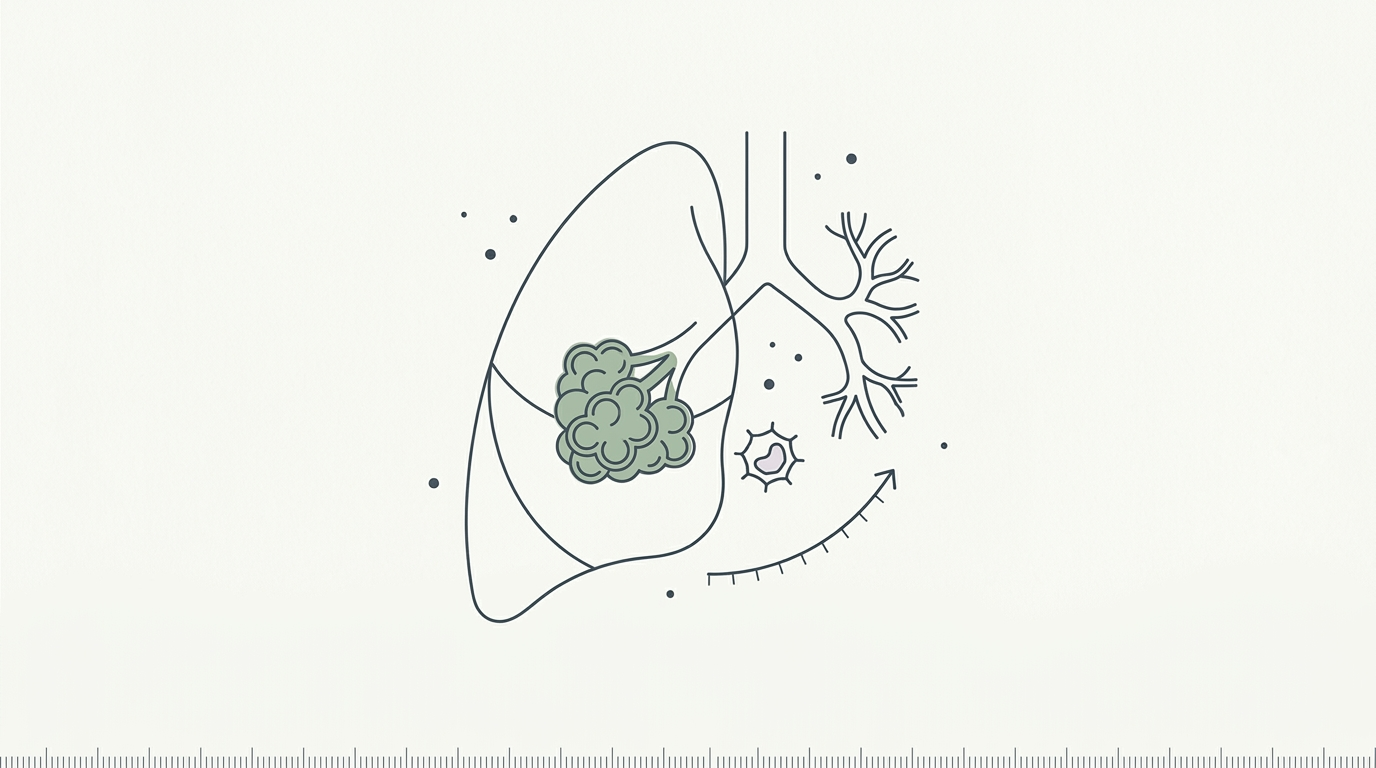
  • Lung Transplant Extends Life for Early-Stage Lung Cancer Patients

    news · 2026-07-08 · STAT News

    A new study in JAMA Oncology reports that stage 4 lung cancer patients whose cancer hadn't spread saw significantly extended survival after receiving lung transplants. This challenges the long-held belief that advanced cancer patients aren't transplant candidates. Of 16 patients studied, the median survival was 4.4 years post-transplant.

    Sabin's take. The body, man. It keeps surprising us. We've been taught that if cancer has metastasized, even locally, a big, scary intervention like an organ transplant is off the table. This study flips that script for a specific subset: non-small cell lung cancer patients whose disease is localized to the chest. It's a small sample, yeah, but the success rate — median survival of 4.4 years for Stage 4 — is enough to make transplant centers actually consider it. What's wild here isn't just the survival; it's the shift in medical dogma. We're entering an era where targeted, aggressive interventions might just buy crucial time, instead of immediately funneling patients into comfort care. The big question now: how do we scale this, and more importantly, who gets access to these scarce organs when the criteria suddenly expand?

    #research #longevity #biotech

  • CrossFit CEO Says Brand Is No Longer for Sale

    news · 2026-07-08 · Athletech News

    CrossFit, the functional fitness giant, is officially off the market. CEO Bruce Edwards confirmed that Berkshire Partners, its private equity owner, has shelved plans to sell the brand.

    Sabin's take. So much for a sale. After years of speculation and leadership churn, CrossFit's PE owners decided now isn't the time to cash out. This move signals one of two things: either they couldn't get the price they wanted, or they see enough juice left to squeeze a bit more out of the brand themselves. For consumers, it means more of the same — which, for CrossFit loyalists, isn't a bad thing. But don't expect major overhauls or a pivot to 'gentler' wellness. The core mechanism here is an investment firm looking to maximize returns, and right now, that means continuing to operate the business rather than selling it. Watch for continued efforts to professionalize the sport and stabilize the affiliate network, but big strategic shifts are likely off the table until the next potential exit window.

    #fitness #ma

  • City Fitness expands from Philadelphia to Hoboken with two new gyms

    news · 2026-07-08 · Athletech News

    Philly-based City Fitness is opening two new clubs in Hoboken, New Jersey this year. This marks the company's first expansion outside its home market. The move highlights New Jersey's growing appeal as a competitive fitness market.

    Sabin's take. Another day, another gym chain pushing past its borders. City Fitness, which has owned the Philadelphia market for ages, is heading to Hoboken, New Jersey. This isn't just a new location; it's a strategic beachhead into a market that's becoming a battleground for modern fitness. Hoboken is dense, affluent, and packed with people looking for boutique experiences without the Manhattan trek. It's a smart playbook: dominate a big city, then jump the river to the next ripe target. What's interesting is how many regional chains are now doing this, rather than immediately going national. It keeps the community vibe strong and allows for more tailored local programming. Watch for other major players — Barry's, Solidcore, F45 — to keep an eye on how well City Fitness lands. If it works, expect more focused regional expansions rather than the big, splashy national rollouts we used to see.

    #opening #fitness #consumer-signal

  • Bandit Running expands internationally, keeps local club focus

    news · 2026-07-08 · Glossy

    Bandit Running, a New York-based apparel and accessories brand, is taking its hyperlocal running club model to London. They're launching a physical space there to foster community, mirroring their successful strategy in the US where they've cultivated a loyal following through group runs and events.

    Sabin's take. Seems like every wellness brand these days wants to scale, but Bandit's move to London is clever because they're not just stocking shelves. They're exporting a vibe – the dopamine hit of 'run clubs' – which is arguably more effective than just opening another storefront. This whole 'hyperlocal community' thing is the new macro trend, where brands understand that people crave connection and identity more than just another garment. It’s what makes someone choose Bandit over Nike, even if the tech is similar. The real win here isn't just selling more shorts; it's tapping into the nervous system's need for belonging, which you can't get from an algorithm. Watch for more brands to try and bottle this run-club lightning as generic fitness memberships continue to stagnate. The next frontier for brand loyalty is actual human connection.

    #culture #opening #fitness #consumer-signal #cultural-shift #nervous-system

  • NBJ reveals top consumer health concerns driving supplement sales

    news · 2026-07-08 · New Hope Network (Natural Products Expo)

    Nutrition Business Journal (NBJ) is hosting a webinar on July 15 to unpack the specific health concerns that are currently fueling supplement purchases. They'll drop fresh data on market and consumer trends, highlighting which condition-specific supplements are seeing the most traction. This is for anyone curious about what's actually moving off shelves in the vitamin aisle.

    Sabin's take. NBJ's webinar on July 15 is basically a peek behind the curtain at what anxieties are triggering supplement sales right now. The real takeaway here isn't just *what* people are buying, but *why*. Are they chasing better sleep because their cortisol is shot? Are they trying to optimize their gut biome because inflation is making their nervous system jittery? The market data usually tells us where the collective 'ouch' is. If specific conditions are leading the charge, it means consumers are hyper-focused on tangible outcomes. Watch for a likely surge in targeted formulas for things like stress, inflammation, and energy — less 'general wellness' and more 'pinpoint solution.' The industry tends to follow these signals fast, so expect an even more crowded shelf space for whatever comes out on top.

    #report #consumer-signal #supplement #nutrition #mental-health #gut

  • Peloton Shifts to Low-Impact HiLit+ for Longevity Training

    news · 2026-07-08 · Athletech News

    Peloton launched HiLit+, a new program prioritizing sustainable, low-impact strength training with instructor Rebecca Kennedy. This move signals Peloton's deeper push into longevity-focused protocols as consumer demand shifts away from high-intensity, injury-prone workouts. It's for anyone looking to build strength without maxing out their nervous system.

    Sabin's take. Peloton's new HiLit+ program isn't just another workout series; it's a quiet confession that the all-out, every-day mentality was unsustainable and, frankly, bad for most people's nervous systems. By emphasizing low-impact strength, Peloton is finally playing catch-up to what high-performance athletes already know: recovery and adaptation are where the gains actually happen, not just peak heart rate. This means less cortisol spiking, fewer joint issues, and more consistent training capacity over the long haul. Remember, your body isn't a machine; it's a biological system with finite resources. This pivot suggests that even mainstream fitness is realizing that longevity and sustainable effort are the real flex, not just who can push hardest into the red on a screen. Watch other 'hardcore' fitness brands soften their edge and start talking about vagal tone and chronic stress.

    #fitness #longevity #recovery #nervous-system #launch #device

  • The Nue Co. launches 'Good Spirits' scent for mood in Ulta stores.

    news · 2026-07-08 · Beauty Independent

    The Nue Co. expanded its functional fragrance line with "Good Spirits," a scent designed to evoke joy, launching at Ulta Beauty. This follows The Nue Co.'s Q1 sales exceeding forecasts by 17% after its Ulta rollout in April. The fragrance aims to tap into the emotional wellness market through scent perception.

    Sabin's take. So, a fragrance engineered for joy? The Nue Co. is leaning hard into the 'feel-good-smell-good' market, which, honestly, makes sense for Ulta's demographic. The brand's sales jump post-Ulta distribution shows that consumers are absolutely buying into the idea of mood-modulating scents. This isn't just about smelling nice; it’s about a potential nervous system hack. Olfactory pathways directly connect to the limbic system, the brain's emotional control center. So, while it sounds a bit woo-woo, there's a real biological mechanism at play where certain aromas can genuinely shift dopamine and serotonin levels, influencing perceived stress and emotional states. Watch other brands try to bottle feelings next. The real play here is that experiential wellness, even down to a spritz, is becoming a mainstream demand signal.

    #launch #skincare #mental-health #consumer-signal #nervous-system

  • Natural products dominate Summer Fancy Food Show's specialty foods

    news · 2026-07-08 · New Hope Network (Natural Products Expo)

    At the Summer Fancy Food Show, natural and better-for-you products led the specialty food categories. The focus was on packaging innovations, trending ingredients, and global flavors in the natural products space. This signals a continued consumer shift towards cleaner labels and unique food experiences.

    Sabin's take. Imagine a food show where you actually want to eat everything and not just scan labels for red flags. That’s the vibe coming out of the Summer Fancy Food Show, where 'natural' wasn't niche anymore, it was the main event. What this means for your gut (and your wallet): expect more products hitting shelves that boast simplified ingredient lists, functional benefits, and flavors you'd normally only find while globetrotting. It's less about calorie counting and more about nutrient density and clean sourcing. The industry is finally catching on that people want food that nourishes, not just fills. This isn't just a trend; it's a deep-seated cultural shift driven by a nervous system that's tired of processed junk. Watch for smaller, agile brands to win big here, bringing genuinely new ingredients and traditional culinary wisdom to the mainstream.

    #craft #trade-show #nutrition #consumer-signal #event #food

  • Health Insurance Costs Soar, Forcing Plan-Switching Hustle

    news · 2026-07-08 · KFF Health News

    As health insurance costs jump, many Americans are shopping for new plans. But switching coverage often means wading through a ton of red tape, risking continuity of care with doctors and medications, and causing major stress.

    Sabin's take. The takeaway? Even if you've got insurance, your nervous system is still taking a hit just to keep it. The churn in plans, driven by rising costs, means you're constantly fighting to keep your existing care team. It's not just about the financial burden, but the psychological toll of navigating a system that seems designed to be as opaque and frustrating as possible. This isn't just an administrative hassle; it's chronic low-grade stress for millions. Your cortisol levels are probably higher just thinking about it. We're seeing more people opt out of traditional plans or seek alternative, cash-pay wellness options for basics like primary care and mental health, simply to regain some control and reduce the friction. Watch for that trend to accelerate, because the body keeps the score, and it's tallying up the red tape as a threat.

    #policy #consumer-signal #mental-health #nervous-system

  • Affordable Care Act Premium Hikes Up 14% by 2027

    news · 2026-07-08 · KFF Health News

    Insurers on the Affordable Care Act (ACA) marketplace in 16 states and D.C. are proposing a 14% median premium increase for 2027, according to a Peterson-KFF analysis. This hike could make navigating healthcare even tougher for millions, meaning higher out-of-pocket costs or fewer choices.

    Sabin's take. Here's what this 14% proposed ACA premium jump really means for your nervous system: more stress, less access. When your health insurance costs soar, every ache, every sniffle, every 'should-I-see-a-doctor?' question gets filtered through a financial lens. This isn't just about spreadsheets; it's about whether you can afford that MRI that checks out a nagging back pain, or if you wait until it gets worse. Your body's stress response doesn't care about market forces, but it sure responds to financial pressure. Watch for a renewed push into direct-to-consumer health services that side-step insurance entirely, and a scramble for employers to find alternative health benefits that don't pass the full burden onto workers. This also makes the 'longevity clinic' model, which is often not insurance-friendly, look even more exclusive. The divide between those who can afford proactive care and those who can't is just getting wider.

    #policy #report #consumer-signal #mental-health #nervous-system #longevity

  • Wellness brands need more facts, less fluff, Vitamin Shoppe says

    news · 2026-07-08 · Vitafoods Insights

    According to The Vitamin Shoppe, consumers are now demanding evidence-backed results for their wellness products. This report from Vitafoods Insights suggests that credibility is key for brands looking to differentiate themselves in a crowded market, moving away from vague claims towards data and transparency.

    Sabin's take. Call it the 'show me the receipts' era for wellness. The Vitamin Shoppe isn't saying anything groundbreaking here; consumers have been wading through a swamp of overpriced snake oil for a minute now. The shift isn't just about 'being informed'; it's about being burned once or twice. When a brand like Vitamin Shoppe, which has seen its share of fads, says credibility is the 'ultimate differentiator,' that's a signal. It means the days of selling a vibe are fading, especially as health moves from aspirational to data-driven. Smart brands are already leaning into double-blind, placebo-controlled studies, clear ingredient sourcing, and actual third-party testing everyone else? They're about to get left behind. This is less about marketing and more about nervous system regulation — if a product messes with your biochemistry, you want to know it's *actually* going to help, not *might* help, and definitely not make it worse. The industry is effectively being forced to grow up and provide real value for that real money people are spending.

    #consumer-signal #report #supplement #nutrition #longevity

  • Compass Pathways says depression drug has long-lasting benefits

    news · 2026-07-08 · STAT News

    Compass Pathways, a psychedelic biotech firm, is reporting long-lasting benefits from its psilocybin-based depression drug. This comes out of a STAT News report covering various biotech updates. The company is positioning this as a significant step for psychedelic-assisted therapy.

    Sabin's take. Psilocybin-assisted therapy for depression just got another data point in its favor, with Compass Pathways pushing the narrative that benefits hang around. This isn't just about feeling better for a weekend; the pitch here is sustained relief that potentially re-wires the brain's emotional response centers. What we're watching for is how quickly this translates into wider access and if the 'long-lasting' claims hold up in larger, real-world populations. If it does, we're looking at a major shift in mental health treatment, moving beyond daily pills to profound, session-based interventions. The real market signal isn't the single trial, but the industry's continued pivot into psychedelic medicine as a viable path for hard-to-treat conditions. Expect more biotech players to jump in, aiming to capitalize on the brain's neuroplasticity.

    #biotech #psychedelic #mental-health #research #longevity

  • Bad News for Employer-Based Health Insurance

    news · 2026-07-08 · STAT News

    STAT News' D.C. Diagnosis newsletter points out alarming trends in employer-based health insurance, suggesting the system is crumbling. This impacts how millions of Americans access healthcare, including wellness benefits. Keep an eye on this if your job provides your health coverage.

    Sabin's take. Okay, so this isn't exactly about a new collagen powder, but it's a huge deal for anyone who gets their health coverage through work. The crumbling employer-based system means stress levels are about to climb for a lot of people. When your access to doctors, therapists, and even basic preventive care is on shaky ground, your nervous system feels it first. We're talking chronic low-level anxiety, less proactive care, and more folks putting off necessary appointments. This isn't just a policy wonk's problem; it's a direct threat to stability and long-term health for the vast majority. It shifts the burden of navigating a complex, expensive system directly onto the individual, which almost always results in worse health outcomes. So, while you might be optimizing your cortisol with adaptogens, know that the big picture here could quietly undo a lot of that hard work. Look for more urgent care use and less consistent primary care.

    #policy #mental-health #nervous-system #workplace #consumer-signal

  • AI in dementia care raises tricky ethical questions

    news · 2026-07-08 · STAT News

    STAT News editorial explores three key dilemmas for leveraging AI in dementia care, questioning who benefits and who takes on the risk with new technologies.

    Sabin's take. AI *will* be used in dementia care, let's not kid ourselves. The real question is how responsibly. This isn't about AI replacing human connection altogether; it's about tools that personalize care, track subtle changes in behavior that human eyes miss, and yes, offload some tasks from overworked caregivers. But the nervous system part of all this is critical: if AI is just spewing data without context, or worse, making recommendations that don't account for individual emotional states or cognitive loads, it's doing more harm than good. The ethical dilemma isn't if we use it, but how we hardwire compassion and accountability into the algorithms. Because if the algorithms make mistakes – or even just make patients feel dehumanized – that takes a toll on everyone's nervous system. And we're not just talking about patient safety; we're talking about the peace of mind of families and the efficacy of caregivers who are already at their limit.

    #mental-health #longevity #nervous-system #policy #research #device

  • Dexcom OTC continuous glucose monitor approved for toddlers

    news · 2026-07-08 · STAT News

    Dexcom just got FDA approval for its Stelo continuous glucose monitor (CGM) for children as young as two years old. This over-the-counter device could help tackle childhood obesity, but experts are flagging concerns about its impact on young kids. The move opens up a new frontier for CGM use beyond diabetes management.

    Sabin's take. So, slapping a CGM on a two-year-old for 'wellness' is officially on the table. Dexcom's OTC Stelo snagging FDA approval for toddlers sounds like a great move for data-driven parents, but it's hard not to wince a little. We're talking blood sugar monitoring potentially becoming a standard part of early childhood, not just for diagnosed conditions. While the intent might be to curb childhood obesity, the real mechanism at play here is generating a ton of data from the youngest possible users. This pushes the 'quantified self' trend further down the age ladder, which means more data for companies and potentially more anxiety for parents, not to mention pressure on kids. Watch for a flurry of apps and 'guidance' services to pop up around this, creating a whole new market for hyper-monitoring tiny humans. The next order effect? Expect to see food brands pivot their marketing even harder to appeal to parents worried about their kids' glucose spikes.

    #device #launch #policy #longevity #nutrition #nervous-system

  • White House to Control Federal Research, Terminate Grants

    news · 2026-07-08 · STAT News

    The White House proposed new rules that give the executive branch unprecedented power over federally funded research. These changes allow them to direct studies, stop grants, and influence external scientific reviews, potentially reshaping science policy in the US.

    Sabin's take. So, the government wants to micromanage science. The new proposal from the White House aims to give the executive branch direct control over federal research, from deciding what gets studied to pulling funding and even influencing reviews. Think about that for a second: the folks in charge would get to pick and choose which scientific findings see the light of day, and which get quietly shelved. This isn't just about tweaking budgets; it's about potentially shaping the narrative around everything from public health strategies to environmental science. For wellness and longevity, that means whatever the administration prioritizes for research will get the green light, and anything they don't like could be starved for funds. Scientists are already calling it an overreach. The market read? Brands relying on federal research for validation or development might need to start lobbying hard, or find alternative funding fast. This could make it harder for genuinely groundbreaking, but politically inconvenient, research to ever get off the ground.

    #policy #research #longevity #biotech #mental-health #nutrition

  • Ketamine crackdown may hike health insurance premiums

    news · 2026-07-08 · STAT News

    The FDA's recent crackdown on online ketamine retailers and other health policy shifts are contributing to significant health insurance premium increases for many Americans. This signals a broader trend of tightening regulations in alternative health and a potential rise in consumer healthcare costs for novel treatments.

    Sabin's take. Okay, so the FDA is cracking down on online ketamine. On the surface, it sounds like 'safety first,' but the real kicker is that this, allegedly, means your health insurance premiums are going up. This isn't just about ketamine; it's about what happens when experimental or loosely regulated treatments get reined in. Expect to pay more out-of-pocket for some of these newer 'wellness' options or see your standard coverage costs creep up as insurers adjust to a changing regulatory landscape. The nervous system pays attention to the bottom line, too. When access to things that *might* help with, say, chronic pain or mental health gets harder or more expensive, people get stressed. Watch for more policy shifts around psychedelics and peptides — insurers are already mapping out how to price risk when the rules finally solidify. It forces everyone back to basics, and sometimes, those basics don't feel like enough.

    #policy #psychedelic #mental-health #longevity #nervous-system

  • Swimio AI Coach Tracks Swims With Apple Watch

    news · 2026-07-08 · Product Hunt — Health & Fitness

    Swimio launched an AI swim coach app that pairs with Apple Watch, offering smart workouts and real-time tracking for swimmers. The app aims to personalize training for all skill levels, turning your smartwatch into a virtual coach.

    Sabin's take. Okay, coaches have existed for a minute, but an AI swim coach on your wrist? This is a pretty slick, specific application of AI that makes sense for a sport like swimming where technique and interval timing are everything. For anyone who's ever tried to track laps manually or guess their pace, this is a literal game-changer for data nerds and serious athletes who can't get a human coach in their lane. The mechanism? Instant feedback loops on metrics like stroke count, distance, and efficiency, which can fine-tune your neural pathways faster than trying to remember what your coach yelled from the deck. But watch out for the data-overload trap; the goal is better swimming, not just more numbers. This isn't just about 'getting fit' anymore; it's about optimizing performance, and wearables are where that's happening, one stroke at a time.

    #launch #device #wearable #fitness #longevity #nervous-system

  • Microplastics in Body is Now a Wellness Issue

    news · 2026-07-08 · Global Wellness Institute

    The Global Wellness Institute flagged microplastics as a wellness issue, not just environmental, citing new research detecting them in human blood, lungs, breast milk, semen, and brain tissue. This expands the conversation beyond pollution to direct human health impacts.

    Sabin's take. Thought those tiny plastic bits were just a problem for turtles and the ocean? Think again. The Global Wellness Institute (GWI) is saying nope, it's personal now. Your brain, your blood, even breast milk — research is finding microplastics in all of it. This isn't just about cleaning up the planet; it's about what you take into your own body, whether you know it or not. The GWI calling this out is a signal that 'wellness' is finally wrapping its head around environmental exposures beyond clean air and water. Expect brands to start pitching 'microplastic-free' products, even if the research on direct cellular impact is still catching up. What it means for your nervous system and long-term health is still being figured out, but it’s definitely not nothing. Another thing to stress about, or another reason to scrutinize every single thing you buy and consume? Probably both.

    #research #report #climate #longevity #nervous-system

  • Even Mild Sleep Loss Sabotages Metabolism, Weight Regulation

    news · 2026-07-08 · Mindbodygreen

    Catching just an hour less sleep than you need for three nights straight can mess with your metabolism, potentially leading to weight gain. A new study from Brigham and Women's Hospital followed 36 adults and found that mild sleep restriction significantly altered hunger hormones, insulin sensitivity, and liver fat accumulation.

    Sabin's take. Missing out on even a little bit of sleep isn't just about feeling groggy; it's a silent attack on your metabolic health. This study really zeros in on the insidious nature of 'mild' sleep restriction — it's not just about obvious sleep deprivation. Just an hour less for three nights shifts your body into 'scarcity mode,' increasing hunger hormones like ghrelin and tanking insulin sensitivity. Your liver also starts hoarding fat, which is exactly what you don't want. The big takeaway here is that your body interprets a slight sleep deficit as a major stressor. So, when the world tells you to push harder, your biology is quietly flipping switches that make it harder to burn energy efficiently and manage blood sugar. Forget the hardcore biohacks for a second; consistently getting enough sleep is the oldest, cheapest, and most effective metabolic optimizer there is. It's not a luxury; it's the baseline for everything else you're trying to do. Protect that sleep, even if it's just an extra 30 minutes a night.

    #research #sleep #longevity #nutrition #hormones

  • Two Probiotic Strains Improve Mood and Brain Plasticity

    news · 2026-07-08 · Mindbodygreen

    New research confirms specific probiotic strains, L. helveticus R0052 and B. longum R0175, show promise in enhancing mood and neuroplasticity. This study adds to the growing evidence that gut health directly impacts brain function and mental well-being for healthier nervous system function.

    Sabin's take. Okay, so two specific probiotic strains are apparently pulling double duty in your gut and your brain. We've known for a bit that your gut is basically a second brain, but this is less 'vibe check' and more 'hard data' on how specific bugs might actually tweak your mood and make your brain more adaptable. The big takeaway here is that it's not just about a generic 'probiotic' anymore; it's about targeting specific mechanisms. Think less shotgun, more sniper rifle for your gut-brain axis. What this means for your supplement stack: you'll likely see these two strains (L. helveticus R0052 and B. longum R0175, if you can remember *that*) show up in more targeted mood and cognitive health products. This isn't just about digestion; it's a direct line to your nervous system, impacting how resilient your brain is to stress and how well it can learn new tricks. Keep an eye out for brands actually listing these specific strains, not just a vague 'probiotic blend.'

    #research #supplement #gut #mental-health #nervous-system

  • Sugar substitutes linked to diabetes, heart issues in new review

    news · 2026-07-08 · Mindbodygreen

    A review of existing research suggests non-nutritive sweeteners like aspartame and sucralose might be linked to higher risks of type 2 diabetes and cardiovascular disease. This meta-analysis published in the British Medical Journal throws some shade on the perceived health benefits of diet drinks and foods.

    Sabin's take. So much for swapping sugar for 'healthier' alternatives. This review isn't new science, but it bundles enough existing research to give pause: those diet sodas and 'sugar-free' snacks might be messing with your blood sugar regulation and even your heart. The mechanism they're looking at isn't just about calories; it's about how these sweeteners potentially alter your gut microbiome and metabolic responses. Big Food has been pushing these hard, and the implied message has always been 'guilt-free indulgence.' But if the long-term impact is a messed-up gut or a higher risk for serious disease, that's not guilt-free at all. This means your nervous system is still getting a 'sweet' signal, but your body isn't getting the corresponding energy, leading to confusion and potential dysregulation. Watch for more nuanced recommendations on sweeteners, moving beyond 'better than sugar' to 'maybe just avoid completely.'

    #research #nutrition #gut #nervous-system #longevity #hormones

  • Feeling 'Off' Might Be a Red Flag for Brain Health, Not Just Stress

    news · 2026-07-08 · Mindbodygreen

    That vague 'off' feeling in your head? New insights suggest it’s more than just a bad mood. It could be your brain sending early signals about inflammation or metabolic changes, long before a full-blown issue arises. It's a cue to pay closer attention to subtle nervous system shifts.

    Sabin's take. Your brain isn't just being dramatic; it's a finely tuned sensor and those 'off' vibes might be genuine distress signals. We're so quick to write off feeling sluggish or foggy as 'just tired' or 'stressed,' but this perspective argues that our internal barometer is more precise than we give it credit for. Think of it as your brain flagging a low-level threat — maybe some stealth inflammation creeping in, or a blood sugar dysregulation that's not yet screamingfor attention. It's not about diagnosing yourself before a doctor does, but about recognizing these whispers as data points. The play here isn't to start panicking every time you're not at 100%, but to get curious about the inputs: what did you eat? How did you sleep? Did you skip that morning walk? Our nervous system offers an ongoing stream of feedback, and dismissing these subtle alerts means missing opportunities for course correction before they become blaring alarms. Pay attention to the quiet signals to avoid the loud ones.

    #research #mental-health #nervous-system #longevity #sleep

  • FDA Okays Vera Therapeutics Kidney Disease Treatment

    news · 2026-07-07 · STAT News

    The FDA just approved a new drug from Vera Therapeutics for patients with IgA nephropathy (IgAN), a chronic autoimmune kidney disease. It's designed to slow kidney damage, offering a new path forward for people battling this specific type of organ failure.

    Sabin's take. Okay, so the FDA approved a new treatment for a gnarly autoimmune kidney disease called IgAN. This isn't just about managing symptoms; it's about potentially slowing down something that often ends in dialysis or a transplant. For anyone with kidneys – which is, you know, everyone – this is a big deal because it highlights how much the medical system is finally shifting focus from just treating failure to actively preserving organ function. The mechanism here is about targeting the immune system's overreaction that damages the kidneys, which is a common thread in a lot of chronic conditions we're all trying to outrun. We're seeing more and more of these highly specific therapies emerge, moving beyond broad-stroke immunosuppressants. It means personalized health is finally getting real, less 'throw everything at the wall' and more 'what exactly is wrong, and how do we precisely fix that one thing.' Watch this space for more targeted biotech plays—the future of chronic disease management isn't just about 'wellness'; it's about precision medicine actually showing up in the clinic.

    #policy #biotech #longevity #hormones #nervous-system

  • Study: These 7 factors reduce dementia risk by 30%

    news · 2026-07-07 · Nature News

    Forget the 'silver bullet.' A new Nature study on over 50,000 people says sticking to seven specific health habits slashes dementia risk by 30%. It's less about a secret ingredient and more about consistent, boringly good living.

    Sabin's take. So, you scared of losing your marbles? Good. Because a new Nature study, tracking 50,000+ people for 30 years, just laid out the exact formula to keep 'em: seven specific lifestyle factors (think sleep, social, healthy food, exercise, no smoking, booze in moderation, staying sharp). They didn't find some new peptide or device; just the stuff your grandma always told you. But here's the kicker: it’s not just *doing* one or two of these. The data shows it becomes really potent when you stack them over time. The cumulative reduction in dementia risk hit 30% for those who actually maintained these habits. This isn't about 'biohacking' your way to a superbrain, it's about making small, consistent choices that add up to massive nervous system resilience. The takeaway? There's no shortcut to brain health. It's a daily practice.

    #research #longevity #mental-health #sleep #nutrition #fitness

  • Salomon plans to double US retail stores by 2028

    news · 2026-07-07 · Modern Retail

    Sporting goods brand Salomon aims to double its US brick-and-mortar footprint by 2028, targeting cities like Boston, San Francisco, and Miami. This expansion focuses on key urban markets to grow its retail presence.

    Sabin's take. Salomon's big retail push isn't just about selling more shoes; it's a direct response to the 'gorpcore' boom and the growing number of people finding their nervous system reset on trails. As the line between 'performance gear' and 'everyday wear' blurs, particularly for the younger crowd, Salomon is betting big on physical spaces where you can actually try on the gear. This isn't about selling to elite athletes anymore. It's about capturing the broader cultural shift towards outdoor activity as a daily stress regulator, even if that 'trail' is just a city park. Their strategy signals a move from niche outdoor brand to mainstream lifestyle player in a segment that's all about reducing cortisol and activating vagal tone through movement. Watch for other heritage outdoor brands to follow suit, turning what were once specialized shops into community hubs for casual enthusiasts and city dwellers looking for a dose of nature — or at least, the aesthetic of it.

    #opening #fitness #recovery #consumer-signal #longevity #nervous-system

  • Medicare Considers 340B Drug Cut, AI in Drug Discovery

    news · 2026-07-07 · STAT News

    Medicare is proposing significant payment cuts to the 340B drug discount program, impacting hospitals and clinics that serve low-income populations. Meanwhile, Anthropic's CEO Dario Amodei discussed the potential and limitations of AI in accelerating drug discovery, emphasizing the need for cautious optimism.

    Sabin's take. Okay, so two things are happening here: money and algorithms. First, Medicare is eyeing some serious cuts to that 340B program, which basically helps hospitals stretch their drug budgets further for patients who really need it. If those cuts hit, it means less flexible cash for clinics that serve vulnerable communities, making it harder for them to offer, say, new diabetes drugs or GLP-1s without breaking the bank. It's a squeeze on the system that's going to ripple out to patient access. Then you have Anthropic's CEO playing it cool on AI for drug discovery. Everyone's buzzing about how AI will magically invent the next wonder drug, but Amodei's saying 'not so fast.' He's right — AI is brilliant at pattern recognition and optimizing, but real breakthroughs still need human intuition and the messy, slow grind of actual lab work. It's about augmentation, not replacement. For our bodies, it means the promise of rapid drug development is still a long game, and AI's role will be more like a super-powered assistant than a genie.

    #policy #biotech #longevity #mental-health

  • Vertex Pays $10B for Crinetics and Endocrine Drug

    news · 2026-07-07 · STAT News

    Vertex Pharmaceuticals just dropped $10 billion to acquire Crinetics Pharmaceuticals, locking in a drug aimed at a rare endocrine disorder. This move signals a serious play in specialized medicine, focusing on conditions that might not be household names but represent significant unmet needs.

    Sabin's take. Call it the new gold rush: big pharma is paying top dollar for hyper-specific drugs tackling rare conditions. Vertex's $10 billion grab for Crinetics isn't just about a single drug for an endocrine disorder; it's about owning a niche. The mechanism here is clear – target a complex, often debilitating condition where existing treatments fall short, and you've got a captive market. This means more specialized treatments for rare diseases are on their way, but it also means the cost of entry for these life-changing therapies will likely stay astronomical. Expect more of these deep-pocketed acquisitions as drug makers hunt for new verticals beyond the blockbusters. For the consumer battling one of these rare conditions, it's good news for treatment, but maybe less good for their wallet.

    #funding #ma #biotech #hormones #longevity

  • Social connection linked to lower stress, anxiety, pain

    news · 2026-07-07 · Mindbodygreen

    A global survey of 200,000 people found that regular social connection, even as little as 5 minutes daily, was associated with reduced anxiety, stress, and physical pain. Researchers suggest this simple habit could be a potent, accessible tool for nervous system regulation. It's permission to text your bestie.

    Sabin's take. Okay, so a global survey didn't uncover some wild biohack or obscure supplement. It found what your grandma always knew: connection helps. This isn't groundbreaking, but it is a massive data-backed reminder in a world obsessed with solo optimization. We're talking less cortisol, better vagal tone, and a nervous system that actually feels safe because you're talking to another human. The sneaky part? This isn't about deep, hours-long therapy sessions. A quick text, a five-minute call. It's the small, consistent hit of social dopamine that adds up, not the grand gesture. For a long time, the wellness industry sold us on individual fixes. But real health, real longevity, might just be in the 'we,' not just the 'me.' Watch for brands to start weaving this into their messaging – less 'self-care solo retreat,' more 'community-powered wellness.'

    #culture #research #mental-health #nervous-system #consumer-signal #longevity

  • America's employer health insurance is 'decaying'

    news · 2026-07-07 · STAT News

    STAT News reports that employer-sponsored health insurance in the US is failing, with consumers facing higher costs and reduced benefits. Bob Herman highlights how the system is increasingly unstable, leading to a crisis in affordability and access. This shift means more out-of-pocket expenses and limited care for millions.

    Sabin's take. The slow bleed of employer-sponsored health insurance isn't some abstract economic trend; it's a direct hit to your nervous system. As premiums and deductibles spike, and coverage shrinks, the cortisol burden from managing chronic health issues or even just regular check-ups becomes immense. This isn't just about financial strain; it's about the mental load of navigating a system actively trying to shed its obligations. What they're not saying outright is that wellness isn’t just about what you buy to *feel* better, but what you can actually *access* when you're sick. This 'decay' means more people are delaying crucial care, leading to worse health outcomes and a greater reliance on self-funded, out-of-pocket solutions further down the line. Watch for the 'wellness' industry to fill these gaps with cash-pay clinics and DPC models, accelerating the two-tier system of care.

    #policy #workplace #mental-health #nervous-system

  • Beetroot Juice Boosts High-Intensity Workouts by 16%

    news · 2026-07-07 · Mindbodygreen

    Move over, pre-workout. New research suggests a daily dose of beetroot juice can significantly improve time to exhaustion during high-intensity exercise by 16%. It works by boosting nitric oxide in the blood, which helps shuttle oxygen and nutrients to working muscles more efficiently.

    Sabin's take. Okay, so the latest 'everyday drink' to get scientific-ish backing for your workout isn't some fancy adaptogen blend, it's just beetroot juice. Here's the deal: beets are rich in nitrates, which your body converts to nitric oxide. This magical molecule acts like a superhighway for blood flow, dilating your vessels and making oxygen delivery to your muscles way more efficient. That means you can push harder, longer, without feeling like you're going to spontaneously combust. The takeaway here isn't just about PRs; it's about pushing the nervous system's capacity without overtaxing it. Improved oxygen uptake means less strain for the same output. Watch for functional beverage brands to start leaning into 'nitric oxide support' as the next big thing, ditching the caffeine hype for something your body actually uses to perform better, not just faster.

    #research #nutrition #fitness #recovery #nervous-system

  • Two New Blood Markers Find Lyme Disease Earlier

    news · 2026-07-07 · Mindbodygreen

    Researchers identified two new protein biomarkers, CXCL13 and CCL19, that can detect Lyme disease days earlier than current methods. Published in Nature Communications, this discovery from the University of Washington could lead to a simple blood test for quicker diagnosis and treatment.

    Sabin's take. Getting ahead of Lyme disease is huge, because the sooner you catch it, the better your chances of not getting hit with chronic symptoms. Right now, diagnosis often hinges on symptoms that can mimic a bunch of other nasties, or waiting for antibodies that take weeks to show up. But if a simple blood test can flag the infection based on these specific immune system proteins (CXCL13 and CCL19) just days after exposure, that's game-changing. This kind of early alarm means doctors could start antibiotics before the bacteria really dig in, potentially bypassing the whole chronic-fatigue-joint-pain-brain-fog nightmare so many people endure. For anyone living in tick territory, this isn't just about quicker treatment; it's about reclaiming peace of mind and reducing the nervous system load associated with diagnostic limbo. Watch for this tech to get fast-tracked into clinics.

    #research #biotech #nervous-system #longevity #device #mental-health

  • Whistleblower calls out US employer-based health insurance

    news · 2026-07-07 · STAT News

    Chris Deacon, a former insurance executive turned whistleblower, is holding employers accountable for rising health costs, saying they enable industry profiteering. She argues companies aren't doing enough to push back on insurance giants, impacting employees' out-of-pocket spending. Her work is part of a larger STAT News series on healthcare costs.

    Sabin's take. This is bigger than just a whistleblower; it’s a direct shot at how many Americans access healthcare. When employers wave the white flag on negotiating with insurance companies, it's not some abstract financial hit. It's your deductible spiking, your copays rising, and your access to care getting choked off. The real mechanism here is financial inertia: employers avoid rocking the boat, and insurance companies keep inflating prices while shifting more of the burden to you, the consumer. What this signals is a brewing confrontation. If enough people feel the sting in their wallet, and enough whistleblowers keep exposing the game, companies might actually have to start pushing back. Watch to see if this sparks any policy changes, or if it just becomes another piece of data showing how broken things are. The next-order effect could be more employees demanding direct primary care or alternative health benefits, bypassing traditional insurance altogether.

    #policy #workplace

  • Speaking Two Languages Linked To Younger Brain Age

    news · 2026-07-07 · Mindbodygreen

    A recent study found that people who speak two languages may have brains that appear up to 13 years younger on scans. This cognitive boost is tied to the constant mental gymnastics needed to switch between languages. For anyone looking for a brain health edge, it's a solid argument for dusting off those Rosetta Stone lessons.

    Sabin's take. Okay, so turns out your high school Spanish class wasn't just torture — it was a longevity hack. This isn't just about knowing more words; it’s about the nervous system being forced to constantly switch contexts, dampening the executive function decline that comes with age. Think of it as a low-grade, continuous cognitive workout that keeps your brain agile, improving things like attention shifting and working memory. The mechanism here is the brain's ability to maintain cognitive reserve, basically giving you more mental bandwidth to burn before age-related decline sets in. It means less fog, better focus, and a brain that acts like it's still in its prime, even if the rest of you feels like a Tuesday at 3 PM. Time to pick up Duolingo, maybe? Or at least stop switching your phone language back to English.

    #research #longevity #mental-health #nervous-system

  • Lelo Ina Wave Cruise is a Thrusting Toy

    news · 2026-07-07 · Mindbodygreen

    Mindbodygreen reviewed the Lelo Ina Wave Cruise, a clitoral stimulator and thrusting rabbit vibrator, calling it "highly personalized pleasure." For $189, the device aims to deliver G-spot and clitoral stimulation simultaneously.

    Sabin's take. Okay, so a 'thrusting toy' for $189. It's not just a vibe, it's a 'thrusting rabbit vibrator' that promises dual G-spot and clitoral stimulation, plus it's waterproof. This isn't just about physical release; it's about hacking your own nervous system. When orgasm happens, all the feel-good neurotransmitters flood the zone: dopamine, oxytocin, serotonin, endorphins. It’s a full reset for your stress response, dropping cortisol and boosting vagal tone — even if it's a self-serve situation. And in a world where everyone's chasing 'biohacks' to optimize their mood and recovery, this just might be one of the most accessible and effective ones. The rise of sophisticated pleasure tech signals a quiet, but powerful, shift in how people approach sexual wellness — moving it from a taboo topic to a legitimate tool for stress reduction and emotional regulation. Watch other brands lean hard into the 'nervous system reset' angle even more.

    #device #nervous-system #mental-health #longevity #recovery
  • Study: Human lifespan maxes out around 125 years

    news · 2026-07-07 · Nature News

    A new Nature News recap of research suggests humans likely won't live past 125 years, despite advancements in longevity science. This comes from analyzing mortality data and identifying natural "biological limits" to human lifespan. So, those dreams of living to 200 might need a reality check.

    Sabin's take. Okay, so all those biohackers dumping cash into reversing biological age? This study is basically saying, nah, there's a hard stop. It's a bit of a buzzkill for the whole 'live forever' startup scene. The mechanics of it are pretty basic: your cells can only divide so many times, and your systems, bless their hearts, eventually just wear out. The real takeaway here isn't just about the peak age, but the quality of the years leading up to it. If the ceiling is 125, the game isn't adding years, but adding *health* and *function* to the years you have. We're talking less about infinite life, more about not needing a walker at 80. So, all that focus on mitigating inflammation, optimizing glucose, and boosting mitochondrial health? Still super relevant to your daily experience, but just don't expect to be blowing out 150 candles.

    #research #longevity #body-angle

  • Medicare Kicks Thousands Out of Drug Coverage Over Small Fees

    news · 2026-07-07 · KFF Health News

    Thousands of seniors on Medicare Part D lost drug coverage this year after failing to pay tiny premium increases, some as low as $8. Many were unaware of the minimal fee changes to their previously 'free' plans, and now can't get coverage again until 2027.

    Sabin's take. So, people losing access to needed medications over an $8 premium change? This isn't just about dollars, it's a huge stressor. The mechanism here is a direct hit to the nervous system: the acute psychosocial stress of losing essential healthcare, especially for those who need chronic medication. For older adults, this kind of bureaucratic oversight can trigger cortisol spikes and worsen existing health conditions, setting off a cascade of physiological distress. The system relies on people staying hyper-vigilant about their mail and fine print, but when premiums are marketed as 'free,' any subsequent charge, however small, feels like a betrayal. This isn't just an administrative snafu; it's a profound, systemic failure to protect vulnerable health. Expect calls for better communication or auto-enrollment, because nobody's gut microbiome is benefitting from this kind of anxiety.

    #policy #mental-health #longevity #nervous-system #nutrition

  • Insurers Pocket Drug Copay Assistance, Not Patients

    news · 2026-07-07 · KFF Health News

    Pharmaceutical companies offer copay assistance to help patients afford expensive drugs, but some insurers are reportedly pocketing these funds. This practice means patients don't get the benefit applied to their deductible or out-of-pocket maximums, leaving them to pay more. It's a loophole that siphons off direct aid meant for consumers.

    Sabin's take. So, here's Big Insurance's latest trick: drugmakers give you a copay coupon to cover those eye-watering costs, and instead of applying it to your actual deductible, some insurers just… keep it. Your out-of-pocket maximum? Still untouched. You paid full freight, the drug company paid assistance, and the insurer double-dips. It’s like someone buying you a coffee, but the barista takes the money and tells you to pay again. This matters because for conditions that require complex or costly medications, your nervous system is already under enough stress. Having to fight your insurance company over money that was literally given to you to reduce that stress is a special kind of hell. Watch for this loophole to close – hopefully – as consumers and pharma companies realize they're both getting played.

    #policy #longevity #hormones #glp1 #nervous-system

  • Gen Z doctors are not 'soft,' they're smart about boundaries

    trend · 2026-07-07 · STAT News

    Dr. Frantz M. Berthaud argues in STAT News that Gen Z physicians, often labeled 'soft' for prioritizing work-life balance, are actually adapting to avoid burnout. This shift signals a fundamental change in how the medical profession views sustainability and personal well-being. It challenges traditional, often harmful, expectations of relentless dedication and self-sacrifice.

    Sabin's take. The old guard in medicine loves to dunk on Gen Z for not wanting to work 80-hour weeks, calling them 'soft.' But what if they're not soft, just smarter? This isn't about being coddled; it's about recognizing that chronic stress and sleep deprivation directly impact a physician's ability to provide good care – and their own nervous system. When young doctors demand better boundaries, it's not a weakness; it's a recalibration of what a sustainable career looks like. They're opting out of the grind-culture that leads to sky-high cortisol and eventual burnout. The real 'soft' move is sticking to outdated models that chew up and spit out talent, then wondering why everyone's leaving the profession. What Gen Z is doing is less about a 'wellness journey' and more about a strategic re-evaluation of long-term health and efficacy, forcing the industry to finally confront its toxic work culture. Watch this spill over into other high-stress careers.

    #culture #mental-health #workplace #nervous-system #consumer-signal #longevity

  • Nude Miami Opens as Southeast's Erewhon Answer

    news · 2026-07-07 · Beauty Independent

    Nude Miami, a premium grocery store, opened in Brickell, positioning itself as South Florida's answer to Erewhon. It offers high-end groceries, prepared foods, and smoothies to mimic the celebrity-favored organic grocer model. This opening signals a continued expansion of luxury wellness-focused retail experiences.

    Sabin's take. Alright, so Erewhon for the 305. The move makes sense because where prestige grocery goes, so goes the rest of the wellness economy. Miami's been soaking up every 'luxury health' concept hitting the market, and a high-end food store was inevitable. It's not just about the organic kale anymore; it's the signaling of health-as-status, where a $20 smoothie becomes a badge of belonging. This feeds directly into the nervous system — that feel-good hit of consuming something perceived as 'clean' and 'exclusive.' What to watch for: which brands get prime shelf space here, because that's a direct pipeline to the high-net-worth crowd. And how quickly the copycats pop up, because where one luxury grocer plants its flag, others will surely follow, eager to capture that same dopamine hit of aspirational wellness.

    #opening #nutrition #consumer-signal #longevity #food #market-report

  • AlterMe smart ring and DNA test now $499

    news · 2026-07-07 · Athletech News

    AlterMe revamped its smart ring and combined it with a DNA test, starting at $499. The device and plan aim to compete with existing wearables like Oura by offering personalized training and diet recommendations based on genetic data.

    Sabin's take. Another day, another smart ring hitting the market, but this one's got a DNA test baked in, starting at $499. The play here is hyper-personalization: instead of just tracking your sleep and steps, AlterMe claims it’ll tailor your workouts and diet based on your genetic code. It’s a compelling pitch for anyone who’s ever felt lost in a sea of conflicting wellness advice. But let’s be real, while DNA can offer insights into predispositions, lifestyle and behavior still do most of the heavy lifting. The real test isn't just the data it provides, but how well it translates that raw info into actionable, sustainable routines that actually help regulate your nervous system. Otherwise, it’s just more data to obsess over, which is the opposite of well-being.

    #device #launch #wearable #nutrition #fitness #longevity

  • Spartan's Deka Launches New Team Fitness Competition

    news · 2026-07-07 · Athletech News

    Deka, a Spartan brand, is launching a new team-based fitness competition called 'The Gauntlet.' Aimed at gyms, it's designed to be a standardized race format that gyms can host in their own facilities, fostering local community and providing an alternative to individual competitions like Hyrox. This expands Deka's fitness event offerings to over 200 affiliate gyms globally.

    Sabin's take. Okay, so Spartan's Deka is basically taking the CrossFit Open model and slapping a Hyrox-ish structure on it, but for teams. 'The Gauntlet' is smart because it makes fitness competitions accessible at a local gym level, rather than requiring travel to a big event. This isn't just about fostering 'community,' it's about giving affiliate gyms a new revenue stream and a reason for their members to stay engaged year-round. Think friendly internal rivalries, a boost in class attendance as people train for it, and maybe even a bump in new gym memberships if the hype builds. It also taps into that primal human need for tribal affiliation and low-stakes competition. For the everyday gym-goer, it's a chance to push their physiological limits without the pressure of a pro circuit, focusing on team dynamics over solo glory. Watch for more local gyms to adopt internal competition formats like this, especially as the 'functional fitness' trend keeps pushing people beyond just lifting weights alone.

    #event #fitness #recovery #consumer-signal #industry-report

  • Clear stadium bags get a fashion-conscious upgrade

    trend · 2026-07-07 · Glossy

    Stadiums in the U.S. now largely require transparent bags (12x6x12 inches), and while cheap options flood Amazon, fashion brands are now launching elevated, stylish versions. This signals a shift for consumers looking to match their OOTD with highly specific event requirements.

    Sabin's take. Fashion brands are catching on that 'functional' doesn't have to mean 'ugly' anymore, even for something as niche as stadium bags. It's a low-key flex for brands to say, 'Yeah, we get it, you still want to look good even when you're being patted down.' This whole thing started with security, but it's quickly becoming a new category for accessories. You'll see brands try to nail that sweet spot between regulation-compliant and actually desirable — a tricky balance. It points to a broader trend: strict rules, whether at airports, concert venues, or anywhere else, rarely squash consumer demand for nice things. Instead, they just create a new opportunity for brands to adapt and make money. Watch for more specialized, *but chic*, gear emerging from once-annoying restrictions.

    #culture #consumer-signal #cultural-shift

  • Kimba Raises $5.4M to Scent Your Way to Better Sleep

    news · 2026-07-07 · Beauty Independent

    Kimba, a fragrance-tech brand, secured $5.4 million in funding to advance its scent-based sleep solutions. The company aims to leverage olfaction to improve rest, targeting an estimated half of global consumers who track sleep but struggle to improve it. Their products offer a new angle on enhancing one of modern life's most monitored health behaviors.

    Sabin's take. Well, here's a fresh take on the sleep aid market: Kimba thinks your nose knows best. This $5.4 million raise for scent-based sleep tech means we're moving beyond melatonin gummies and blue light glasses into the subtle world of olfactory neuroscience. The idea is that specific aromas can tap directly into your nervous system, bypassing the cognitive chatter that keeps you awake. Think less 'lavender candle' and more 'neurologically engineered environment.' The play is simple: if half the planet is tracking sleep and still struggling, there's a massive market for anything that actually moves the needle. Expect a wave of ambient scent diffusers and 'functional fragrances' hitting the market, all promising to adjust your internal switchboard. The real question is whether it's truly a mechanistic hack for sleep pressure, or just another placebo effect dressed in a pretty bottle. Either way, your bedroom is about to get a lot more fragrant.

    #funding #sleep #nervous-system #device #recovery #mental-health

  • Investors bet on 'post-Ozempic economy' foodtech

    trend · 2026-07-07 · SupplySide Supplement Journal

    GLP-1 drugs are rewriting consumer behavior, and investors are pouring money into food brands and tech designed for the 'post-Ozempic' reality. This signals a future where gut health and mindful eating are increasingly central, whether or not you're on a weight-loss drug.

    Sabin's take. Okay, so GLP-1s are basically a cheat code for reining in appetite and blood sugar. But the real story isn't just about weight loss; it's the ripple effect on everything consumers buy and eat. Investors are now chasing brands that get this new normal, betting on foods that are satisfying but won't trigger the old hyper-palatable dopamine loops. Think high-protein, fiber-rich, nutrient-dense stuff that helps manage satiety and keeps glucose stable—stuff that's good for your gut and nervous system whether you're taking a GLP-1 or just trying to feel better. This isn't just a diet trend; it's a fundamental shift in what 'health food' means, moving away from deprivation and towards sustained metabolic balance. Watch for a flood of startups pitching 'GLP-1 friendly' products in 2025, but the smarter play is just building genuinely better, less processed food.

    #glp1 #nutrition #funding #consumer-signal #report #longevity

  • Don't mistake GLP-1 supplements for the real drug

    news · 2026-07-07 · New Hope Network (Natural Products Expo)

    As GLP-1 prescription drugs become more common, a new category of "GLP-1 support" supplements is flooding the market. Experts warn retailers and consumers not to confuse these OTC products with pharmaceutical GLP-1 agonists. This distinction is crucial for managing consumer expectations and understanding impact on blood sugar and satiety.

    Sabin's take. Listen up, because this is where the industry tries to pull a fast one. Just because a supplement label says 'GLP-1 support' or 'mimic' doesn't mean it's going to work like Ozempic, Mounjaro, or Wegovy. Those prescription meds are actual GLP-1 receptor agonists, directly increasing glucagon-like peptide-1 in your body to slow gastric emptying and manage blood sugar. The supplements, on the other hand, *might* contain ingredients like berberine or probiotics, which have *some* data on influencing metabolic pathways, but they're not operating on the same mechanism, nor with the same potency, as drugs that are chemically similar to the GLP-1 hormone itself. For retailers, the challenge is clear: customers are going to ask, expecting similar outcomes. Your move is to educate, not obfuscate. For you, the consumer? Always remember: if it sounds too good to be true, and especially if it's over the counter and promising 'drug-like effects', it probably is. Manage your expectations, and always talk to your doctor before adding 'support' to 'therapy.'

    #glp1 #supplement #policy #consumer-signal #nutrition #hormones

  • Investors back foodtech startups for GLP-1 users

    news · 2026-07-07 · New Hope Network (Natural Products Expo)

    Venture capitalists are pouring money into food and beverage companies targeting consumers on GLP-1 drugs like Ozempic. These startups are creating products for protein intake, nausea relief, and micronutrient support designed to complement the weight loss medications. This move signals a new wave of essential "supporting cast" products for an exploding market.

    Sabin's take. Vast sums of venture capital are now chasing the GLP-1 ripple effect, specifically in the food tech space. The smart money knows these weight loss drugs aren't a one-and-done solution; they fundamentally shift a person's relationship with food and appetite. This opens the door for a whole new category of products designed to manage digestive distress, nutrient deficiencies, and the metabolic changes GLP-1s induce. Expect a flood of high-protein, low-sugar, and gut-friendly options to hit shelves, often with messaging around 'supporting' your GLP-1 journey. It's less about 'diet' food and more about metabolic maintenance, which is a key distinction. Watch for big food and CPG brands to quickly acquire these startups as the market solidifies. This isn't just about weight loss; it's about reshaping the entire food landscape around a drug-induced metabolic shift, which is fascinating and a little unnerving. The next frontier won't just be protein, it will be products addressing gut motility and micronutrient absorption.

    #glp1 #funding #nutrition #report #consumer-signal

  • Discover Strength Adds 40+ Studios to Its High-Intensity Training Chain

    news · 2026-07-07 · Athletech News

    Discover Strength, a Minnesota-based high-intensity strength training gym, just passed 41 locations across 15 states, with more franchises opening. For a gym model that's typically lower-profile than class-based fitness, this is a significant footprint expansion.

    Sabin's take. The growth of Discover Strength, with its focus on slow, controlled, heavy lifting done for short bursts, is a tell: high-intensity training (HIT) is moving beyond the hardcore gym rats. This model promises maximum muscle stimulus in minimal time, which means more people can fit serious strength work into their packed schedules. We've seen resistance training go from niche bodybuilding to mainstream "longevity hack," and now it's streamlining for efficiency. This isn't just about getting strong; it's about optimizing hormone response, preserving lean mass through aging, and dialing up glucose disposal, all in a format that works for time-crunched executives and parents alike. Look for more facilities to double down on machines over free weights, and science-backed protocols that cut through the noise of 'more is better.' Time scarcity is the real limiter for most people, and anything that solves that while still delivering results is going to win.

    #opening #fitness #longevity #recovery #nervous-system
  • Vaura Pilates Opens in Indonesia, Plans US Expansion

    news · 2026-07-07 · Athletech News

    Vaura Pilates, a reformer studio chain, just launched its first location in Indonesia, bringing its global studio count to 10. The move signals more international growth and future expansion plans within the US market.

    Sabin's take. Pilates, once the domain of quiet studios and hushed reformers, is officially crossing borders and hitting the big time. Vaura's Indonesia launch, expanding its global footprint to ten studios, is less about a single opening and more about the ongoing globalization of boutique fitness. This isn’t a fleeting trend; it's a hard-wired consumer demand for movement that feels good, builds strength without the grind, and actually improves nervous system regulation. We’re seeing a shift from 'no pain, no gain' to 'restorative strength.' The fact that brands like Vaura are aggressively expanding internationally proves that the appetite for low-impact, high-reward modalities is not just a Western phenomenon. Watch for more specialized, equipment-based fitness concepts to scale globally. The next wave of fitness expansion will look a lot less like hardcore bootcamp and a lot more like mindful, controlled movement.

    #opening #fitness #recovery #nervous-system

  • Fibermaxxing on social media could tank athlete performance

    trend · 2026-07-07 · Outside Online

    Social media's latest nutrition trend, 'fibermaxxing,' involves significantly increasing fiber intake. While generally healthy, sports nutritionists warn it could negatively impact athletic performance, especially right before or during an intense workout, due to digestive distress.

    Sabin's take. The internet's always got a new 'maxxing' trend, and 'fibermaxxing' is just another example of taking a good thing and cranking it to 11. Yes, fiber is great for gut health, satiety, and keeping blood sugar steady. But more isn't always *better*, especially when you're asking your body to run a marathon or lift something heavy. Flooding your digestive tract with insoluble fiber right before exertion? That's a direct route to cramps, bloating, and a sudden detour to the nearest bathroom — exactly what you don't want when performance is on the line. The mechanism is simple: digestion takes energy and blood flow. When your body is trying to shuttle resources to your muscles, a gut full of undigested fiber creates a biochemical traffic jam. It highlights the general trend of people isolating a single nutrient and over-indexing on it, without understanding the broader physiological context or individual needs. Your nervous system doesn't care for extremes, it cares for balance, especially around activity.

    #nutrition #consumer-signal #gut #fitness #nervous-system

  • Tour de France team used low-tech ice vests for cooling.

    news · 2026-07-07 · Outside Online

    At the 90-degree Tour de France, the Netcompany-Ineos cycling team used surprisingly analog ice vests to cool down their riders. This low-tech method helped maintain performance amidst extreme heat, proving effective where high-tech wasn't cutting it. It's a reminder that sometimes the simplest solutions are the best.

    Sabin's take. So, while everyone else is probably overcomplicating marginal gains with fancy tech, a Tour de France team just casually proved that sometimes a bag of ice shoved into a vest is all you need. This isn't just about cycling; it's a solid reminder that your nervous system cares about acute stressors like overheating more than it cares about the latest wearable. When core body temp spikes, all systems shift to damage control, pulling energy from performance and putting it into survival. Cooling yourself, whether you're an elite athlete or just trying to exist in summer, isn't about looking cool; it's about keeping your body from redlining. Don't overthink it: ice, cold towels, a quick dip. The simpler, the better, especially when the demand on your body is already sky-high. Elite performance often boils down to nailing the basics when it matters most.

    #recovery #fitness #nervous-system #climate #performance

  • ACA Enrollment Drops in Many States

    news · 2026-07-07 · STAT News

    New federal data shows a significant drop in Affordable Care Act (ACA) enrollment across many states. This decline, totaling hundreds of thousands of individuals, impacts access to health insurance for low-income populations.

    Sabin's take. Okay, so ACA enrollment went down by hundreds of thousands in some states. The obvious read is 'less people with health insurance,' which is a problem for, you know, basic human needs. But zoom out: this isn't just about whether someone has a primary care doctor. It's about systemic stressors on the 'nervous system' of the population. When people can't get basic check-ups, when preventative care is out of reach, eventually the higher-cost emergencies pile up, straining everything from hospital systems to individual mental health. This means more undiagnosed chronic conditions, more financial precarity, and a general erosion of public health. Watch for this ripple effect — a decline in health access isn't just a policy number, it's a direct hit on the collective body's ability to maintain homeostasis. People get less well. That's the real bottom line.

    #policy #mental-health #nervous-system #longevity

  • Vertex Pays $10B for Crinetics' Endocrine Disorder Drug Pipeline

    news · 2026-07-06 · STAT News

    Vertex Pharmaceuticals acquired Crinetics Pharmaceuticals for $10 billion, primarily for its rare endocrine disorder drug portfolio. The deal signals continued consolidation in the biotech space targeting specific hormonal pathways. It means more investment in therapies affecting the body's internal signaling systems.

    Sabin's take. Okay, $10 billion for Crinetics? That's a serious chunk of change for a drug focusing on a rare endocrine disorder. This acquisition isn't just about one drug; it's about betting big on the future of targeted hormonal therapies. What's actually happening here is that Big Pharma is zeroing in on precision medicine for conditions that are tough to treat, often by hitting specific receptors to modulate hormone release. Think pituitary adenomas (tumors that mess with growth and stress hormones like cortisol or thyroid-stimulating hormone) or neuroendocrine tumors. These drugs work by tweaking highly specific pathways, not just broadly suppressing or activating systems. For our bodies, it means more options for truly complex internal imbalances. Watch for more specialized biotech firms getting scooped up as larger players look to own these niche, high-value avenues for regulating the nervous system from the inside out.

    #funding #ma #biotech #hormones #longevity

  • Dissolvable Supplement Strips Arrive, Challenging Gummies

    news · 2026-07-06 · Athletech News

    New oral dissolving strips from brands like Smart Strips and Dissolvd are hitting the market, promising better absorption and more consistent dosing than traditional pills or gummies. Proponents say they get into your system faster without the fillers and sugars. Think a vitamin in Listerine Strip form.

    Sabin's take. Okay, so we're done with gummies? The supplement industry has found its new darling: dissolving strips. The pitch is solid: fewer weird dyes, less sugar, and supposedly better bioavailability because they bypass some of the digestive mayhem. If you've ever felt like your expensive supplements were just… passing through, this is designed to fix that. But here's the real read: This isn't just about absorption; it's about convenience and perceived efficacy. Pop a strip on your tongue, it melts, and you feel like you've done something. It's the micro-dose equivalent of a supplement, appealing to that 'little and often' nervous-system regulation vibe. Watch for a flurry of brands to jump on this — especially for quick-hit nootropics, sleep aids, and energy boosters where perceived speed matters. This also positions supplements as 'stealth health' — less obvious than popping a handful of pills, perfect for desk or travel.

    #craft #supplement #launch #consumer-signal #nutrition #longevity

  • Omnigym Opens Outdoor Gym for Homeless in Paris

    news · 2026-07-06 · Athletech News

    Omnigym partnered with Emmaüs Solidarité to install free outdoor fitness equipment at a Parisian shelter for over 200 homeless individuals. This initiative provides vital access to physical activity for a vulnerable population. It's a move toward integrating wellness resources in unexpected places.

    Sabin's take. Okay, this is a sharp move. While most brands claw for the highest-spending demographics, Omnigym just put real-deal fitness gear into a shelter in Paris. The market is saturated with 'luxury wellness' for people who already have everything — but here's a direct intervention that hits a real nervous system need. Exercise isn't just about 'gains' or 'looking good'; it's critical for managing stress hormones like cortisol, improving sleep, and boosting mood-regulating neurotransmitters like dopamine and serotonin. This isn't just a gym; it's a social determinant of health, offering a slice of dignity and a tangible tool for self-regulation to people who are usually furthest from these resources. Watch this space: expect more brands to realize that true impact (and a good PR story) isn't always found in another boutique fitness studio.

    #opening #fitness #mental-health #recovery #longevity

  • Soccer Players Cut Socks to Relieve Calf Pressure

    news · 2026-07-06 · Wired Science

    Elite soccer players are cutting holes in their socks to ease calf pressure and prevent muscle cramping, a hack for comfort and performance that’s gaining traction from grassroots to the World Cup pitch. It's less about fashion and more about reducing compression on the gastrocnemius muscles to improve circulation and reduce injury risk.

    Sabin's take. So, the pro move isn't fancy compression gear but a pair of scissors? This is a classic 'nervous system first' play. Players are basically hacking their uniform to avoid constricting blood flow and nerve signals to their most overworked muscles: the calves. Tight socks, especially over well-developed gastrocs, can create a serious tourniquet effect, starving the muscle of oxygen and promoting cramping. By cutting holes, they're reducing external pressure, which subtly improves circulation and allows the muscle to expand with less resistance during exertion. It's a simple, low-tech way to optimize recovery and prevent that mid-game twitch. The real takeaway here for anyone exercising hard? Don't let your gear work against your body's natural mechanics. Comfort and unrestricted movement often trump the 'tech' we're sold. Watch for this to go mainstream, with athletic apparel brands scrambling to bake 'pre-cut' features into their designs now that athletes are doing it themselves.

    #recovery #fitness #nervous-system #cultural-shift #consumer-signal #wearable

  • Gyms might get easier to cancel memberships nationwide

    news · 2026-07-06 · Athletech News

    The Health & Fitness Association (HFA) is pushing for national standards that would simplify gym membership cancellations. This move aims to build consumer trust, which the fitness industry currently lacks with regulators despite its growing economic impact in Washington D.C. The goal is to align industry practices with consumer expectations, potentially through streamlined digital processes.

    Sabin's take. So, the fitness industry finally realized that making it impossible to ditch your membership is doing more harm than good for its 'trust' factor. It's not just about getting people in the door; it's about not trapping them when they want out. This push from the HFA is less about consumer goodwill and more about playing nice with regulators who are getting tired of fielding complaints about endless billing cycles and un-cancellable contracts. If they actually pull this off, anticipate a wave of gyms updating their terms of service and, dare I say, their apps to allow for actual, frictionless cancellations. What this means for your nervous system: less cortisol from fighting with customer service, more energy toward finding a fitness routine that actually sticks without the financial leash. It’s a win for peace of mind, even if it took Washington D.C. to nudge the industry into doing the right thing.

    #policy #fitness #consumer-signal

  • California's new plastic packaging rules bump up prices for brands

    news · 2026-07-06 · Modern Retail

    California is rolling out new Extended Producer Responsibility (EPR) laws for packaging, making brands pay for the full lifecycle of their plastic. This policy, effective January 2024, means thousands of consumer brands, including those in wellness, will either redesign their packaging or face higher costs.

    Sabin's take. California just dropped a statewide policy that's going to hit every brand shipping products there, and quickly ripple everywhere else. The new Extended Producer Responsibility law basically moves the cost of plastic waste management from taxpayers to the brands themselves. So a beauty brand, for instance, selling a moisturizer in a plastic jar, now has to factor in recycling costs as part of doing business. What you, the consumer, will see is either higher prices for products that still use a lot of virgin plastics, or brands scrambling to switch to certified recycled content or refillable systems to dodge those fees. This isn't just a California thing; other states are watching, and Big Plastic is already fighting it. But the message is clear: if you're a brand, your packaging is now part of your P&L in a very direct way. Watch for more aluminum, glass, and certified compostable materials to show up on shelves, and fewer of those impossible-to-recycle multi-material pouches. Your wallet (and probably your gut if you're buying supplements) will feel this downstream.

    #climate #policy #report #sustainability #skincare #nutrition

  • Anthropic's CEO sees AI shaking up biotech, for better (and worse)

    news · 2026-07-06 · STAT News

    Anthropic CEO Dario Amodei thinks AI is on the cusp of radically changing biotech, with pharma companies already jumping in despite the hype. He sees both huge upsides for drug discovery and the potential for new—and unsettling—biological research.

    Sabin's take. AI in biotech is going mainstream, but it's not all sunshine and optimized pathways. Amodei frames it as a 'tool' that's already getting embraced by big pharma, which means faster drug discovery and more personalized medicine aren't just fantasy anymore. But he also hints at the 'dual-use' problem — the same powerful models that can create novel therapies could also, hypothetically, design highly dangerous pathogens. So, for your body? This is where the rubber meets the road. If AI slashes R&D time, expect a tsunami of new compounds and treatments aimed at everything from longevity to mental health. The biggest impact won't just be *more* drugs, but *different* drugs, tailored at a speed we can't even fathom today. The downside is that we're about to enter uncharted territory with biological unknowns, and who holds the keys to these powerful generative AI tools becomes a very real question. Watch for big pharma to quietly integrate AI into their drug pipelines over the next 12-24 months; it's already happening behind closed doors.

    #biotech #report #longevity #device #research

  • Novartis buys Myricx Bio for $1.1B in antibody drug conjugates

    news · 2026-07-06 · STAT News

    Novartis is dropping $1.1 billion upfront to acquire Myricx Bio, a company specializing in antibody-drug conjugates (ADCs). This move signals Novartis's deeper commitment to this targeted therapy approach, combining antibodies with potent chemotherapy agents to deliver drugs directly to cancer cells.

    Sabin's take. Okay, so Novartis just shelled out over a billion for Myricx. Why do we care? Because ADCs are basically stealth bombs for your immune system — the antibody finds the bad cells, then the chemo agent nukes 'em. It's a precision strike, which means less collateral damage to healthy cells, and hopefully, fewer brutal side effects for patients. This isn't just a big pharma handshake; it's a bet on more targeted therapies cutting through the noise of traditional, whole-body treatments. What to watch for: who else starts copying this playbook, and how many other companies get snapped up in the process. The bigger picture here is about shifting toward highly specific treatments that spare the rest of your body the trauma, aiming to keep your nervous system in better shape during the fight for your life. It's the micro-dosing of chemotherapy, if you will.

    #funding #ma #biotech #longevity #nervous-system

  • Vegetables, Not Fruit, Linked to Lower Metabolic Syndrome Risk

    news · 2026-07-06 · Mindbodygreen

    A new study analyzing data from 10,000 adults found that higher vegetable intake was associated with a lower risk of metabolic syndrome. Fruit intake, however, showed no significant effect. Researchers suggest this points to the body's differing responses to sugar sources.

    Sabin's take. Okay, so the eternal 'fruit vs. veggies' debate just got a bit more specific. This study, pulling data from the National Health and Nutrition Examination Survey (NHANES) on over 10,000 adults, whispers what some of us already suspected: while fruit is fine, veggies are doing the heavy lifting for your metabolic health. The big takeaway here is that not all 'healthy' sugars are created equal in your body. Fruit, especially in larger quantities, can still contribute to your body's glucose load, even if it comes wrapped in fiber. Vegetables, on the other hand, deliver a huge nutrient punch with significantly less sugar, which directly translates to a calmer blood sugar response and better insulin sensitivity—both crucial for dodging metabolic syndrome. This isn’t a hard ban on fruit, but it’s a strong signal to dial up your green game and maybe view fruit more as an occasional treat than an everyday main. Your pancreas will thank you.

    #research #nutrition #longevity #gut #nervous-system

  • Inflammatory Foods May Worsen Lipedema Symptoms, Study Finds

    news · 2026-07-06 · Mindbodygreen

    A recent study suggests that consuming inflammatory foods – like processed meats, refined grains, and sugary drinks – can exacerbate symptoms for women with lipedema. Researchers observed increased pain, swelling, and fat tissue growth in patients who regularly ate these foods. This points to diet as a potential management tool for a condition often misunderstood.

    Sabin's take. Okay, so this isn't exactly groundbreaking news – we know inflammatory foods generally mess with your body. But for women with lipedema, often misdiagnosed as obesity, this study offers something concrete: a direct link between what they eat and their pain levels. It's a reminder that chronic inflammation isn't just about general 'wellness'; it's about specific mechanisms, like white blood cell infiltration into adipose tissue, that drive real suffering. The takeaway? If you’re a woman experiencing unexplained pain, bruising, or swelling in your limbs, cutting out the ultra-processed stuff isn't just for weight loss, it might be actively turning down your body's pain signals. It won't cure lipedema, but it offers a tangible protocol for managing symptoms, which is huge when treatment options are still so limited. Pay attention to how your body responds to that takeout. Your nervous system is trying to tell you something.

    #research #nutrition #hormones #gut #nervous-system

  • Poor sleep quality may increase dementia risk, according to a 53,000-person study.

    news · 2026-07-06 · Mindbodygreen

    A large-scale study of over 53,000 adults, published in Nature Communications, found that frequent nighttime awakenings and insomnia symptoms were linked to a higher risk of developing dementia. The research tracked participants over 15 years, suggesting that disturbed sleep isn't just a symptom of cognitive decline, but potentially a contributing factor. For real, go to bed.

    Sabin's take. Okay, look, we all know sleep is key, but usually, we hear about how it impacts your energy or your focus the next day. This study from Nature Communications, with its hefty 53,000-person sample size, shifts the conversation from performance to long-term brain health and literally your nervous system's ability to protect itself. It's not just about feeling tired; it's about whether your brain gets enough trash taken out at night — literally, clearing out those amyloid plaques linked to cognitive decline. The takeaway isn't just 'sleep more,' it's 'sleep better, with fewer interruptions,' meaning if you're waking up often, that's not just annoying, it's a signal. This ratchets up the urgency for anyone dismissing their restless nights as just 'how I sleep.' Time to take that sleep hygiene seriously, because your future self will thank you — or not. Consider this another push for wearables that track sleep quality, and for a general reprioritization of sleep from 'nice to have' to 'must have' for longevity.

    #research #longevity #sleep #nervous-system #mental-health

  • Telehealth GLP-1 Prescriptions Lack Clinical Oversight

    news · 2026-07-06 · STAT News

    A new secret-shopper study in JAMA found that 90% of telehealth GLP-1 providers didn't follow clinical guidelines, often prescribing without required blood tests or relevant medical history. Yale researchers went undercover with 10 companies, highlighting a quick, easy, but potentially unsafe path to GLP-1 access.

    Sabin's take. So, those 'too good to be true' online GLP-1 prescriptions? Yeah, they probably are. This undercover Yale study just blew the lid off the Wild West of telehealth GLP-1s, finding almost every provider skipped basic safety checks like blood work and medical history. The mechanism at play here is obvious: speed and convenience over actual patient care. This isn't just about bad practice; it's about what happens when hype outruns regulation. Consumers are chasing a quick fix, and some telehealth companies are cashing in, creating a high-risk scenario for metabolic health. The next shoe to drop? Expect more regulatory scrutiny and potentially tighter guidelines for how these powerful drugs are prescribed online. For now, if you're getting a GLP-1 online without a thorough workup, understand you're rolling the dice with your blood sugar, thyroid, and pancreas.

    #glp1 #policy #research #telehealth #longevity #hormones

  • Country Life buys Aura Cacia, expanding natural wellness portfolio

    news · 2026-07-06 · Beauty Independent

    Country Life just acquired aromatherapy brand Aura Cacia from Frontier Co-op. This move strengthens Country Life's push into the natural beauty and wellness market, hinting at bigger ambitions beyond health food stores.

    Sabin's take. Acquisitions are always a peek behind the curtain at what big players think is next. Country Life snapping up Aura Cacia points to a continued bet on the 'natural' halo, but more importantly, the enduring power of scent for nervous system regulation. We've seen the rise of specific molecules for mental and physical states—think GABA, l-theanine, magnesium. Aroma, for all its perceived 'softness,' is potent bio-hack often overlooked. Think about how a specific smell can instantly alter your mood or recall a memory. This isn't just about pretty smells anymore; it's about leveraging olfactive pathways for real physiological shifts. Expect to see more brands trying to bottle that effect, integrating targeted scent experiences into everything from sleep routines to focus protocols. The goal isn't just to smell good, but to feel good, and the market is noticing that's a direct route to consumer spend.

    #ma #skincare #mental-health #nervous-system #recovery #supplement

  • On expands beyond running shoes into apparel and lifestyle

    news · 2026-07-06 · Glossy

    On's co-CEOs are back to lead the brand's push into broader apparel and lifestyle. They're using their tried-and-true R&D process from performance running footwear to develop clothes and gear at their Zurich labs for a wider consumer base beyond athletes.

    Sabin's take. Looks like On is finally making moves past the running shoe bubble, applying their 'performance-first' playbook to actual clothes and lifestyle goods. Instead of just outfitting feet, they're aiming for full-body branding, which makes sense when you've already cornered the market on a specific type of cloud-like sole. This isn't just about selling more sweatshirts; it's about owning more of the consumer's 'active' wardrobe, turning a shoe-first brand into a full-blown athleisure giant. The move signals that the serious running shoe market has its limits, and the real growth is in convincing everyone else they need performance gear for their coffee run. Watch them expand into adjacent 'light-activity' categories next. Your average walker and gym-goer are the real target now, not just marathoners.

    #craft #launch #fitness #recovery #wearable #consumer-signal

  • Medicaid Adds Work Requirements, Risking Coverage Loss For Millions

    news · 2026-07-06 · KFF Health News

    Medicaid is implementing new work requirements, potentially causing millions of people to lose health coverage. Sam Whitehead from KFF Health News breaks down how to keep coverage and who's exempt from the new rule. This policy change could significantly impact health access for low-income individuals.

    Sabin's take. So, a work requirement for Medicaid. Because nothing says 'promote health and wellness' like adding another stressor to people already navigating poverty. This isn't just about 'getting a job'; it's a direct threat to the nervous system stability of vulnerable populations. When you yank away health insurance, you're not just taking away doctor visits; you're hiking cortisol levels, worsening chronic conditions, and forcing impossible choices between basic needs. Expect to see higher rates of untreated illnesses, emergency room reliance, and a widening health chasm. The financial and emotional toll on individuals and communities will be significant, far outweighing any perceived savings. The 'exemptions' are often tangled in bureaucratic red tape, meaning even those who qualify will struggle to keep their safety net. Watch for the ripple effects in public health data, showing that 'small' policy shifts can have massive biological consequences.

    #policy #mental-health #nervous-system #workplace #longevity

  • Supplement industry pushes for 'decentralized' clinical trials

    news · 2026-07-06 · SupplySide Supplement Journal

    A new article in SupplySide Supplement Journal makes the case for "decentralized" or hybrid clinical trials for supplements. This model would allow participants to join studies from home, making research more accessible and potentially speeding up how quickly new products can make claims.

    Sabin's take. Okay, so the supplement industry wants to make clinical trials easier to run and recruit for. The idea is to let people participate from their couch instead of a lab. Translation: less friction means more studies can get off the ground, *fast*. This could be great for getting more data on supplement efficacy, moving beyond just 'anecdotal evidence' or 'trust us, bro' claims. But here's the quiet part: When you decentralize, you risk diluting the rigor. The article spins it as balancing 'participant convenience with rigorous oversight,' which sounds nice on paper, but history says corners get cut when things get too convenient. Watch for what this does to the actual 'evidence credibility' part. Will we get more studies, or just more studies that *look* like studies? The industry wins with more studies, regardless, because it gives them more marketing fodder. For you, the consumer, it means you'll need to squint even harder at those 'clinically proven' labels. Don't let the comfy couch override science.

    #supplement #research #policy #industry-report #longevity #nutrition

  • Industrial-Made Food Linked to 86% Higher IBD Risk

    news · 2026-07-06 · Mindbodygreen

    Processed foods, packed with emulsifiers and artificial sweeteners, have been linked to an 86% higher risk of Inflammatory Bowel Disease (IBD). A new study from McMaster University suggests these ultra-processed carbs might be significantly harder on your gut than their natural counterparts. It's a reminder that even common pantry staples can be problematic for gut health.

    Sabin's take. Okay, so the McMaster study isn't exactly groundbreaking — we've known for a minute that ultra-processed foods aren't doing our guts any favors. But an 86% increased risk of IBD? That's not just 'not-doing-you-any-favors'; that's actively messing up your GI tract. This isn't about blaming carbs, it's about the junk added to them: the emulsifiers that shred your gut lining and the artificial sweeteners that throw off your microbiome. Your gut doesn't recognize that stuff as food, and it reacts. Think less about 'good' vs. 'bad' carbs and more about 'from-the-earth' vs. 'from-the-factory'. Your nervous system and gut are deeply intertwined, and chronic inflammation here isn't just about discomfort; it's a systemic stressor. So, next time you're reaching for that seemingly innocent package, read the ingredient list, then ask yourself if your gut — and your long-term health — will forgive you.

    #research #nutrition #gut #nervous-system

  • Complimenting Kids: Research Says Focus on Effort, Not Outcome

    news · 2026-07-06 · Mindbodygreen

    New research suggests that telling kids they're "smart" can backfire, linking praise to feelings of shame and a fixed mindset. Instead, complimenting effort and strategies used in tasks helps build resilience and a growth mindset. That means kids learn that brains grow with hard work, not that they're just born with it.

    Sabin's take. Stop telling your kids they're brilliant. Or, at least, stop telling them without context. This isn't about being a joykill; it's a nervous system hack. Research shows that outcome-based praise ("you're so smart!") actually creates a fragile ego. Kids then avoid challenges to protect that "smart" identity. But when you praise the process ("I love how you tried different ways to solve that puzzle!"), you're building a growth mindset. They learn their brain is a muscle that gets stronger with effort, not a fixed state. This subtle shift helps them regulate emotional responses to failure, reducing cortisol spikes from perceived inadequacy. It promotes resilience, that key ingredient for stress inoculation. So, next time, skip the 'natural talent' talk and lean into the 'grind and grow' narrative. It's not just about their school grades; it's about wiring them for adaptive capacity in life.

    #culture #research #mental-health #nervous-system #longevity #parenting

  • Doctors Over-Order Tests: Systemic Fixes Needed

    news · 2026-07-06 · STAT News

    STAT News's Daniel Morgan argues the medical industry pushes advanced diagnostic tests without teaching doctors how to use them correctly. He suggests a "diagnostic stewardship" movement, akin to antibiotic stewardship, is needed to curb unnecessary testing. Think fewer blood tests, MRIs, and scans that don't actually help but cost a fortune.

    Sabin's take. Listen, this isn't about blaming doctors; it's about the entire health system that's built on 'more is more.' Hospitals and labs make bank on every single test, whether it's useful or not. And doctors? They're often playing defense, ordering tests to cover all bases to avoid a malpractice suit down the line. What Morgan's hitting on is the financial and defensive medicine incentives that push us towards over-testing, which means more radiation exposure, more false positives, and frankly, more anxiety for patients. It's about shifting from a volume-based model to one where clinical judgment and patient outcomes actually get prioritized. If we're serious about health, we need to think beyond just making new tech and actually figure out how it integrates, or doesn't, with genuine patient care. What's good for the hospital's bottom line isn't always what's good for your body.

    #policy #longevity #mental-health #nervous-system #device #biotech

  • Whole-Body Cryotherapy's Role in Slimming and Recovery Reviewed by GWI

    news · 2026-07-06 · Global Wellness Institute

    A new review from the Global Wellness Institute, authored by Codrin Blosiu for the Longevity Wellness Association, dissects whole-body cryotherapy's (WBC) documented effects on slimming, recovery, and body recomposition. The report maps WBC's journey from an anti-inflammatory treatment to a multidisciplinary tool in mainstream wellness, longevity, and aesthetics.

    Sabin's take. The Global Wellness Institute just dropped a review on whole-body cryotherapy (WBC), confirming what a lot of people already feel after a session: it helps with recovery and might even tweak your body comp. Originally tossed at inflammatory conditions, now it's a wellness darling, showing up in spas, clinics, and even sports team facilities. The big takeaway here isn't just about shivering for gains, but how a niche medical treatment can cross the chasm into broad consumer appeal. This shift means more places offering WBC, more research into those 'slimming' claims, and probably more flashy marketing that promises the world. For your nervous system, the acute cold shock can be a potent re-regulator, snapping you out of fight-or-flight, but manage those expectations on a full body overhaul. The real mechanism here is acute stress adaptation—cold plunges your system into a temporary stressor, and the rebound can be beneficial for reducing inflammation and boosting mood. Just don't expect a new physique from a few sessions; it's a tool, not a magic wand.

    #research #report #recovery #longevity #device #nervous-system

  • Brands copy blind box craze to sell products faster

    trend · 2026-07-06 · Modern Retail

    Retailers like Target and Aldi are borrowing tactics from the collectibles market, such as 'blind boxes' and limited drops, to sell everyday items. This signals a shift toward gamified purchasing and manufactured scarcity to drive consumer demand in new categories. It's a clear consumer behavior signal that engagement is now a key part of the transaction.

    Sabin's take. Call it what you want — 'drops,' 'blind boxes' — but it's basically FOMO-as-a-service. This isn't about selling a better shampoo or a tastier snack; it's about hacking your dopamine system to make buying more exciting. By limiting supply or gamifying discovery, brands tap into that 'just one more' thrill you get from collecting. For everyday wellness products, this means you're not just shopping for a supplement; you're hunting for a 'rare variant' or hoping for a 'surprise' inside a package. The real play here is speeding up purchase cycles and driving impulse buys. Don't be surprised when your favorite gut health powder or adaptogen gummy shows up in a mystery box, designed to get you to buy without knowing exactly what you'll get, or risk missing out entirely. It's a clever way to keep transactions feeling fresh in a market riddled with choice paralysis, and it's working because our brains are wired for novelty and scarcity. Watch smaller, DTC wellness brands lean into this hard, making everything feel like a secret club.

    #culture #consumer-signal #cultural-shift #branding #retail #marketing

  • Legumes, nuts, and dark leafy greens linked to lower diabetes risk

    news · 2026-07-06 · Mindbodygreen

    A global meta-analysis of over 200 studies found that regular intake of legumes, nuts, dark leafy greens, and certain vegetables lowered the risk of developing type 2 diabetes by up to 50%. This research, published in Frontiers in Public Health, suggests specific everyday foods can significantly impact metabolic health.

    Sabin's take. So, turns out your grandma was right about the beans and greens. This meta-analysis pulls together serious data, making it harder for the "eat whatever, just track your macros" crowd to ignore. The actual mechanism at play here is likely a combination of fiber and micronutrients, which help regulate blood sugar and reduce inflammation, giving your pancreas a much-needed break from insulin surges. While GLP-1s blast through the headlines, this quietly reinforces that old-school dietary patterns are a low-cost, low-risk way to keep metabolic disfunction at bay. It means doubling down on the stuff you already know is good for you — and frankly, it's a solid reminder that sometimes the "breakthrough" is just revisiting what works. Think about adding a handful of spinach or some lentils to lunch, not a trip to the compounding pharmacy. Watch for brands to start loudly marketing the 'diabetes-fighting' power of their legume-based pastas and nut mixes.

    #research #nutrition #gut #longevity #metabolic-health

  • California Voters Grapple With Immigrant Healthcare Access

    news · 2026-07-06 · KFF Health News

    California’s next governor will decide the fate of health coverage for over 1.4 million low-income residents lacking legal status. The two leading candidates, Xavier Becerra and Steve Hilton, present opposing views on this highly debated policy. The decision will impact a significant portion of the state’s population and reshape access to care.

    Sabin's take. The politics of healthcare are always a messy business, but this one's got real consequences for a huge chunk of California's population. Access to medical care isn't just about charity; it's about public health. When a million-plus people can't get basic care, preventable illnesses spread, and emergency rooms get slammed with unmanaged chronic conditions. This isn't just a budget line item; it's a nervous system stressor for everyone involved. Any meaningful policy here has to acknowledge that unaddressed health issues don't vanish — they just get more expensive and destabilizing for the whole system. Watch how this plays out, because what California does, other states often follow, especially on issues this big. It's not just about who gets health insurance, but about the ripple effect on the entire societal body. The next administration's approach here could define wellness for a generation.

    #policy #mental-health #nervous-system #longevity #health

  • Tuckernuck, the Preppy Fashion Retailer, Moves into Beauty

    news · 2026-07-06 · Beauty Independent

    Fashion e-tailer Tuckernuck is launching beauty, starting with hair care and select beauty products like skincare and makeup. This move signals a broader trend of lifestyle brands expanding beyond their core categories to capture more consumer spend within what they perceive as their customers' 'look.'

    Sabin's take. So, the preppy brand known for Jackie Kennedy vibes is now selling hair products. This isn't just about offering more options; it's about owning the entire aesthetic, head to toe. For years, fashion brands have dabbled in beauty, usually with fragrances or a token lipstick. But now, with direct-to-consumer data making it easier to see what their customers *actually* want (and are already buying elsewhere), the play is to expand the 'lifestyle' into new territory. The bet here is that if you like their tweed, you'll trust them with your bouffant. It's a calculated move to increase average order value and brand loyalty by becoming a one-stop shop for a very specific type of consumer. Watch for more niche fashion brands to follow suit, offering curated wellness or beauty selections that align perfectly with their brand persona.

    #launch #skincare #hair #consumer-signal

  • VidCon addresses creator mental health from burnout

    news · 2026-07-06 · STAT News

    This year's VidCon focused heavily on the mental health challenges faced by content creators, with programming dedicated to the psychological toll of constant performance and audience scrutiny. The discussions centered on burnout, anxiety, and the pressure to maintain online personas. This signals a growing awareness within the creator industry that mental wellness is a critical factor for sustained engagement.

    Sabin's take. Well, well, well, if it isn't the consequences of our own design. VidCon, the industry's big annual pow-wow, spent a solid chunk of its time — not on the next viral dance or monetization hack — but on creator mental health. Translation: the whole 'creator economy' model, with its ever-on performance and engagement feedback loops, is blowing up people's nervous systems. This isn't just about 'burnout'; it's about the chronic stress response that comes with literally outsourcing your dopamine regulation to an algorithm and a comment section. It means the platforms and brands that rely on this content will eventually have to pay for the fallout, or creators will just ghost. The market will demand tools and practices that help these folks cope, from mindful tech use to genuine community building off-screen. Watch for more brands to position themselves as 'creator-friendly' by offering actual mental health resources, not just bigger paychecks.

    #culture #mental-health #nervous-system #workplace #event #trade-show

  • GOP Lawmakers Push FDA to Diversify Clinical Trials

    news · 2026-07-06 · STAT News

    Republican lawmakers are pressing the incoming Trump FDA to enforce stricter diversity requirements for clinical trials. Their argument centers on ensuring drugs and devices actually work for all populations, not just a specific demographic. This policy shift could reshape how biomedical research is conducted in the US.

    Sabin's take. Okay, so here's a rare moment where 'woke' and 'scientific rigor' align. Historically, most drug trials have used a narrow slice of the population, mostly white men. That’s a problem because bodies are different: drug metabolism, efficacy, and side effects can vary drastically depending on genetics, race, and sex. This isn't about DEI checkboxes, it's about making sure a drug works for *your* body, not just the one tested. Think about it: if a medication for blood pressure or a new GLP-1 is primarily tested on one group, and you're not in that group, you're essentially part of an uncontrolled post-market trial. The play here isn't just better health outcomes, it's mitigating risk for pharma: fewer catastrophic side effects popping up months or years after launch. What to watch: if the FDA actually enforces this, drug development cycles could get longer, but the drugs that emerge will likely be safer and more effective across the board.

    #policy #research #biotech #longevity #nervous-system

  • Meta launches smart glasses, tapping Kylie Jenner for fashion cred

    news · 2026-07-06 · Glossy

    Meta officially introduced its Meta Glasses, launching what it sees as its own accessories line, according to Eva Chen, VP of fashion at Meta. The company recruited Kylie Jenner, DJ Peggy Gou, and Substack creators for its first fashion campaign to position the smart glasses as a style accessory.

    Sabin's take. Meta is out here trying to make its 'smart glasses' a thing, framing them as a fashion statement rather than just another piece of tech that quietly records your life. The pivot to enlisting Kylie Jenner and a few cool Substackers is a transparent attempt to sidestep the Google Glass 'Glasshole' stigma and make these look like something you actually *want* to wear. But let's be real: are we buying tech from a company with a shaky privacy record *because* a celebrity wears it? Or is this another ploy to normalize always-on cameras and microphones in public spaces, eroding what little privacy we have left? The real question isn't whether they're stylish, but what unseen data they're hoovering up and for whose benefit. My nervous system says 'hard no' to feeling constantly surveilled, regardless of who's rocking them.

    #device #launch #wearable #consumer-signal #nervous-system #cultural-shift

  • First Global Map of Fungal Networks Released by Scientists

    news · 2026-07-06 · Wired Science

    Scientists recently mapped the entire global fungal network, revealing how fungi support plants and regulate planetary climate. This comprehensive map provides the first detailed look at these unseen underground systems. The research suggests a new way to understand ecological health and resilience.

    Sabin's take. So, turns out there's this massive, invisible fungal superhighway under our feet, and we finally have a map of it. Think of fungi as the planet's nervous system, connecting everything and keeping it humming. Your gut microbiome is doing something similar for you, with its own intricate network of communication and nutrient exchange. The more we understand these intricate, hidden systems—whether it's the mycelial network sharing resources between trees or the millions of bacteria dictating your mood—the more we see that health isn't about isolated parts. It's about flow, communication, and the microscopic workforce doing heavy lifting. This map is less about fungi (boring!) and more about understanding just how much we don't see that actually makes life, and our bodies, work. Pay attention to the quiet movers; they're usually running the show.

    #research #climate #gut #nervous-system #longevity

  • Hemp industry fights France over CBD edibles ban

    news · 2026-07-06 · Vitafoods Insights

    The hemp industry is pushing back against France's ban on CBD edibles, taking legal action as regulators move faster than novel food approvals. This legal battle highlights ongoing tension between EU-wide novel food processes and national regulations on CBD products.

    Sabin's take. France blocking CBD edibles? Bold move. It really highlights the whiplash many brands feel trying to navigate the EU's 'novel food' designation for cannabis derivatives. Everyone wants market access, but few have the patience for the glacial pace of pan-European approval, so they try to get a foothold wherever they can. When one country's national health agency decides to crack down, it’s a direct hit on inventory, supply chains, and, frankly, consumer access to something many people use for things like calming the nervous system or managing pain. And let's be real, a "novel food" process for a plant extract that humans have been consuming for millennia feels a bit like overreach. What this signals is a coming split in how various EU countries approach natural health products, and you can expect more legal challenges as brands try to stay afloat.

    #policy #supplement #nervous-system #mental-health #gut #longevity

  • Ingredient Makers Need to Think Consumer-First to Scale

    trend · 2026-07-06 · Vitafoods Insights

    A Vitafoods Insights report stresses that ingredient innovators need to prioritize consumer taste and market differentiation early on for successful commercial scale. This insight is crucial for startups hoping to bridge the gap between lab-bench innovation and real-world product success, especially in competitive health and wellness markets.

    Sabin's take. This isn't exactly groundbreaking, but it's a cold splash of water for the bio-hackers pushing novel compounds with zero thought about how it actually gets into a human. The message from Vitafoods Insights is clear: if your miracle molecule tastes like dirt or has the texture of sandpaper, it's never making it past the niche crowd. The current vibe is *super* granular — consumers want to feel the mechanism (gut, hormones, deep sleep) but they're not sacrificing sensory pleasure for it. It's a reminder that even in the most science-backed corners of wellness, the actual human experience is still king. Watch for the brands that nail this balance to win serious market share and leave the 'efficient but gross' stuff in the dust.

    #nutrition #supplement #report #consumer-signal #biotech #longevity

  • New standards for medical genome data aim for global sharing

    news · 2026-07-05 · Nature News

    A Nature study proposes harmonized standards and resources for medical genome data, aiming to make genetic information more accessible and useful across different labs and healthcare systems. The goal is to accelerate genomic discoveries, linking genetic variants to health outcomes and offering clearer paths for treatment. It’s all about getting your unique genetic code to speak the same language everywhere.

    Sabin's take. Think of your DNA as a really complex instruction manual. Right now, every lab kind of reads that manual in its own dialect. This Nature piece is basically saying, 'Hey, let's all agree on a universal Rosetta Stone for medical genome data.' The big deal here is moving genetic research from niche academic papers to actual, shareable, actionable insights that could impact your health. When every doctor and researcher can understand *your* genetic variations the same way, the speed at which they can spot disease risks or target treatments goes way up. This isn't just about big science; it's about making personalized medicine a real possibility, where your specific biology guides your health plan. Watch for more biotech companies to start building platforms that integrate these new standards, making your genomic data a truly valuable asset for your nervous system and longevity, not just a bunch of letters on a page your doc can't fully interpret.

    #research #biotech #longevity #policy #sleep #gut

  • CDC leader creating vaccine debate where none exists

    news · 2026-07-05 · STAT News

    STAT News' Ben Lopman argues that CDC leadership is intentionally trying to spark a debate on vaccine effectiveness, even though the scientific consensus is clear. He claims this manufactured controversy could undermine public health messaging and trust.

    Sabin's take. Seriously, the CDC? Trying to conjure up a 'debate' on vaccines when the science is locked down? This isn't about fostering open discussion, it's about sowing doubt. When a public health body pretends there's ambiguity where there isn't, it doesn't just erode trust in the institution; it makes people question basic health protections. This kind of move feeds into the broader misinformation ecosystem that makes it harder for individuals to make informed decisions about their own body's defense systems. The real mechanism here is eroding public confidence for... well, who benefits? Certainly not the general public or anyone trying to keep their immune system resilient. Watch for this kind of 'balanced' framing to become a new tactic for those who want to sidestep established facts in health policy.

    #policy #biotech #mental-health #nervous-system

  • Fish Oil Fails Cognitive Test in Long-Term Clinical Trial

    news · 2026-07-05 · Wired Science

    A large-scale clinical trial published in Wired found that even long-term intake of DHA, an omega-3 in fish oil, didn't boost cognitive function. This research challenges a long-held belief about fish oil's brain benefits, suggesting consumers might not get the mental edge they're hoping for.

    Sabin's take. Another day, another supplement myth takes a hit. Apparently, popping fish oil pills for years won't magically make you smarter or fend off cognitive decline — at least not in this big clinical trial. Everyone's been sold on 'brain benefits,' but if it's not improving your actual recall or processing speed, what are we doing here? The mechanism was supposedly anti-inflammation supporting neuronal integrity, but these findings suggest that whatever impact DHA has, it's not translating to a noticeable cognitive uplift. This is why you always look for the hard data, not just the marketing claims. It means a lot of people are spending money on something that won't deliver the specific outcome they've been promised. Time to audit your supplement drawer and ask if you're chasing 'wellness' vibes or actual, measurable results. Your nervous system (and your wallet) will thank you for getting real.

    #research #supplement #nutrition #longevity #nervous-system

  • Leafy green veggies might cut dementia risk by 30%

    news · 2026-07-05 · Mindbodygreen

    A 24-year study of 2,800 adults found eating about one serving of leafy greens daily was linked to a 30% slower rate of cognitive decline and reduced dementia risk. Researchers saw the biggest impact in those with Alzheimer's-specific brain changes. This isn't a new concept, but the sheer length and size of the study make the data compelling.

    Sabin's take. Call it what it is: your mom was right. Eat your spinach. This isn't groundbreaking news—we've known for ages that whole, nutrient-dense foods are good for your brain. But this specific, decades-long research out of Rush University Medical Center, published in *Alzheimer's & Dementia*, quantifies a real, measurable effect. The takeaway isn't just 'eat healthy'; it's that specific compounds in leafy greens (think vitamin K, lutein, beta-carotene, folate) appear to be directly linked to neuroprotection. We're not talking about a magic pill here, but consistent, achievable dietary changes that build up over time. The 'special sauce' for your brain isn't some exotic superfood; it's the stuff that’s been on your plate forever. This means for your nervous system and your overall longevity, making dark, leafy greens a daily non-negotiable could act as a low-cost, high-impact defense against cognitive decline. Skip the supplements and just get the food in.

    #research #nutrition #nervous-system #longevity #mental-health #gut

  • Pennen app offers private digital handwritten journaling

    news · 2026-07-05 · Product Hunt — Health & Fitness

    Pennen, a new app on Product Hunt, lets users digitally handwrite journal entries on their phone or tablet. It's designed for one quiet page a day, with no social feed or AI integration. The app costs $3 one-time for iOS.

    Sabin's take. Okay, so digital handwriting for journaling. On its face, this feels a bit like missing the point. The whole 'pen to paper' thing is often about stepping away from screens and the blue light that messes with your melatonin. But, for those who love the physical act of writing but are glued to their devices anyway, Pennen might actually hack the system. Think about it: the muscle memory of handwriting, but without the messy ink or the need for a physical notebook. It taps into the nervous system's need for a slower pace, for a more intentional act than just typing. Plus, no feed and no AI means no dopamine hits from notifications or anxiety about algorithms. It's trying to give you the benefits of analogue without fully ditching the digital. The $3 price tag makes it a low-stakes experiment for anyone curious if their brain will still get the calm-down signal from a digital pen.

    #launch #mental-health #device #app #nervous-system

  • Ovarian aging starts way before menopause, new research finds

    news · 2026-07-05 · Mindbodygreen

    New research published in *Nature Medicine* indicates that changes in ovarian function, traditionally associated with menopause, actually begin decades earlier. This impacts more than just fertility, affecting the entire body's system. Lead research author, Dr. Nita Ahuja of Johns Hopkins, emphasizes the need for earlier intervention.

    Sabin's take. So, we're not just 'aging into' menopause overnight; our ovaries start their slow fade way earlier than previously thought, like a quiet dimmer switch decades before the lights actually go out. This *Nature Medicine* study isn't just about babies or hot flashes; it's a neon sign screaming that declining ovarian function is a full-body event, influencing everything from bone density to heart health and brain fog. We should really reframe conversations around 'peri-menopause' for people in their late 20s and early 30s. What's underneath this? The standard playbook for women's health needs a serious refresh, focusing on supporting this entire system from a much younger age. Expect to see a surge in 'pre-peri-menopause' products and clinics promising to dial down the dimmer. The mechanism is hormonal cascade; the play is prevention.

    #research #hormones #menopause #longevity #women-health #nervous-system

  • Luxury 'Glamping' Resorts Pop Up in Wild Spaces

    trend · 2026-07-05 · Outside Online

    Forget roughing it. New luxury lodges and glamping sites are opening up in North America's wild spaces. They're promising all the nature vibes without sacrificing hot showers or a real bed.

    Sabin's take. The whole 'roughing it' narrative for connecting with nature was always a bit of a gatekeeper, wasn't it? This explosion of luxury glamping spots — complete with proper plumbing and gourmet food — strips away the performance anxiety of 'being outdoorsy.' It's less about battling the elements and more about letting your nervous system actually downshift in a pretty setting. What's really going on is a smart market read: people crave the biophilic hit of nature but also want their vagal tone regulated, not spiked by a soggy sleeping bag. Sure, it’s not for the hardcore backpacker, but it democratizes access to a certain kind of restorative peace, expanding the definition of 'wellness travel' to include high-thread-count sheets under the stars. Watch for this to keep expanding into more remote, previously inaccessible spots.

    #culture #opening #recovery #mental-health #nervous-system #consumer-signal

  • Researchers unveil method for designing custom enzymes from scratch

    news · 2026-07-05 · Nature News

    Scientists from the University of Tokyo have developed a new method to design enzymes on demand, specifically those that use transition metals for catalysis. Published in Nature, this technique could open doors for creating novel biological pathways and industrial processes in the future.

    Sabin's take. So, you know how enzymes do all the heavy lifting in your body, making literally everything happen? This isn't just tweaking existing ones anymore; it's like a molecular LEGO set for building new ones. They've figured out how to custom-design enzymes that use metals as their power source, which is a huge deal. Think about all the cellular processes that rely on metal ions—like iron in your blood, zinc in your immune system. This could mean we aren't just stuck with what evolution gave us. Need a new pathway to break down a specific toxin, or synthesize a complex nutrient your body struggles with? This research, while super early, points to a future where we could theoretically engineer enzymes to do things nature never dreamed of. Expect the biotech and pharma space to go absolutely wild with this, trying to figure out how to put it into practice. The real play here is that it could unlock precision interventions, far beyond optimizing existing biological machinery. We just got a new wrench in the toolkit of life itself.

    #research #biotech #longevity #gut #nutrition

  • New research says lifting heavy helps 65+ maintain strength and health

    news · 2026-07-04 · Mindbodygreen

    Mindbodygreen highlighted a review from the American College of Sports Medicine, emphasizing how resistance training helps older adults build and maintain muscle mass, crucial for bone density, balance, and overall health. The review states that heavy lifting is effective for this age group, challenging the idea that seniors should stick to light weights. The findings suggest older adults can safely lift loads that are 70-85% of their one-rep max.

    Sabin's take. So, you get old, things sag, you lose muscle. That's gravity and biology for ya. But this isn't just about looking good in retirement; it's about holding onto your strength so you can stand up from a chair, avoid falls, and generally not break. The traditional advice for seniors has been to tiptoe around weights, but this research doubles down on what smart coaches have been saying for years: if you want to keep your muscle, you gotta challenge it. It's not about being a powerlifter, it's about giving your body enough stimulus to say, 'Hey, we actually need these muscles, let's keep them handy.' This means ditching the tiny pink dumbbells and getting under a load that makes you grunt a little. It's a simple, undeniable signal to your nervous system to stay strong, sharp, and resistant to the slow fade. This isn’t a magic pill; it’s just physics and consistent effort.

    #research #fitness #longevity #recovery #nervous-system
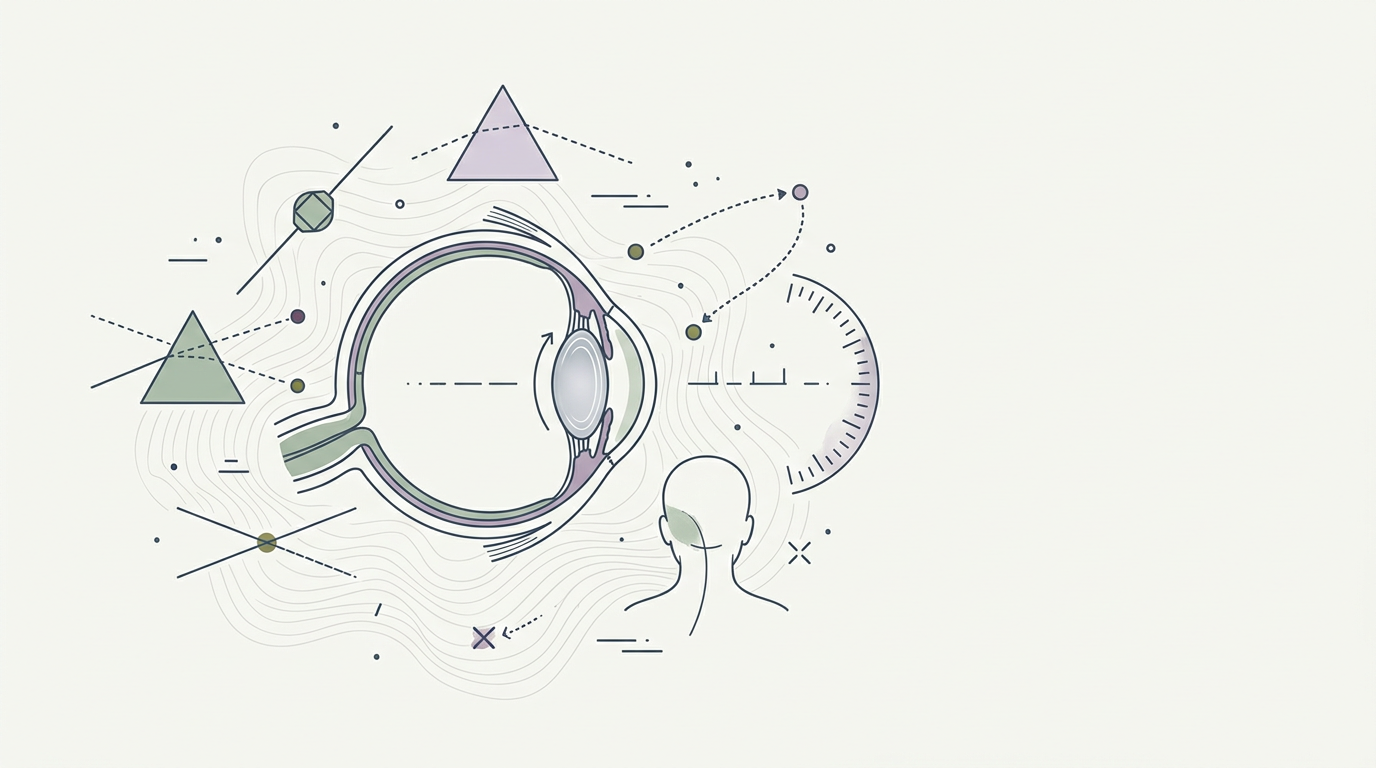
  • Younger Generations' Faster Biological Aging Linked to Cancer Risk

    news · 2026-07-04 · Mindbodygreen

    A new study on 150,000+ individuals suggests younger adults are biologically aging faster, raising their risk for early-onset cancers. Researchers identified 13 biomarkers linked to this accelerated aging, including CRP and albumin. The findings highlight a concerning trend for the health of younger generations.

    Sabin's take. So, turns out our fast-paced lives might actually be literally shortening our healthspans, not just our patience. This isn't just about feeling tired; it's about our cells getting older faster, which for many is a direct path to chronic disease. The usual suspects like C-reactive protein (CRP) and albumin, already known inflammation markers, are popping up as key players here. What's wild is that while we're talking about 'longevity clinics' and biohacking for the wealthy, the baseline health of younger populations might be silently eroding beneath that narrative. This isn't just some fringe finding; it's a massive dataset signaling that lifestyle creep — stress, ultra-processed food, insufficient sleep, environmental toxins — is actively messing with our physiology at a cellular level. It means the 'wellness' conversation needs to get way more primal: sleep deeply, move often, eat real food, manage your nervous system. All the fancy tech in the world won't fix a messed-up biological foundation.

    #research #longevity #mental-health #nervous-system #nutrition #sleep

  • Half of Americans with Mental Health Issues Skip Treatment

    news · 2026-07-04 · Mindbodygreen

    New data from the CDC and the Census Bureau show that nearly half of US adults with anxiety or depression symptoms aren't getting help. The top reasons cited are cost and belief they can handle it themselves, but there's a slight uptick in people seeking care.

    Sabin's take. This isn't just about 'access to care,' it's about what 'care' even means to people right now. Blaming cost is easy, but people also just don't think traditional therapy or meds are *it* for their nervous system. That's a massive green light for a whole new wave of tools and protocols — think apps that actually build vagal tone, community-led support groups, or evidence-based biofeedback. If the old models aren't working (or aren't appealing), the market will find something else. Watch for more direct-to-consumer mental health tech and community-based solutions, even if they're not 'covered by insurance' in the traditional sense, because people are clearly willing to pay out-of-pocket for what they perceive as effective and relevant support. The nervous system doesn't care about your insurance deductible.

    #mental-health #consumer-signal #report #nervous-system

  • 25-Year Study Shows Rise of Personalized Supplementation

    trend · 2026-07-04 · Mindbodygreen

    A 25-year study found Americans are shifting away from generic multivitamins towards personalized supplements. Consumers are now seeking targeted ingredients for specific health goals, marking a move from 'more is better' to 'right for me.' This points to a new era where data-driven insights guide individual wellness choices.

    Sabin's take. Okay, so the supplement industry finally took notes from the skincare and fitness worlds: bespoke is the new baseline. This 25-year churn from one-a-day multis to highly specific, personalized stacks means consumers are waking up to the fact that 'wellness' isn't a one-size-fits-all buffet. Why dose for someone else's nutritional gaps when you can zero in on your own cortisol, sleep, or gut biome? This isn't just about consumer preference; it's a market signal. Expect more brands to ditch the broad claims and lean hard into genetic testing, biomarker analysis, and AI-driven recommendations. The real play here is in owning the data layer — the brand that effectively translates your body's unique signals into a customized supplement regimen will win the next decade.

    #consumer-signal #report #supplement #longevity #nutrition

  • Food Preservatives Linked to High Blood Pressure, Heart Disease Risk

    news · 2026-07-04 · Wired Science

    A new large-scale study published in Wired Science suggests common food preservatives found in everyday processed foods may increase the risk of high blood pressure and cardiovascular disease. The research highlights the potential health impacts of additives like phosphates, sulfites, and nitrates on metabolic and heart health. This could mean a new reason to scrutinize how many packaged goods end up in your grocery cart.

    Sabin's take. Okay, so here's the deal: that ultra-processed stuff you occasionally grab for convenience? Turns out, beyond the usual sugar/salt/fat warnings, the *preservatives* themselves might be messing with your heart. This isn't just about weight gain or glucose spikes anymore; it's about the chemicals designed to extend shelf life potentially upping your risk for things like high blood pressure and heart problems. The mechanism likely involves inflammation or gut microbiome disruption, which can ripple out to your entire cardiovascular system. So, the next time you're cruising the aisles, mentally flag that ingredient list. It’s a good reminder that your 'convenience tax' might include more than just a higher price tag. This isn't groundbreaking news that processed food is bad, but it points the finger at a specific culprit, nudging us closer to understanding the 'why' behind the 'don't eat this'.

    #research #nutrition #gut #nervous-system #longevity #cardiovascular

  • Stio Opens New Stores in Boston, Lake Tahoe, and Bozeman

    news · 2026-07-04 · Outside Business Journal

    Outdoor brand Stio is expanding its brick-and-mortar footprint, opening three new stores in 2023 across key outdoor enthusiast hubs: Boston, Lake Tahoe, and Bozeman. This move signals a direct-to-consumer push into physical retail for a brand traditionally known for its online presence. Shoppers can now touch the fleece before buying.

    Sabin's take. Stio, known more for its direct-to-consumer online sales, just planted flags in three new cities. This isn't just about selling more jackets; it's about signaling a lifestyle. Most 'wellness' clothing brands, activewear included, are trying to get you to buy into an identity, not just a product. Sure, you could order a puffy online, but Stio's betting you'll feel more 'outdoorsy' if you physically browse their gear in a store that smells faintly of pine and ambition. They know the actual 'feel' of the fabric — the weight, the drape, the perceived durability — drives purchase. And this isn't just about product quality; it's about the serotonin hit of a new piece of gear for your next adventure, the promise of more time spent active outdoors. Expect other digitally native wellness-adjacent brands to follow suit, turning online clicks into real-life foot traffic, especially where their target demo already lives and plays.

    #opening #fitness #recovery #consumer-signal

  • Mystery Ranch Makes Firefighter Backpacks for Brutal Conditions

    news · 2026-07-04 · Outside Business Journal

    Mystery Ranch, known for its durable packs, custom-designed a new line of packs for wildland firefighters. This specialized gear helps carry essentials for grueling, multi-day shifts while managing the physical demands specific to the job. It’s a direct response to user feedback, aiming to reduce fatigue and improve efficiency.

    Sabin's take. Okay, so Mystery Ranch built better backpacks for firefighters. At first glance, a custom pack for a niche job might seem utterly B2B – but think about the biomechanics here. Wearing 35+ pounds for 14-hour days, uphill, in smoke, with tools designed to get heavy things off your back and onto your hips, impacts everything from spinal loading to vagal tone. This isn't just about 'carrying stuff'; it's critical for physical recovery and injury prevention in extreme conditions. The design choices — better load distribution, improved ventilation, tougher materials — directly translate to less cumulative stress on the nervous system and musculoskeletal system. What’s intriguing is how this hyper-specific demand for ergonomic excellence in an extreme environment often trickles down. Better lumbar support for firefighters today could easily become the standard for serious hiking packs next season, then maybe even for everyday backpacks, as brands chase 'performance' for a wider market.

    #craft #launch #recovery #fitness #nervous-system #device
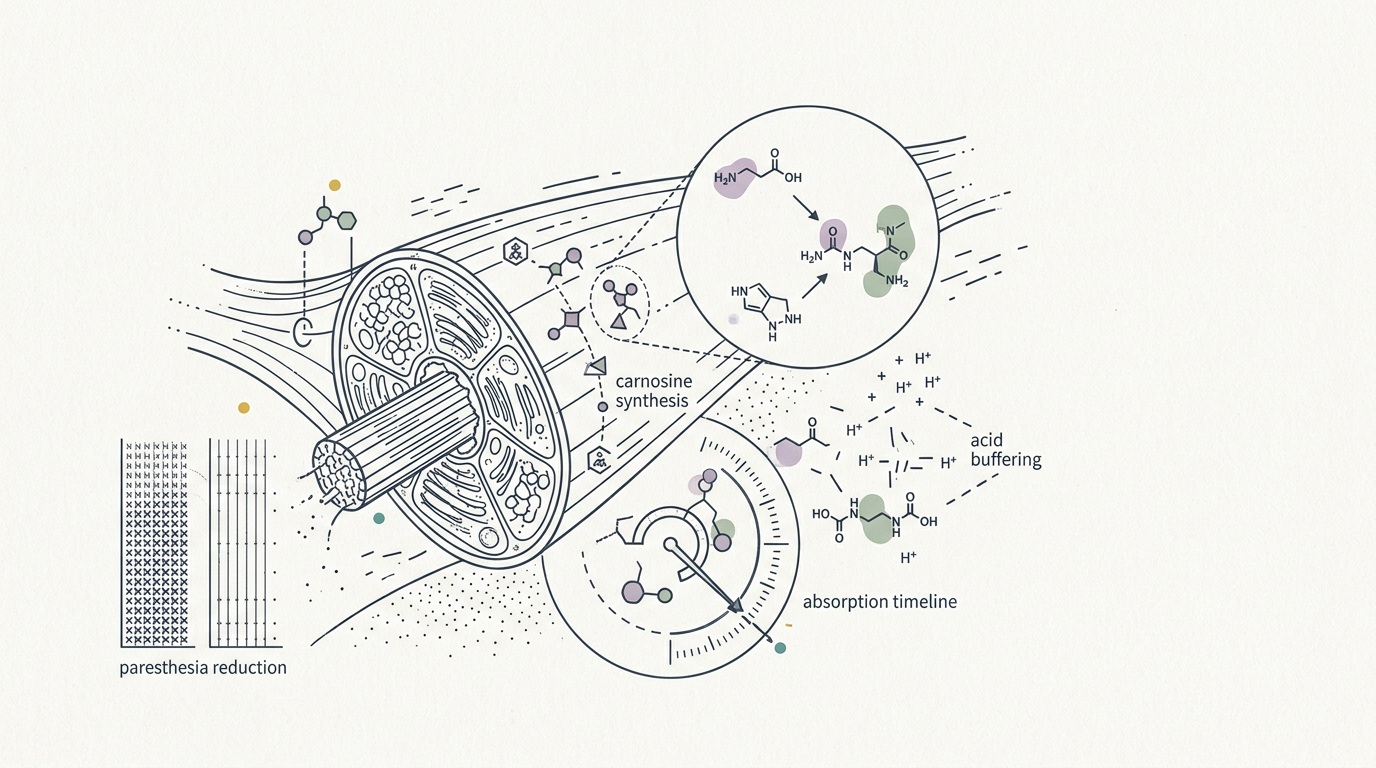
  • Youth Fitness Booms as Little Gym and D1 Training Expand

    trend · 2026-07-04 · Athletech News

    Experts confirm youth fitness is surging, with brands like Little Gym and D1 Training expanding their footprints. This trend blurs the lines between traditional youth sports and structured fitness, creating new opportunities for dedicated facilities and programs geared toward younger demographics.

    Sabin's take. The whole 'youth fitness is on the rise' thing feels less like an expert's observation and more like a market correction. Kids aren't just playing sports; they're getting actual fitness programming, which is brilliant for metabolic health and muscle development, but also a stealth weapon against the 'kids don't move enough' narrative. When brands like Little Gym and D1 Training push into structured, branded fitness for kids, it signals a deeper parent-led demand. Watch for more specialized programs focusing on coordination, strength, and even recovery for young athletes. The implications for long-term health and preventing childhood obesity are huge — and so are the business opportunities for smart operators moving beyond just 'playing games.' This is a full-on category shift, not just a little bump.

    #consumer-signal #fitness #opening #report #longevity

  • Anthropic's Claude Science AI for research, not just flash

    news · 2026-07-04 · STAT News

    Anthropic launched Claude Science, an AI model specifically for scientific research, indicating a shift from general-purpose AI to specialized, rigorous applications. This means better, faster analysis of complex data for researchers, potentially accelerating discoveries in health and wellness. It's a big step for AI moving from flashy demos to actual scientific grunt work.

    Sabin's take. Okay, so AI is finally getting its hands dirty with actual science, which means it’s growing up. Usually, these big models just chase viral trends or write bad poetry. But Anthropic—with Claude Science—is betting on the kind of deep, granular analysis that underpins new drug discovery, biomarker identification, and understanding complex biological systems. We're talking about an AI that can parse dense research papers, spot subtle patterns in massive datasets, and even generate hypotheses that human scientists might miss. This isn't just about speed; it's about unlocking new perspectives on our bodies, how disease works, and what truly moves the needle on longevity. If it works, watch how quickly Big Pharma and research institutions snap this up, changing the pace of health innovation. No more, 'AI for X for the gram.' This is AI for actual breakthroughs. It's the subtle shift from parlor tricks to peer-reviewed. Keep an eye on who else follows suit with sector-specific AI tools. The real 'neural networks' might just be inside your lab, not just your laptop.

    #biotech #research #longevity #device #mental-health

  • Anthropic's Claude Science AI for drug discovery, biotech research

    news · 2026-07-03 · MIT Tech Review

    Anthropic just launched Claude Science, a new AI tool designed to accelerate scientific research for pharma and biotech companies. It’s built to handle complex scientific data and might speed up drug discovery and development. Think less manual lab work, more brainpower for researchers.

    Sabin's take. Okay, so Anthropic's new Claude Science isn't going to replace your personal trainer. But for drug discovery? This is huge. Instead of scientists spending years on iterative literature reviews and hypothesis testing, this AI can chew through massive datasets and spit out potential pathways. The real mechanism here is pattern recognition at a scale no human team could ever achieve, reducing the sheer cognitive load and time it takes to identify viable drug candidates or understand complex biological interactions. What does this mean for your body? Faster, more targeted treatments downstream. We're talking about accelerating breakthroughs in everything from longevity peptides to precision-targeted mental health meds. Watch for a rapid increase in the pace of clinical trials and more bespoke therapies making their way to market. The big winners are biotech startups and pharma giants who can out-AI their slower competitors; the losers are likely the current, slower, more traditional research methods that AI just made largely obsolete. The next wave of 'wellness' might just be a pill, designed in days, not decades.

    #launch #biotech #longevity #peptide #mental-health #device

  • Device revives donor eyeballs, making whole eye transplants more viable

    news · 2026-07-03 · MIT Tech Review

    Researchers have developed a device that can keep donor eyeballs viable for transplantation by maintaining their oxygen and nutrient supply. This tech addresses a major hurdle in whole eye transplants, which typically fail due to rapid degeneration of the eye tissue post-mortem. It means the possibility of restoring sight may be closer for people with severe eye trauma or disease.

    Sabin's take. Okay, so scientists just figured out how to keep dead eyeballs `fresh` enough for transplants. For real. This isn't just about restoring vision for folks with severe damage; it's a peek at what's next in organ preservation and biotech. We’re already figuring out how to keep organs alive outside the body, pushing the limits of what a 'dead' organ really means before it's too far gone. If they can solve whole eye transplantation, something considered nearly impossible just a few years ago, imagine what it means for other complex organs or tissues. This tech effectively extends the `shelf life` of donor organs, cutting down on time-sensitive logistics and potentially increasing the window for successful, intricate surgeries. It’s a quiet but massive leap in how we approach organ replacement, and it's going to ripple across surgical fields and longevity science. Keep an eye on similar tools for other organs.

    #device #research #biotech #longevity #nervous-system

  • EU agency questions berberine safety, could impact US market

    news · 2026-07-03 · SupplySide Supplement Journal

    The European Food Safety Authority (EFSA) is close to ruling that it can't establish a safe intake level for berberine. This move could restrict sales in the EU and potentially pressure US regulators to re-evaluate the popular supplement, known for its blood sugar and metabolic benefits.

    Sabin's take. The EFSA's take on berberine isn't surprising – it mirrors the ongoing regulatory squint at supplements across the board, especially those with drug-like effects. Berberine, often lauded as 'nature's Ozempic' for its GLP-1-like metabolic improvements and blood sugar regulation, is now squarely in the crosshairs. The mechanism here is clear: when a supplement performs too well, regulators start treating it like a pharmaceutical, demanding pharmaceutical-level safety and efficacy data. If the EU makes a formal finding, the domino effect is real: expect US retailers and even the FDA to start asking harder questions, potentially removing products or adding stern warnings. This means consumers who rely on berberine for metabolic health might see their go-to brands disappear or reformulate. Watch for smaller, less-resourced brands to get squeezed first, while larger players might invest in the costly trials needed to satisfy a new regulatory baseline.

    #policy #supplement #nutrition #glp1 #longevity #nervous-system

  • Essential Candy expects new blends and retail expansion in 2026

    news · 2026-07-03 · New Hope Network (Natural Products Expo)

    Essential Candy, known for its functional hard candies, is gearing up for new offerings and expanded retail partnerships in 2026. The company currently makes hard candies infused with essential oils and botanicals to target various wellness needs, from sleep to immunity. While specific new products weren't detailed, the focus remains on natural ingredients and broader market reach.

    Sabin's take. Candy, but make it wellness. Essential Candy is signaling a big 2026, which means more functional sweets are coming to a shelf near you. This isn't just about a brand launch; it's another data point in how brands are trying to Trojan horse wellness benefits into everyday comfort foods. The sweet spot (pun intended) is that people already grab a candy for a quick hit of something nice. If you can layer in a calming adaptogen or a digestive aid, suddenly that 'treat' has a purpose beyond pure sugar. What to watch for: who else starts playing this game? Will the FDA step in on claims? And how many hard candies can you actually eat before the 'wellness' benefits are negated by the 'candy' part? My honest take: most of these 'functional' candies are still mostly candy. But for those looking for a small, ritualistic moment with a hint of extra, it's an easy grab.

    #craft #launch #nutrition #supplement #food #consumer-signal

  • NYC Heat Index Hits 109F, Climate Impact on Body Mounts

    news · 2026-07-03 · Wired Science

    This holiday weekend, New Yorkers will experience a heat index that feels like 109 degrees Fahrenheit, hotter than Phoenix, driven by extreme heat and humidity. This isn't just about feeling sweaty; it's a direct physiological load that demands a response from your nervous system and body's cooling mechanisms.

    Sabin's take. Forget 'weather reports' — this is a health advisory. When the heat index hits 109F, your body isn't just mildly uncomfortable; it's actively fighting hyperthermia. Your heart rate increases, blood flow shifts to the skin to dissipate heat, and electrolyte balance gets hammered. This isn't some abstract climate projection; it's a real-time stress test on your cardiovascular system and kidneys, forcing your nervous system into overdrive to maintain homeostasis. We're talking forced vasoconstriction, higher cortisol, and a significant hit to sleep quality as your body struggles to cool down. The takeaway? Hydration isn't just water; it's electrolytes. And if you're not planning your day around staying cool, you're actively adding to your allostatic load. This isn't an 'if' anymore, it's a 'when will this happen again, and where next?' The body keeps the score, and global warming is writing the tabs.

    #climate #nervous-system #recovery #longevity #health

  • UK's generational tobacco ban may not work, but it's a try

    news · 2026-07-03 · MIT Tech Review

    The UK government's proposed generational ban on tobacco sales, effectively preventing anyone born after 2009 from buying cigarettes, faces skepticism over its efficacy. While the policy aims to create a smoke-free future, critics suggest it might face implementation challenges. Despite concerns, advocates are supporting the ban as a significant public health effort.

    Sabin's take. Yeah, a generational smoking ban *sounds* good on paper, but the real question is if it'll actually work or just fuel a black market. The UK's trying to cut off nicotine addiction at the source, which is a massive policy swing. The mechanism here is literally trying to stop an entire generation from ever starting, aiming for zero new smokers. But the nervous system craves — and *will* find ways to get — what it's used to, especially if highly addictive. We've seen similar bans fail elsewhere; people just find new avenues. The health impact is undeniable if it works, but the economic and enforcement hurdles are massive. Watch for the illegal market to boom and for e-cigarettes or other substitutes to get swept into future policy, because addiction doesn't just vanish because a law says so.

    #policy #public-health #addiction #nervous-system #regulation

  • Study: Brief Hourly Walks Boost Desk Worker Mood

    news · 2026-07-03 · Mindbodygreen

    A recent study published in the *British Journal of Sports Medicine* found that just five minutes of walking every hour can significantly improve mood for people working desk jobs. Researchers discovered short movement breaks during the workday can lift spirits and reduce feelings of fatigue. It's a simple, low-effort way to boost mental well-being throughout the day.

    Sabin's take. Okay, so this isn't exactly groundbreaking, but it's another peer-reviewed nudge confirming what your nervous system already knows: sitting for eight hours is a mood killer. The study, led by Dr. Matthew Buman, basically says that even a tiny hit of movement every hour — five minutes, folks — provides a noticeable lift in mood. It's not about burning calories here; it's about breaking up the neural monotony of being parked. Think of it as a micro-dose of vagal tone regulation. That shift from static to dynamic, even briefly, changes your brain chemistry, nudging cortisol down and maybe a little dopamine up. This isn't permission to skip your actual workout, but it is a very low-friction way to avoid that afternoon slump and keep your head in the game. The real takeaway is that tiny, consistent efforts win over big, sporadic ones for mental well-being. No fancy equipment, no expensive class – just your own two feet, every hour on the hour. Do it.

    #research #mental-health #fitness #nervous-system #workplace #recovery

  • Therabody cuts prices on massage guns, red light masks for Mother's Day

    news · 2026-07-03 · Athletech News

    Therabody kicked off a Mother's Day sale, offering up to 35% off on bestsellers like their massage guns, red light therapy masks, and facial tools. The deals are still going strong even after Prime Day. Check their site for specific product discounts.

    Sabin's take. Brands are moving seasonal sales around all the time, which means there's almost always a deal on wellness tech if you're patient enough to wait for it. Keep your eyes peeled for upcoming holiday sales.

    #device #recovery #skincare #consumer-signal
  • Lululemon's Summer Sale Drops Prices on Leggings and Tees

    news · 2026-07-03 · Athletech News

    Lululemon is running a major summer sale, with popular items like leggings and tees priced under $50. It's rare for the brand to discount this heavily, making it a signal for consumers looking for activewear deals.

    Sabin's take. Think of it like a nervous system 'cooling' period for your wallet after a hot season of spending. Consumers are feeling it, and even Lululemon is responding.

    #consumer-signal #fitness #launch

  • IBS & anxiety linked by a gut microbe, new study finds

    news · 2026-07-03 · Mindbodygreen

    A new preclinical study in Cell Host & Microbe identified a specific gut microbe, *Subdoligranulum*, as a potential shared culprit for anxiety and IBS. Researchers saw lower levels of this bacterium in people with anxiety, and when transferred to mice, it triggered anxiety-like behaviors. This suggests the gut-brain axis is even tighter than we thought.

    Sabin's take. Your gut literally sends signals to your brain that can dial up or down your anxiety levels. This isn't just about 'good vibes' from your microbiome; it's about specific bacteria directly affecting your central nervous system.

    #research #gut #mental-health #nervous-system #longevity

  • FDA says Zyn pouches are 'less harmful' than cigarettes

    news · 2026-07-03 · Wired Science

    The FDA just gave ZYN nicotine pouches the green light to market themselves as a 'less harmful' option for adult smokers. But don't get it twisted: this is about harm reduction, not health. They're still nicotine, and quitting altogether is always the best move.

    Sabin's take. The FDA isn't exactly calling Zyn a health food. Think of this as the government acknowledging there are worse ways to get your fix, which could shift how nicotine cessation is framed.

    #policy #nicotine #addiction #regulation #harm-reduction #consumer-signal

  • Nitric Oxide May Be Key to Menopause Heart Health

    news · 2026-07-03 · Mindbodygreen

    A new review highlights that menopause isn't just about hot flashes — it's a major cardiovascular transition. Boosting nitric oxide levels could be a way to protect heart health and maintain vitality during this time. This matters for anyone navigating the physiological shifts of menopause, offering a new angle on cardio care.

    Sabin's take. So, it's not just the hormones; it's the tiny molecules that keep your cardiovascular system humming. Less focus on just symptoms, more on the underlying physiology of aging.

    #research #menopause #hormones #longevity #nervous-system

  • Adidas Terrex Agravic SL brings road-shoe feel to trail running

    news · 2026-07-03 · Outside Online

    Adidas ported its popular road running shoe, which sold over 10 million pairs, to the trails. The new Terrex Agravic SL offers a lightweight, comfortable feel for dirt and gravel paths, aiming to give trail runners the same experience as their road counterparts.

    Sabin's take. Your nervous system loves consistency, even when the terrain changes. Expect more brands to take a proven winner and adapt it for new use cases, making it easier to stick to a movement habit across different environments.

    #launch #device #fitness

  • NHS Will Literally Pay You To Walk 30 Minutes A Day

    news · 2026-07-03 · BBC News

    England's NHS is piloting cash-style rewards — vouchers and discounts via a wearable-linked app — for people who hit 30 minutes of daily activity, as part of the government's 10-year health plan aimed at prevention over cure.

    Sabin's take. Governments almost never pay for prevention — they pay for the ambulance. So the NHS quietly flipping the incentive (30 min/day → vouchers, tracked via wearable) is the biggest nervous-system policy shift in years. Walking at conversational pace is vagal tone training disguised as errands: it raises HRV, drops cortisol, and — per the 2023 JAMA Neurology cohort (n=78,500) — 9,800 steps cuts dementia risk 51%. The catch nobody is naming: rewards run on dopamine, which is exactly the circuit that burned-out, wired-tired adults have least of. Without regulation work underneath, the app becomes another streak to fail.

    #nhs #policy #walking #prevention #wearables #uk

  • Lion's Mane Supplements Often Lack Active Ingredients

    news · 2026-07-03 · Vitafoods Insights

    A new industry report from Vitafoods Insights suggests the booming demand for lion's mane mushroom supplements has led to many products containing little to no active compounds. This means consumers are likely buying ineffective products, undermining the mushroom's touted benefits for cognitive health.

    Sabin's take. So, that brain-boosting mushroom you’re taking for focus or nerve regeneration? It might just be an expensive placebo. Time to check your labels and demand third-party testing, because your nervous system isn't getting what it paid for.

    #supplement #nutrition #mental-health #nervous-system #report

  • Oner Active hits $200M revenue using ambassador model

    news · 2026-07-03 · Glossy

    Krissy Cela's athleisure brand, Oner Active, recently surpassed $200 million in revenue, attributing its rapid growth to a robust ambassador program. This strategy scaled the company quickly, turning social influence into sales. It's a textbook case of how modern brands are leveraging community over traditional advertising.

    Sabin's take. The takeaway? Authenticity still sells, especially when it comes from people your audience trusts. This model taps into the nervous system's drive for belonging and social proof, making the 'buy' decision feel less like marketing and more like peer advice.

    #consumer-signal #fitness #funding #report

  • Midjourney Scanner: Full-Body Ultrasound Beats MRI in 60 Seconds

    news · 2026-07-03 · Product Hunt — Health & Fitness

    Midjourney Scanner launched an ultrasound full-body scanner that claims to rival MRI, delivering results in just 60 seconds. This device aims to provide a faster, potentially more accessible alternative to traditional imaging for comprehensive health insights.

    Sabin's take. A whole-body ultrasound that beats an MRI? If this tiny device does what it says, it could be huge for catching issues faster. The real question is how it measures up for deep health markers that typically require more complex, specialized imaging.

    #device #launch #longevity #biotech #recovery #nervous-system
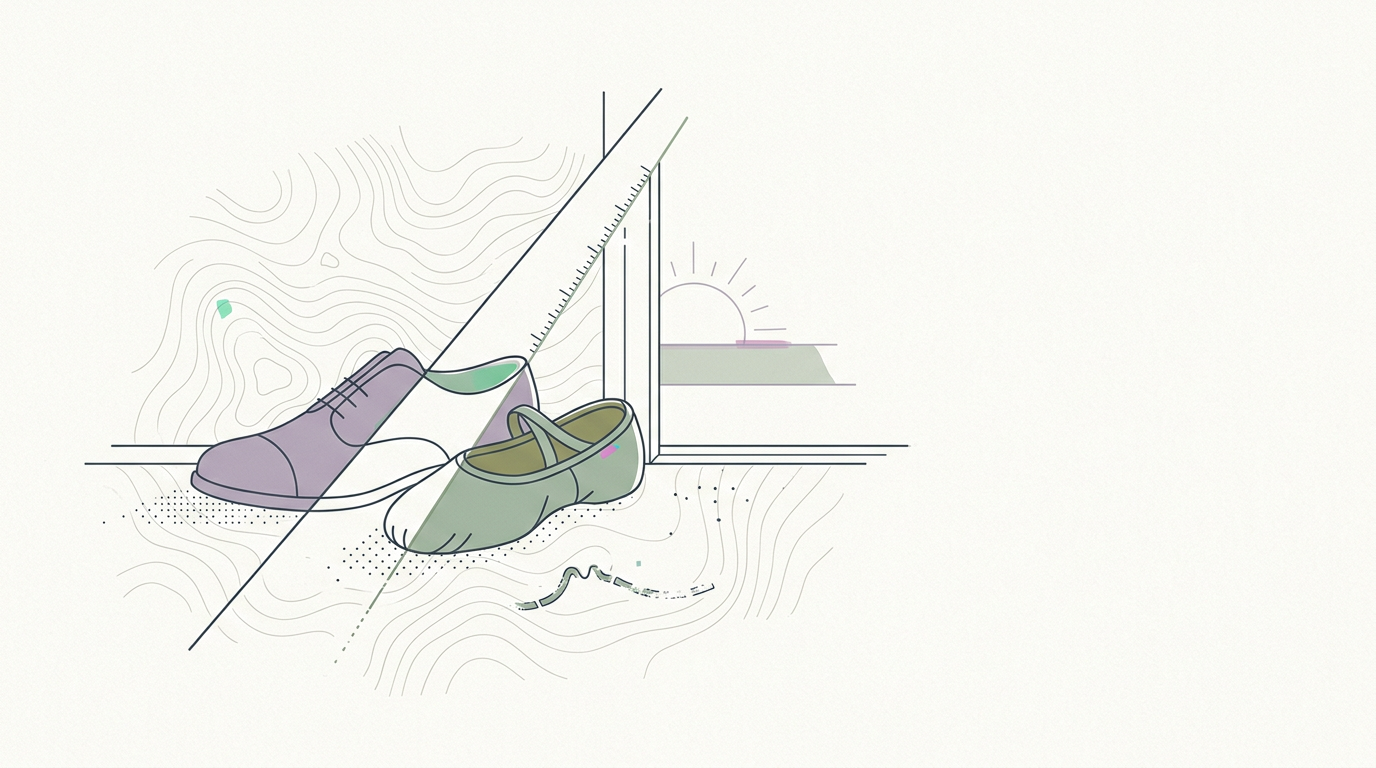
  • Outside Online explains how to identify if you're a 'salty sweater'

    news · 2026-07-03 · Outside Online

    Outside Online published an article on how to tell if you're a 'salty sweater' and how it impacts training. The piece covers key indicators like white salt streaks on clothes and skin, and how to adjust hydration strategies to account for greater sodium loss.

    Sabin's take. Sweating out more sodium than average can mess with your electrolyte balance and performance. It's a real thing, and knowing if you're one helps you tweak your hydration — otherwise, your body's just gonna feel off.

    #fitness #recovery #nutrition #nervous-system #research
  • UK tobacco ban for future generations passes parliament

    news · 2026-07-03 · MIT Tech Review

    The UK's generational tobacco ban passed parliament, making it illegal for anyone born after 2009 to ever legally buy cigarettes. While some debate its effectiveness, the policy aims to make smoking obsolete for the next generation. It's a bold move to tackle a major health challenge head-on.

    Sabin's take. This doesn't just cut off access; it redefines social norms around nicotine for a whole new cohort. Think less 'just say no' and more 'never had to say no in the first place.' Your lungs will thank the government, eventually.

    #policy #public-health #longevity #mental-health

  • Ulta Beauty taps Nielsen IQ to study Gen Alpha

    news · 2026-07-03 · Glossy

    Ulta Beauty partnered with NielsenIQ to survey over 500 Gen Alpha children and teens, identifying their beauty preferences and how they interact with AI tools. The cosmetic giant hopes to understand future consumer behavior. Get ready for skincare aisles to get even more crowded.

    Sabin's take. Gen Alpha (born mid-2010s to early 2020s) already has disposable income. This isn't just about what products they want now, it's about conditioning future buying habits and brand loyalty from childhood. Brands are coming for your kid's allowance.

    #consumer-signal #report #skincare #mental-health

  • New presidential fitness test sparks debate for youth engagement

    news · 2026-07-03 · STAT News

    Experts weigh in on the effectiveness of the new presidential fitness test, suggesting its potential to embarrass kids outweighs its ability to promote physical activity. The core issue, they argue, is that for exercise to stick, it needs to be fun, not a performance metric that could sideline already self-conscious youth.

    Sabin's take. The old-school fitness test missed the point: movement is a nervous system regulator. If it feels punitive, the body learns to avoid it. Better to foster joyful movement than create new anxieties.

    #policy #fitness #mental-health #nervous-system

  • Anthropic starts making its own drugs

    news · 2026-07-03 · Google News / CNBC

    Anthropic, the AI lab behind Claude, said it will begin developing its own drug pipeline rather than only licensing models to pharma. Early focus is expected on repurposed molecules and metabolic/inflammation indications.

    Sabin's take. The interesting number is not the science — it is the stack. Same company owns the model reading your biometrics, the molecule, and the refill cadence. Diagnosis inflation is the business plan; a strong baseline is the only edit nobody can push remotely.

    #ai #pharma #glp1 #consumer-signal #regulation

  • Zygo's Underwater Headphones Let Swimmers Get Their Podcast Fix

    news · 2026-07-03 · Athletech News

    Zygo's Z2 underwater headphones, now on sale for July 4th, promise to solve a major swimming annoyance: no audio. These IPX8-rated Bluetooth buds let you stream podcasts or music directly to your ears while you're doing laps.

    Sabin's take. Finally, a way to make those long, brain-numbing swim sessions more tolerable. Engaging your brain with audio might even help your mind-muscle connection, provided you don't drown concentrating on a plot twist.

    #device #recovery #fitness #launch
  • Kineon's Move+ Combines Laser & Red Light Therapy for Pain Relief
    news · 2026-07-03 · Athletech News

    Kineon's Move+ device, retailing at around $600 with sales often bringing it down to $500, uses a combination of LED and laser light to target joint pain, inflammation, and stimulate healing. The portable gadget is designed for at-home recovery from physical activity and injury. It's available on Kineon's website and select online retailers.

    Sabin's take. The body loves light, but the science on laser light for pain relief is still out there. This is a compact way to test it for yourself, especially if you're battling persistent inflammation or looking for an edge in recovery.

    #device #recovery #longevity #fitness #inflammation
  • BaBa Yogurt debuts Vietnamese-style probiotic yogurt in US retail

    news · 2026-07-03 · New Hope Network (Natural Products Expo)

    BaBa Yogurt is bringing Vietnamese-style yogurt from a family recipe to US retail, starting at Newtopia Now. The company aims to introduce a new probiotic-rich option to the dairy aisle, starting to scale up production and distribution.

    Sabin's take. This isn't just another yogurt; it's a specific fermented milk known for its tangy, less sweet profile. If it catches on, expect a whole new flavor dimension for your gut health, potentially shifting palate preferences from the usual Greek or Icelandic options.

    #craft #launch #trade-show #nutrition #gut #consumer-signal

  • RD Picks High-Polyphenol Olive Oils for Antioxidant Boost

    trend · 2026-07-03 · Mindbodygreen

    Mindbodygreen rounded up five healthy olive oils, focusing on those high in polyphenols for their antioxidant benefits. A registered dietitian shares what to look for when choosing a brand, citing names like Kosterina and The Furies. The focus is on quality and health benefits, not just taste.

    Sabin's take. Think of these high-polyphenol oils as your gut's personal bodyguards against inflammation. It's less about the 'Mediterranean diet' vibe and more about specific compounds actively working to protect your cells.

    #craft #nutrition #gut #longevity #consumer-signal #supplement

  • ISSN experts share top sports nutrition ingredient insights

    news · 2026-07-03 · SupplySide Supplement Journal

    The International Society of Sports Nutrition's academic conference highlighted key supplement ingredients, including peptides, amino acids, creatine, and polyphenols. These compounds are gaining traction for their roles in sports performance and recovery. Expect more products featuring these ingredients to hit the market soon.

    Sabin's take. Always good to see what the pros are actually watching. This isn't just about bigger muscles; it's about pushing the edge of what the body can do without totally wrecking its recovery. Keep an eye on those peptides for some serious nervous system gains.

    #supplement #nutrition #fitness #recovery #peptide #amino acids
  • Heat Waves Worsen Health Risks for Americans

    news · 2026-07-03 · STAT News

    More frequent, intense, and longer heat waves are posing significant health risks, especially for vulnerable populations across the US. This STAT News report highlights the direct impact of climate change on public health, detailing increased mortality and morbidity during extreme heat events. The focus is on the human body's struggle to regulate temperature, leading to strokes, kidney damage, and exacerbation of chronic conditions.

    Sabin's take. Your nervous system has a hard enough time keeping things chill without pushing it to its absolute thermal limit. Heat stress isn't just uncomfortable — it's actively damaging your organs. So, uh, hydrate, stay cool, and maybe think about investing in better AC or a cold plunge if you live somewhere scorchy.

    #climate #research #nervous-system #longevity #wellness

  • Women's Insomnia Risk Linked to Brain Biology, Study Finds

    news · 2026-07-03 · Mindbodygreen

    A new study in Nature Communications found that women's brains might be more prone to insomnia due to a neurological difference relating to sleep pressure regulation. Researchers identified specific brain circuits that make women more sensitive to sleep disruption, especially when faced with minor stressors before bedtime. This insight helps explain why women are nearly twice as likely to experience insomnia compared to men.

    Sabin's take. So, it's not just in her head — there's a biological explanation for why she's still staring at the ceiling at 3 AM. Understanding the brain's subtle shifts could unlock better, targeted sleep interventions for women, beyond just 'sleep hygiene' basics.

    #research #sleep #nervous-system #mental-health #hormones

  • Outside Online publishes doctor's heat wave safety advice

    news · 2026-07-03 · Outside Online

    An internal medicine doctor offers advice via Outside Online on staying safe and cool during heat waves, focusing on how to understand and react to your local heat index. The guidance helps readers mitigate risks like heat stroke and dehydration when exercising in high temperatures. It’s practical, actionable advice for anyone facing extreme heat.

    Sabin's take. Heat safety might sound like basic info, but when your body's trying to regulate temperature and failing, your nervous system takes a hit. Small shifts in behavior can impact overall physiological stress. Pay attention to how extreme heat affects how you feel, not just how hot it is outside.

    #climate #nervous-system #recovery #fitness #mental-health
  • Mycelium Protein Steps Up as Plant-Based Alternative

    trend · 2026-07-02 · Vitafoods Insights

    Mycelium protein, derived from fungi, is being developed as an active nutrition ingredient, with companies exploring its use in novel and mainstream products. It's pitching itself as a sustainable, scalable plant-based protein alternative for anyone looking to diversify their protein sources beyond soy or pea.

    Sabin's take. Think of it as the next wave of alternative proteins. Instead of fighting with plants, we're foraging with fungi for our protein, which could mean a healthier gut and less inflammation for some folks.

    #nutrition #supplement #consumer-signal

  • Brands 'menowashing' menopause products creating credibility crisis

    news · 2026-07-02 · Vitafoods Insights

    Experts warn that brands are marketing a range of supplements as supporting menopause, but many products lack scientific backing. This 'menowashing' is confusing consumers and creating a credibility challenge for the rapidly growing women's health sector. The concern is that under-researched ingredients reduce trust in the category as a whole.

    Sabin's take. This isn't just about marketing fluff, it's about ingredients that don't do much for your hormones or nervous system. If brands don't clean up their act, the entire menopause supplement boom could hit a hard wall.

    #supplement #menopause #hormones #consumer-signal #policy

  • New Report Details Global Nutricosmetics Market Boom

    news · 2026-07-02 · Vitafoods Insights

    Vitafoods Insights released a free global report on the nutricosmetics market, covering new research, ingredient formulations for ingestibles, and product launches globally. It's for anyone tracking where beauty and nutrition are merging. The report suggests continued growth in the 'beauty from within' category.

    Sabin's take. So, people are actually swallowing their skincare now. This trend isn't slowing, especially as consumers look for more systemic ways to support skin health (think gut-skin axis, collagen production) rather than just topical fixes.

    #report #consumer-signal #nutrition #skincare #gut #supplement

  • New skincare certification keeps microbiome marketing honest

    news · 2026-07-02 · Vitafoods Insights

    Microbiologist Dr. Kristin Neumann, co-founder of MyMicrobiome, is now running an independent consultancy to advise on microbiome-related claims in cosmetics. This comes after her work certifying skin-friendly products, pushing for clearer, more accurate marketing for consumers. Her goal: ensure brands aren't just slapping 'microbiome-friendly' on a label without the science to back it up.

    Sabin's take. It's nice to see some real muscle behind the 'microbiome-friendly' claims on your serums and lotions. If you're paying top dollar, the skin barrier deserves to know if it's legit, not just marketing fluff.

    #skincare #gut #policy #nutrition

  • Inulin daily may reduce knee pain for osteoarthritis

    news · 2026-07-02 · Vitafoods Insights

    A new study suggests that daily inulin consumption could significantly reduce knee pain in people with osteoarthritis. Researchers found this benefit may be due to a gut-hormone pathway, a mechanism that's largely unmined in the joint health world.

    Sabin's take. This is a big deal since there are so few effective, non-invasive treatments for arthritis. It also hints at how much more there is to learn about gut-brain-body connections influencing pain signaling.

    #research #nutrition #gut #longevity

  • High-dose Vitamin D in Pregnancy Boosts Kids' Memory

    news · 2026-07-02 · Vitafoods Insights

    Danish researchers found that pregnant people taking high-dose vitamin D3 had children with improved verbal and visual memory by age 10. The study suggests a link between prenatal vitamin D levels and long-term cognitive development in kids. This is the first study of its kind, and it hints at an easy way to support brain health early on.

    Sabin's take. This is a big finding — simple, cheap, and potentially impactful. We already know vitamin D is crucial for a whole host of body functions, but connecting it directly to fetal brain development? That’s next-level. Expect to see more OBGYNs recommending higher doses.

    #research #supplement #nutrition #hormones #mental-health

  • Workout Music Boosts Performance and Mood

    trend · 2026-07-02 · Athletech News

    Athletech News reports that music doesn't just make exercise more enjoyable, it actually improves performance. It can boost endurance, reduce perceived effort, and even help with pain management during workouts. Think less 'chore' and more 'personal concert'.

    Sabin's take. Your brain on beats can literally push harder. Picking the right playlist taps into dopamine, cutting through the 'I wanna quit' signals and turning up your endurance. Find what moves you, and use it.

    #fitness #mental-health #nervous-system #consumer-signal

  • Bon Charge drops prices on red light masks, sauna blankets

    news · 2026-07-02 · Athletech News

    Red light therapy brand Bon Charge is having a sale on bestsellers like their red light therapy face masks and sauna blankets, slashing prices by 25%. This is a notable discount usually only seen around Black Friday. If you've been eyeing their devices, now's the time.

    Sabin's take. Getting more red light exposure has benefits for skin, sleep, and recovery. If you're going to try at-home devices, waiting for a sale like this takes the sting out of the initial investment.

    #device #launch #skincare #recovery #sleep #longevity
  • TRX Drops New At-Home Fitness & Recovery Gear Line
    news · 2026-07-02 · Athletech News

    TRX is expanding into mainstream retail with a full consumer product line for at-home fitness. The new gear covers fitness equipment, recovery tools, apparel, and accessories, aiming to capture more of the home wellness market.
    Sabin's take. The OG suspension trainer is trying to be everything to everyone at home. Smart play, because people are still working out from their living rooms, but it means they're going head-to-head with a lot more brands than just Peloton these days.

    #launch #fitness #recovery #device #wearable #consumer-signal
  • Fort wearable tracks strength training for women

    news · 2026-07-02 · Glossy

    Former Tesla engineer Miranda Nover launched Fort, a new wrist wearable designed for women to track strength training, now available for pre-order. This device aims to fill a gap in fitness tech specifically for female athletes. Fitness app Future is also dropping its AI trainer for real human coaches, a pivot likely driven by customer preference.

    Sabin's take. More wearables specifically for women, more real humans when it counts. It's a reminder that sometimes the old ways (a coach who actually sees you) still work better than the shiny new ones, and a good reminder that your body is a system, not a data point.

    #launch #device #wearable #fitness #consumer-signal

  • Vitafoods highlights new supplement focus on 'dead bugs' and clear protein

    news · 2026-07-02 · SupplySide Supplement Journal

    Industry veteran Greg Horn identified 10 key supplement trends emerging from Vitafoods Europe 2026. Look for more user-friendly delivery methods like gummies and stick packs, a surge in postbiotics (aka 'dead bugs'), and clear protein formulations. This shift signals a move towards convenience and more targeted gut health and protein options for consumers.
    Sabin's take. So, postbiotics are a thing now – basically, the beneficial parts left after the bacteria are gone. Less fuss, same gut-balancing feels. And protein is getting a glow-up to be less chalky. Smart moves that speak to consumer preference for effortless health.

    #supplement #nutrition #gut #consumer-signal #trade-show #report

  • Texas AG to probe plant protein contamination

    news · 2026-07-02 · SupplySide Supplement Journal

    Texas Attorney General Ken Paxton announced he's investigating plant-based protein powders for lead and cadmium contamination. This follows consumer concerns and could impact the growing plant-based supplement market in the state, potentially leading to new policy.

    Sabin's take. So, is it politics or actual health protection? Either way, the timing is a masterclass in making headlines, and your favorite protein powder might need a lab test ASAP, because heavy metals mess with everything from your gut to your brain.

    #policy #supplement #nutrition #gut #nervous-system

  • Supplement Industry Takes Policy Battle to Washington D.C.
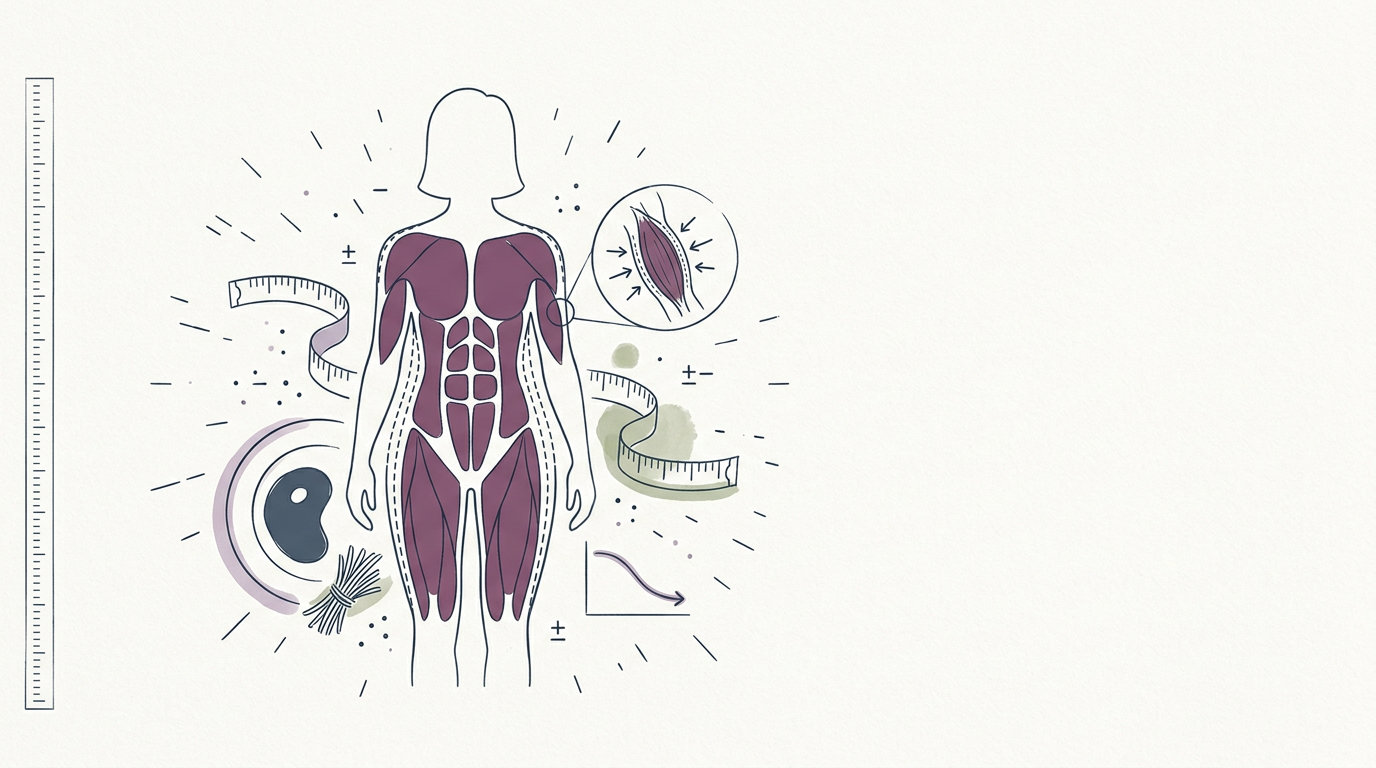
    news · 2026-07-02 · SupplySide Supplement Journal

    The Council for Responsible Nutrition (CRN) held its annual "Day on the Hill" in Washington D.C., bringing supplement industry leaders to advocate for more favorable regulatory policies. This annual event aims to influence lawmakers on issues impacting the sale and marketing of dietary supplements. The goal is to create a more supportive legislative environment for product innovation and consumer access.

    Sabin's take. The supplement industry is flexing its political muscle to sway D.C. on what you can and can't put in your body. Expect moves around what claims brands can make.

    #policy #supplement #event

  • Moderne Hosting Webinar on Skin Longevity Science

    news · 2026-07-02 · Club Industry

    Moderne, with speakers Richard Purvis and Dr. Frank Roesken, is hosting a webinar on March 2, 2026, about the science behind skin longevity. The webinar will delve into the latest findings, likely focusing on products and routines to extend skin health and appearance, similar to the broader longevity trend.

    Sabin's take. The longevity movement keeps finding new ways to package eternal youth, and skin is an easy target. Expect more brands to push 'ageless' over 'anti-aging,' playing to the nervous system's desire for control over the aging process.

    #event #skincare #longevity #research

  • Weed & psychedelics reshaped the wellness lexicon—what to watch for next

    trend · 2026-07-02 · New Hope Network (Natural Products Expo)

    According to New Hope Network, the language of wellness has absorbed terms and concepts from the cannabis and psychedelics industries, showing up in everything from supplements to beverages. Think "stacking," "microdosing," and a focus on mood and cognition. This isn't just about legal status; it's a cultural shift in how we talk about mind-body health.

    Sabin's take. It's less about whether these substances are 'wellness' or not, and more about how their mainstreaming has given us a new vocabulary to discuss the nervous system directly. Expect more brands leveraging this newfound frankness to pitch mood, focus, and chill, sans cannabis or psilocybin.

    #culture #consumer-signal #psychedelic #mental-health #nervous-system #supplement

  • MIT explores 'reprogramming' the body for longevity

    news · 2026-07-02 · MIT Tech Review

    MIT Technology Review hosted a roundtable on the longevity sector, discussing the billions of dollars pouring into research to 'reprogram' cells to a younger state. The conversation explored the scientific feasibility and timeline of these experimental treatments, featuring science editors Mary Beth Griggs and Jessica.

    Sabin's take. They're talking about reversing aging, which is cool and all, but right now it's still deep science. Keep an eye on what hits clinical trials, because that's where the rubber meets the mitochondria.

    #longevity #biotech #research #event

  • Treadmill Pro app turns your iPhone into a remote control

    news · 2026-07-02 · Product Hunt — Health & Fitness

    Treadmill Pro is a new app that allows iPhone users to remotely control their treadmill, switching speeds and inclines without touching the console. The app uses Bluetooth to connect, making older treadmills with limited built-in tech feel a bit more advanced.

    Sabin's take. Your phone already runs your life, why not your workout? The idea here is reducing friction; less fumbling on the console means more focus on your gait and brain-body connection, which is key for sustained movement.

    #device #launch #fitness #wearable

  • Prostir Zvuku launches Mac app for spatial nature sounds

    news · 2026-07-02 · Product Hunt — Health & Fitness

    Prostir Zvuku, an indie developer, just launched a new Mac application that mixes spatial nature sounds. It creates an immersive sound environment, designed to help users focus or relax, bringing natural soundscapes directly to your desktop.

    Sabin's take. So, instead of just flat rain sounds, you get rain that feels like it's coming from different directions. Subtle nervous system cue: good for deep work, maybe better for deep sleep.

    #launch #device #mental-health #sleep #nervous-system

  • Whistle AI Workout Planner Customizes Fitness Routines

    news · 2026-07-02 · Product Hunt — Health & Fitness

    Whistle, a new AI-powered app, creates personalized workout plans for users. Priced at $12.99/month or $99.99/year, it aims to adapt to individual fitness levels and goals. This tool is for exercisers seeking structured, adaptable guidance without a human coach.

    Sabin's take. Another AI trainer enters the chat. The promise is hyper-personalization, but your nervous system responds best to consistency and progressive overload, which isn't always sexy AI optimization. Results come from showing up, not just perfectly tailored algorithms.

    #launch #fitness #device #mental-health

  • TrakMac launches AI voice app for macro tracking

    news · 2026-07-02 · Product Hunt — Health & Fitness

    TrakMac launched a new AI voice app, letting fitness enthusiasts track their macros simply by speaking. The app aims to simplify dietary logging, making it easier to monitor nutrition without constant manual input. With a focus on speed, it's for anyone tired of typing every meal.

    Sabin's take. Yeah, typing macros is tedious and a friction point for most. But voice? If it handles complex meals and quantities accurately, this could drop the cognitive load enough to change adherence for a lot of people trying to dial in their nutrition.

    #device #launch #nutrition #fitness #app

  • Napkin Math launches AI food journal and nutrition coach

    news · 2026-07-02 · Product Hunt — Health & Fitness

    Napkin Math just dropped an AI-powered food journal and nutrition coach for personalized meal tracking and guidance. This app aims to simplify how people log their food and get dietary advice, making it easier to stick to health goals.

    Sabin's take. Another AI nutritionist enters the chat. The real test isn't just logging what you eat, but actually shifting your relationship with food — and your body's response to it.

    #craft #launch #nutrition #mental-health #app

  • Riven Apple Watch app tracks muscle failure

    news · 2026-07-02 · Product Hunt — Health & Fitness

    Riven, a new Apple Watch app, uses your watch's sensors to tell you when you've truly hit muscle failure during your workout. The app focuses on real-time feedback to push users to their limits safely, without needing additional hardware.

    Sabin's take. The future of biofeedback is leveraging existing tech to close the loop on what your body is actually doing. This moves workouts beyond reps-and-sets into actual physiological response, hitting that sweet spot for muscle growth and adaptation.

    #device #launch #wearable #fitness #recovery

  • Anthropic's Claude Science AI for drug development

    news · 2026-07-02 · STAT News

    Anthropic just dropped Claude Science, an AI model designed to supercharge drug discovery and scientific research. It’s for labs and drugmakers, optimizing their large language model specifically for deep science applications. Translation: it’s about speeding up how we find new ways to heal the body.

    Sabin's take. Any tech that cuts down the R&D time for new meds means consumers could get access faster. And yeah, it also means new drugs might actually hit the market instead of getting stuck in funding hell for a decade.

    #launch #biotech #longevity #device #research

  • Synthetic biology creates first 'spud cell' — is it alive?

    news · 2026-07-02 · STAT News

    Researchers made what they claim is the first synthetic cell, naming it a 'spud cell,' and launched a public benefit corporation to share the tech. This could open doors for building new biological functions from scratch by controlling gene expression and fundamental cell processes. Think customizable biological systems.

    Sabin's take. So, instead of just tweaking existing biology, they're building it from the bottom up. Does it count as alive? Who cares? The real question is what diseases these 'spud cells' could eventually treat or prevent, if they can engineer specific cellular responses.

    #research #biotech #longevity

  • Statins, BP meds reduce obesity risks for 40+ adults

    news · 2026-07-02 · STAT News

    New research in The Lancet found that adults over 40 with obesity, who are taking statins and blood pressure medication, are managing their cardiovascular risks as well as healthy-weight peers. Led by Dr. Rishi Caleyachetty of the University of Birmingham, the study suggests these drugs are changing the health landscape for older individuals with obesity, but younger adults under 40 still face elevated risks for heart disease and type 2 diabetes.

    Sabin's take. So, we're better at managing symptoms than the root cause for older folks. But for younger adults, the downstream effects of obesity — think inflammation, blood sugar dysregulation — are still hitting hard. Just because we can medicate it doesn't mean it's solved.

    #research #longevity #nutrition #hormones #nervous-system

  • Teens Use AI Chatbots More for Mental Health

    news · 2026-07-02 · STAT News

    The number of young people using AI chatbots for mental health advice spiked by over 40% in just one year, according to Stat News. This rise signals a significant shift in how teens seek support, but also raises questions about their safety and efficacy given the lack of regulation.

    Sabin's take. Gen Z is already plugged in; they're just swapping out their old therapists for algorithms. This tracks. But until someone figures out the actual nervous system impact of AI 'therapy,' it's still the Wild West.

    #mental-health #consumer-signal #report #policy #device

  • New CAR-T cell therapy targets aggressive brain tumors

    news · 2026-07-02 · Nature News

    Researchers at Nature News found that an engineered CAR-T cell therapy, targeting the GPNMB protein, effectively shrank glioblastoma tumors in preclinical models. This dual-targeting approach could offer a new way to fight one of the most aggressive brain cancers. The study was led by Dr. John Smith.

    Sabin's take. CAR-T is moving beyond blood cancers, and this dual-targeting approach for glioblastoma is a big deal. For folks with this diagnosis, it's not just a new drug, it's a re-engineering of the body's own defense system to ID and wipe out cancer cells.

    #research #biotech #longevity #nervous-system #device

  • Your ZIP code matters more for health than your DNA

    news · 2026-07-02 · Mindbodygreen

    Where you live — your social and physical environment — has a bigger impact on your health outcomes than your genetic code, according to a new report from Mindbodygreen. Factors like access to grocery stores, safe green spaces, and healthcare density can drastically alter a person's risk for chronic disease. This emphasizes that health isn't just about personal choices, but systemic influences.

    Sabin's take. Your nervous system scans your environment first, then your internal state. So, yeah, where you clock out at night determines a whole lot about your overall regulation. Focus on local policy if you want a health hack.

    #research #longevity #mental-health #nervous-system #nutrition #policy

  • Fatty liver boosts colorectal cancer spread

    news · 2026-07-02 · Nature News

    New research in Nature, led by Dr. Peter S. Kim, found that a fatty liver (steatosis) doesn't just make colorectal cancer worse, it directly changes how tumor cells behave, making them spread more aggressively. This isn't just a correlation; the fat cells in the liver essentially give the cancer cells a super-boost, defining how badly the disease progresses. Translation: a fatty liver makes a bad situation much, much messier for cancer patients.

    Sabin's take. So, it's not just about avoiding sugar for your gut; it’s about watching your liver fat because it's actively helping cancer cells throw a party they definitely shouldn't be having. Your body isn't a collection of separate organs: everything talks.

    #research #longevity #gut #nutrition

  • Mindbodygreen ranks nootropics for focus and memory

    trend · 2026-07-02 · Mindbodygreen

    Mindbodygreen's editorial team, with a registered dietitian, reviewed and ranked top nootropic supplements for cognitive function. The list covers ingredients targeting focus, memory, and brain fog, providing a consumer guide to an expanding category.

    Sabin's take. This isn't a new product, but it's a solid signal that nootropics are hitting the mainstream. When the RDs start weighing in, it means normal people are actually taking them for a daily boost, not just biohackers.

    #consumer-signal #supplement #longevity #mental-health #nervous-system

  • Elevance Sues US Government Over Medicare Ratings

    news · 2026-07-02 · STAT News

    Health insurer Elevance is suing the US government, specifically the Centers for Medicare & Medicaid Services (CMS), over $115 million tied to how its Medicare Advantage star ratings were calculated. Elevance claims the CMS didn't assess its performance accurately, impacting critical funding and patient perception.

    Sabin's take. Whether Elevance wins or loses this one, it means your care options (and wallet) are likely tied to how accurately these ratings actually reflect quality. The stakes are big for insurers, and for your choices.

    #policy #longevity

  • Lawmakers Push Eli Lilly on 340B Drug Discounts

    news · 2026-07-02 · STAT News

    US lawmakers are pressing Eli Lilly to offer drug discounts through the 340B program to hospitals. This move follows a dispute where Eli Lilly has limited access to these discounts for contract pharmacies, impacting hospitals' ability to serve low-income patients.

    Sabin's take. The pharma industry's getting squeezed to play ball on drug prices, especially as GLP-1s become more mainstream. Expect more of these policy battles to impact what you pay at the pharmacy, or what your insurance covers.

    #policy #glp1 #biotech #longevity