Daily movement
Jaw Release: Masseter Muscle Melt
Release tension in the jaw, often a repository for stress, enhancing facial ease and promoting a calmer nervous system state.
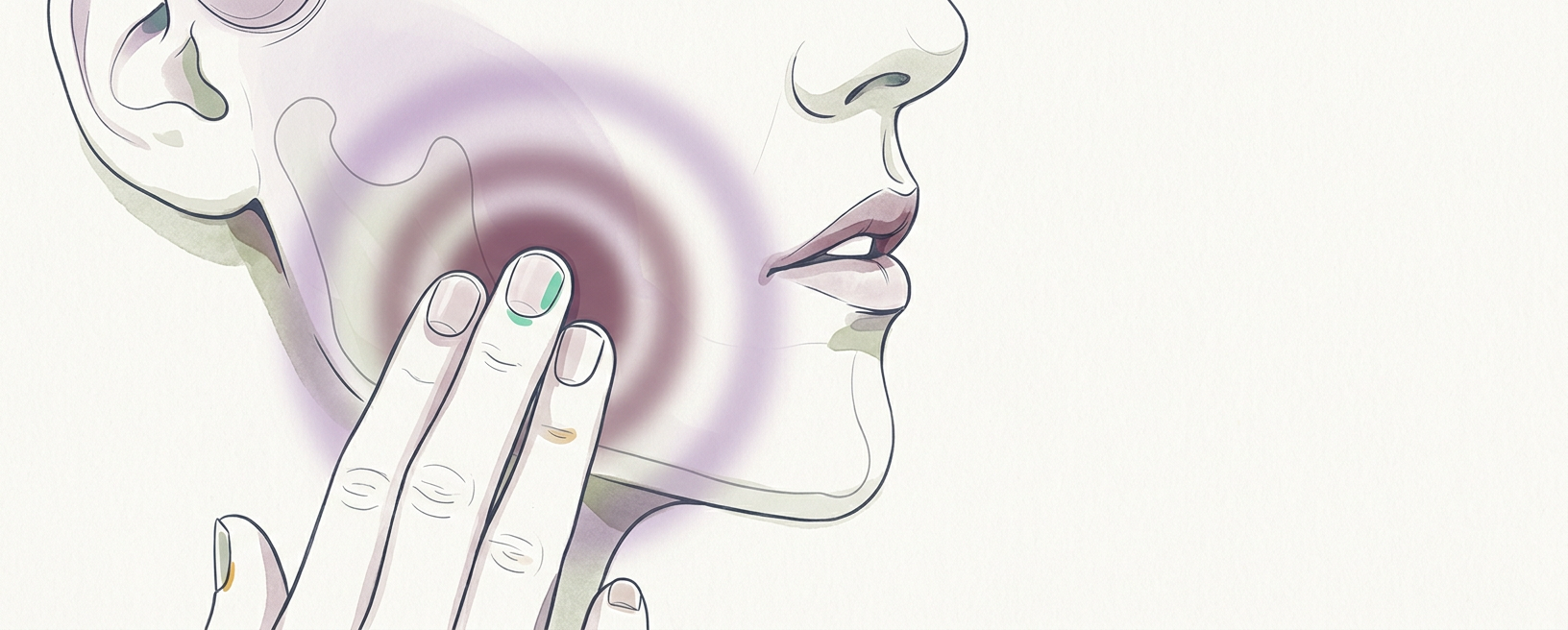
Release tension in the jaw, often a repository for stress, enhancing facial ease and promoting a calmer nervous system state.
Facial Release / Myofascial Release · This technique draws from principles of myofascial release, specifically targeting the masseter muscle. Its application within facial release work is prominent in lineages such as those taught by Cecily Braden and Sophie Perry, who integrate it into broader facial massage and self-care protocols. · Jaw tension, clenching, headache, stress accumulation in the face, improved facial aesthetic through tension reduction. · Perform 1-3 times daily, or as needed, dedicating 1-2 minutes per side. For acute tension, repeat the holds more frequently throughout the day.
Why it works
The masseter muscle, a primary muscle of mastication, often holds significant tension due to stress, clenching, or habitual patterns. Direct, sustained pressure on this muscle facilitates a stretch and release of the myofascial tissue. This mechanical input directly impacts local circulation and proprioception. Neurologically, releasing chronic tension here can reduce afferent signaling of stress to the trigeminal nerve, thereby influencing the broader sympathetic nervous system tone and promoting a parasympathetic shift.
How to practice
Preparation: Ensure hands are clean. You may apply a small amount of facial oil or balm to reduce friction, though it is not strictly necessary.
Locate: Place your fingertips on your cheekbones, just below your temples. Slide them down along your jawline until you feel the prominent, firm muscle bulge when you clench your teeth. This is the masseter.
Apply Pressure: Open your mouth slightly to soften the muscle. Use the pads of your index and middle fingers, or your thumb, to apply firm, sustained pressure into the belly of the masseter muscle. The pressure should be significant but not painful—a "good hurt."
Sustain & Release: Hold this pressure for 30-60 seconds. You may feel the muscle soften or "melt" under your fingers. Breathe deeply and allow your jaw to relax further. Release the pressure slowly.
Repeat: Move to a slightly different spot on the masseter and repeat the sustained pressure. Work your way across the entire muscle on one side, then repeat the entire sequence on the other side of your face.
Optional Glide: After the sustained hold, you can add a slow, downward, gliding stroke along the length of the masseter muscle towards the jaw angle, gently stretching the tissue.
Preparation: Ensure hands are clean. You may apply a small amount of facial oil or balm to reduce friction, though it is not strictly necessary.
Locate: Place your fingertips on your cheekbones, just below your temples. Slide them down along your jawline until you feel the prominent, firm muscle bulge when you clench your teeth. This is the masseter.
Apply Pressure: Open your mouth slightly to soften the muscle. Use the pads of your index and middle fingers, or your thumb, to apply firm, sustained pressure into the belly of the masseter muscle. The pressure should be significant but not painful—a "good hurt."
Sustain & Release: Hold this pressure for 30-60 seconds. You may feel the muscle soften or "melt" under your fingers. Breathe deeply and allow your jaw to relax further. Release the pressure slowly.
Repeat: Move to a slightly different spot on the masseter and repeat the sustained pressure. Work your way across the entire muscle on one side, then repeat the entire sequence on the other side of your face.
Optional Glide: After the sustained hold, you can add a slow, downward, gliding stroke along the length of the masseter muscle towards the jaw angle, gently stretching the tissue.