Cardiothoracic Surgeon · Zurich
Swiss Surgeon Cognitive Endurance Skyrockets
By optimising her nervous system function, a Swiss surgeon significantly extended her fine-motor precision and reduced post-operative cognitive fog by 75%.
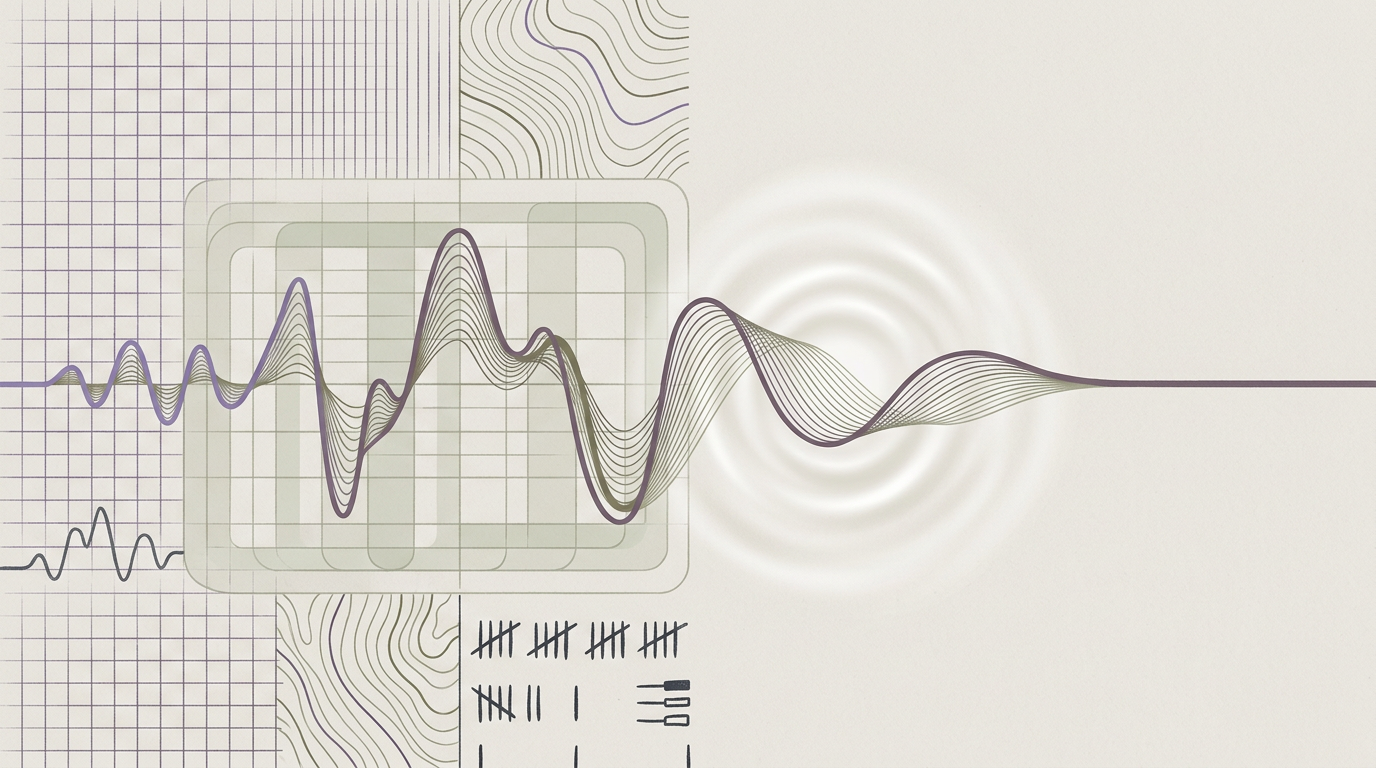
Surgeon Cognitive Endurance: From Micro-Tremors to Steel Nerves
A cardiothoracic surgeon in Zurich extended her sustained fine-motor precision from 5.5 hours to 9.5 hours and reduced post-operative cognitive fog by 75% (from 7.2 to 1.8 on a 10-point scale) within 12 weeks. Most people would have pointed to burnout here. They'd be wrong; this was a capacity ceiling, not a collapse.
The presenting state
Most folks hear "10-hour theatre days, micro-tremors by hour 7" and immediately think stress. Well, yes, but not just the garden-variety kind. Her body was simply running out of high-grade fuel, and her nervous system, specifically the brain's insular cortex, was struggling to maintain the precise internal monitoring (what we call interoception) required for such demanding work. The micro-tremor wasn't anxiety; it was a clear signal that the executive functions of her brain were starting to run low on the energy reserves needed to maintain exquisite motor control. It was a beautiful, if inconvenient, manifestation of allostatic load building up over the day McEwen, 2000.
Her post-operative cognitive fog wasn't just 'tiredness'. It indicated a central nervous system struggling to clear metabolic byproducts and reset its baseline. Her capacity to engage her parasympathetic brake, vital for recovery, was severely blunted during the work day. Her heart rate variability (HRV), particularly the high-frequency components, was consistently low after high-stake cases, indicating a system predominantly stuck in a sympathetic-driven, 'on-guard' state Shaffer & Ginsberg, 2017.
The protocol
The goal wasn't just to make her 'less stressed'; it was to expand her nervous system capacity for sustained precision and rapid recovery. We built a cognitive endurance protocol designed to optimise her interoceptive awareness and vagal tone throughout the surgical day, allowing for quicker physiological resets and reduced systemic wear and tear. It wasn't about pushing harder, but about creating more efficient energy pathways and recovery rhythms based on her real-time internal state Critchley & Harrison, 2013.
- Pre-theatre interoceptive priming: a five-minute protocol to attune to internal states.
- Between-case 90-second vagal resets: specific breathwork and body position to activate parasympathetic pathways.
- Strict glucose curve management: continuous glucose monitoring to avoid peaks and troughs.
- Eccentric strength work: specifically designed to improve cellular metabolic efficiency and nervous system resilience.
- Ventral-state debrief after each surgery: a structured reflection to process emotional and physiological shifts.
- Sleep architecture optimisation: targeted interventions based on sleep stage data, not just duration.
- Targeted nutrient support: addressing specific micronutrient deficiencies identified in assessment.
What changed
The most striking change wasn't just the absence of the tremor, but how late in the day it now didn't appear. The surgeon's ability to maintain a consistent skin conductance response (SCR) — a direct marker of sympathetic nervous system activity — remained remarkably stable even into hours 8 and 9 of complex surgeries. Previously, her SCR would show significant surges correlating with subjective reports of cognitive fatigue. This meant her body wasn't over-recruiting stress responses until much later, preserving precious executive function.
The nerdy bit: her deep sleep efficiency, which was previously a patchy 65-70% (despite 7-8 hours in bed), consistently reached 88-92% after six weeks. This wasn't just about sleep duration; it was about the quality within the deeper restorative stages. This robust deep sleep, monitored via a high-fidelity wearable, directly correlated with her decreased morning cortisol and improved inter-case cognitive recovery. It highlighted how precisely her brain was using that time for cellular repair and metabolic clearance, preventing the accumulation of allostatic load.
Most people think better sleep is the fix. It's not. Better recovery is the fix, and sleep is just one very important piece of that puzzle. We got her system to actually use sleep for recovery, not just for horizontal time.
TL;DR
A 45-year-old cardiothoracic surgeon in Zurich, facing diminishing fine-motor precision and post-operative mental fog from long theatre days, radically improved her capacity. Through a targeted cognitive endurance protocol focused on nervous system regulation, personalised recovery strategies, and metabolic optimisation, she extended her high-precision work window by 4 hours and drastically reduced post-op cognitive deficits. This wasn't 'burnout' but a test of her physiological and nervous system limits, which we effectively expanded.
Where to take this next
This kind of precision capacity building isn't just for surgeons. Any role demanding sustained, high-stakes cognitive and fine-motor performance, from pilots to intricate craftspeople, can benefit from a deep dive into nervous system resilience. It's about understanding and actively managing the physiological underpinnings of performance, rather than just 'gritting it out'.
Your nervous system is the ultimate performance hardware, and most people are running it on default settings. We can tune it for clarity, resilience, and sustained brilliance. If you're ready to unpack your own capacity ceiling, start with our Nervous System Architect Anchor. For bespoke, 1:1 guidance tailored to your unique challenges, explore Kokorology Coaching. If you're not quite ready for that, try the 7-Day Reset to recalibrate your baseline.